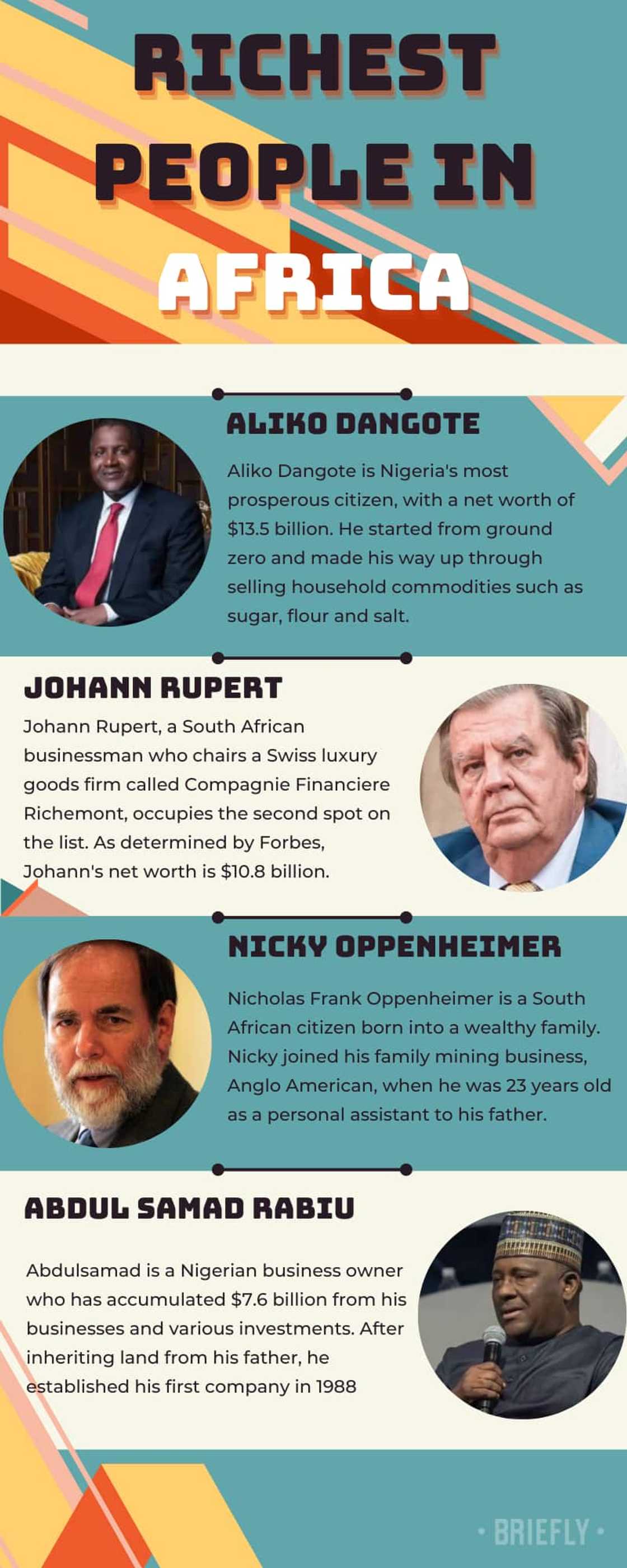
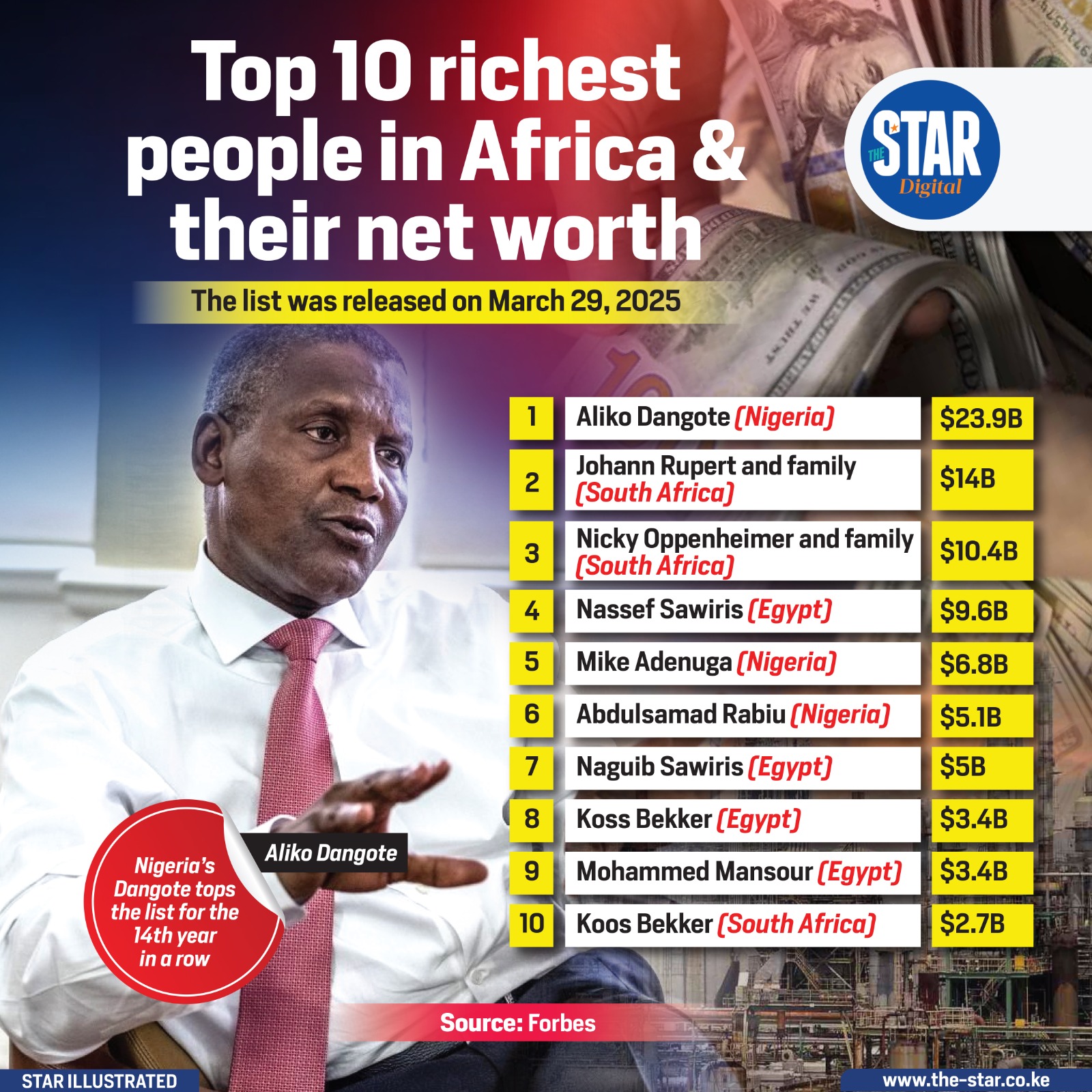
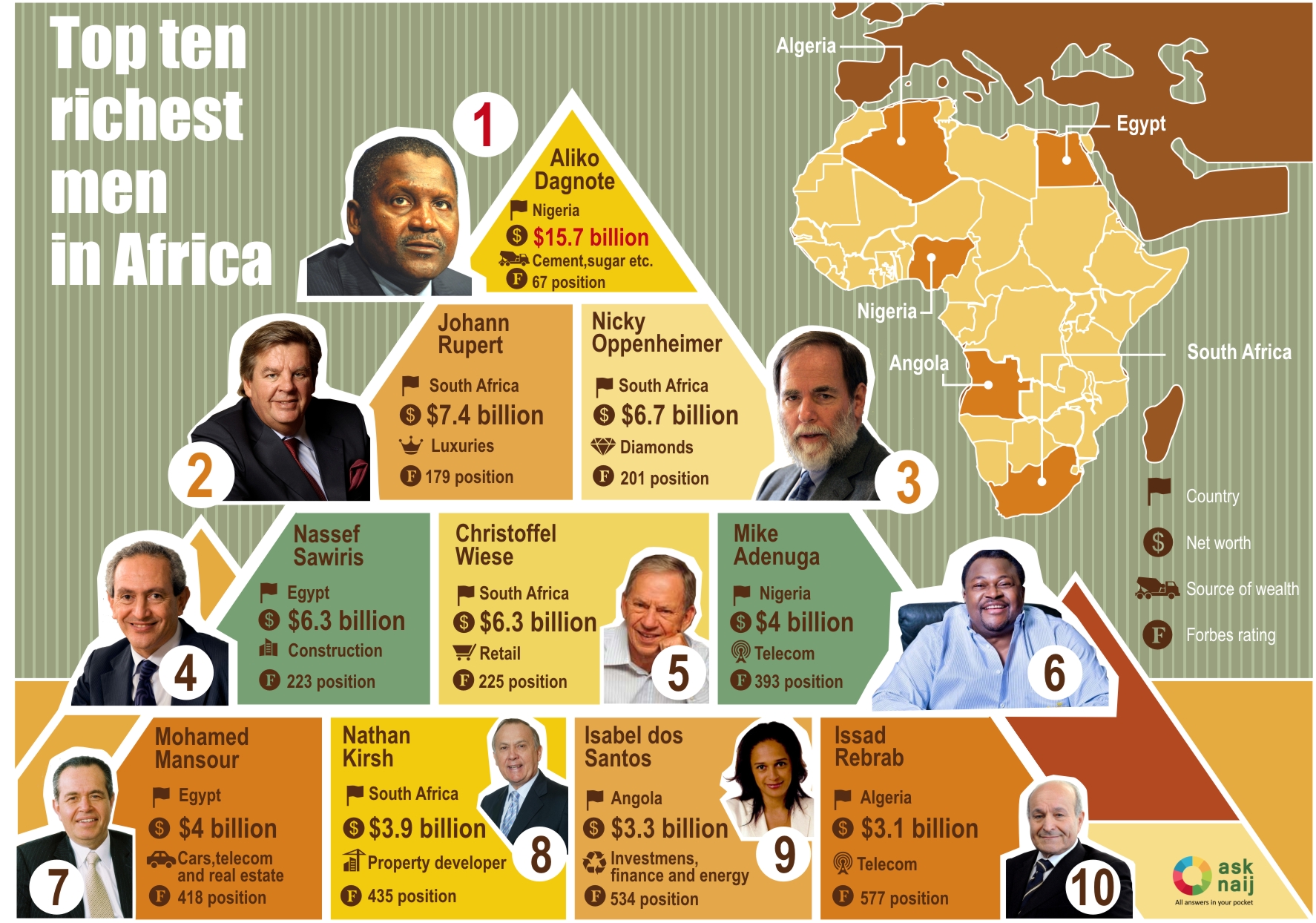
The landscape of African ultra-high-net-worth individuals in 2024 was defined by a concentration of capital within diversified industrial conglomerates, telecommunications, and commodities sectors. These wealth titans, characterized by their significant influence on both regional and global markets, maintain their standing through resilient business models that bridge the gap between traditional resource extraction and modern infrastructure development.
The Composition of African Wealth
Analyzing the cohort of Africa’s richest men during 2024 reveals a distinct preference for capital-intensive industries. The primary wealth drivers across the continent include cement manufacturing, oil refining, sugar production, and mobile network operations. Unlike wealth creation in more developed economies, which is often tied to service-based technology platforms or intangible assets, African wealth titans generally oversee massive physical footprints.
The concentration of wealth in these sectors is not coincidental; it is a direct reflection of the infrastructure deficit and the high demand for basic industrial inputs across the continent. By controlling the supply chains for construction materials and energy, these individuals have insulated their portfolios against local currency volatility and macroeconomic shifts. The 2024 data highlights that geographic diversification is also a key strategy, with many of these titans expanding operations beyond their home markets into broader regional blocs such as the Economic Community of West African States (ECOWAS) or the East African Community (EAC).
Key Industry Sectors and Wealth Drivers
The top tier of wealth in Africa is heavily skewed toward sectors that provide essential services to rapidly urbanizing populations. Understanding these sectors is critical for interpreting how net worth in this demographic is calculated and sustained over time.
- Cement and Construction Materials: The ongoing urbanization of African cities creates a perpetual demand for infrastructure. Wealth titans in this sector typically control massive production capacity, often operating as regional monopolies or dominant oligopolies.
- Telecommunications and Fintech: As connectivity increases, the transition from voice and data services to mobile money has unlocked significant value. Companies that own the underlying network infrastructure benefit from the increasing digital penetration of the African consumer base.
- Oil and Energy Refining: Despite a global shift toward renewables, hydrocarbons remain the backbone of several major African economies. Wealth creation in this space is heavily tied to the integration of upstream extraction and downstream refining capabilities.
- Commodities and Manufacturing: Sugar, salt, and flour processing provide recurring, recession-resistant income streams, as these remain core consumer staples regardless of regional economic performance.
Comparative Overview of Wealth Titans
The following table provides a snapshot of the primary sectors and the nature of the asset bases that defined the elite tier of African wealth in 2024.
| Industry Sector | Primary Value Driver | Market Focus | Asset Characteristics |
|---|---|---|---|
| Manufacturing | Cement & Consumer Goods | Pan-African | Capital-intensive, high barrier to entry |
| Telecommunications | Data & Mobile Finance | Multi-regional | Infrastructure-heavy, recurring revenue |
| Energy & Mining | Oil Refining & Extraction | Global Commodities | Resource-linked, regulatory-dependent |
| Banking & Finance | Retail & Corporate Credit | Domestic & Regional | Highly leveraged, interest-rate sensitive |
Strategic Asset Management and Currency Volatility
One of the most complex challenges facing African wealth titans is the management of currency risk. Many of these individuals operate businesses that generate revenue in local currencies—such as the Nigerian Naira, the Egyptian Pound, or the Kenyan Shilling—while their debt and expansion costs are often denominated in US Dollars or Euros.
In 2024, significant currency devaluations in key markets necessitated a recalibration of how net worth is measured. For these titans, success depended on "hedging through operations"—that is, owning assets that naturally appreciate as inflation rises. Real estate and commodities often serve as these hedges. Furthermore, those who successfully navigated the year were those who maintained low debt-to-equity ratios and secured foreign-denominated financing before the most severe inflationary cycles peaked.
Prerequisites for Achieving Scale in African Markets
For investors and observers tracking these wealth titans, it is essential to recognize that attaining this level of wealth requires more than just capital. It requires a deep integration into the domestic political and regulatory framework.
- Political Literacy: Understanding local policy shifts, licensing requirements, and trade barriers is the most significant intangible asset.
- Infrastructure Ownership: Controlling the logistics chain, such as ports, pipelines, or power plants, often provides a competitive moat that prevents new entrants from disrupting the market.
- Regulatory Compliance: Navigating complex legal landscapes, particularly regarding land ownership and resource extraction permits, requires professional legal and compliance teams that are adept at handling cross-border jurisdictions.
Common Misconceptions Regarding African Wealth
A frequent misunderstanding is the assumption that African wealth is entirely derived from natural resources. While resources provide the initial capital, the 2024 profiles show a clear pivot toward industrialization and service-based business models. Another misconception is that these fortunes are stagnant; in reality, these titans are frequently involved in complex corporate restructurings, initial public offerings (IPOs), and strategic divestments designed to unlock value as their companies grow into regional multinational corporations.
How to Monitor Changes in Wealth Rankings
Readers interested in the ongoing status of these figures should look toward quarterly financial disclosures of listed entities and official regulatory filings. While private wealth is harder to track, public companies controlled by these titans are subject to mandatory audit and disclosure requirements. Utilizing these documents is the only reliable way to verify changes in asset values, debt levels, and expansion plans. Always consult professional financial advisors before making investment decisions based on reports of high-net-worth individual portfolios, as individual asset structures can be highly complex and carry significant risks that are not captured in simplified summaries.
Frequently Asked Questions
What constitutes "wealth" for these individuals?
Wealth for these titans is typically calculated by summing the value of their stakes in publicly traded companies, private business assets, and cash or other liquid investments, minus their liabilities. It represents the equity value of their business empires rather than simple cash-on-hand.
How do currency fluctuations impact these rankings?
Since most global wealth tracking measures net worth in US Dollars, significant devaluations of local African currencies can lead to an apparent "decline" in net worth even if the individual's domestic business performance remains stable or grows.
Are these wealth titans involved in philanthropy?
Yes, most of these individuals operate foundations that focus on health, education, and economic empowerment. In 2024, there was a visible trend toward institutionalizing this philanthropy, shifting from individual donations to structured, long-term development programs.
Why is manufacturing so prominent in African wealth?
Manufacturing is a high-barrier-to-entry sector. Because of logistics challenges and the high cost of electricity, companies that can successfully manufacture at scale become dominant players, effectively replacing imports and capturing the consumer market.
Next Actions: Tracking Long-Term Performance
To effectively track these wealth titans beyond the 2024 snapshot, prioritize the monitoring of industrial production data and regional trade policy. Changes in tariff structures, specifically those related to the African Continental Free Trade Area (AfCFTA), will be the primary indicators of where these individuals will allocate their capital next. By focusing on the expansion of corporate production capacity and cross-border mergers, rather than speculative net-worth estimates, you can gain a more accurate understanding of their enduring influence on the African economy.