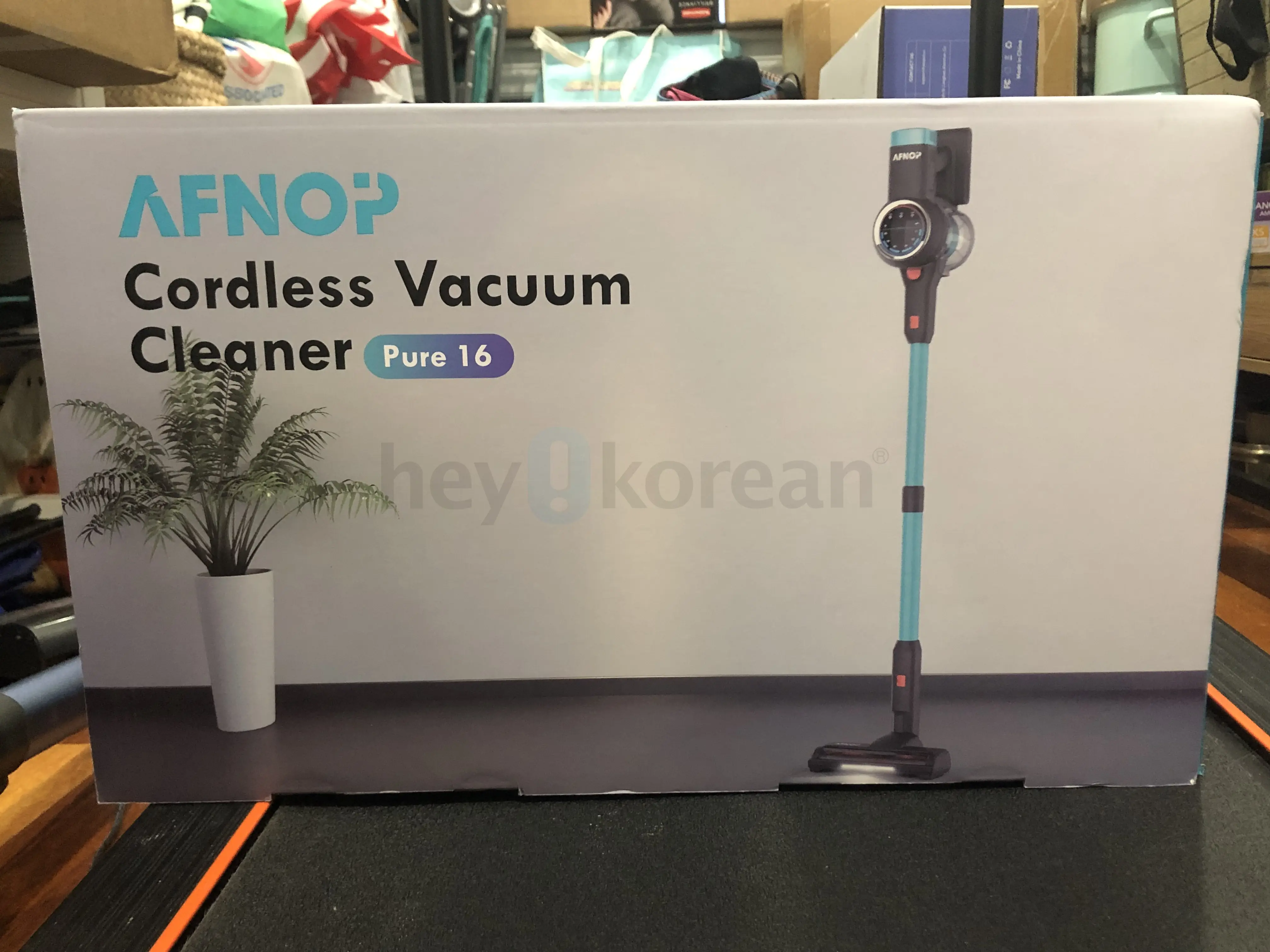
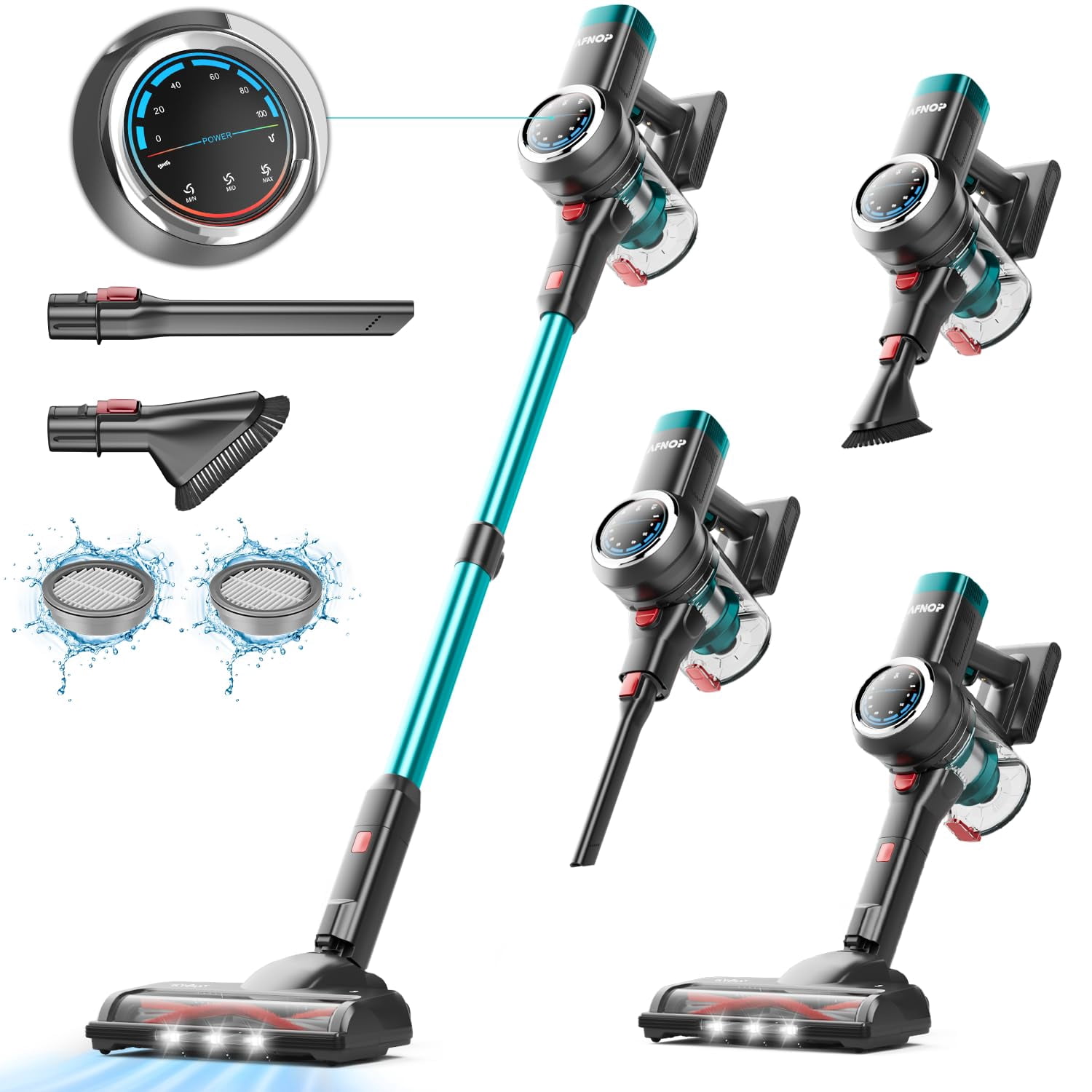
The Afnop cordless vacuum represents a specific segment of the modern battery-operated stick vacuum market, focusing on entry-to-mid-range cleaning solutions for residential use. These devices typically feature lightweight designs, cyclonic filtration systems, and rechargeable lithium-ion battery packs intended to provide maneuverability for hard floors and low-pile carpet maintenance.
Understanding the Product Category
When evaluating the Afnop cordless vacuum, it is essential to categorize it correctly within the broader landscape of home cleaning technology. Cordless stick vacuums are defined by their shift away from tethered power cords, relying instead on integrated battery cells to drive both the suction motor and the motorized brush head. The Afnop series fits into the category of "value-oriented" appliances, which generally prioritize cost-effectiveness and ease of use over the advanced sensor-driven autonomy found in high-end, premium-brand machines.
These units are designed primarily for maintenance cleaning rather than deep-carpet restoration. Their architecture typically involves a top-mounted motor design, which keeps the bulk of the device's weight near the user’s hand. This design philosophy facilitates "above-floor" cleaning, allowing users to detach the main tube to convert the device into a handheld vacuum for upholstery, automotive interiors, or elevated surfaces like shelves and curtains.
Core Technical Specifications and Components
The functionality of an Afnop cordless vacuum is predicated on several key technical components that dictate performance. Prospective owners should look for consistent variables across this product line, specifically regarding suction power, battery chemistry, and filtration standards.
Suction power in these devices is often measured in Air Watts (AW) or kilopascals (kPa). While entry-level models may offer lower suction, mid-tier versions provide enough force to manage common household debris, such as pet hair, dust bunnies, and crumbs. The motor is typically brushless, a design choice that reduces internal friction, lowers heat production, and extends the operational lifespan of the unit compared to older brushed motor designs.
The power source is almost exclusively a lithium-ion (Li-ion) battery. These batteries are preferred for their lack of "memory effect," meaning they do not lose capacity if they are recharged before being completely drained. However, users should note that the runtime of the vacuum is heavily dependent on the power mode selected; using the "Max" or "Turbo" setting will deplete the battery significantly faster than "Eco" or "Standard" modes.
Filtration and Air Quality
A critical, often overlooked aspect of the Afnop cordless vacuum is its filtration system. Most models in this product class utilize a multi-stage cyclonic separation process. This system uses centrifugal force to spin dust and debris away from the airflow, forcing heavier particles into the dust bin before they reach the filter.
The secondary stage usually involves a High-Efficiency Particulate Air (HEPA) filter or a similarly rated material. This filter is responsible for trapping microscopic allergens, such as pollen and dander, preventing them from being exhausted back into the home’s air. Maintaining this filter is the most significant requirement for owners; most Afnop filters are washable, but they must be completely air-dried for at least 24 hours before reinsertion. Failing to dry the filter thoroughly can lead to mold growth and restricted airflow, which effectively kills the vacuum’s suction power.
Comparison of Performance Metrics
To determine if an Afnop model fits a specific household's needs, it is helpful to contrast these units with other common cleaning options. The following table provides a generalized comparison of how these devices function relative to their design parameters.
| Feature | Afnop Cordless Stick | Traditional Canister | Robotic Vacuum |
|---|---|---|---|
| Weight | Lightweight (4-7 lbs) | Heavy (15-20 lbs) | Moderate (5-8 lbs) |
| Convenience | High (Instant access) | Low (Setup required) | Very High (Autonomous) |
| Primary Use | Quick/Daily cleanups | Deep carpet cleaning | Maintenance dust removal |
| Power Source | Battery (Limited) | Wall Outlet (Unlimited) | Battery (Autonomous) |
| Maintenance | Frequent filter/bin | Bag/Filter changes | Brush/Sensor cleaning |
Practical Operational Considerations
Operating an Afnop cordless vacuum requires an understanding of its physical and temporal limitations. Because the device is battery-operated, users must develop a workflow that prioritizes high-traffic areas first. If the battery dies mid-session, the unit typically requires several hours to reach a full charge, creating a bottleneck in a busy cleaning schedule.
Dust bin capacity is another operational constraint. Because these vacuums are designed to be slim and ergonomic, their dust containers are generally smaller than those found on corded uprights. Users should expect to empty the bin after every one or two cleaning sessions, particularly if the home contains pets or sheds hair regularly. Most Afnop units feature a "one-touch" release mechanism, which is designed to minimize contact with dust, but users with severe allergies should still exercise caution when emptying the bin into a waste receptacle.
Maintenance and Troubleshooting
To maximize the longevity of an Afnop cordless vacuum, a consistent maintenance schedule is non-negotiable. Beyond the filter care mentioned previously, the motorized brush roll requires regular attention. Long hair and carpet fibers tend to wrap around the bristles, which can cause the motor to strain and eventually overheat. Inspecting the brush head weekly—and using scissors to carefully snip away any trapped hair—will keep the brush spinning freely.
Troubleshooting common issues often points back to airway obstructions. If the vacuum loses suction, the first step is to check the wand, the floor head, and the dust bin inlet for clogs. A piece of fabric or a large chunk of debris stuck in the wand is the most frequent cause of perceived "motor failure." If the vacuum shuts down unexpectedly during use, it is often a built-in safety mechanism triggering due to either an obstruction or the battery overheating from sustained high-power use.
Frequently Asked Questions
How long does the battery last on a single charge?
Battery life varies by model and mode, but most Afnop cordless vacuums offer between 20 and 45 minutes of runtime on standard settings. High-power or "Turbo" modes typically reduce this to 10–15 minutes. It is best to use lower power settings for floors and save the higher settings for localized mess cleanups.
Can the Afnop vacuum be used on thick, high-pile carpets?
While these vacuums are effective on hard floors and low-pile rugs, they may struggle with high-pile or "shag" carpets. The motorized brush roll may get bogged down by the dense fibers, triggering a safety shut-off. If your home has significant high-pile carpet coverage, you may find the vacuum requires more physical effort to push or may not achieve the desired level of deep-carpet agitation.
Is the battery replaceable?
Yes, most Afnop models feature a removable battery pack. Over time, lithium-ion batteries naturally lose their ability to hold a charge. Being able to remove and replace the battery pack independently allows you to extend the lifespan of the vacuum by purchasing a replacement cell once the original degrades, rather than replacing the entire unit.
How often should I replace the HEPA filter?
Under normal household usage conditions, HEPA filters should be replaced every 6 to 12 months. Washing the filter regularly as per the manufacturer's manual will keep it functional for longer, but even with washing, the filter material will eventually become too clogged to provide effective airflow.
Next Actions and Recommendations
If you are considering an Afnop cordless vacuum for your home, start by assessing your floor types. These vacuums are most effective for hard floors (wood, tile, laminate) and area rugs. If your primary cleaning environment consists of wall-to-wall high-pile carpeting, ensure you check the specific motor power specifications for the model in question.
Before committing to a purchase, verify that you can easily source replacement parts—specifically batteries and filters—within your region. For current owners, make it a habit to check the airway for clogs and to clean the brush roll monthly. If you experience a sudden loss of performance, prioritize clearing any potential obstructions and ensuring the battery is charged on a stable, cool surface before assuming the motor or battery is failing.