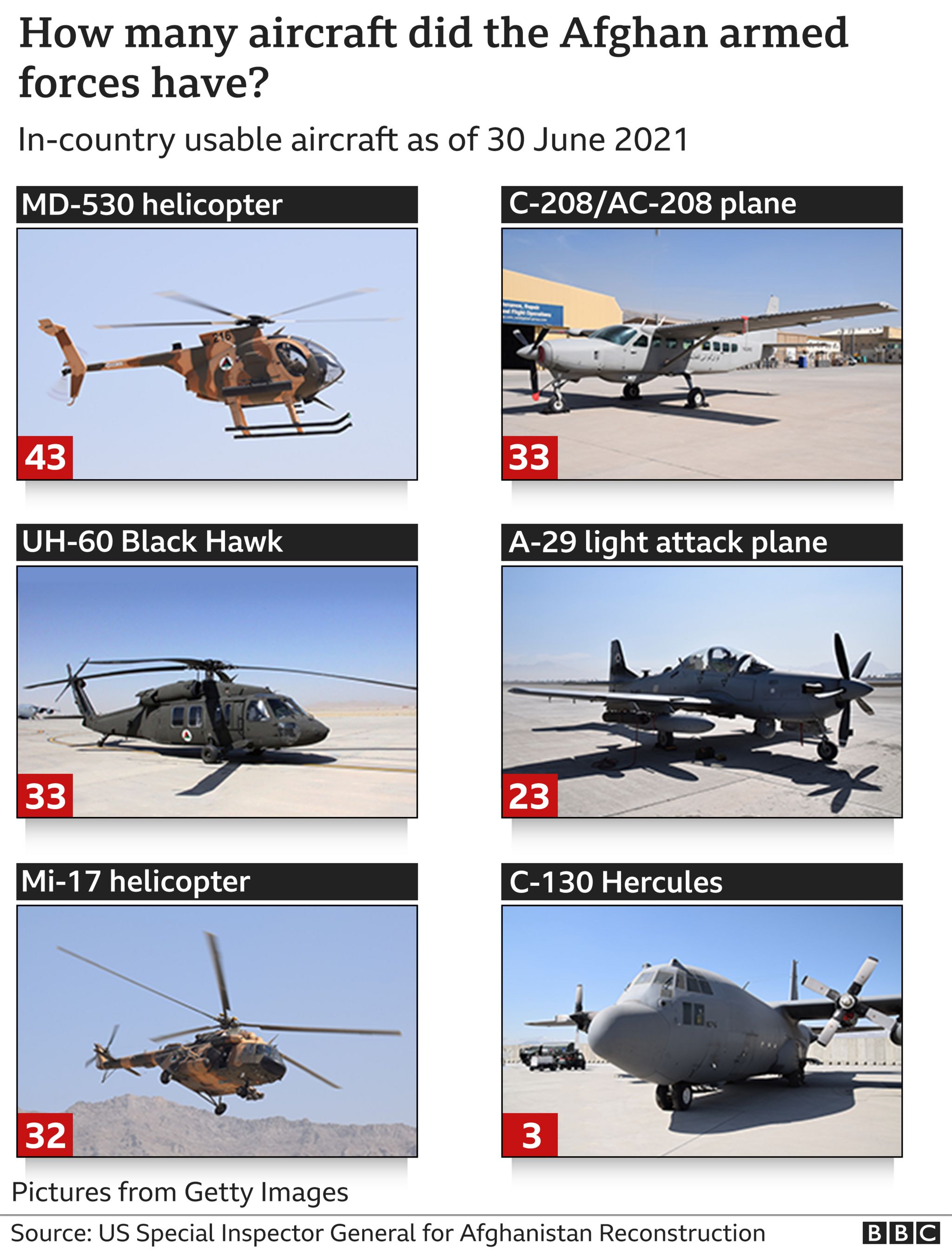
The term "Afghanistan equipment" refers to the broad spectrum of military, logistical, and technical assets left in the country following the withdrawal of international coalition forces in August 2021. This inventory includes ground vehicles, aviation assets, communication systems, and small arms, which remain subject to complex international monitoring, asset verification challenges, and evolving local operational status.
Historical Context and Asset Inventory
The equipment in question was primarily procured and transferred to the Afghan National Defense and Security Forces (ANDSF) over the span of two decades to support state-building and counter-insurgency efforts. By August 2021, the inventory was extensive, consisting of tens of thousands of vehicles, including Humvees, Mine-Resistant Ambush Protected (MRAP) vehicles, and light tactical vehicles. Additionally, the inventory contained significant aviation assets such as UH-60 Black Hawks, MD-530 helicopters, and various transport aircraft, alongside a vast quantity of small arms, night-vision devices, and surveillance technology.
The sudden collapse of the Afghan government in 2021 led to these assets falling under the control of the de facto authorities. Because much of this hardware required specialized technical maintenance, proprietary software updates, and a consistent supply chain of replacement parts—many of which were sourced from international defense contractors—the operational readiness of the equipment has faced severe degradation over the intervening years.
Maintenance and Operational Limitations
The longevity of the equipment is inherently tied to the availability of specialized support, which ceased upon the withdrawal of foreign personnel. Most modern military hardware is not "standalone"; it operates within a network of electronic diagnostics, scheduled service intervals, and proprietary component replacement.
- Aviation Sustainability: Aircraft such as the UH-60 require certified maintenance schedules. Without access to original equipment manufacturer (OEM) technical manuals, specialized tools, and a reliable supply of aviation-grade fuel and lubricants, the airworthiness of these assets decreases significantly.
- Ground Vehicle Fleet: While ground vehicles are more resilient, they remain subject to mechanical wear. The loss of specialized mechanics trained in specific systems means that repairs are often conducted through cannibalization—stripping functional parts from one vehicle to sustain another.
- Electronic Systems: Communication and surveillance suites often rely on encrypted networks or cloud-based maintenance portals. When these connections are severed or unauthorized, the systems effectively lose their primary strategic utility, becoming legacy hardware that cannot be integrated into broader tactical networks.
International Monitoring and Verification
Since 2021, the international community has maintained a posture of monitoring these assets to assess their potential for regional instability. Organizations and independent analysts track the presence of this equipment through open-source intelligence (OSINT), satellite imagery, and public reports. The primary concern for international stakeholders remains the illicit transfer of sensitive technology to third parties.
Current verification efforts focus on distinguishing between functional military equipment and static displays or non-operational salvage. The lack of standardized auditing means that reports on the "operational" state of the equipment are often speculative and rarely backed by physical inspections, as international observers have limited or no access to secure facilities within the country.
Summary of Asset Categories and Functional Status
The following table categorizes the primary types of equipment left in the region and provides an overview of their likely operational status as of 2026.
| Category | Typical Assets | Primary Constraint | Estimated Status |
|---|---|---|---|
| Tactical Vehicles | Humvees, MRAPs | Spare parts & fuel | Moderately active |
| Aviation | UH-60, MD-530 | Maintenance expertise | Mostly grounded |
| Communication | Radios, SATCOM | Software support | Largely legacy/static |
| Small Arms | Rifles, Sidearms | Ammunition logistics | Highly active |
| Surveillance | Night vision, optics | Battery/power supply | Mixed |
Safety and Regulatory Considerations
The handling of former coalition equipment is subject to strict international legal frameworks regarding the export and proliferation of defense articles. Entities or individuals interacting with this equipment face significant risks, including the violation of international sanctions and domestic arms control laws.
It is important for researchers, journalists, and policy analysts to recognize that these items are considered restricted property. Any attempt to verify, document, or track these assets should be conducted with a strict adherence to local laws and international reporting guidelines. Because the provenance of these items is linked to government-to-government transfers, they are inherently protected by treaty-based restrictions that prevent their legal resale or transfer on the secondary market.
Frequently Asked Questions
Can the aircraft left in Afghanistan still fly?
The airworthiness of the remaining aircraft is extremely low. Aviation assets require highly specialized, serialized parts and mandatory software compliance that cannot be verified or fulfilled without OEM support. Most are likely to be inoperable due to component fatigue, lack of airframe-specific lubricants, and the absence of qualified, certified flight crews.
Are these assets considered "abandoned" in a legal sense?
No. Under international law, the transfer of equipment to the former Afghan state constitutes a legal agreement. While physical possession changed during the 2021 transition, the legal title and the restrictive covenants regarding the use, maintenance, and transfer of these defense articles remain subject to the initial terms of the transfer agreements between the supplying nations and the recipient government.
What happens to the equipment that is no longer functional?
Non-functional equipment typically undergoes a process of cannibalization, where parts are salvaged for use in other units. Remaining hulls, airframes, or electronics that cannot be serviced are often left as static objects. There is no official infrastructure for the professional decommissioning, recycling, or environmental disposal of these military-grade assets.
How does the current status affect regional security?
The presence of this equipment continues to be a point of analysis regarding regional security. While the items are not part of a modern, integrated military force, their proliferation remains a concern. Analysts observe that the equipment is utilized primarily for local security patrols and parade-ground displays rather than as part of a high-end, sustained military strategy.
Next Actions for Analysts and Researchers
For those tasked with assessing or researching the inventory of equipment in the region, focus should remain on verified, open-source documentation rather than speculative accounts. Monitor official releases from international security bodies that specialize in arms proliferation, and prioritize data derived from dated but verified government reports.
If your interest lies in the humanitarian or legal implications of these assets, consult the relevant databases provided by international monitoring agencies regarding arms and light weapons (SALW) proliferation. Ensure that any interpretation of the status of these assets explicitly accounts for the lack of OEM support and the impact of long-term storage in harsh environmental conditions, which are the primary determinants of equipment degradation.