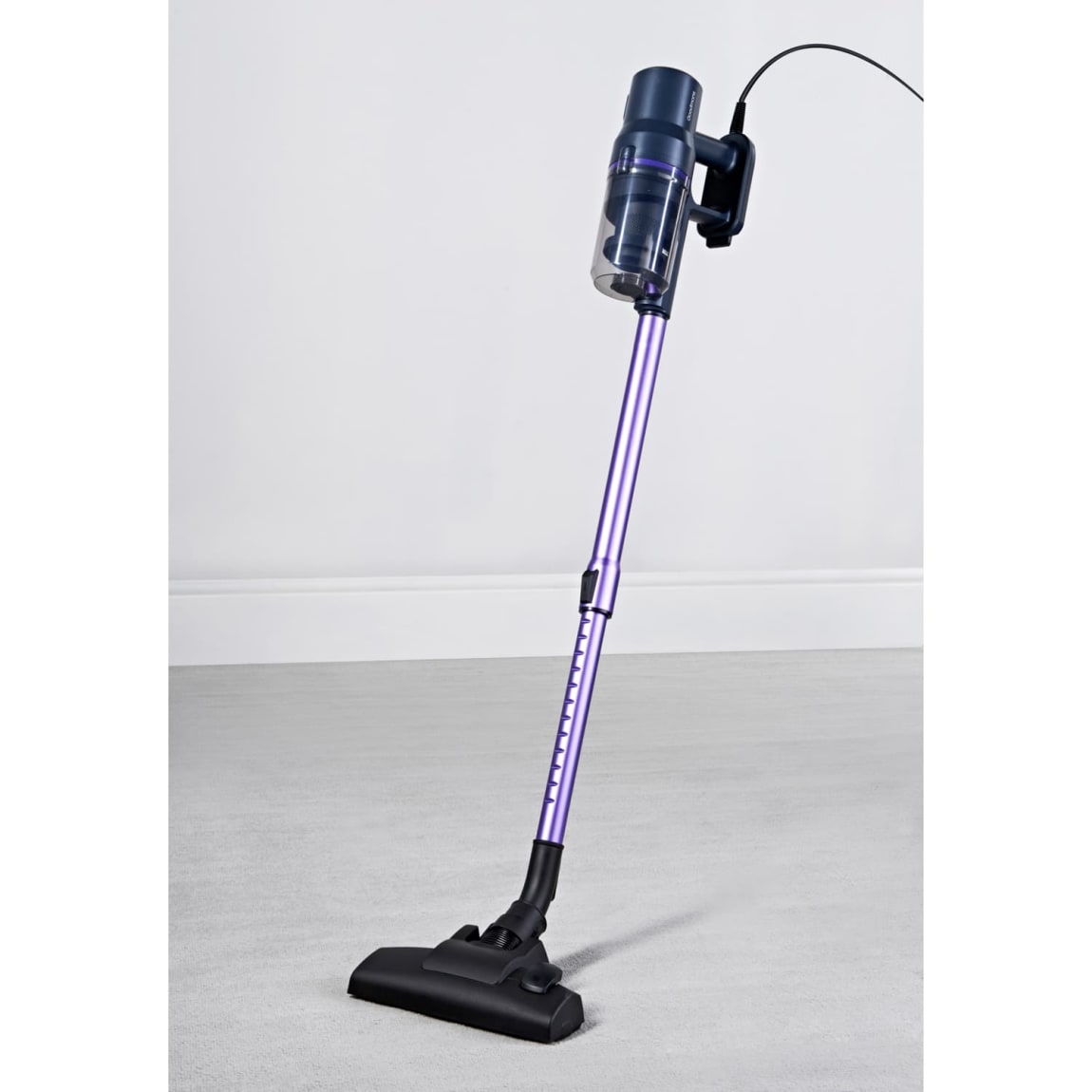
Securing an affordable, top-rated vacuum cleaner requires balancing immediate price discounts with long-term performance reliability. By focusing on essential cleaning metrics such as suction power, filtration efficiency, and maintenance costs rather than premium marketing features, consumers can identify high-quality machines at a fraction of their standard retail cost during seasonal promotional periods.
Understanding Value in the Vacuum Cleaner Market
The search for a "cheap" vacuum often leads to frustration if the buyer prioritizes a low initial price point over the machine’s functional longevity. In the current 2026 market, "affordable" refers to devices that provide a high return on investment through consistent performance, modular parts, and efficient power usage. A truly good vacuum cleaner is defined by its ability to maintain airflow under varying loads and its capacity to handle specific flooring types—whether hard floors, low-pile rugs, or thick carpets.
When browsing for vacuums on sale, it is critical to distinguish between clearance items—which may be discontinued due to obsolete technology—and seasonal promotions on current, top-rated models. Older models may suffer from a lack of replacement filters or belts, while seasonal sales on contemporary units offer the best balance of modern safety standards and reliable warranty support.
Essential Specifications to Verify Before Purchase
Before committing to a sale item, shoppers should evaluate several technical specifications that determine whether a vacuum will remain useful or become a maintenance burden.
Filtration Efficiency
For users with allergies or indoor pets, a High-Efficiency Particulate Air (HEPA) filter is the industry standard. An affordable vacuum should ideally include a sealed system, which ensures that air passes through the filter rather than leaking through gaps in the casing. If a vacuum is advertised as "good," it must demonstrate this level of dust containment, as poor filtration simply recirculates allergens back into the living space.
Power Source and Suction Capability
Vacuums generally fall into two categories: corded and cordless. Corded models are typically more affordable, offer constant power, and possess higher suction capacity for deep cleaning carpets. Cordless models provide convenience but rely on lithium-ion batteries. In 2026, when purchasing a discounted cordless unit, verify the battery life and the cost of a replacement battery, as these are often the first components to degrade.
Maintenance and Replacement Costs
A low purchase price can be offset by high ongoing costs. Review the design to see if the vacuum uses proprietary bags or washable filters. Models that require expensive, non-reusable filtration cartridges significantly increase the total cost of ownership over a three-year period.
Comparing Vacuum Types for Performance and Price
The table below outlines common vacuum configurations to help align your cleaning needs with current market offerings.
| Vacuum Type | Best For | Typical Maintenance | Price/Performance Ratio |
|---|---|---|---|
| Upright | Large carpeted areas | Moderate (Belt/Filter) | High |
| Canister | Hard floors, stairs | Low (Filter cleaning) | Moderate |
| Stick | Quick pickups, small spaces | High (Battery lifespan) | Moderate |
| Robot | Maintenance between cleanings | Moderate (Brushes/Sensors) | Low to Moderate |
Strategic Approaches to Finding Sales
Sales events are often timed around retail cycles, such as end-of-quarter inventory clearing or holiday weekends. Rather than searching for "cheap" options, search for "top-rated" models that have been on the market for 12 to 18 months. These models often see price reductions as manufacturers introduce newer versions, despite the actual cleaning performance difference being negligible.
Verified consumer reports and manufacturer websites are the most reliable sources for identifying which models currently hold "top-rated" status. Avoid relying solely on retailer star ratings, as these can be influenced by shipping speeds and packaging rather than long-term mechanical reliability. Look for reviews that discuss performance after six months of use, as these provide a more accurate picture of product durability.
Common Pitfalls When Buying Discounted Vacuums
One of the most frequent mistakes is ignoring the availability of spare parts. If a manufacturer has ceased production of a specific line, finding a replacement brush roll or hose in the future can be difficult, effectively rendering the vacuum a "disposable" product. Before finalizing a purchase, check that the manufacturer maintains a public catalog of replacement parts or offers a standard warranty that is honored in your jurisdiction.
Another pitfall is the "suction-only" trap. Many low-cost vacuums focus on raw suction power while ignoring the importance of agitation. For carpeted homes, a motorized brush bar is essential for lifting debris from the base of the carpet fibers. A cheap, high-suction vacuum without a motorized agitator may clean the surface of a carpet while leaving deep-set dust untouched, leading to premature wear of the carpet backing.
Maintenance to Extend Appliance Lifespan
Once you have acquired a high-quality vacuum at a sale price, maintaining the machine is the most effective way to ensure it continues to function like a premium model.
- Clean Filters Regularly: Even high-efficiency filters lose their effectiveness if they are clogged with dust. Check the manual for the manufacturer’s recommended cleaning interval—usually every three to six months for washable filters.
- Clear the Brush Roll: Hair and thread accumulation around the brush bar can cause the motor to work harder, leading to overheating. Use a specialized tool or scissors to remove obstructions every few weeks.
- Monitor Airflow Path: Check the hose and intake ports for blockages. Many performance issues, which users mistakenly attribute to a failing motor, are actually caused by a simple obstruction that reduces airflow.
Evaluating Warranty and Support
A top-rated vacuum should be backed by a manufacturer that provides clear documentation and accessible customer support. Even when purchasing on sale, the product’s warranty coverage should not be diminished. Confirm that the sale is from an authorized retailer, as purchases from unauthorized third-party liquidators may void the manufacturer’s warranty, leaving you without recourse if the device fails shortly after purchase. If a retailer offers an "extended warranty" at checkout, weigh the cost of that plan against the likelihood of a mechanical failure based on the model’s track record.
Next Actions for Smart Buyers
To secure the best value, identify the two most critical features your home requires—such as specific attachments for pet hair or HEPA-certified filtration for asthma. Once these requirements are set, monitor the official websites of established manufacturers for seasonal promotions rather than relying on secondary marketplaces. Cross-reference the model numbers found on sale with independent reviews from consumer advocacy publications to confirm the unit’s performance ratings. Once you verify that a model meets your technical needs and has a solid history of reliability, the sale price becomes the final factor in deciding to proceed with the acquisition.