Finding comfortable footwear that effectively mitigates foot pain without requiring a significant financial investment is a common challenge for those managing conditions like plantar fasciitis, flat feet, or general fatigue. The best affordable options for all-day comfort typically prioritize essential biomechanical features—such as deep heel cups, medial arch support, and shock-absorbing midsoles—over expensive branding or ornamental aesthetics, ensuring functionality remains the primary value proposition.
Understanding Biomechanical Needs for Foot Pain
Foot pain often stems from poor alignment, insufficient cushioning, or lack of support during repetitive motions like walking or standing. When selecting shoes, the focus should shift from visual trends to structural integrity. A shoe designed for comfort must facilitate a neutral gait, meaning it keeps the foot in a balanced position relative to the ankle and lower leg.
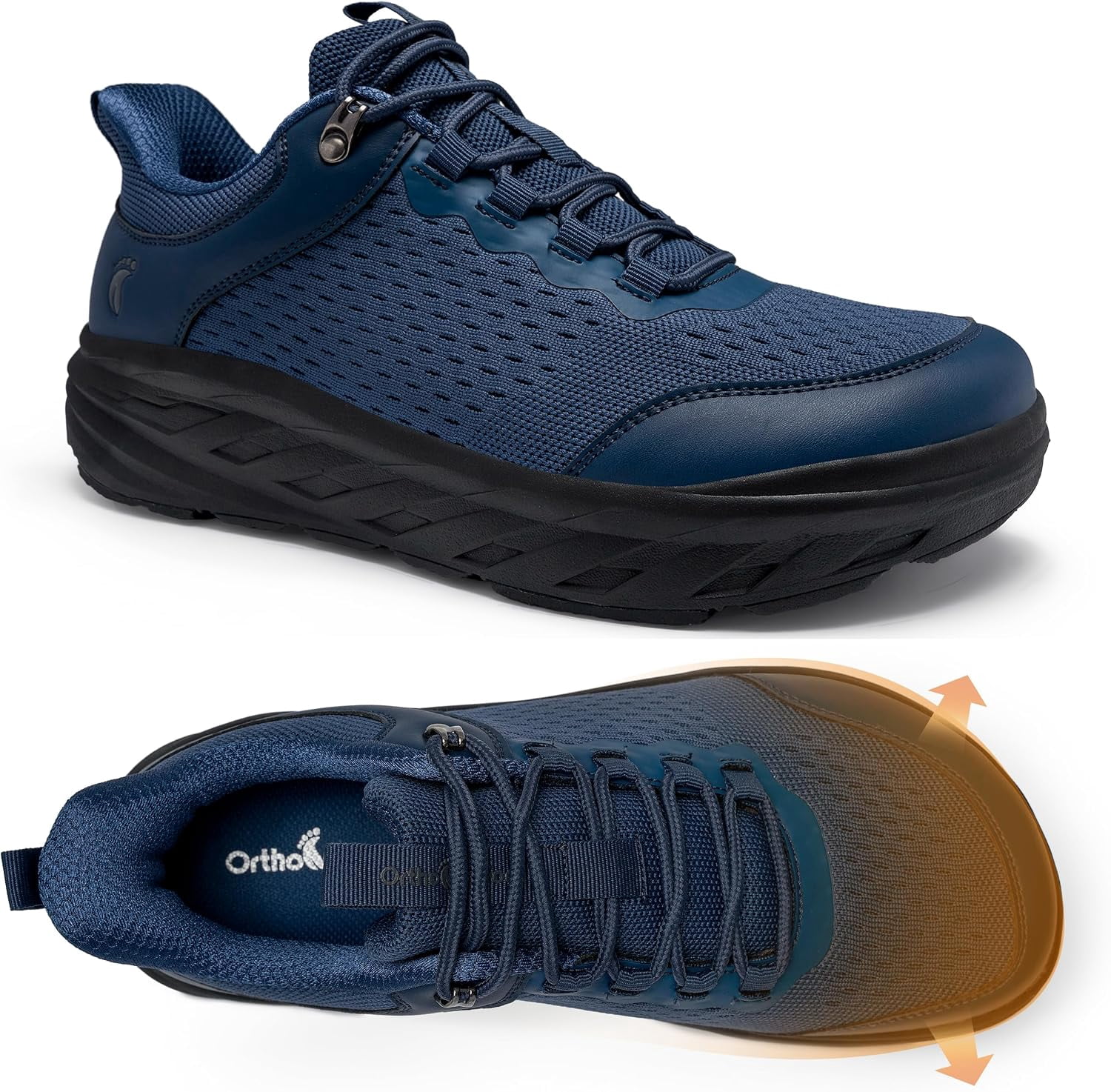
Key features to look for include a firm, supportive heel counter that prevents excessive side-to-side motion, a cushioned footbed that distributes pressure evenly across the plantar surface, and a rocker-bottom or flexible forefoot that assists with the natural rolling motion of the gait cycle. For individuals with chronic conditions such as heel spurs or arch strain, removable insoles are a critical feature. This allows users to replace standard, often thin, factory inserts with customized orthotics if necessary, providing a higher level of personalized relief without requiring the purchase of premium-priced footwear.
Essential Criteria for Evaluating Affordable Footwear
When navigating the market, price often correlates with material quality and proprietary technology. However, many mid-tier and budget-friendly manufacturers utilize standard EVA (Ethylene-Vinyl Acetate) foam, which provides adequate shock absorption for daily activities. To ensure an affordable shoe is truly suitable, evaluate the following:
- Torsional Stability: Attempt to twist the shoe from heel to toe. If it twists easily, the shoe may lack the necessary structural support to stabilize the foot during long periods of standing or walking.
- Deep Heel Cup: A stable heel cup holds the calcaneus (heel bone) in place, preventing it from shifting, which is essential for managing plantar fascia strain.
- Midfoot Arch Height: The arch should contact the foot firmly. If the shoe is entirely flat internally, it may exacerbate issues related to collapsed arches.
- Toe Box Room: Ensure there is sufficient width in the forefoot. Constrictive toe boxes can lead to bunions, hammertoes, or neuromas, even if the cushioning is high quality.
Top Categories of Supportive Footwear
The market for therapeutic footwear is divided into specific styles, each serving different environments and activity levels. For those spending long hours on their feet in a professional or casual setting, sneakers designed for walking often outperform casual loafers or flats due to superior material engineering.
Walking and Performance Sneakers
Many athletic brands offer entry-level walking models that retain the same cushioning geometry as their elite performance lines. These models often utilize older versions of foam technology, which, while slightly heavier, provide identical support for walking and standing. Look for models labeled as "stability" rather than "cushioning" if you have flat feet, as stability shoes often include a secondary, firmer material on the medial side of the midsole to prevent pronation.
Casual Slip-ons and Work Shoes
For office or service industry environments, slip-on shoes with orthotic-friendly profiles have become increasingly accessible. Many affordable brands now incorporate memory foam or high-rebound polyurethane inserts that mold to the shape of the foot over time. These are particularly useful for workers who do not require an athletic appearance but need the supportive structure of a trainer.
Comparative Overview of Footwear Features
Selecting the right shoe requires balancing specific structural needs against price. The following table provides a comparison of common features found in accessible footwear.
| Feature | Primary Function | Ideal For |
|---|---|---|
| Firm Heel Counter | Stabilizes the heel bone | Plantar fasciitis, overpronation |
| Rocker Outsole | Reduces pressure on the forefoot | Metatarsalgia, arthritis |
| Removable Insole | Allows for custom orthotics | Severe arch issues, unique foot shapes |
| Wide Toe Box | Prevents forefoot compression | Bunions, neuromas |
| EVA Foam Midsole | Provides shock absorption | General foot fatigue, long-duration standing |
Managing Costs and Sizing Expectations
Affordability is not merely about the sticker price; it is about the lifespan of the shoe and the avoidance of medical costs associated with untreated foot pain. A shoe that costs significantly less but wears down in three months provides poor value. Look for retailers that offer standardized sizing charts, as fit is the most significant determinant of comfort.
If you are transitioning to a more supportive shoe, do so gradually. Feet that have become accustomed to unsupportive, flat footwear may initially feel strained when suddenly introduced to proper arch support. Wearing the new shoes for two hours on the first day, and incrementally increasing the duration over a week, allows the muscles in the foot to adjust to the new alignment without causing additional discomfort.
Frequently Asked Questions
H3: How long should I expect affordable comfort shoes to last?
Most budget-friendly shoes designed for comfort will show a decline in midsole support after 300 to 500 miles of walking. If you use the shoes for eight hours a day on hard surfaces, expect to replace them every six to eight months. If the foam stops "rebounding" or you notice the inner lining wearing thin, the structural support is likely compromised.
H3: Are memory foam insoles always good for foot pain?
Memory foam provides high initial comfort due to its soft feel, but it can sometimes lack the firm support required for long-term pain management. For conditions involving arch pain or structural misalignment, a firm, molded EVA or polyurethane insole is generally superior to soft memory foam, as it maintains its shape under pressure rather than bottoming out.
H3: Can I use store-bought orthotics in affordable shoes?
Yes, provided the shoe has a removable insole. Replacing a factory insert with an over-the-counter orthotic is one of the most effective ways to upgrade the performance of a moderately priced shoe. Ensure the volume of the orthotic does not make the shoe too tight, as an overcrowded shoe can cause secondary pressure points.
H3: Why do some affordable shoes feel stiffer than expensive ones?
Affordable shoes often prioritize durability and stability, which can require denser materials. While expensive performance shoes often use air-injected or proprietary liquid foams for a "plush" feel, firmer materials in affordable models are often more resilient and provide better support for heavier individuals or those standing on hard surfaces like concrete.
H3: Should I size up for comfort shoes?
Not necessarily. While some users believe sizing up adds comfort, a shoe that is too long will cause your arch to misalign with the shoe's support structure, potentially worsening foot pain. Instead of sizing up, prioritize finding brands that offer specific "wide" or "extra-wide" widths, which provide room for the foot to expand naturally during the day without compromising the heel fit.
Next Actions for Selection
To finalize your decision, visit a local retailer during the late afternoon. Your feet naturally swell throughout the day, and fitting shoes when your feet are at their largest ensures you will not experience painful constriction during work hours. Prioritize shoes with a structured heel and a midsole that resists easy bending in the midfoot. If you are currently experiencing acute or radiating foot pain, consult with a podiatrist before purchasing new footwear to determine if your pain requires specific medical orthotics rather than general supportive, off-the-shelf shoes.