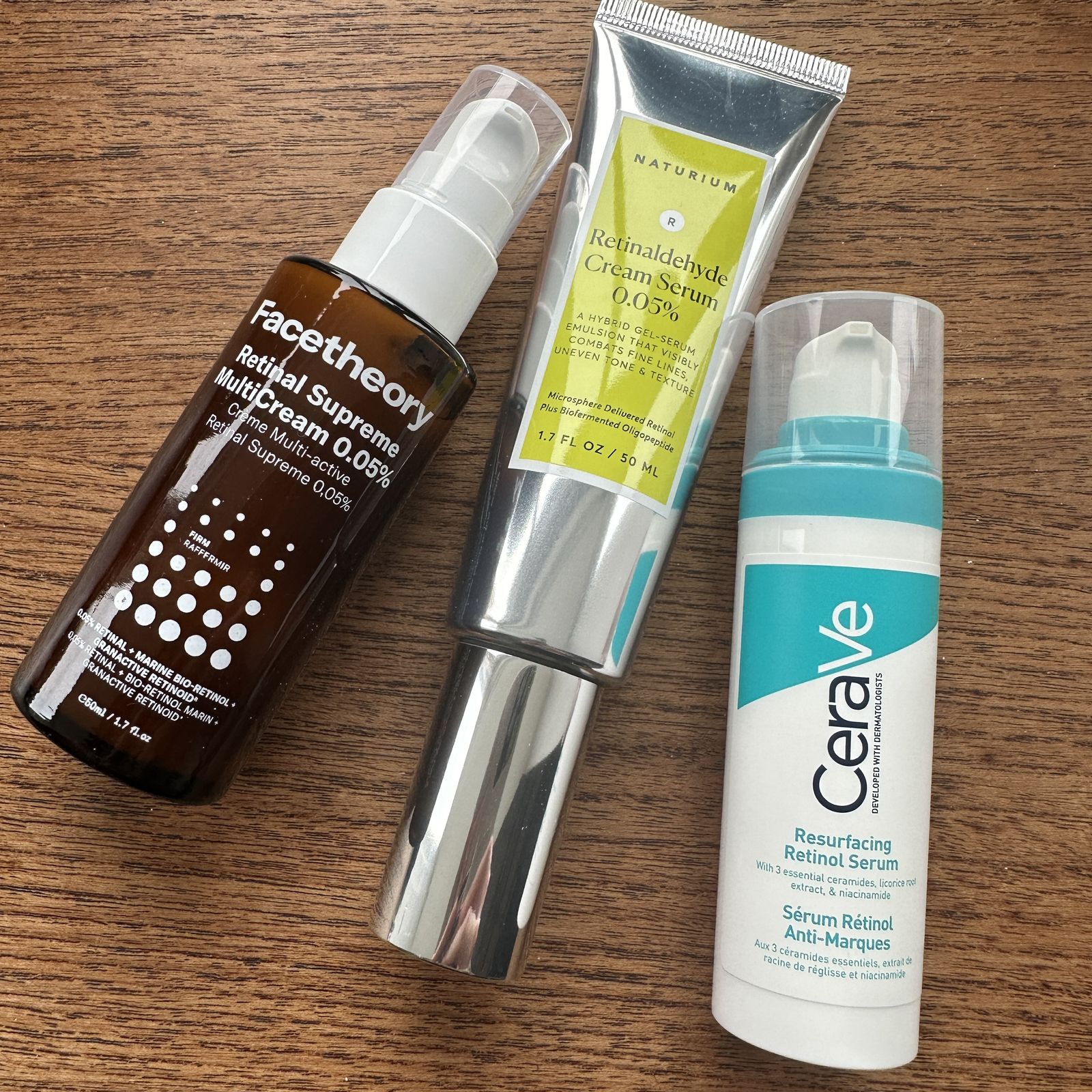
Achieving luminous, youthful skin does not require expensive luxury treatments. Over-the-counter retinol creams priced under $20 effectively accelerate cellular turnover, smooth rough texture, and boost natural radiance. By combining stabilized retinoids with hydrating and barrier-supporting ingredients like niacinamide, squalane, and ceramides, budget-friendly formulations deliver visible skin-brightening results while maintaining skin barrier health.
How Retinol Accelerates Skin Turnover for a Radiant Glow
Retinol, a derivative of Vitamin A, is one of the most thoroughly researched topicals in modern dermatology. Its primary mechanism involves penetrating the epidermis and undergoing enzymatic conversion into retinoic acid. Once converted, retinoic acid binds to specific nuclear receptors inside skin cells, signalling them to increase proliferation and normalize differentiation. This process dramatically speeds up the skin's natural desquamation cycle—the process by which dead epidermal cells are shed and replaced by fresh cells from the basal layer.
Retinyl Palmitate ➔ Retinol ➔ Retinaldehyde ➔ Retinoic Acid (Active Form)
In mature or sun-damaged skin, cellular turnover slows significantly, leading to an accumulation of dull, hyperpigmented cells on the stratum corneum. By accelerating turnover, retinol uncovers healthy, newly formed cells beneath, yielding an immediate enhancement in light reflection across the skin’s surface. This light reflection is what dermatologists and skincare formulators refer to as a natural "glow."
Beyond surface exfoliation, retinol works deeper within the dermis to inhibit matrix metalloproteinases (enzymes that break down collagen) while simultaneously stimulating new collagen synthesis. Increased dermal collagen density provides structural support, plumping fine lines and tightening enlarged pores. According to research published in the Journal of Clinical and Aesthetic Dermatology, consistent application of topical retinoids over several weeks measurably improves epidermal thickness, smooths micro-relief, and evens out dyspigmentation, proving that low-cost formulations can deliver transformative structural benefits.
Essential Glow-Boosting Ingredients in Budget Formulations
While retinol acts as the core engine for skin renewal, budget-friendly products rely on complementary ingredients to maximize radiance and reduce irritation. When evaluating affordable retinol creams under $20, look for formulations that incorporate key supporting actives:
- Niacinamide (Vitamin B3): Niacinamide complements retinol by inhibiting melanosome transfer from melanocytes to keratinocytes, directly fading dark spots and hyperpigmentation. Additionally, it boosts endogenous ceramides, strengthening the skin barrier against retinol-induced redness.
- Squalane and Fatty Acids: Retinol can cause transepidermal water loss (TEWL) during early use. Plant-derived squalane mimics human sebum, sealing in moisture without clogging pores, resulting in a dewy, supple surface finish.
- Hyaluronic Acid and Glycerin: These humectants draw moisture into the stratum corneum. High moisture levels elevate skin translucency, creating an immediate plump glow that counters initial retinol flaking.
- Bakuchiol: A botanical antioxidant that mimics retinoid pathways. When paired in low concentrations with pure retinol, bakuchiol stabilizes the formula and enhances texture refinement without adding irritation.
- Ceramides: Lipids naturally found in the skin membrane. Budget creams containing ceramides prevent barrier breakdown, allowing sensitive skin types to tolerate regular retinoid application.
Comparing Top Affordable Retinol Formulations Under $20
Selecting the right product requires matching your skin type and tolerance level with the specific retinoid derivative and delivery system. The comparison table below highlights top-performing budget retinol products under $20 across key technical criteria.
| Brand & Product Name | Primary Active & Estimated Strength | Key Glow-Boosting Co-Ingredients | Best Suited Skin Type | Typical Price Point |
|---|---|---|---|---|
| CeraVe Resurfacing Retinol Serum | Encapsulated Retinol (~0.1%) | Niacinamide, Ceramides (1, 3, 6-II), Licorice Root | Post-acne prone, oily, sensitive | $17.99 – $19.99 |
| The Inkey List Retinol Serum | 1% Slow-Release Retinoid Complex (0.2% Retinol + 0.05% HPR) | Squalane, Glycerin, Hyaluronic Acid | Combination, early signs of aging | $12.99 – $14.99 |
| Good Molecules Gentle Retinol Cream | 0.1% Pure Retinol | 0.6% Bakuchiol, Centella Asiatica, Astaxanthin | Dry, sensitive, first-time retinol users | $8.00 – $10.00 |
| The Ordinary Granactive Retinoid 2% Emulsion | 2% Hydroxypinacolone Retinoate (HPR) complex | Solubilized Hydroxypinacolone Retinoate, Gum Arabic | Sensitive skin seeking low irritation | $10.50 – $12.50 |
| RoC Retinol Correxion Line Smoothing Night Cream (Travel/Standard) | Stabilized Pure Retinol | Glycolic Acid, Mineral Complex (Zinc, Copper) | Dull, textured, mature skin | $16.99 – $19.99 |
Deep Dive: Evaluating High-Value Budget Retinols
CeraVe Resurfacing Retinol Serum
Designed specifically for skin recovering from post-acne marks and surface texture issues, CeraVe’s formula features microencapsulated retinol. Microencapsulation slows down the delivery of the active ingredient, allowing it to penetrate deeply without overloading the surface epidermis. The addition of licorice root extract acts as a natural brightening agent, while niacinamide calms inflammation. Three essential ceramides safeguard the skin membrane, making this an excellent entry choice for sensitive or breakout-prone individuals.
The Inkey List Retinol Serum
The Inkey List utilizes a dual-action approach by blending pure retinol with Hydroxypinacolone Retinoate (HPR), an advanced retinoid ester that binds directly to retinoid receptors without requiring enzymatic conversion. Suspended in a lightweight squalane-enriched base, this serum delivers an immediate glossy sheen while working overnight to diminish uneven pigmentation. It absorbs quickly without leaving a heavy, greasy residue, making it ideal for layering beneath nighttime moisturizers.
Good Molecules Gentle Retinol Cream
Good Molecules offers an exceptionally low barrier to entry with a price tag well under ten dollars. Featuring a mild 0.1% concentration of pure retinol paired with 0.6% bakuchiol, this cream offers synergistic anti-aging benefits with minimal risk of peeling or redness. Soothing botanical additives like Centella asiatica and anti-inflammatory astaxanthin buffer the active ingredients, making it ideal for dry or reactive skin types establishing retinoid tolerance.
The Ordinary Granactive Retinoid 2% Emulsion
For individuals who experience severe retinization from traditional retinol, Granactive Retinoid offers a gentler alternative. Hydroxypinacolone Retinoate provides similar collagen-boosting and texture-smoothing performance as low-dose retinoic acid, but bypasses the irritation phase. The creamy, milky emulsion absorbs rapidly, hydrating the skin instantly while cultivating long-term skin clarity and smoothness.
How to Build an Effective Glow-Boosting Nighttime Routine
To achieve maximum radiance while preserving barrier function, integrate budget retinol into a structured evening skincare routine. Using retinol alongside incompatible ingredients, such as high-concentration alpha-hydroxy acids (AHAs) or benzoyl peroxide, can lead to severe barrier impairment and dullness.
[Step 1: Gentle Hydrating Cleanser] ➔ [Step 2: Pat Dry Completely] ➔ [Step 3: Pea-Sized Retinol Application] ➔ [Step 4: Barrier-Repairing Moisturizer]
Step-by-Step Nighttime Application Protocol
- Gentle Cleansing: Wash your face with a gentle, sulfate-free cleanser. Avoid physical scrubs or exfoliating washes on nights you use retinol.
- Complete Drying: Wait 5 to 10 minutes until your skin is completely dry. Applying retinoids to damp skin accelerates absorption speed, which significantly increases the potential for stinging and inflammation.
- Targeted Application: Dispense a pea-sized amount of your chosen under-$20 retinol cream for your entire face. Dot the product across your forehead, cheeks, and chin, then spread it evenly outward, avoiding the immediate eye contours and corners of the lips.
- The Sandwich Method (Optional for Sensitive Skin): If you experience dryness, apply a lightweight moisturizer first, wait for it to absorb, apply your retinol, and follow with a second thin layer of moisturizer. This cushions the active ingredient without destroying its efficacy.
- Moisturize and Seal: Finish with a ceramide- or lipid-dense nighttime moisturizer to lock in hydration and prevent nocturnal water loss.
Frequency and Progression Schedule
Building tolerance gradually prevents peeling and keeps skin looking radiant rather than inflamed:
- Weeks 1–2: Apply once every three nights.
- Weeks 3–4: Apply every other night if no flaking or irritation occurs.
- Week 5 onward: Increase to nightly use as tolerated by your skin barrier.
Managing Retinization, Purging, and Sun Safety
During the initial 2 to 6 weeks of starting an affordable retinol cream, you may experience "retinization"—a temporary period during which the skin adjusts to accelerated cellular turnover. Common signs include minor flaking, mild redness, and transient breakouts (often called purging).
Distinguishing Purging from Barrier Damage
Skin purging occurs when accelerated turnover brings pre-existing microcomedones (under-the-surface clogs) to the skin's surface faster. Purging typically manifests as small whiteheads or papules in areas where you normally break out and resolves within a few weeks. Conversely, true contact dermatitis or barrier damage presents as diffuse stinging, persistent burning when applying simple moisturizers, severe redness, and flaking across clear areas of skin. If barrier damage occurs, pause retinoid use for 7–10 days and focus exclusively on hydration and repair.
Non-Negotiable Morning Sun Protection
Retinol speeds up the shedding of the outermost, protective layer of dead skin cells, rendering fresh cells more susceptible to ultraviolet (UV) radiation. Using retinol without daytime sun protection neutralizes its skin-brightening benefits, as UV exposure triggers melanin production and breaks down newly synthesized collagen.
Daily application of a broad-spectrum sunscreen with SPF 30 or higher is required. For detailed guidance on UV protection mechanisms and dermatological safety guidelines, review the official recommendations provided by the American Academy of Dermatology.
Frequently Asked Questions
Can affordable retinol creams under $20 work as well as high-end brands?
Yes. Pure retinol and retinoid derivatives are affordable raw materials. Higher-priced luxury creams often charge for custom fragrances, elaborate packaging, and marketing campaigns rather than superior active ingredient efficacy. Budget-friendly brands use the same proven retinoid molecules, stabilized in effective delivery bases.
How long does it take to see a glow from budget retinol creams?
Immediate hydration-induced glow can appear within 1 to 2 weeks due to supporting humectants like glycerin and hyaluronic acid. However, true structural clarity, smoothing of skin texture, and collagen-driven glow require consistent use for 8 to 12 weeks, matching the timeframe of natural cellular turnover cycles.
Can I use Vitamin C and affordable retinol together for maximum radiance?
It is best not to layer Vitamin C (L-ascorbic acid) and retinol directly on top of each other at the same time. L-ascorbic acid requires a low pH to absorb, which can exacerbate retinol-induced irritation. Instead, apply Vitamin C in the morning beneath sunscreen to defend against antioxidants, and use your retinol cream exclusively at night.
Should I use retinol if I have extremely dry or sensitive skin?
Yes, provided you choose a formula specifically built for sensitive skin—such as low-concentration 0.1% retinol paired with soothing ingredients like bakuchiol, squalane, or ceramides. Utilizing the "sandwich method" of applying moisturizer before and after retinol will also prevent irritation while allowing your skin to build tolerance.
Is bakuchiol better than retinol for achieving glowing skin on a budget?
Bakuchiol is a gentler, plant-derived antioxidant alternative that offers similar texture-smoothing benefits without the typical retinization period. However, pure retinol has far more extensive clinical data supporting its long-term collagen-stimulating power. Products that blend small amounts of both offer a balanced approach for sensitive skin types.
Practical Recommendations for Choosing Your Retinol Formula
To get the best value and performance from affordable retinols under $20, tailor your purchase to your specific skin needs:
- For Acne-Prone or Oily Skin: Select CeraVe Resurfacing Retinol Serum. Its encapsulated delivery system and niacinamide content clarify pores and clear post-acne hyperpigmentation without clogging pores.
- For Beginner or Sensitive Skin Types: Start with Good Molecules Gentle Retinol Cream or The Ordinary Granactive Retinoid 2% Emulsion. Both options minimize barrier disruption while building skin tolerance.
- For Dehydrated or Combination Skin: Choose The Inkey List Retinol Serum. Its squalane-rich base provides immediate hydration and a dewy finish while the slow-release complex smooths fine lines overnight.
Commit to one formulation for at least 90 days, apply a broad-spectrum SPF 30+ every morning, and prioritize barrier support to maintain a healthy, long-lasting glow.