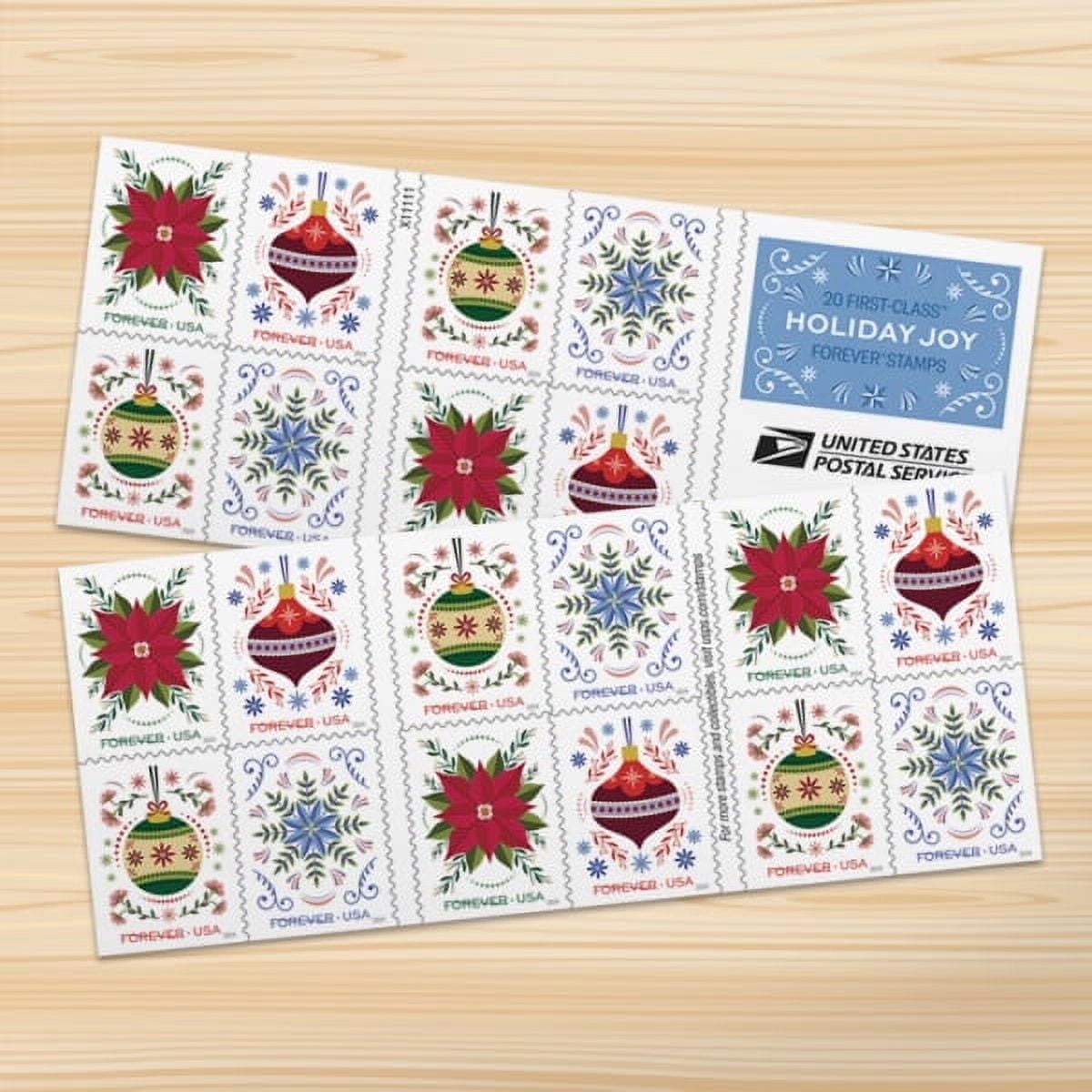
Sending holiday greetings shouldn't drain your bank account, and understanding postal rules, weight limits, and seasonal rate structures helps you secure affordable postage for Christmas cards and save on holiday shipping. By aligning your greeting card choices with standard United States Postal Service guidelines, utilizing non-machinable surcharges correctly, and preparing your mailpieces before peak season deadlines, you can significantly reduce mailing expenses without sacrificing the personal touch of traditional holiday correspondence.
Holiday greeting cards are a cherished seasonal tradition, but sending hundreds of envelopes can accumulate unexpected postal costs if items fail to meet automation dimensions or exceed standard weight allowances. Securing affordable postage for Christmas cards and minimizing seasonal shipping expenditures requires careful planning regarding envelope size, thickness, weight, and mailing timelines. Navigating postal regulations ensures your cards reach family and friends efficiently while keeping your seasonal budget intact.
Understanding Postal Classifications for Holiday Greeting Cards
Choosing the correct mail class is the single most effective way to control mailing expenditures during the winter holidays. For the vast majority of standard holiday greetings sent within the United States, First-Class Mail is the appropriate and most cost-effective category. First-Class Mail provides reliable delivery speeds while offering the lowest base rates for letters and lightweight envelopes.
Within First-Class Mail, postcards and standard letters share specific physical parameters. A standard rectangular envelope qualifies for the standard letter rate if it meets strict dimensional criteria defined by postal authorities. Exceeding these thresholds shifts your mailpiece into larger classifications, such as flats or packages, which incur significantly higher postage rates.
Understanding the distinction between automated sorting and manual handling also impacts your bottom line. The Postal Service relies on high-speed automated equipment to process millions of letters daily. Mailpieces that conform to rigid flexibility, uniform thickness, and rectangular geometry move seamlessly through these machines, qualifying for the base letter rate. Conversely, stiff, square, or lumpy envelopes disrupt automated sorting and require manual intervention, triggering additional surcharges.
Designing and Selecting Cost-Effective Christmas Cards
The physical design of your Christmas card directly dictates your postal expenses. Selecting the right paper stock, envelope dimensions, and decorative elements prevents unexpected postage penalties at the retail counter.
Envelope Dimensions and Weight Limits
To qualify for the lowest possible First-Class Mail letter rate, your Christmas card envelope must adhere to strict size and weight parameters. Review the following limits to ensure your holiday mail qualifies for standard pricing:
- Minimum Dimensions: 3.5 inches high, 5.0 inches long, and 0.007 inches thick.
- Maximum Dimensions: 6.125 inches high, 11.5 inches long, and 0.25 inches thick.
- Maximum Weight: 1 ounce for standard 1-ounce letter postage. Additional ounces require extra ounce stamps.
- Aspect Ratio: Length divided by height must fall between 1.3 and 2.5 to ensure proper automated handling.
Avoiding Non-Machinable Surcharges
Many holiday cards feature festive embellishments that make them visually appealing but costly to mail. Envelopes that are too rigid, square, or irregularly shaped cannot pass through automated sorting equipment and incur a non-machinable surcharge.
Square greeting cards are a primary culprit. Because automated machines require rectangular items to orient and cancel postage properly, square envelopes demand manual processing. Furthermore, cards adorned with thick ribbons, dried flora, wax seals, or bulky metal charms create uneven thickness across the mailpiece. If an envelope varies in thickness by more than a quarter-inch, postal equipment rejects it, resulting in a surcharge per piece that quickly inflates the total cost of a large holiday mailing list.
Utilizing Forever Stamps and Managing Rate Changes
Purchasing postage strategically shields your holiday budget from unexpected price adjustments. The introduction of the Forever Stamp revolutionized how households manage correspondence expenses by locking in the purchase price regardless of future rate increases.
| Mailpiece Characteristic | Standard First-Class Letter | Non-Machinable / Oversized Envelope |
|---|---|---|
| Maximum Weight | 1.0 oz (additional ounces cost extra) | Up to 2.0 oz or more (higher base rate) |
| Shape & Flexibility | Rectangular, uniform thickness | Square, rigid, or clasps/strings |
| Processing Method | Automated sorting equipment | Manual sorting required |
| Cost Implication | Base Forever Stamp rate | Base rate plus non-machinable surcharge |
Forever Stamps remain valid for standard 1-ounce First-Class letters even after postal rates rise. Purchasing these stamps well in advance of the holiday season protects you from rate hikes implemented throughout the year. If you plan your card-sending list months ahead, stocking up on current Forever Stamps yields modest, reliable savings.
However, keep a close eye on multi-ounce envelopes. A standard card paired with multiple photo inserts, heavy cardstock, and a decorative enclosure easily surpasses the 1-ounce limit. Exceeding this threshold requires an additional ounce stamp for each extra ounce or fraction thereof. Weighing a fully assembled sample envelope on a digital kitchen scale before purchasing postage prevents returned mail and postage-due delays for your recipients.
Alternative Savings Strategies for Large Holiday Mailing Lists
Managing an extensive holiday greeting list demands organizational efficiency and bulk consideration. Streamlining your process reduces waste, prevents duplicate mailings, and uncovers hidden opportunities for cost reduction.
Consolidating Household and Family Mailings
Sending individual cards to every member of an extended family living under one roof multiplies your postage costs unnecessarily. Consolidating greetings into a single, well-addressed envelope reduces your total volume of mailpieces. A single 2-ounce envelope carrying multiple family-focused updates and a group photo card costs less to mail than three separate 1-ounce cards sent to the same residential address.
Digitizing Address Lists and Using Return Addressing
Wasted postage resulting from outdated addresses or undeliverable mail represents a silent drain on holiday budgets. Returned cards not only waste the cost of the stamp and the card itself but also require re-mailing with fresh postage. Maintaining an updated digital address book and verifying contact details before printing envelopes eliminates wasted materials. Additionally, always print a clear return address; while undeliverable First-Class letters are generally returned to sender without extra charge, a clean layout prevents sorting errors that delay transit.
Timing Your Holiday Mailings to Avoid Expedited Fees
Strategic timing ensures your holiday cards arrive on schedule via economical First-Class Mail, eliminating any temptation to pay for costly expedited shipping services.
Postal authorities publish recommended domestic and international mail send-by dates annually to manage peak volume without express upgrades. Mailing domestic cards at least two weeks before Christmas allows sufficient transit time through standard processing networks.
Rushing to the post office at the last minute often forces senders to utilize Priority Mail or Priority Mail Express services, which carry significantly higher fees designed for packages rather than greeting cards. By assembling and mailing your cards during early-to-mid December, you secure standard, budget-friendly rates and eliminate the stress of seasonal delivery bottlenecks.
Frequently Asked Questions About Holiday Card Postage
How much does it cost to mail a standard Christmas card?
A standard Christmas card that weighs 1 ounce or less, measures within standard letter dimensions, and is rectangular requires a single First-Class Mail Forever Stamp. If the card exceeds 1 ounce, additional ounce stamps are required.
Why do square Christmas cards cost more to mail?
Square envelopes cannot be processed through high-speed automated sorting machines because their symmetrical shape confuses the equipment's optical scanners and mechanical rollers. This necessitates manual sorting, which incurs an additional non-machinable surcharge.
Can I use vintage stamps on my holiday cards?
Yes, you can use valid unused vintage postage stamps on holiday cards, provided the combined face value equals or exceeds the current applicable postage rate. If the total face value falls short of the current rate, you must add supplemental modern postage to cover the difference.
How can I tell if my Christmas card requires extra postage?
The most reliable method is to place a fully assembled, sealed envelope containing the card, inserts, and photos onto a digital postal scale. If the weight exceeds 1 ounce, or if the envelope is rigid, square, or more than a quarter-inch thick, it requires additional postage or surcharges.
Are there bulk rate options for personal holiday cards?
Bulk mailing rates, known commercially as Marketing Mail, require a minimum of 200 identical pieces (or 50 pounds) and involve strict presorting requirements, barcode standards, and annual permit fees. These programs are designed for businesses and non-profits rather than personal holiday greetings.
Strategic Next Actions for Your Holiday Mail
To execute a cost-effective holiday mailing campaign, begin by auditing your recipient list to remove outdated or duplicate entries. Weigh a prototype of your completed card, including all inserts and the outer envelope, on a precise scale to confirm whether it stays under the 1-ounce threshold. Purchase your Forever Stamps early to lock in current rates, and schedule an afternoon in early December to assemble, seal, and mail your greetings before peak seasonal surcharges or expedited shipping needs arise.