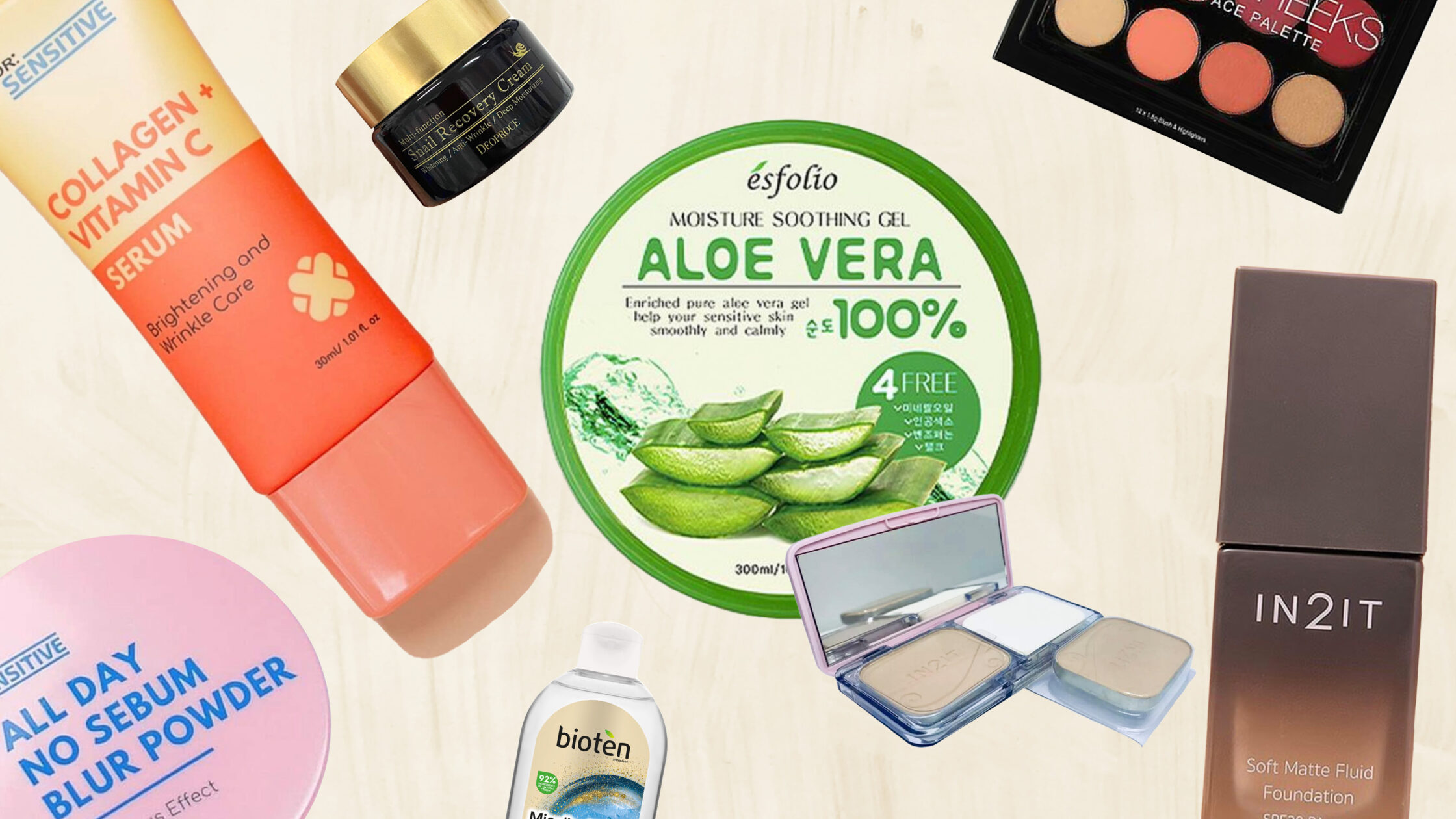
Affordable beauty is the practice of maintaining an effective, high-quality personal care routine by prioritizing active ingredients and formula efficacy over luxury branding and prestige packaging. By 2026, advancements in formulation technology and transparent sourcing have bridged the gap between drugstore prices and high-end performance, allowing consumers to achieve professional results through strategic product selection.
Redefining Value in the Modern Beauty Landscape
The beauty industry has undergone a radical transformation over the last decade. Historically, "affordable" was often synonymous with "lower quality" or "filler-heavy" products. However, as we navigate 2026, the democratization of skincare science has shifted the focus from the price tag to the INCI (International Nomenclature Cosmetic Ingredient) list. The modern consumer no longer equates a high price with better results; instead, value is defined by the concentration of bio-available actives and the stability of the formulation.
Affordable beauty is not merely about finding the cheapest option on the shelf. It is a calculated approach to personal care that involves understanding which products deserve a larger portion of the budget and which can be swapped for budget-friendly alternatives without sacrificing health or aesthetics. For instance, while a specialized treatment like a high-strength growth factor serum might warrant a higher price point due to complex manufacturing requirements, basic essentials like cleansers, moisturizers, and sunscreens are now produced with exceptional quality at very low price points.
The rise of "dupe culture" has also matured. Rather than just copying colors, budget brands in 2026 utilize identical clinical-grade ingredients—such as niacinamide, hyaluronic acid, and stabilized vitamin C—that were once protected by exclusive patents. This shift allows for a sophisticated routine that addresses aging, acne, and hydration for a fraction of the cost previously expected.
Ingredient-First Skincare: Paying for Science, Not Packaging
When building an affordable skincare routine, the most effective strategy is to focus on "hero ingredients." In 2026, the beauty market is saturated with brands that strip away the fluff—fragrances, elaborate glass jars, and celebrity endorsements—to deliver raw, effective science. Understanding these ingredients allows you to navigate the aisles of a local pharmacy with the same precision as a dermatologist.
The Power of Single-Active Serums
Single-active serums have revolutionized budget skincare. By purchasing a dedicated Vitamin C serum or a Retinol emulsion, you are often getting the same concentration of the active ingredient found in luxury "all-in-one" creams. The benefit here is two-fold: you save money, and you can customize your routine to your skin’s specific needs on any given day.
For example, a high-quality 10% Niacinamide serum can be found for under $10 in 2026, providing the same pore-refining and barrier-strengthening benefits as luxury counterparts priced at $60 or more. The difference is primarily in the "sensorial experience"—the texture, the scent, and the weight of the bottle—not the physiological impact on the skin cells.
Essential Basics vs. Performance Treatments
To maximize your beauty budget, categorize your products into "Basics" and "Treatments."
- Basics: Cleansers and moisturizers stay on the skin for a short time or serve the simple purpose of hydration and barrier protection. There is rarely a biological reason to spend heavily here. A pH-balanced, fragrance-free cleanser from a reputable drugstore brand is often safer for the skin barrier than a heavily perfumed luxury balm.
- Performance Treatments: These include retinoids, AHAs/BHAs, and antioxidants. While affordable options abound, this is where you should look for "clinical" drugstore brands that provide stability testing. Vitamin C, in particular, is notoriously unstable; choosing a budget brand that uses opaque, airless pumps is more important than the brand name itself.
High-Performance Makeup: Where Budget Meets Artistry
The gap between professional makeup artistry and consumer products has never been smaller. In 2026, the "prestige" feel of makeup is largely a result of sophisticated pigment milling and polymer technology—processes that have become standard across the industry.
Achieving the "High-End" Complexion
The most significant expense in makeup is often foundation. However, current drugstore formulations utilize the same light-diffusing particles and long-wear resins found in department store brands. To make an affordable foundation look like a $100 product, the secret lies in the tools and the preparation. Using a damp microfiber sponge and a well-hydrated base can make a $12 foundation indistinguishable from a luxury one.
The Economics of Color Cosmetics
Items like mascara, eyeliner, and lip gloss have a short shelf life due to hygiene requirements (typically 3 to 6 months). Spending $30 on a mascara that must be thrown away in 90 days is mathematically inefficient when $8 alternatives provide identical volume and length. In 2026, the "tubing mascara" technology, which creates water-resistant polymers around each lash, is widely available in the budget sector, offering smudge-proof performance that rivals any luxury brand.
Comparison of Ingredient Profiles: Budget vs. Luxury
The following table illustrates the typical composition of common beauty products, comparing where the money goes in a luxury versus an affordable context.
| Category | Typical Budget Profile (2026) | Typical Luxury Profile (2026) | Performance Variance |
|---|---|---|---|
| Hyaluronic Acid | Pure HA, water-based, minimal preservatives. Simple plastic packaging. | Multi-weight HA, botanical extracts, custom fragrance. Heavy glass/magnetic cap. | Minimal. The skin recognizes the HA molecule regardless of the bottle. |
| Retinol Serum | 0.2% - 1% Retinol in a stable, opaque tube. | Retinol plus proprietary peptides and "rare" oils. Ornate packaging. | Moderate. Luxury may offer less irritation due to "buffer" ingredients. |
| Daily Cleanser | Glycerin, Ceramides, Mild Surfactants. Large pump bottle. | Essential oils, exotic clays, "scented experience." Small, artisanal jar. | Low. Budget cleansers are often better for sensitive skin as they lack irritants. |
| Mascara | Standard wax/polymer base. Functional nylon brush. | Similar base, but includes "lash-conditioning" serums and weighted wand. | Negligible. Mascara performance is 90% the brush design and 10% the formula. |
| Sunscreen | Modern UV filters (Tinosorb/Mexoryl). Focus on protection. | UV filters plus anti-aging antioxidants and "glow" primers. | Varies. Luxury often has a more "elegant" finish under makeup. |
The Role of Multi-Use Products in Cost Reduction
Efficiency is a cornerstone of affordable beauty. A multi-use product reduces the number of items you need to purchase, decreasing waste and overall expenditure. By 2026, "hybrid" products have become a staple for budget-conscious consumers.
- Lip and Cheek Tints: A high-quality cream blush often uses the same pigment technology as a hydrating lipstick. Using one product for both ensures a monochromatic, professional look while halving the cost.
- Facial Oils as Hair Treatments: Pure Squalane or Jojoba oil is sold in the skincare aisle for a low price. These same oils are the primary ingredients in expensive hair serums. Applying a few drops to damp hair ends provides the same shine and frizz control.
- Conditioner as Shaving Cream: Rather than buying a dedicated shaving foam, a budget-friendly hair conditioner provides superior slip and hydration for the skin, preventing razor burn more effectively than soap-based foams.
Smart Shopping Strategies: Beyond the Sales
To truly master affordable beauty in 2026, one must look beyond standard seasonal sales. The landscape now includes digital tools and subscription models that reward consistency and data-driven shopping.
Subscription Savings and Bulk Purchasing
Many dermatological drugstore brands offer "subscribe and save" models. For products you use daily, such as SPF or cleanser, these subscriptions can reduce the price by 15-20%. Additionally, the move toward "refill pouches" in 2026 has significantly lowered costs. Buying a large 500ml refill pouch of your favorite body wash or shampoo and refilling a permanent glass dispenser is both an environmental and financial win.
The "Sample First" Rule
Even affordable products are a waste of money if they cause a reaction or don't suit your skin tone. In 2026, many retailers offer low-cost sample kits or use AI-driven shade matching to reduce the "return rate" and consumer loss. Always utilize these tools to avoid the "graveyard of half-used bottles" that often plagues budget shoppers.
Transparency and Safety Standards
Affordability should never come at the cost of safety. In the United States, the Food and Drug Administration (FDA) regulates cosmetic safety, and by 2026, stricter labeling requirements ensure that budget brands are held to high standards of ingredient disclosure. When shopping for affordable beauty, look for brands that voluntarily participate in third-party testing or carry certifications like "Leaping Bunny" for cruelty-free practices.
Sustainable and Ethical Affordable Beauty
A common misconception is that affordable beauty is inherently "fast beauty" or environmentally damaging. On the contrary, the 2026 market shows that simplicity is often more sustainable. Budget brands that focus on single-active ingredients frequently use simpler, more recyclable packaging than luxury brands that rely on multi-material, non-recyclable "prestige" bottles.
Furthermore, many affordable brands have taken the lead in ethical sourcing. Because they operate on high volumes and lower margins, they often have more direct oversight of their supply chains to ensure consistency. Supporting "B-Corp" certified budget brands allows you to maintain an ethical routine without the "luxury tax" often applied to "green" beauty products.
Frequently Asked Questions
Are affordable beauty products as safe as expensive ones?
Yes, affordable beauty products sold through reputable retailers must meet the same safety and labeling regulations as luxury brands. In many cases, affordable brands are owned by large parent companies (like L'Oréal or Estée Lauder) and benefit from the same rigorous laboratory testing and safety protocols as their high-end sister brands. The main difference is usually in the concentration of fragrance or the complexity of the delivery system, not the safety of the ingredients.
Why is there such a large price difference if the ingredients are similar?
The price of a beauty product is influenced by several factors beyond the formula: marketing budgets, celebrity endorsements, packaging materials (glass vs. plastic), and the retail environment. Luxury brands also invest heavily in "R&D" (Research and Development) to create new, proprietary molecules. Once those patents expire or the technology becomes common, affordable brands can adopt the science without the initial development costs, leading to lower prices for the consumer.
Can I find a good "dupe" for any luxury product?
While many products have excellent affordable alternatives, some are harder to replicate. Fragrances, for instance, are complex to "dupe" because they rely on specific essential oil blends and aging processes. Similarly, high-end sunscreens often have a "cosmetic elegance" (lack of white cast and a silkier feel) that can be difficult to find in the most basic budget options, though the gap is closing rapidly in 2026.
How do I know which ingredients to look for on a budget?
Focus on proven, "gold-standard" ingredients. For anti-aging, look for Retinol or Bakuchiol. For hydration, seek out Hyaluronic Acid and Glycerin. For brightening, look for Vitamin C (L-ascorbic acid) or Niacinamide. If these are listed in the first five to ten ingredients on the label, the product is likely to be effective, regardless of the price.
Is expensive mascara ever worth it?
Rarely. Mascara is one of the most replaced items in a beauty kit due to its high risk of bacterial contamination. Because the formula must be replaced every three months, the price-per-use of a luxury mascara is exceptionally high. Most beauty experts and dermatologists agree that drugstore mascaras perform just as well as, and sometimes better than, their luxury counterparts because the technology is so well-established.
Implement a "High-Low" Routine Strategy
To optimize your beauty results and your bank account, adopt a "High-Low" strategy. Invest your money in "leave-on" treatments that contain complex active ingredients, such as a high-quality stabilized Retinol or a specialized antioxidant serum. For everything else—cleansers, moisturizers, body care, and most makeup—stick to high-performing affordable brands.
By 2026, the savvy consumer knows that the secret to a radiant complexion isn't found in a $300 jar of cream, but in the consistency of a well-researched, ingredient-focused routine. Start by auditing your current products, identifying the "fillers," and replacing them with high-performance budget alternatives. Your next step should be to research the active concentrations of your most expensive products and see if a reputable affordable brand offers a comparable clinical version.