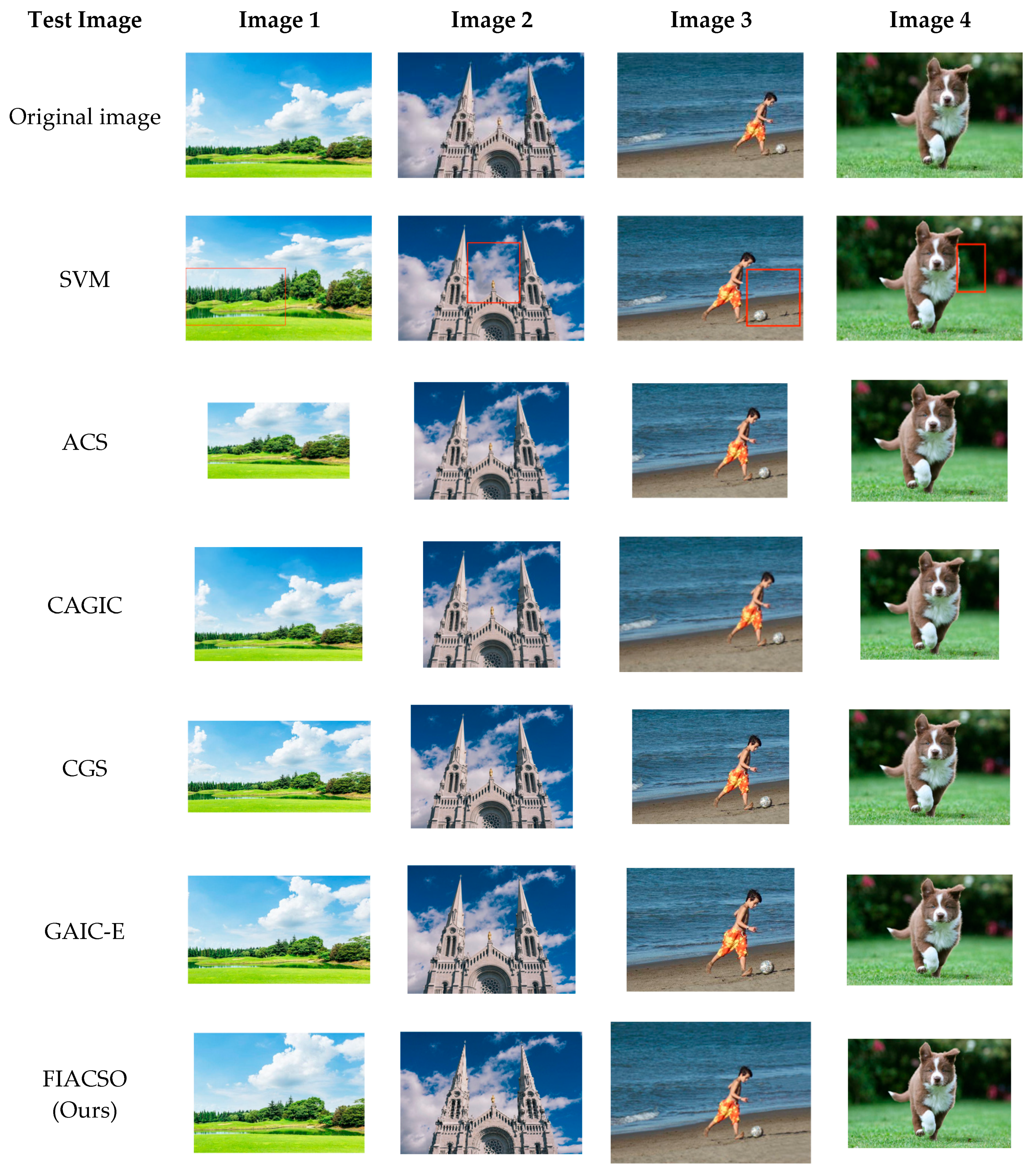
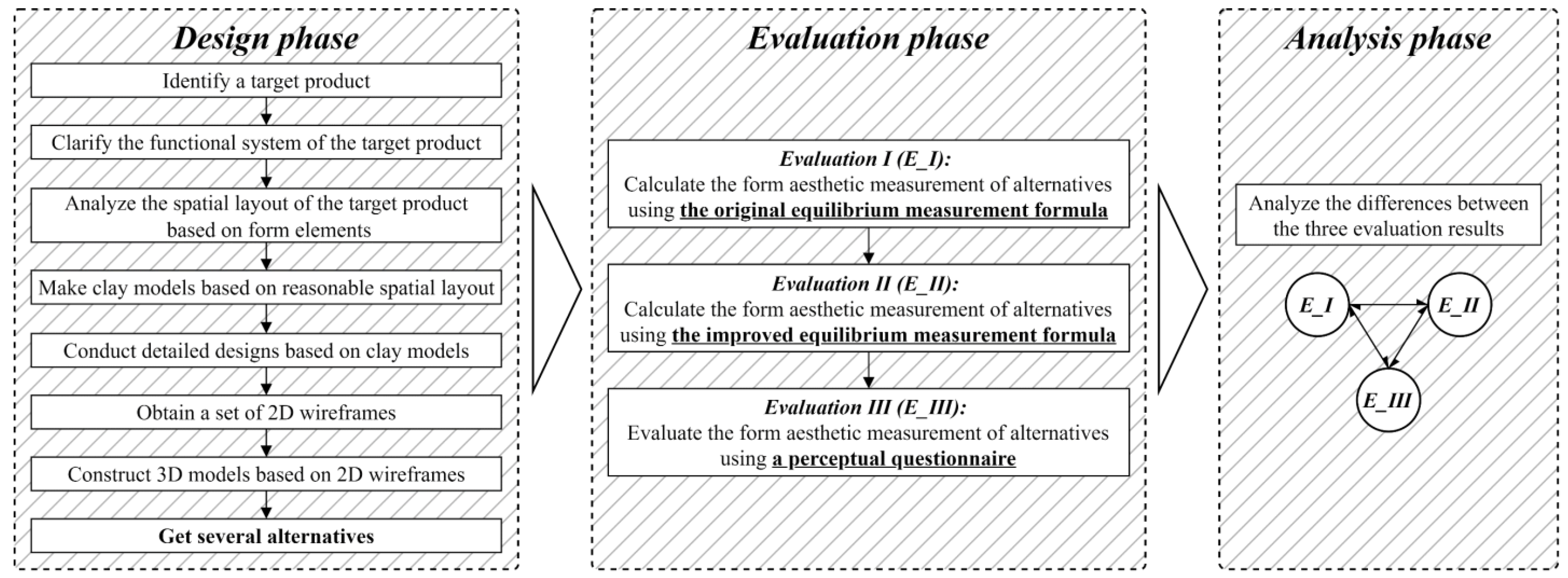
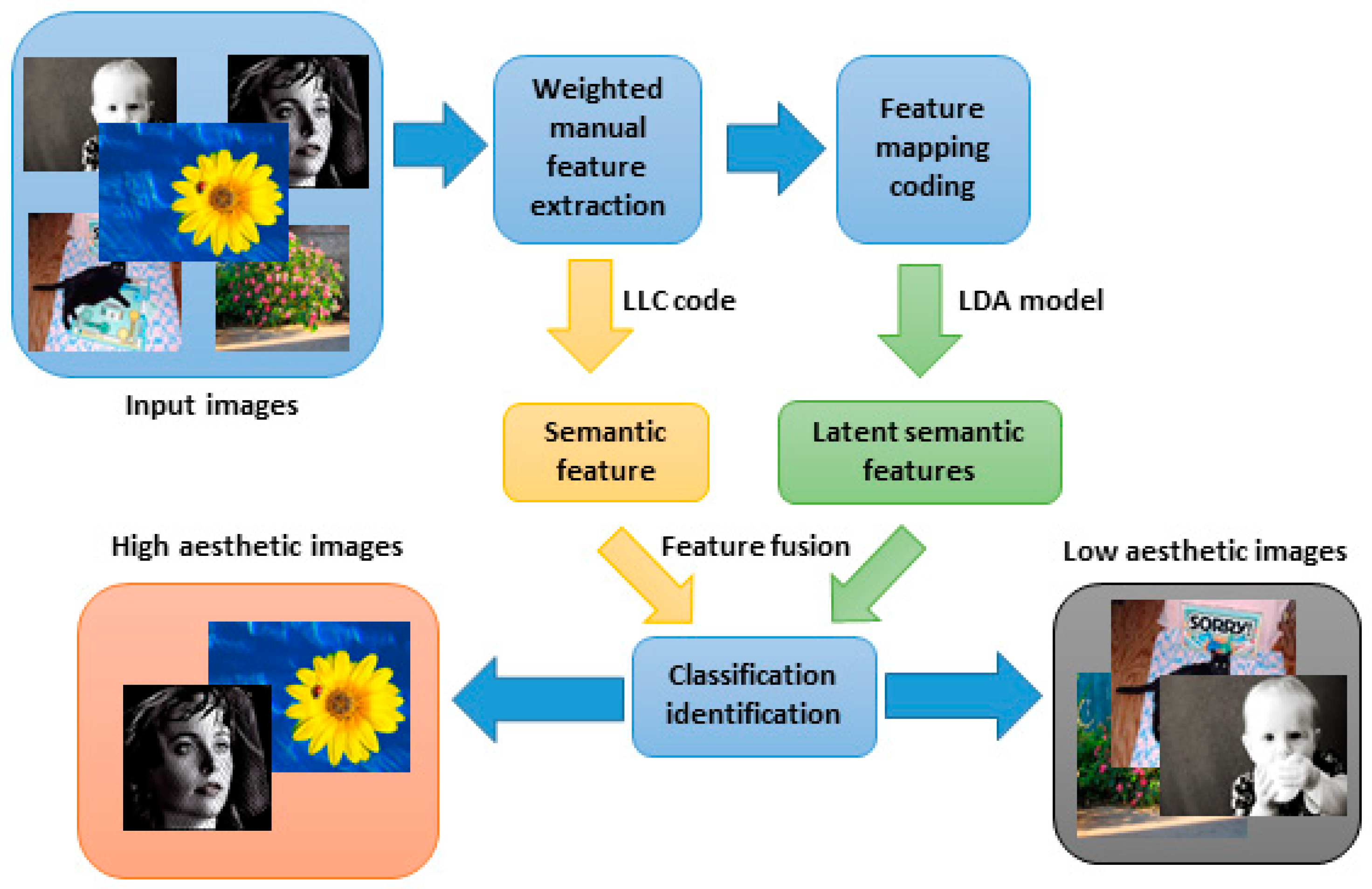
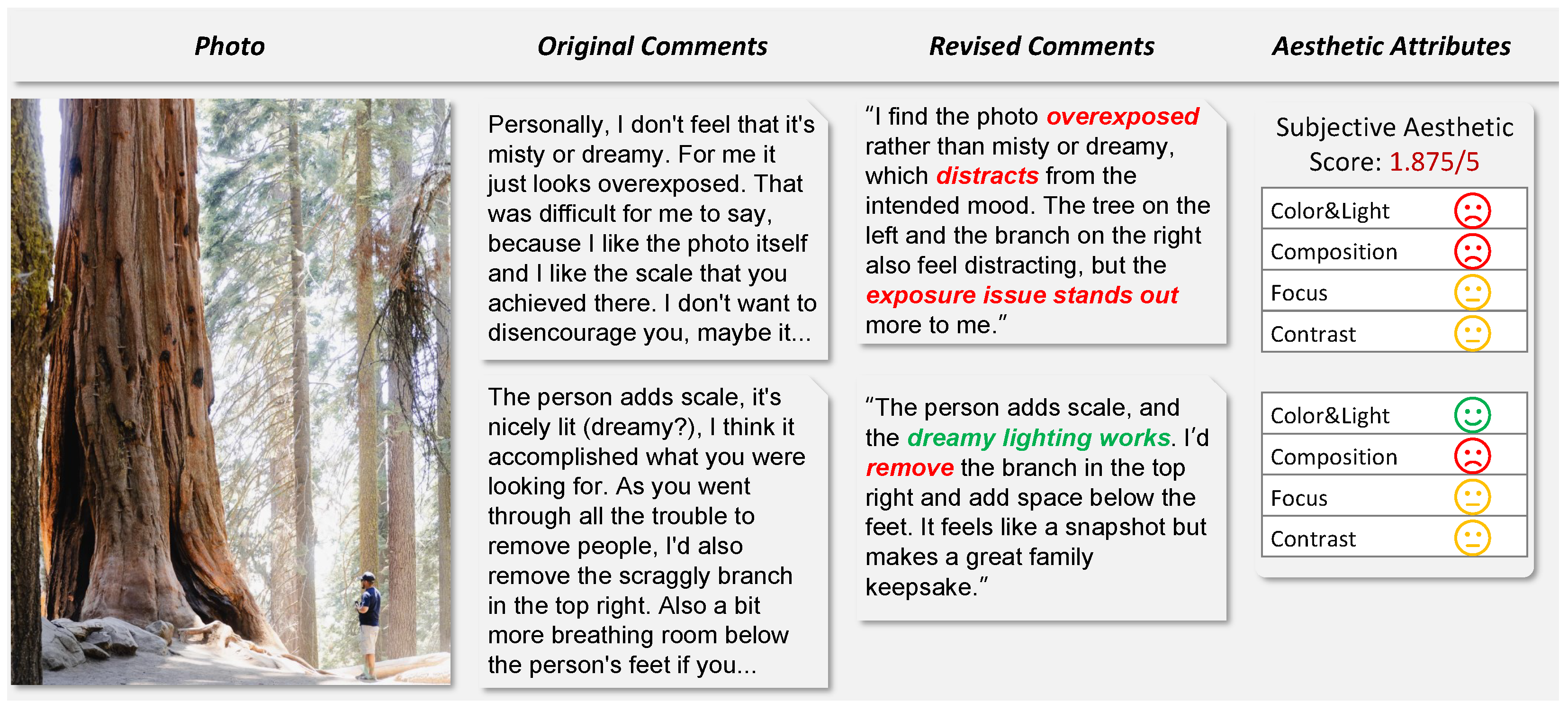
Aesthetic evaluation is the systematic process of assessing the visual, sensory, and emotional appeal of an object, environment, or digital interface through established criteria such as harmony, proportion, and technical quality. By bridging the gap between subjective human perception and objective metrics, it allows designers, clinicians, and engineers to quantify "beauty" for practical application in art, medicine, and artificial intelligence.
The Dual Nature of Aesthetic Judgment: Subjective vs. Objective
For centuries, the concept of aesthetic evaluation was confined to the realm of philosophy, often summarized by the adage that beauty exists solely in the eye of the beholder. However, as we navigate 2026, the field has matured into a multi-disciplinary science that balances individual preference with universal patterns of perception. At its core, aesthetic evaluation seeks to understand why certain stimuli elicit positive emotional responses while others do not.
Philosophically, this evaluation is rooted in the tension between subjectivism—the idea that value is created by the observer—and objectivism, which suggests that beauty is an inherent property of the object itself. In a professional context, evaluators often lean toward "aesthetic formalism." This approach focuses on the arrangement of elements—line, color, shape, and texture—and how they adhere to structural principles like the Golden Ratio or the Rule of Thirds.
In the modern landscape, objective evaluation is no longer just a theoretical exercise. It is a functional necessity in industries where visual impact directly correlates with success. For instance, in architectural design, an aesthetic evaluation determines how a structure integrates with its surroundings, while in the automotive industry, it dictates the "shelf appeal" of a vehicle's silhouette. By standardizing the vocabulary of beauty, professionals can move beyond personal "likes" and toward a data-driven understanding of visual excellence.
Computational Aesthetics: The Rise of AI-Driven Assessment
One of the most significant developments in 2026 is the integration of Computational Aesthetics. This field utilizes machine learning algorithms and neural networks to perform automated aesthetic evaluations of massive datasets. Unlike human evaluators, who may suffer from fatigue or inconsistent moods, AI models offer a high-speed, repeatable method for scoring images, videos, and graphic designs.
These systems, such as advanced iterations of Neural Image Assessment (NIMA), are trained on millions of data points curated by professional photographers and artists. They do not merely look for technical perfection—such as sharpness or correct exposure—but also attempt to quantify "artistic intent." They analyze pixel distribution, color histograms, and semantic content to predict how a human audience would likely rate the work.
This technology has practical applications across several sectors:
- Content Curation: Social media platforms and stock photography agencies use AI aesthetic evaluation to prioritize high-quality visual content in search results.
- Real-time Design Feedback: Modern creative software now includes "aesthetic assistants" that provide live feedback on layout balance and color harmony as a designer works.
- Dataset Cleaning: For researchers training new generative models, aesthetic evaluation filters out low-quality or visually "noisy" data, ensuring the output of the resulting AI is visually pleasing.
Despite these advancements, computational aesthetics faces the "black box" challenge. While an algorithm can assign a high score to an image, explaining why that image is aesthetically superior in a way that aligns with human emotion remains a complex frontier in computer science and human-computer interaction.
Clinical Aesthetic Evaluation in Medicine and Surgery
In the fields of plastic surgery, dermatology, and orthodontics, aesthetic evaluation is a rigorous clinical prerequisite. It is the process by which a practitioner assesses a patient’s current physical state against established anatomical ideals to plan interventions. In 2026, this has moved far beyond simple mirror assessments to include sophisticated 3D volumetric imaging and augmented reality (AR) overlays.
Practitioners utilize specific frameworks, such as cephalometric analysis or the "Divine Proportion," to identify asymmetries and imbalances. For example, a facial aesthetic evaluation might involve dividing the face into "horizontal thirds" (forehead to brow, brow to nose base, and nose base to chin) and "vertical fifths" (using the width of one eye as a standard unit).
The goal of clinical evaluation is not to create a "perfect" or "standardized" face, but to achieve facial harmony. This requires an understanding of how different features interact. A rhinoplasty, for instance, cannot be evaluated in isolation; it must be assessed in relation to the projection of the chin and the height of the forehead. In 2026, patient-centric evaluation also includes a psychological component, ensuring that the desired aesthetic changes align with the patient’s self-perception and cultural identity. Organizations like the American Society of Plastic Surgeons (ASPS) emphasize that a successful evaluation must balance surgical feasibility with the patient's long-term well-being.
Industrial Design and the Aesthetic-Usability Effect
In product development, aesthetic evaluation is inextricably linked to functionality. This relationship is best described by the Aesthetic-Usability Effect, a phenomenon where users perceive more attractive products as being easier to use than their less attractive counterparts. Consequently, an aesthetic evaluation in this niche is as much about user experience (UX) as it is about visual flair.
When evaluators analyze a physical product—be it a smartphone or a kitchen appliance—they look for "affordance" (visual cues that suggest how an object should be used) and "visceral design." Visceral design refers to the immediate, pre-conscious reaction a user has to a product's form. A sleek, minimalist aesthetic may convey premium quality and simplicity, while a rugged, textured aesthetic might convey durability.
The evaluation process here typically involves:
- Form Analysis: Examining the silhouette, curvature, and proportions.
- Material, Color, and Finish (MCF): Assessing how textures and colors interact with light and touch.
- Brand Alignment: Ensuring the product’s aesthetic language matches the established identity of the manufacturer.
By conducting these evaluations early in the prototyping phase, companies can mitigate the risk of a product being rejected by the market. A failure in aesthetic evaluation often leads to a "clunky" perception, regardless of how advanced the internal technology might be.
Comparative Metrics in Aesthetic Evaluation
To better understand how aesthetic evaluation differs across disciplines, the following table outlines the primary criteria and tools used in various professional sectors as of 2026.
| Domain | Primary Evaluation Criteria | Key Tools & Technologies | Primary Goal |
|---|---|---|---|
| Fine Arts | Originality, composition, emotional resonance, technique. | Peer review, historical context, visual analysis. | Cultural and expressive value. |
| Digital UX/UI | Visual hierarchy, clarity, consistency, whitespace. | Heatmaps, eye-tracking, accessibility audits. | Ease of use and user retention. |
| Clinical/Medical | Symmetry, proportion, anatomical harmony, skin quality. | 3D scanning, AR simulations, morphometric software. | Patient satisfaction and natural-looking results. |
| Computational AI | Sharpness, contrast, rule-of-thirds, color balance. | Convolutional Neural Networks (CNNs), scoring algorithms. | Automated high-speed content filtering. |
| Architecture | Scale, contextuality, material honesty, rhythm. | BIM (Building Information Modeling), environmental simulations. | Integration with the built environment. |
Methodology: How to Conduct a Formal Aesthetic Evaluation
A structured aesthetic evaluation follows a logical progression to ensure that the results are actionable and minimize personal bias. Whether evaluating a website, a piece of art, or a commercial product, the following steps provide a standard framework.
Step 1: Define the Scope and Intent
Before beginning, the evaluator must identify the purpose of the object. Is it meant to provoke thought (art), facilitate a task (tool), or provide comfort (furniture)? The evaluation criteria change based on this intent. An avant-garde painting might be evaluated for its "disruption," whereas a banking app is evaluated for its "trustworthiness" and "clarity."
Step 2: Establish the Criteria
Select a set of "aesthetic heuristics." These are generalized rules or principles used to guide the evaluation. Common heuristics include:
- Balance: Is the visual weight distributed evenly?
- Emphasis: Is there a clear focal point?
- Unity: Do the different elements feel like they belong to the same whole?
- Technical Proficiency: Is the execution (e.g., brushwork, code quality, surgical precision) high?
Step 3: Multi-Perspective Analysis
In 2026, the most robust evaluations incorporate both human and machine perspectives. A design team might use an AI tool to check for color contrast and technical balance, followed by a focus group to capture the emotional and cultural nuances that algorithms still struggle to identify.
Step 4: Synthesis and Feedback
The final step is to synthesize the data into a report or a set of recommendations. This should highlight specific "pain points"—areas where the aesthetics interfere with the goal—and "successes"—areas where the visual form enhances the overall value.
Challenges and Ethical Considerations
Aesthetic evaluation is not without its controversies, particularly regarding the standardization of beauty. When AI is trained on specific datasets, it often inherits the biases of those sets. For instance, if an algorithm is trained primarily on Western art and beauty standards, it may unfairly penalize or ignore the aesthetic values of other cultures.
Furthermore, in the clinical world, there is an ongoing ethical debate about the role of aesthetic evaluation in driving body dysmorphia. If the "objective" evaluation tools always point toward a single, narrow version of facial symmetry, they may inadvertently pressure individuals to conform to an unrealistic ideal.
Professional evaluators in 2026 are increasingly tasked with "inclusive aesthetics." This involves expanding the criteria of evaluation to appreciate diversity, imperfections, and non-traditional forms of beauty. The challenge lies in maintaining a standard of quality without stifling the variation that makes human creativity and appearance unique.
Frequently Asked Questions
What is the difference between aesthetic evaluation and art criticism?
Aesthetic evaluation is a broader, often more technical process that applies to functional objects (like tools or websites) as well as art. It focuses on the formal qualities and the effectiveness of the design. Art criticism, while it includes evaluation, also involves interpretation, historical contextualization, and the exploration of the artist's social or political message.
Can an aesthetic evaluation be truly objective?
While "pure" objectivity is difficult to achieve, professional evaluation uses standardized metrics (like the Golden Ratio, color theory, and anatomical measurements) to minimize personal bias. In 2026, the use of AI has increased the objectivity of technical assessments, though the emotional "impact" of an object remains inherently subjective.
How do cultural differences affect aesthetic evaluation?
Culture plays a massive role in how we perceive color, space, and proportion. For example, while white often represents purity in Western cultures, it can represent mourning in parts of East Asia. A professional aesthetic evaluation must account for the target demographic’s cultural background to ensure the visual message is received as intended.
Why is aesthetic evaluation important in software development?
In software, aesthetics are directly tied to the "trust" and "perceived competence" of the system. A poorly designed interface, even if functionally perfect, can lead users to believe the software is unreliable or difficult to use. Aesthetic evaluation helps identify these visual barriers before the software reaches the market.
Is the Golden Ratio still relevant in 2026?
Yes, the Golden Ratio (approximately 1.618) remains a foundational tool in aesthetic evaluation. It is used in everything from layout design to facial reconstructive surgery because it describes a mathematical proportion that humans instinctively find balanced and pleasing. However, it is now used as a flexible guideline rather than an unbreakable rule.
Strategic Implementation of Aesthetic Metrics
To move forward with a professional aesthetic evaluation, organizations should begin by identifying the specific "aesthetic KPIs" (Key Performance Indicators) that matter most to their audience. For a digital product, this might be a "visual clarity score," while for a luxury brand, it might be an "exclusivity and craftsmanship index."
The next practical step is the adoption of hybrid evaluation workflows. By combining the speed of AI-driven tools with the nuanced insight of human "tastemakers," you can ensure that your evaluations are both technically sound and emotionally resonant. In an era where visual noise is at an all-time high, the ability to accurately evaluate and refine aesthetics is no longer a luxury—it is a critical competitive advantage.