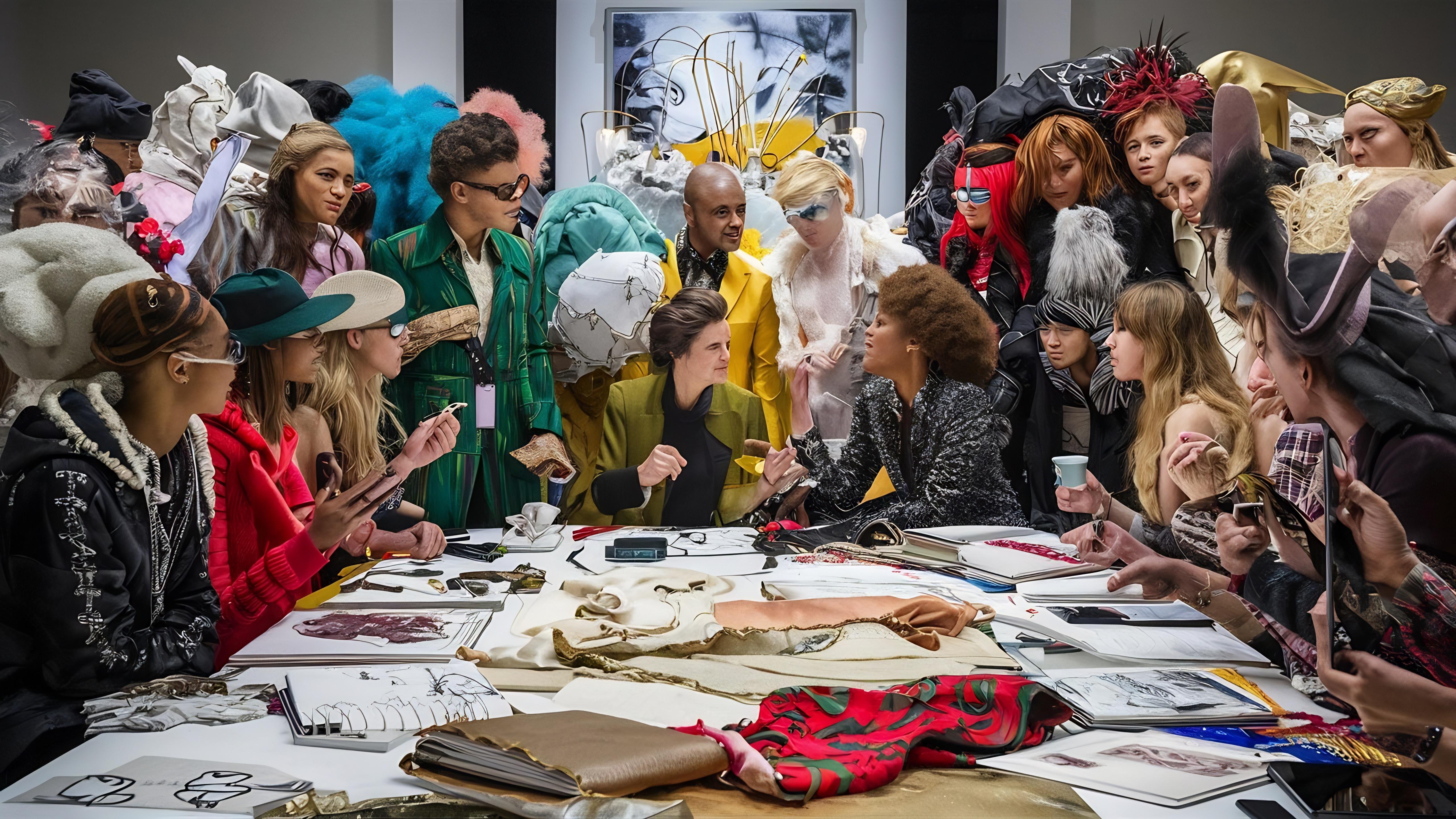
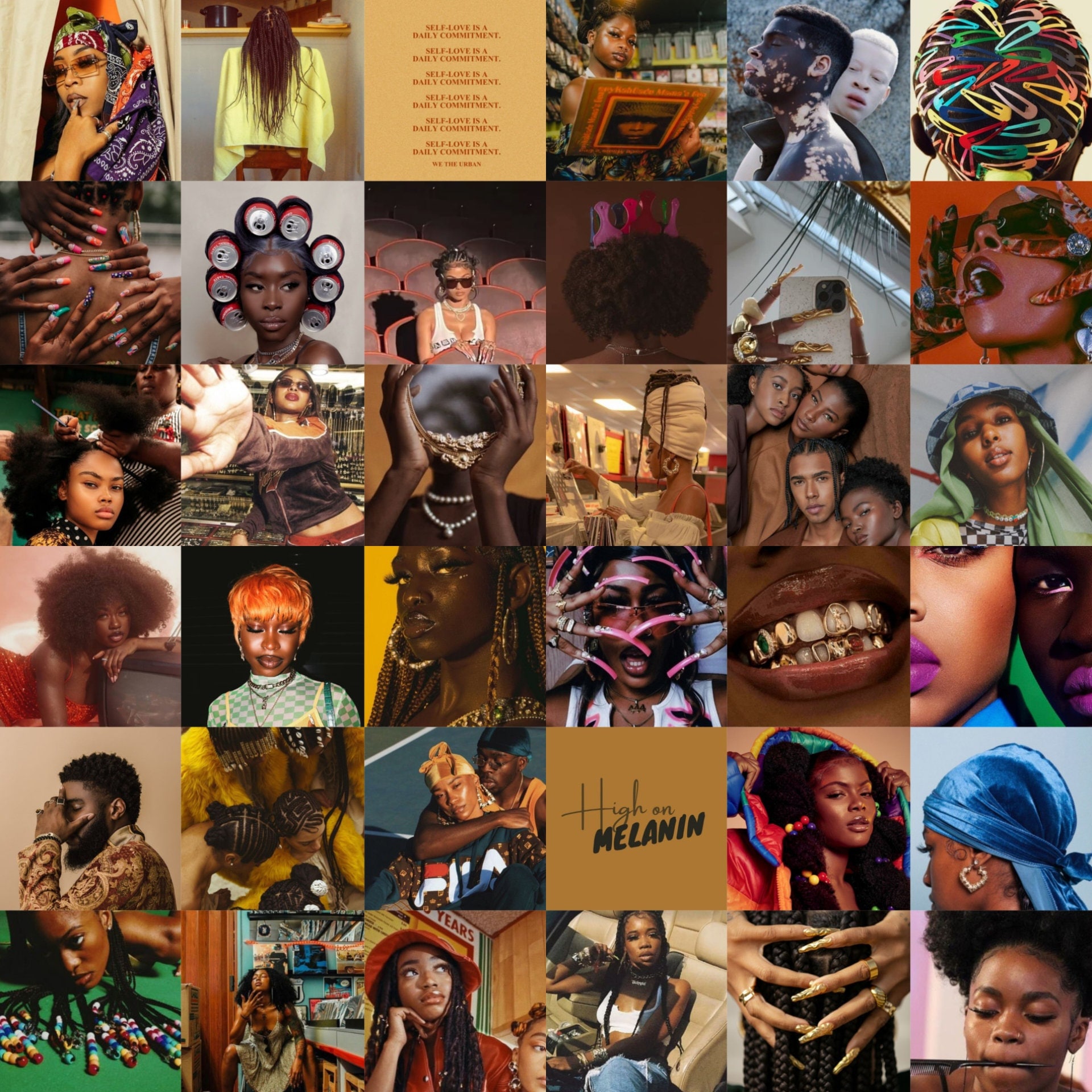
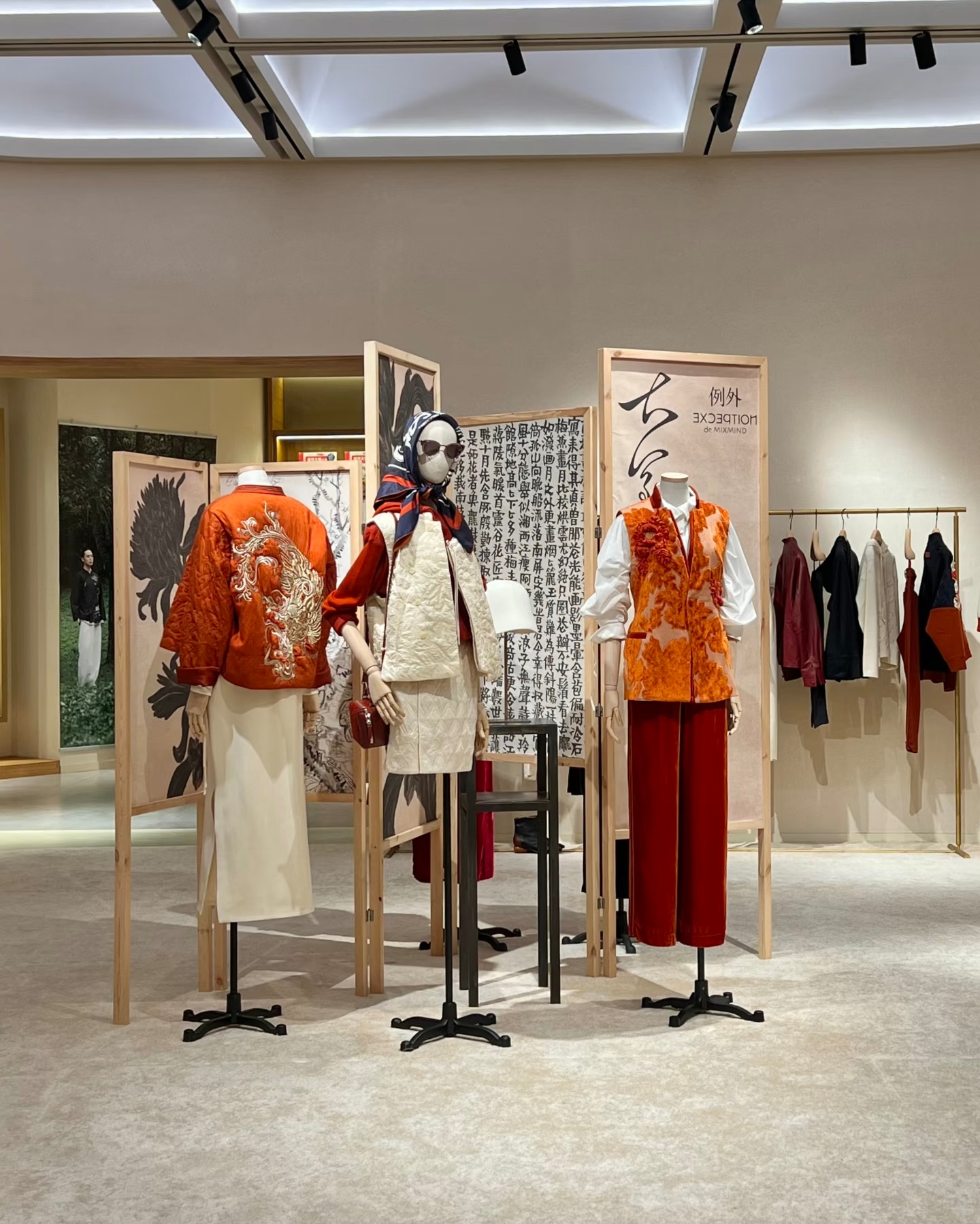
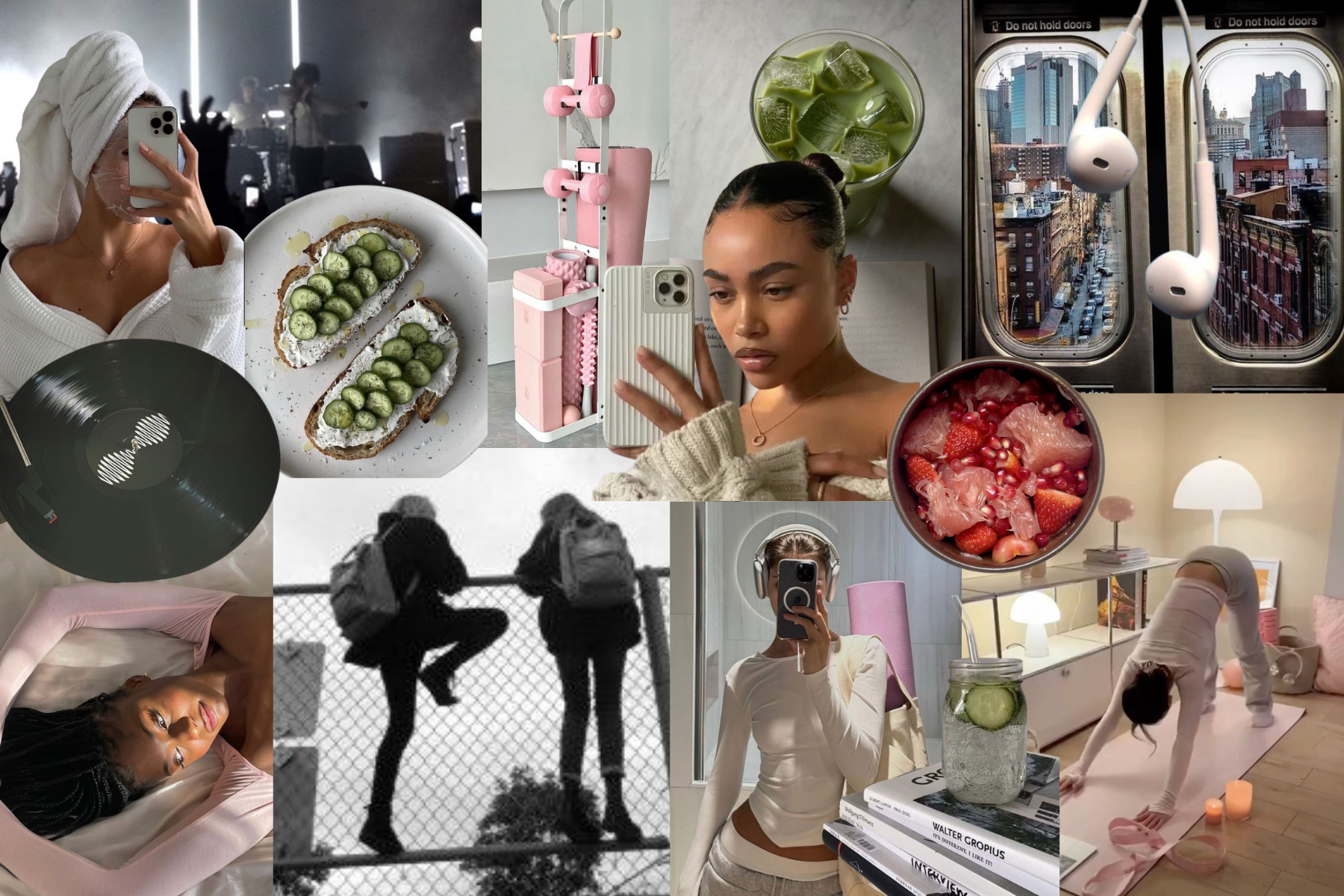
Aesthetic culture is the contemporary socio-cultural practice of organizing personal identity, lifestyle choices, and digital presence around cohesive, themed visual languages. In 2026, it functions as a primary framework for self-expression, where individuals curate their clothing, home decor, and online media to align with specific "micro-communities" or "cores" that signal shared values and tastes.
The Philosophical Foundations of Modern Aesthetic Culture
To understand aesthetic culture in 2026, one must first distinguish it from the classical study of aesthetics. Traditionally, aesthetics was a branch of philosophy focused on the nature of beauty, art, and taste. Founded as a distinct field by Alexander Baumgarten in the 18th century and later expanded by Immanuel Kant, it sought to define how humans perceive and judge sensory information. Historically, the "Aesthetic Movement" of the late 19th century—championed by figures like Oscar Wilde—promoted "art for art's sake," emphasizing visual pleasure over moral or social narratives.
In the current landscape, the term has evolved from a passive judgment of art into an active lifestyle methodology. Aesthetic culture today is a participatory phenomenon. It is no longer about merely observing a beautiful painting; it is about becoming the painting. This shift represents the democratization of curation. With the maturation of high-fidelity digital tools and AI-driven inspiration engines, the average individual now possesses the same curatorial power once reserved for museum directors or high-fashion editors.
The 2026 iteration of this culture is deeply rooted in "visual literacy." Individuals are now highly adept at decoding the subtle signifiers of various styles. A specific shade of moss green combined with a vintage botanical print and a linen texture is instantly recognized as "Cottagecore," a movement that romanticizes rural life and sustainability. This immediate recognition creates a shorthand for communication, allowing people to signal their politics, hobbies, and social class through visual cues alone.
The Role of Digital Platforms and Algorithmic Curation
The explosion of aesthetic culture is inseparable from the evolution of social media platforms. By 2026, the shift from chronological feeds to interest-based algorithms (pioneered by TikTok and refined by subsequent platforms) has fundamentally altered how subcultures form. In the past, subcultures like "Goth" or "Punk" were tied to local music scenes and physical meeting places. Today, aesthetics are "born digital" and globalized instantly.
Algorithms act as the primary architects of aesthetic culture. When a user engages with a specific visual style, the platform provides a feedback loop of similar imagery, effectively "onboarding" the user into a specific aesthetic. This has led to the rise of "micro-aesthetics"—highly specific styles that may only remain dominant for a few months before evolving.
Furthermore, the integration of AI-generative tools in 2026 has allowed users to visualize and manifest their desired aesthetics with unprecedented precision. Whether it is generating a "mood board" for a bedroom renovation or using AR filters to test a specific fashion subgenre, the barrier to entry for high-level aesthetic curation has vanished. However, this has also led to the "flattening" of culture, where the visual "vibe" often precedes the actual depth or history of the movement it represents.
Comparative Overview of Dominant Aesthetics in 2026
The following table outlines several of the most influential aesthetic movements currently shaping global trends. These categories represent broad frameworks that individuals use to guide their consumption and self-presentation.
| Aesthetic Name | Primary Visual Markers | Core Values/Philosophy | Key Influences |
|---|---|---|---|
| Dark Academia | Blazers, turtlenecks, old books, candlelit libraries, muted browns. | Intellectualism, nostalgia for classic education, existentialism. | Greek tragedies, Gothic architecture, classic literature. |
| Solarpunk | Greenery integrated with tech, bright yellows/blues, solar panels, DIY crafts. | Optimism, sustainability, community-focused futurism, harmony with nature. | Art Nouveau, permaculture, renewable energy movements. |
| Quiet Luxury | Minimalist tailoring, high-quality fabrics (silk, cashmere), neutral palettes, no logos. | Refinement, exclusivity, sustainability through longevity, "stealth wealth." | Mid-century modernism, 90s minimalism, heritage brands. |
| Cyber-Y2K | Chrome finishes, neon accents, baggy techwear, translucent plastics, digital glitches. | Techno-futurism, 2000s nostalgia, digital immersion, high-energy escapism. | Early internet culture, Matrix-era fashion, rave culture. |
| Gorpcore | Hiking boots, Gore-Tex jackets, carabiners, earth tones, utility vests. | Practicality, outdoor exploration, "performance" as fashion, escapism from urban life. | Mountaineering, vintage Patagonia, technical outdoor gear. |
The Psychology of Curation: Identity and Belonging
Why do individuals in 2026 invest so much effort into maintaining a specific aesthetic? The answer lies in the psychological need for identity and belonging within an increasingly fragmented digital world. As traditional institutions—religion, local community, and stable career paths—have become more fluid, aesthetic culture provides a stable "template" for the self.
Adopting an aesthetic offers a sense of "narrative identity." By aligning oneself with a movement like "Dark Academia," an individual isn't just buying a sweater; they are adopting a persona that values learning and introspection. This provides a sense of purpose and a clear set of guidelines for behavior and consumption. It simplifies the overwhelming number of choices available in a globalized market by providing a pre-filtered set of "acceptable" options.
However, this phenomenon also creates a "curated self" that can lead to psychological strain. The pressure to maintain visual consistency across digital platforms can result in "aesthetic labor," where the act of living becomes secondary to the act of documenting life to fit a specific theme. This is particularly prevalent among younger generations who have grown up with the understanding that their digital presence is a form of social capital.
Economic Impacts and the "Aesthetic-to-Consumer" Pipeline
Aesthetic culture is a massive economic driver. In 2026, brands no longer just sell products; they sell "the aesthetic." Marketing strategies have moved away from highlighting product features to showing how a product fits into a specific "vibe." This has created a direct pipeline from internet trends to manufacturing.
- Fast-to-Market Manufacturing: Modern supply chains are now optimized to respond to "micro-trends" that go viral on social media. If a specific "Grandmacore" cardigan becomes popular, AI-driven logistics can have similar items in production within days.
- Influencer as Curator: The role of the influencer has shifted from "advertiser" to "aesthetic curator." These individuals provide the blueprint for how to live within a specific aesthetic, driving sales for everything from specific coffee brands to paint colors.
- The Resale Economy: Conversely, aesthetic culture has fueled a boom in the secondhand market. Aesthetics like "Y2K" or "Old Money" often prioritize vintage or "authentic" pieces, leading to high demand on platforms like Depop or Vinted.
The risk of this economic model is its inherent unsustainability. The rapid turnover of "cores" encourages a cycle of hyper-consumption that contradicts the eco-conscious values often touted by the very aesthetics being consumed (such as Cottagecore or Solarpunk).
Critiques and the Search for Authenticity
Despite its creative potential, aesthetic culture faces significant criticism in 2026 regarding authenticity and cultural appropriation. A primary critique is that aesthetic culture often prioritizes "the look" over the substance. For instance, an individual may adopt the "Cottagecore" aesthetic for social media engagement while living a high-consumption, urban lifestyle that contradicts the movement's supposed focus on simple, sustainable living. This creates what sociologists call a "simulacrum"—a copy of a lifestyle that has no original reality.
Furthermore, many digital aesthetics draw heavily from specific cultural or subcultural histories without acknowledging their roots. The "Clean Girl" aesthetic, for example, was criticized for rebranding styles long held by Black and Latina communities as something "new" and "minimalist" when adopted by white influencers.
As a reaction to this, 2026 has seen the rise of "Post-Aestheticism." This movement encourages a "cluttercore" or "chaos-maximalist" approach, where individuals intentionally mix discordant styles to resist algorithmic categorization. The goal is to return to a more authentic, unpolished form of self-expression that cannot be easily packaged and sold by brands.
How to Navigate and Develop Your Own Aesthetic
For those looking to engage with aesthetic culture in a meaningful way, the focus should be on intentionality rather than imitation. Developing an authentic aesthetic requires moving beyond the "starter packs" found on social media and looking toward personal history and genuine interests.
- Audit Your Influences: Recognize which styles you are drawn to because of genuine interest versus those you feel pressured to adopt due to algorithmic frequency.
- Prioritize Longevity: Instead of buying into every "micro-trend," look for the underlying elements that recur in your taste. This is the foundation of a "personal aesthetic" rather than a "borrowed" one.
- Research the Roots: Before adopting a style—whether it’s "Steampunk" or "Grando-Chic"—investigate its historical and cultural origins. This adds depth to your curation and prevents superficial appropriation.
- Focus on the Physical: Use digital platforms for inspiration, but ensure your aesthetic translates into your physical reality in a way that improves your quality of life. An aesthetic should make your environment more functional and pleasant, not just more "postable."
By treating aesthetic culture as a tool for self-discovery rather than a set of rigid rules, individuals can harness the creative power of visual language to build lives that are both beautiful and authentically their own.
Frequently Asked Questions
What is the difference between a trend and an aesthetic?
A trend is a specific item or behavior that gains sudden popularity and then fades, such as "neon hair" or a specific type of sneaker. An aesthetic is a broader, more cohesive visual and philosophical framework that encompasses fashion, home decor, behavior, and values. Trends often exist within aesthetics (e.g., "corsets" were a trend within the broader "Regencycore" aesthetic).
Is aesthetic culture expensive to maintain?
It can be, but it doesn't have to be. While many brands capitalize on aesthetics to sell expensive products, the core of many movements—like "Thrifting" or "DIY"—is based on resourcefulness. Authenticity in many aesthetic circles is actually measured by how well one can curate a look through secondhand finds or personal creativity rather than direct purchases.
How do aesthetics affect mental health?
Aesthetic culture can provide a sense of community and creative outlet, which is positive for mental health. However, the "perfectionism" inherent in maintaining a curated digital presence can lead to anxiety, body image issues, and feelings of inadequacy. It is important to maintain a boundary between one's digital "aesthetic" and their multifaceted, often messy, human reality.
Can men participate in aesthetic culture?
Absolutely. While some of the most famous early digital aesthetics were marketed toward women, "Masculine Aesthetics" have become a major segment of the culture. Movements like "Gorpcore," "Dark Academia," "Darkwear," and "Old Money" have massive followings among men, focusing on heritage, utility, and intellectualism.
Practical Recommendation for Mindful Curation
To engage with aesthetic culture sustainably in 2026, adopt a "70/30" rule: 70% of your aesthetic should be based on timeless pieces and personal interests that have remained constant for years, while only 30% should be influenced by current digital trends. This ensures that your identity remains grounded and your consumption remains manageable, even as the digital landscape continues to shift at an accelerating pace.