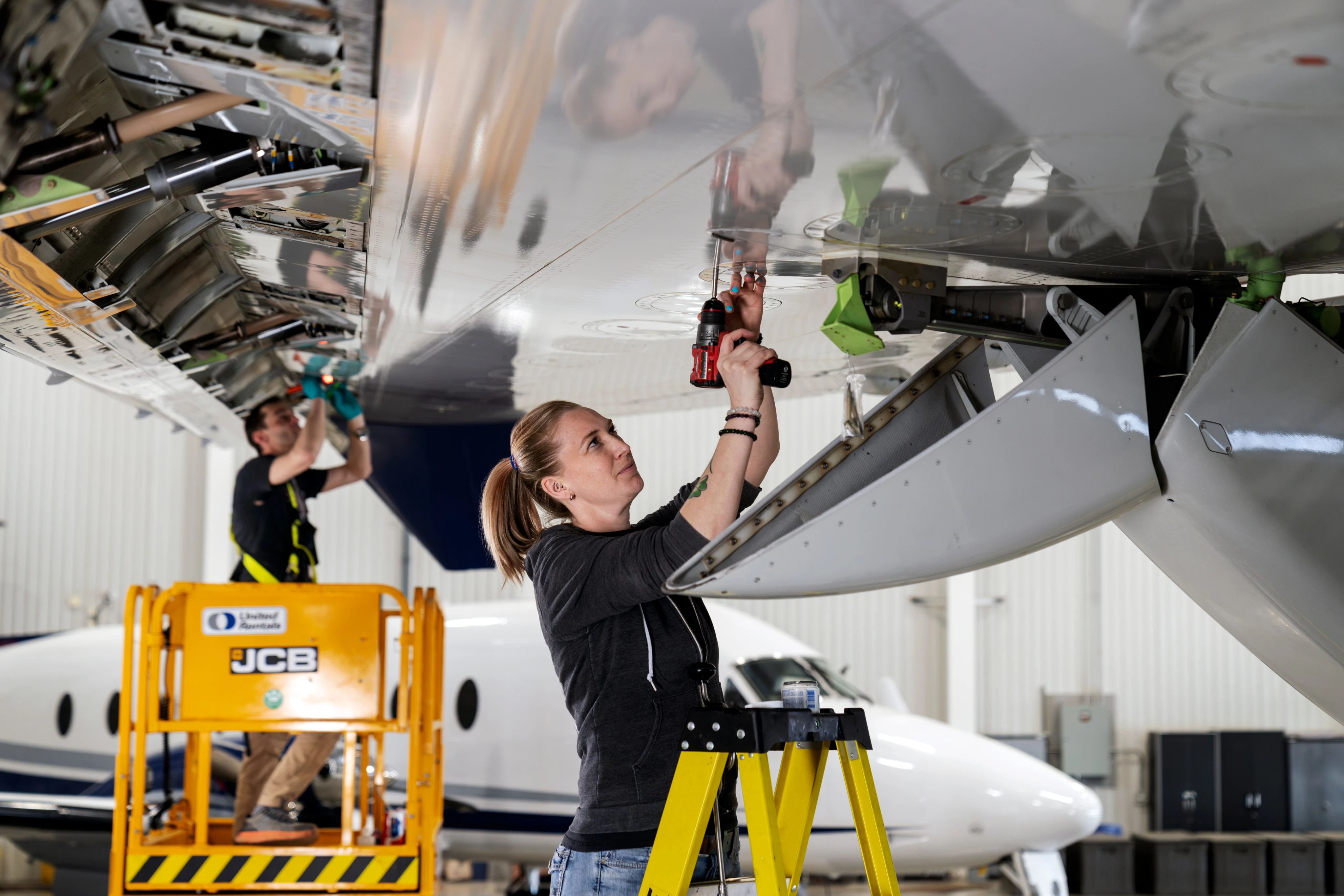
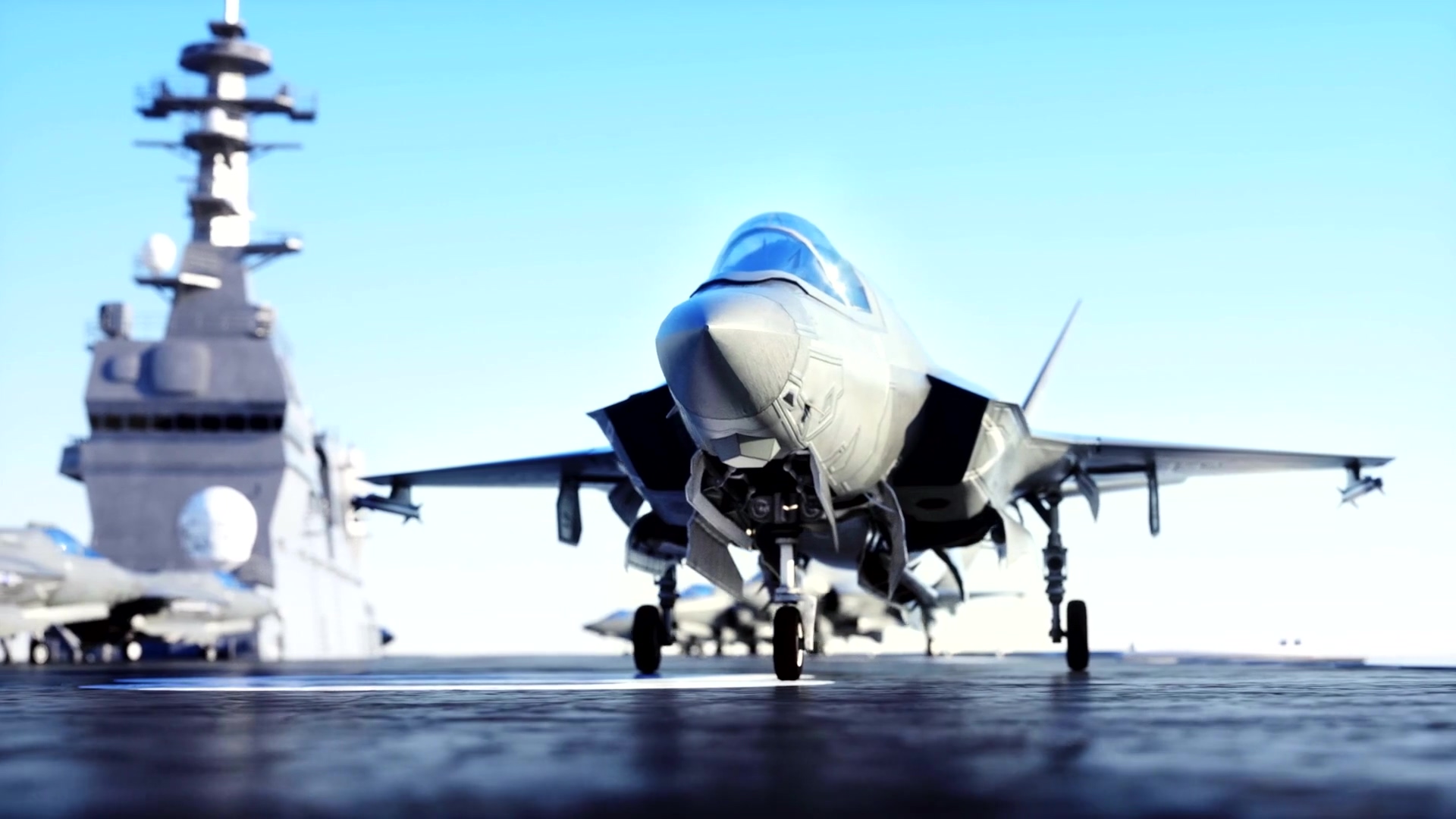
An aerospace profile is a precision-engineered structural component, typically produced through extrusion or machining, designed to provide maximum strength and rigidity with minimal weight. These profiles—ranging from simple L-angles to complex seat tracks—form the skeletal backbone of airframes, supporting wings, fuselages, and internal cabin structures while meeting stringent certification standards for safety and durability.
The Role of Aerospace Profiles in Modern Aviation
In the aerospace industry, weight is the primary enemy of efficiency. Every gram of structural mass requires additional fuel to lift, which in turn increases operational costs and carbon emissions. Consequently, the development and selection of the correct aerospace profile are among the most critical tasks in aircraft design. As of 2026, the industry has further shifted toward "near-net-shape" profiles to minimize material waste and optimize structural performance.
Aerospace profiles serve as the connective tissue of the aircraft. They are used as stringers to stiffen the fuselage skin, as spars to carry the primary loads of the wings, and as seat tracks that must remain securely anchored even under extreme G-forces during an emergency landing. Unlike standard architectural extrusions, an aerospace profile must withstand extreme temperature fluctuations—ranging from 50°C on a desert tarmac to -55°C at cruising altitude—while resisting fatigue over decades of pressurization cycles.
The structural integrity of these profiles is not merely a matter of shape but a combination of geometry, metallurgy, and precision manufacturing. A profile designed for a Boeing 787 or an Airbus A350 must meet tolerances measured in microns, ensuring that every hole drilled and every surface mated contributes to a perfectly aerodynamic and safe vessel.
Material Selection and Metallurgy in 2026
The performance of an aerospace profile is dictated largely by its material composition. While composite materials have gained significant ground in skin panels, metallic profiles—specifically high-strength aluminum and titanium alloys—remain indispensable for load-bearing skeletal structures.
Aluminum Alloys: The Industry Standard
Aluminum remains the dominant material for aerospace profiles due to its excellent strength-to-weight ratio and ease of fabrication. In 2026, the focus has intensified on "Green Aluminum," which utilizes recycled content and renewable energy in the smelting process to meet industry-wide sustainability targets.
- 2xxx Series (Al-Cu): Alloys like 2024 are renowned for their high fatigue resistance. These are frequently used in the lower wing skins and tension-dominated structures where the ability to withstand cyclic loading is paramount.
- 7xxx Series (Al-Zn): Alloys such as 7075 and the more advanced 7050 or 7085 offer the highest strength among aluminum alloys. These are the preferred choice for compression-loaded structures, such as upper wing spars and fuselage frames. The T73 and T76 tempering processes are commonly applied to these profiles to enhance resistance to stress-corrosion cracking.
Titanium and Specialized Alloys
For regions of the aircraft exposed to high heat or requiring extreme corrosion resistance, titanium profiles (specifically Ti-6Al-4V) are used. These are common in engine pylons, landing gear components, and the "chicken wire" structures that reinforce cockpit windows. While more difficult to extrude and machine than aluminum, titanium's longevity in harsh environments justifies its higher cost and weight density in specific applications.
Manufacturing Methodologies for Aerospace Profiles
The transition from a raw billet to a finished aerospace profile involves sophisticated manufacturing techniques. The choice of method depends on the complexity of the cross-section, the required mechanical properties, and the production volume.
Precision Extrusion
Extrusion is the most common method for creating long, continuous profiles. A heated billet is forced through a shaped die under immense pressure. In 2026, the use of Isothermal Extrusion has become standard for high-performance alloys. This process maintains a constant temperature throughout the extrusion cycle, ensuring uniform grain structure and mechanical properties along the entire length of the profile.
After extrusion, profiles undergo a "stretch-straightening" process. This removes the natural warping that occurs during cooling and introduces a slight amount of cold work, which can further enhance the material's yield strength.
High-Speed Machining
When a profile requires variable wall thicknesses or complex "pockets" along its length, 5-axis CNC machining is employed. Many aerospace profiles start as extrusions and are then finished via machining to achieve "net-shape" requirements. This is particularly common for wing stringers that must taper in thickness as they move from the wing root toward the tip to save weight.
The "Buy-to-Fly" Ratio
A critical metric in profile manufacturing is the "Buy-to-Fly" ratio—the weight of the raw material purchased versus the weight of the final part installed on the aircraft. In the past, ratios of 10:1 were common, meaning 90% of the material was machined away as scrap. By 2026, advancements in near-net-shape extrusion and additive manufacturing integration have pushed these ratios down toward 3:1 or even 2:1, significantly reducing environmental impact and material costs.
Comparison of Common Aerospace Profile Materials
The following table compares the primary materials used in the production of aerospace profiles based on their mechanical suitability and typical 2026 application contexts.
| Material Grade | Density (g/cm³) | Tensile Strength (MPa) | Corrosion Resistance | Primary Application |
|---|---|---|---|---|
| Aluminum 2024-T3 | 2.78 | 470 | Moderate | Fuselage skins, lower wing spar caps |
| Aluminum 7075-T6 | 2.81 | 570 | Low (requires coating) | Upper wing structures, high-stress frames |
| Titanium Ti-6Al-4V | 4.43 | 900+ | Excellent | Engine mounts, firewall profiles, fasteners |
| Stainless Steel 15-5 PH | 7.80 | 1,000+ | High | Landing gear components, flap tracks |
| Lithium-Aluminum | 2.60 | 500 | High | Weight-critical space and military profiles |
Quality Standards and Certification Requirements
An aerospace profile is only as good as its documentation. Because these parts are flight-critical, they are subject to some of the most rigorous quality control standards in any industry.
- AS9100 Revision E: This is the specialized quality management system for the aerospace industry. Any facility producing aerospace profiles must be certified to this standard, which mandates strict traceability of materials from the mine to the final assembly.
- NADCAP (National Aerospace and Defense Contractors Accreditation Program): This program provides accreditation for "special processes" such as heat treatment, chemical milling, and non-destructive testing (NDT). A profile that has undergone T6 tempering must have NADCAP-certified records to prove the furnace temperature and quench rates were within specification.
- Non-Destructive Testing (NDT): Before a profile is cleared for installation, it often undergoes ultrasonic or eddy-current testing. These methods can detect internal voids, cracks, or inclusions that are invisible to the naked eye but could lead to catastrophic failure under flight loads.
Future Trends: Digital Twins and Hybrid Profiles
As of 2026, the "Digital Twin" concept has fully matured within the aerospace profile sector. Every individual profile produced is assigned a digital ID that contains its entire manufacturing history—including the specific batch of ore it came from, the extrusion pressure used, and the results of its final NDT scan. This allows airlines to monitor the fatigue life of specific structural members with unprecedented accuracy.
Furthermore, Hybrid Profiles are emerging. These components combine metallic extrusions with carbon-fiber reinforcements. For example, a titanium seat track might be reinforced with a composite "pultrusion" to provide stiffness while maintaining the wear resistance and fire safety of the metal interface. This hybrid approach allows engineers to shave additional kilograms off the airframe without compromising the modularity of the cabin interior.
Common Engineering Challenges
- Thermal Expansion: When joining an aluminum profile to a composite skin, engineers must account for the different rates at which the materials expand and contract.
- Galvanic Corrosion: Aluminum profiles in contact with carbon fiber can corrode rapidly if not properly insulated with fiberglass "scrim" layers or specialized sealants.
- Residual Stress: Large machined profiles can "potato chip" or warp when internal stresses are released during cutting, requiring complex thermal stabilization cycles.
Frequently Asked Questions
What is the difference between a standard extrusion and an aerospace profile?
The primary differences lie in material purity, tolerance levels, and certification. Aerospace profiles use specialized alloys (like 7075) that are not typically found in architectural applications. Additionally, aerospace tolerances are much tighter—often +/- 0.010 inches or less—and every part must have a "Certificate of Conformance" (CoC) tracing it back to the original melt of the metal.
Why are seat tracks considered specialized aerospace profiles?
Seat tracks are unique because they serve a dual purpose: they provide the structural grid for the cabin and act as a safety mechanism. They must be precisely machined to allow for seat repositioning while being strong enough to hold thousands of pounds of force during a sudden deceleration. They are usually made from 7xxx series aluminum or titanium for maximum shear strength.
How is "Buy-to-Fly" ratio optimized in profile manufacturing?
In 2026, optimization is achieved through simulation-driven design and "near-net-shape" extrusions. By using computer modeling to predict how metal flows through a die, manufacturers can create profiles that are very close to the final dimensions, leaving only a small amount of material to be removed by CNC machining. This reduces waste and lowers the cost of the finished part.
Can aerospace profiles be repaired if they are damaged?
Repairability depends on the location and extent of the damage. For minor surface corrosion or small nicks, profiles can sometimes be blended out and treated with a chemical film (like Alodine). However, if a structural profile is cracked or bent beyond limits specified in the Structural Repair Manual (SRM), it must typically be replaced, as welding is generally prohibited on high-strength aerospace aluminum due to the degradation of heat-treat properties.
What is the role of "stringers" in an aerospace profile context?
Stringers are longitudinal profiles that run along the length of the fuselage or wing. They act as "stiffeners" for the thin skin of the aircraft. By using stringer profiles, engineers can keep the skin very thin (saving weight) while preventing it from buckling under the pressure of flight or the internal pressure of the cabin.
Strategic Procurement and Design Recommendations
When specifying or procuring aerospace profiles in 2026, engineers and purchasing agents should prioritize integrated supply chains. Working with a Tier 1 supplier that offers in-house extrusion, heat treatment, and 5-axis machining significantly reduces the risk of "quality drift" and shortens lead times.
For new designs, emphasize compatibility with sustainable alloys. As global regulations tighten around the carbon footprint of aviation, selecting alloys that are compatible with high-recycled-content "Green Aluminum" will future-proof the airframe's supply chain. Finally, always ensure that the NDT requirements are clearly defined in the initial Request for Quote (RFQ), as post-production testing is often the most significant bottleneck in the delivery of flight-ready aerospace profiles.