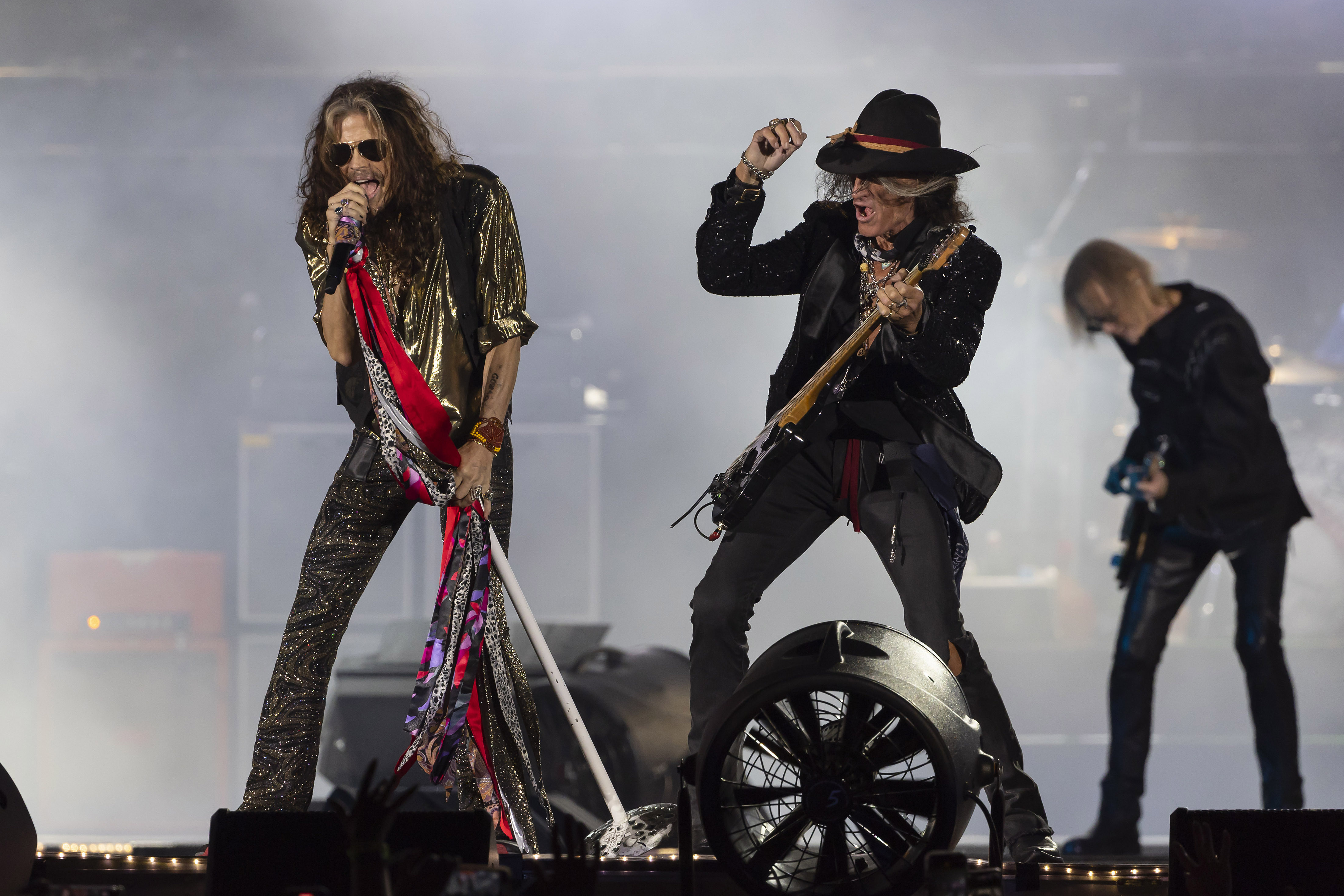
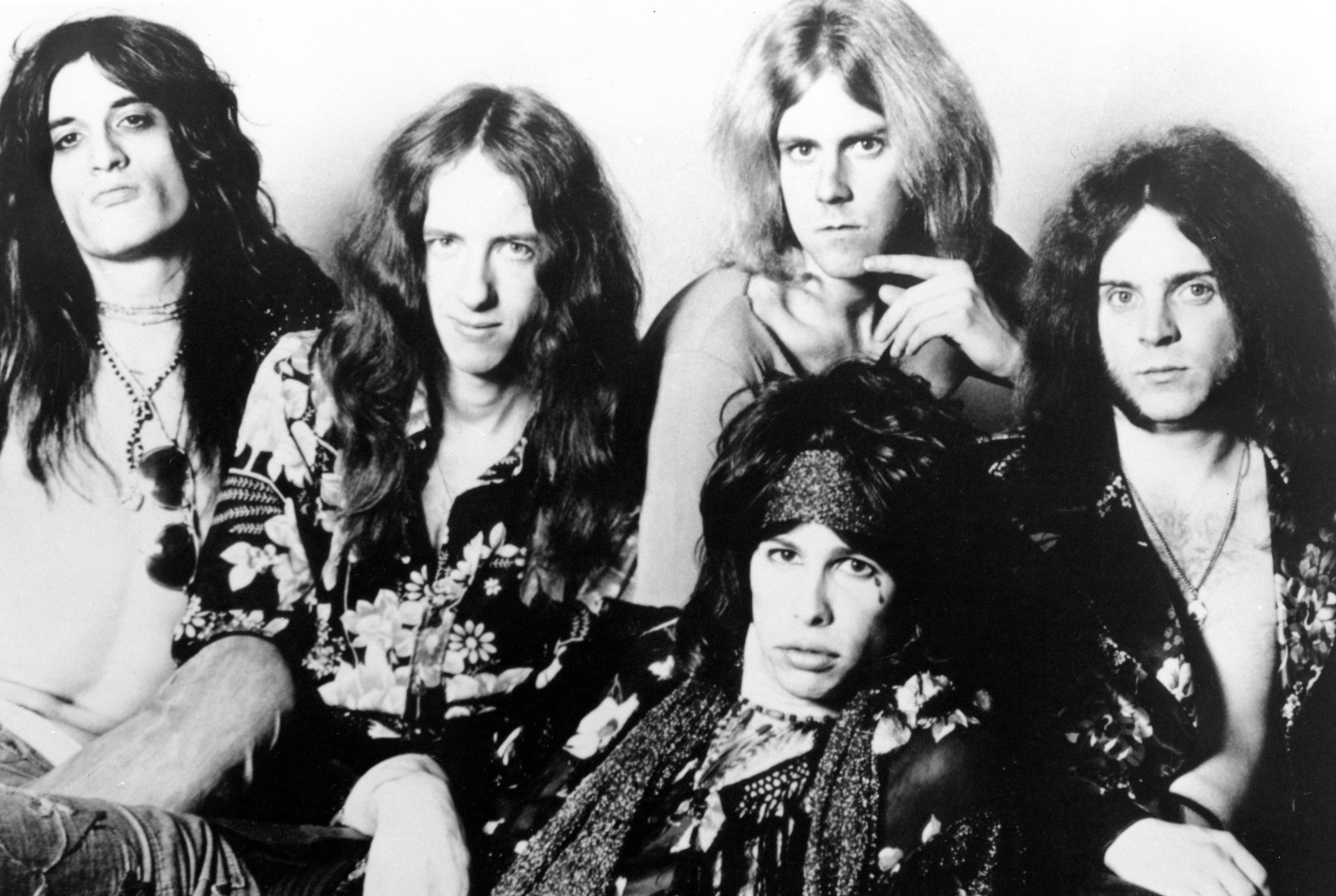
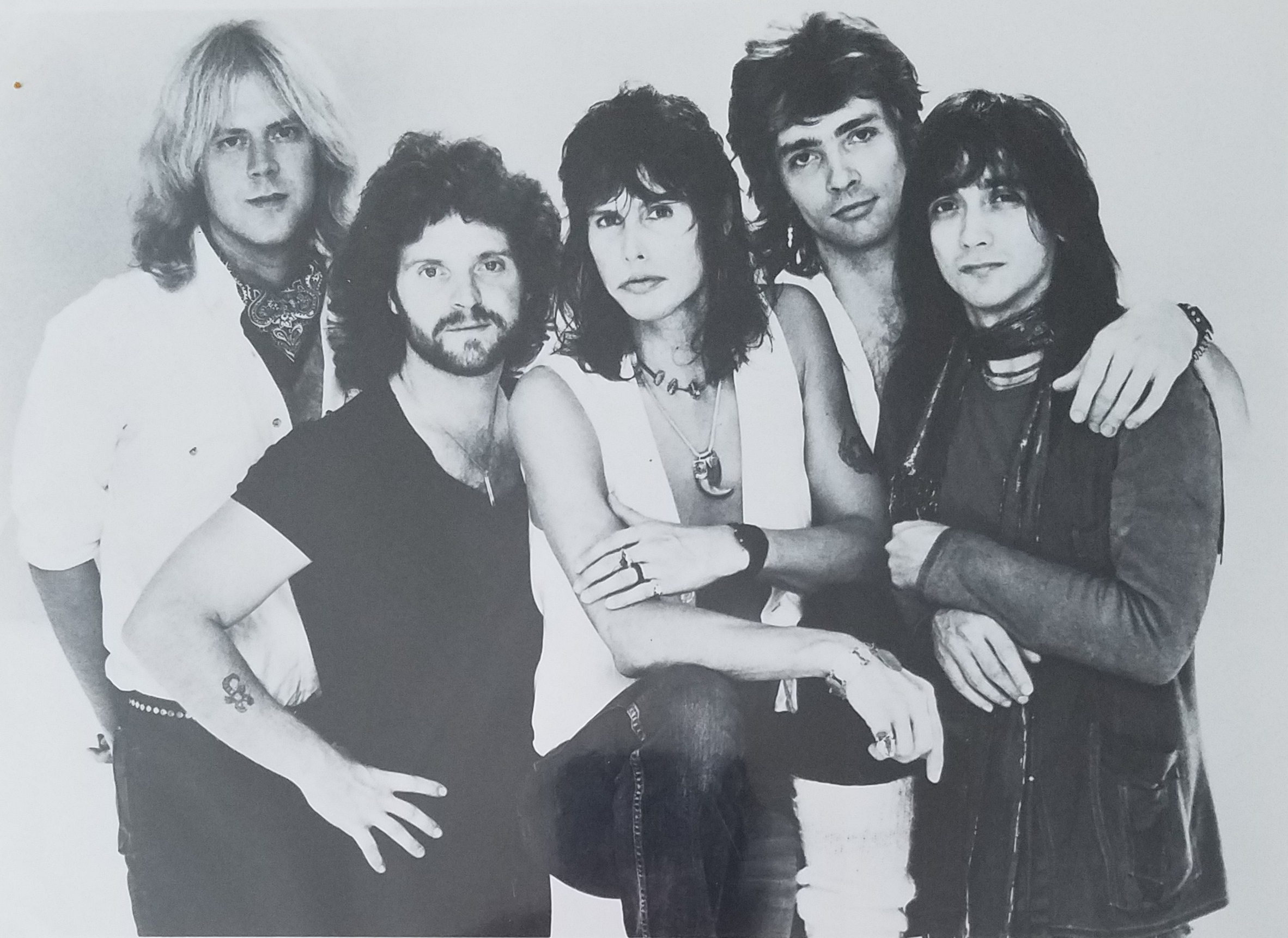
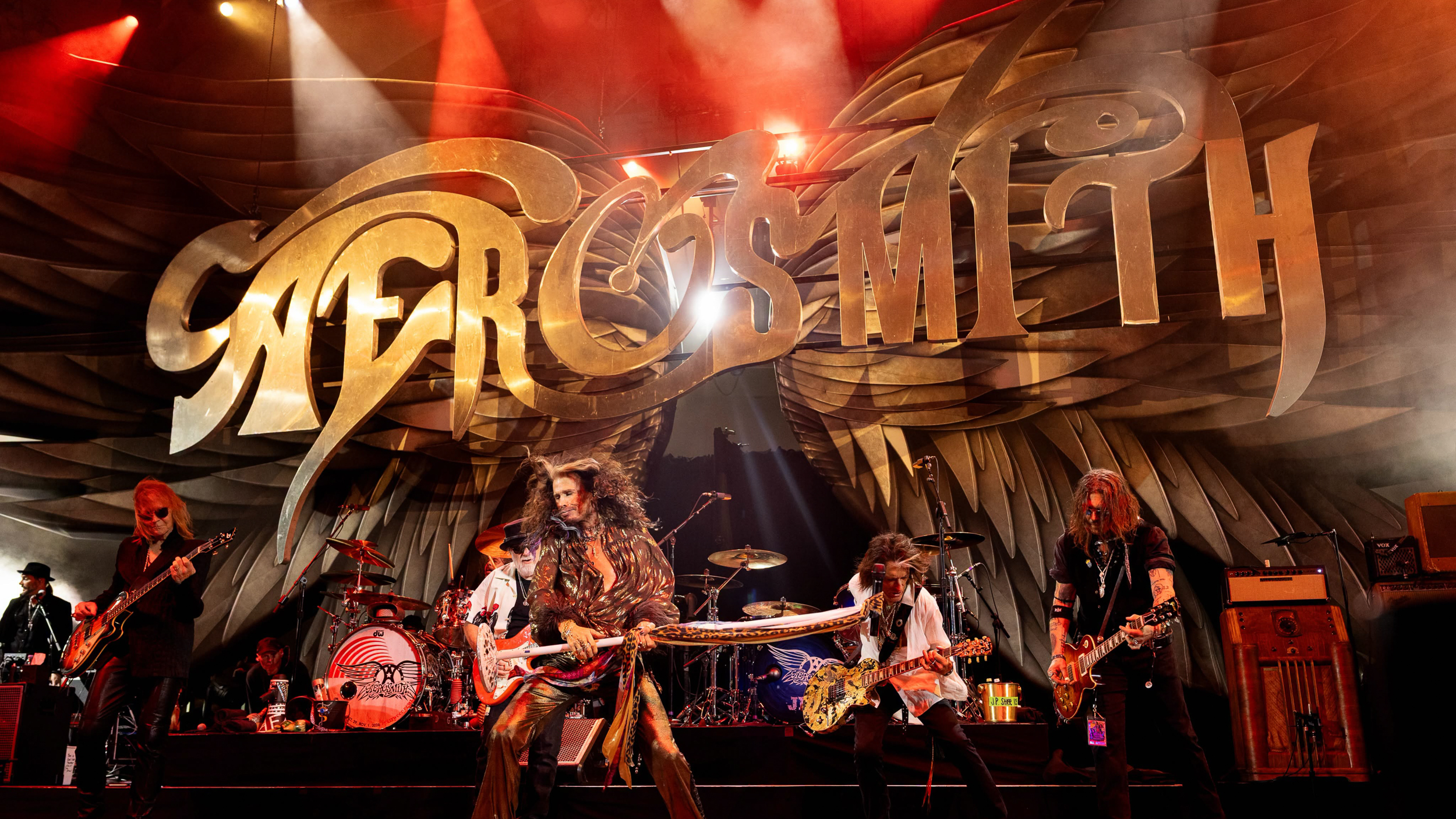
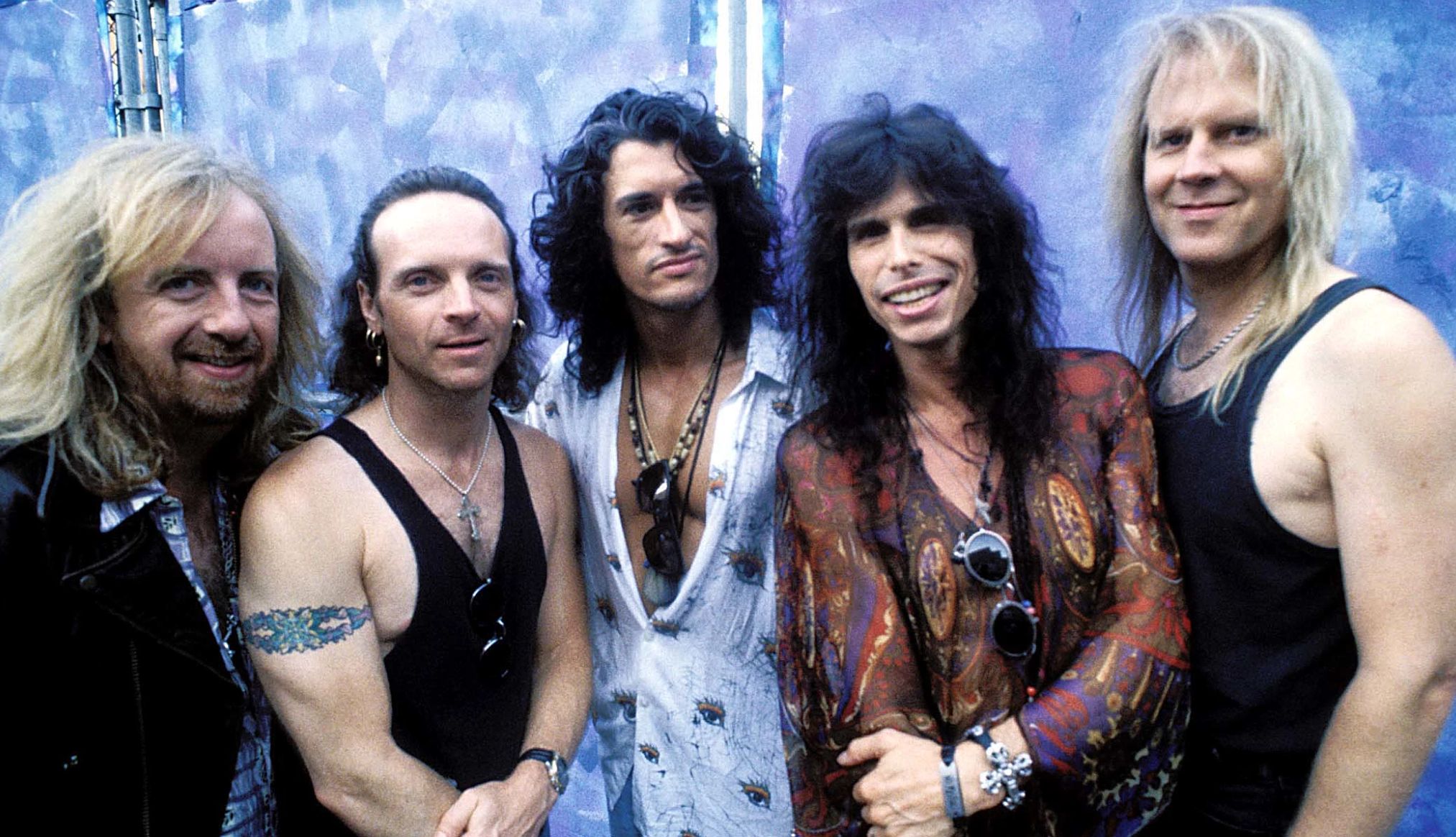
In 2026, the official Aerosmith lineup continues to be recognized by its iconic "classic" quintet: Steven Tyler (vocals), Joe Perry (lead guitar), Brad Whitford (rhythm guitar), Tom Hamilton (bass), and Joey Kramer (drums). Although the band officially retired from the touring circuit in late 2024 following Steven Tyler’s permanent vocal cord injury, this specific group of five musicians remains the definitive and final incarnation of the Rock and Roll Hall of Fame ensemble.
Aerosmith’s longevity is a rarity in the music industry. Aside from a five-year period in the late 1970s and early 1980s, the "founding five" remained intact for over half a century. Understanding the Aerosmith lineup requires a look at their humble beginnings in New Hampshire and Boston, the volatile years that saw members depart, and the unprecedented "Second Act" that solidified their place in global pop culture.
The Classic Lineup: The Quintessential Aerosmith
The phrase "Aerosmith lineup" is almost synonymous with the five men who recorded the band's most influential works. This configuration was established in 1971 and remained the creative core through their 2024 retirement.
- Steven Tyler (Vocals): The flamboyant frontman known as the "Demon of Screamin'." Tyler’s wide vocal range, harmonica skills, and piano contributions defined the band’s blues-rock sound.
- Joe Perry (Lead Guitar): One half of the "Toxic Twins" alongside Tyler. Perry provided the gritty, blues-infused riffs and occasional lead vocals that became the band’s signature.
- Brad Whitford (Rhythm Guitar): Often cited as the band’s "secret weapon," Whitford provided a technical precision that balanced Perry’s more erratic style. His songwriting contributions include classics like "Last Child."
- Tom Hamilton (Bass): A founding member who provided the melodic foundation for the band. His most famous contribution is the iconic bass line for "Sweet Emotion."
- Joey Kramer (Drums): The powerhouse behind the kit who is credited with naming the band. Kramer’s "pocket" playing style was essential to the band’s rhythmic drive.
While this lineup is the one most fans identify with, the journey to maintaining this group was fraught with internal conflict, substance abuse issues, and temporary replacements that fundamentally altered the band's trajectory during the early 1980s.
The Formation and the Brief Tenure of Ray Tabano (1970–1971)
The origins of the Aerosmith lineup trace back to the meeting of Steven Tyler and Joe Perry in Sunapee, New Hampshire, in 1970. Tyler, then a drummer and singer from New York, was impressed by Perry and Tom Hamilton’s band, The Jam Band. They decided to form a new group in Boston, adding Joey Kramer on drums so Tyler could move to the front as the lead singer.
The original second guitarist was not Brad Whitford, but Ray Tabano, a childhood friend of Tyler. Tabano played with the band for about a year during their formative club days in Boston. However, by 1971, the band felt they needed a more technically proficient player to complement Perry’s raw style. Tabano was replaced by Brad Whitford, a graduate of the Berklee College of Music. This move completed the "classic" lineup that would go on to sign with Columbia Records and release their self-titled debut in 1973.
The Crisis Years: Lineup Changes in the Late '70s and Early '80s
By 1979, the immense pressure of fame, combined with rampant drug use and internal friction, led to the first major fracture in the Aerosmith lineup. During the recording of the album Night in the Ruts, a heated argument between Joe Perry and Steven Tyler (exacerbated by a confrontation between their wives) led to Perry’s departure.
The Joe Perry Departure and Jimmy Crespo (1979–1984)
Following Perry's exit, the band hired Jimmy Crespo to take over lead guitar duties. Crespo was a highly skilled session musician and songwriter who co-wrote most of the 1982 album Rock in a Hard Place. Despite his talent, fans struggled to accept a version of Aerosmith without Perry.
The Brad Whitford Departure and Rick Dufay (1981–1984)
The instability continued when Brad Whitford left in 1981, frustrated by the band's slow progress and internal chaos. He was replaced by Rick Dufay. This era—often referred to as the "Aerosmith Lite" years—saw the band playing smaller venues and struggling to maintain their platinum-selling status. While Dufay was credited with helping keep Steven Tyler motivated during a dark period, the creative chemistry of the original five was visibly absent.
The Great Reunion: "Back in the Saddle" (1984)
The classic Aerosmith lineup was restored in 1984 when Joe Perry and Brad Whitford attended an Aerosmith show at the Orpheum Theatre in Boston. The members realized that the "magic" only happened when the five of them were together. After a meeting facilitated by their new manager, Tim Collins, the original quintet officially reunited for the "Back in the Saddle" tour.
This reunion was significant because, unlike many of their contemporaries, Aerosmith did not just return as a nostalgia act. With the original lineup intact and newly sober, they launched a massive comeback with albums like Permanent Vacation (1987) and Pump (1989). This era proved that the specific chemistry of Tyler, Perry, Whitford, Hamilton, and Kramer was essential for their commercial viability.
Modern Era Personnel and Touring Substitutions
In the final decade of their active career (2014–2024), the Aerosmith lineup faced challenges related to aging and health. While the "official" members never changed, several touring musicians stepped in to ensure the show could go on.
- Buck Johnson: Since 2014, Johnson served as the band’s touring keyboardist, backing vocalist, and acoustic guitarist, filling out the sound for their complex later hits.
- John Douglas: A long-time drum technician for the band, Douglas filled in for Joey Kramer starting in 2019. Kramer suffered various health issues and eventually took a leave of absence to focus on his family. By the time the "Peace Out" farewell tour was announced in 2023, the band confirmed that Kramer would not be participating, though he remained an official member of the organization.
- David Hull: Tom Hamilton has occasionally stepped away for health reasons (notably during his battles with throat and tongue cancer), during which David Hull (of the Joe Perry Project) filled in on bass.
Aerosmith Lineup Evolution and Member History
The following table summarizes the primary members and the periods during which the lineup deviated from the classic five.
| Member | Instrument | Years Active | Status |
|---|---|---|---|
| Steven Tyler | Vocals / Piano | 1970–2024 | Founding Member (Final) |
| Joe Perry | Lead Guitar | 1970–1979, 1984–2024 | Founding Member (Final) |
| Tom Hamilton | Bass | 1970–2024 | Founding Member (Final) |
| Joey Kramer | Drums | 1970–2024 | Founding Member (Final) |
| Ray Tabano | Rhythm Guitar | 1970–1971 | Original Member (Replaced) |
| Brad Whitford | Rhythm Guitar | 1971–1981, 1984–2024 | Classic Lineup (Final) |
| Jimmy Crespo | Lead Guitar | 1979–1984 | Replacement (Left) |
| Rick Dufay | Rhythm Guitar | 1981–1984 | Replacement (Left) |
The Significance of the "Toxic Twins" and the Rhythm Section
The internal dynamics of the Aerosmith lineup are often viewed through the lens of the "Toxic Twins"—Tyler and Perry. Their relationship, characterized by both deep brotherhood and intense rivalry, drove the band’s creative output. However, musicologists often argue that the "lineup" is only as strong as its rhythm section.
Tom Hamilton and Joey Kramer provided a "swing" that many hard rock bands lacked. Influenced by James Brown and Motown as much as by Led Zeppelin, the Hamilton/Kramer foundation allowed Tyler and Perry to explore bluesy, syncopated melodies. Brad Whitford’s role was equally vital; his ability to play complex lead lines (such as the solo on "Last Child") allowed Joe Perry to focus on the textural, gritty "vibe" of the songs.
The 2024 Retirement and the Legacy in 2026
As of 2026, the Aerosmith lineup is functionally a legacy entity. The band’s official statement on August 2, 2024, made it clear that while the members remain brothers, the physical demands of performing their high-energy sets are no longer possible due to Steven Tyler's vocal injury.
For fans and historians, the Aerosmith lineup serves as a masterclass in band persistence. They survived the "drug years," the "breakup years," and the "pop-superstar years" without ever permanently losing their identity. The fact that the same five men who played the Nipmuc Regional High School gym in 1970 were (mostly) the same five men who took the stage for their 50th-anniversary residency in Las Vegas is a feat almost unparalleled in rock history.
Frequently Asked Questions
Why did Joe Perry leave Aerosmith in 1979?
Joe Perry left following a period of extreme internal tension and substance abuse. The breaking point was a backstage argument at the World Series of Rock in Cleveland, where Perry's wife, Elyssa, threw a glass of milk at Tom Hamilton's wife, Terry. This sparked a confrontation that led to Perry quitting the band to form The Joe Perry Project.
Is Joey Kramer still in Aerosmith?
Yes, Joey Kramer remains an official member of Aerosmith. However, he did not perform with the band during their final live dates in 2023 or 2024. He stepped back from touring to focus on his health and family, with drum tech John Douglas filling his seat behind the kit for live performances.
Who replaced Brad Whitford when he left?
Brad Whitford was replaced by Rick Dufay in 1981. Dufay played on the Rock in a Hard Place tour and is often credited with being a stabilizing force for Steven Tyler during a time when the band was at its lowest point commercially and personally.
Did Aerosmith ever have a different lead singer?
No. While many bands of their era (like Van Halen or Mötley Crüe) experimented with different frontmen, Steven Tyler has been the only lead singer in Aerosmith’s history. During his brief periods of estrangement from the band, the group effectively went on hiatus or worked on side projects rather than hiring a replacement singer.
What was the last official Aerosmith lineup?
The final official lineup consists of the classic five: Steven Tyler, Joe Perry, Brad Whitford, Tom Hamilton, and Joey Kramer. Even though Kramer did not play on the final abbreviated "Peace Out" tour, he is still listed as a member of the band in all official 2026 retrospectives and business filings.
Preserving the Legacy of the Five
For those looking to explore the band's history, the best next action is to view the various documentary projects and authorized biographies that chronicle these lineup shifts in detail. The memoir Does the Noise in My Head Bother You? by Steven Tyler and the band-wide autobiography Walk This Way offer primary-source accounts of the transitions between the classic and "Hard Place" eras. As of 2026, the band’s catalog remains a testament to the unique alchemy that only these five individuals could produce.