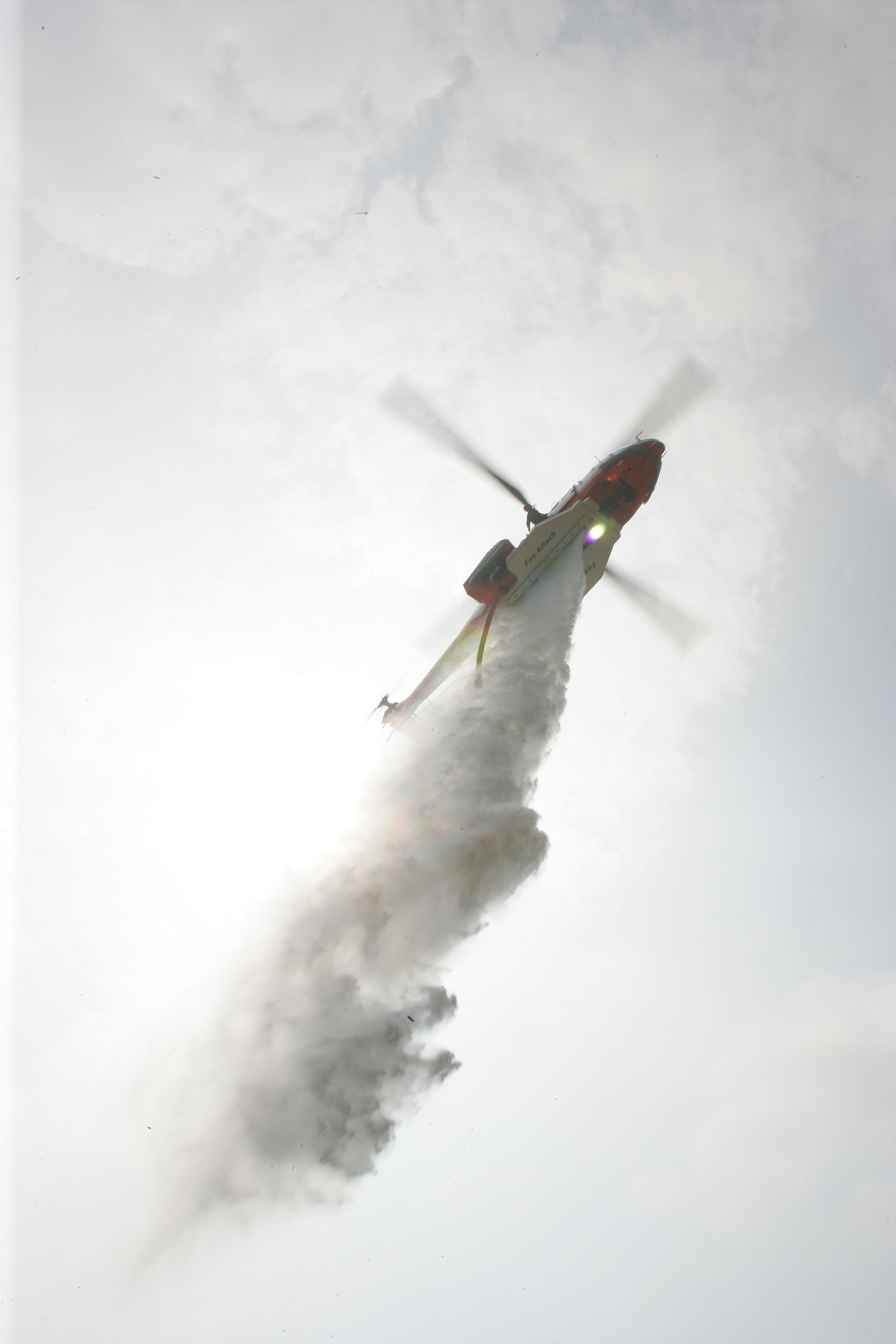
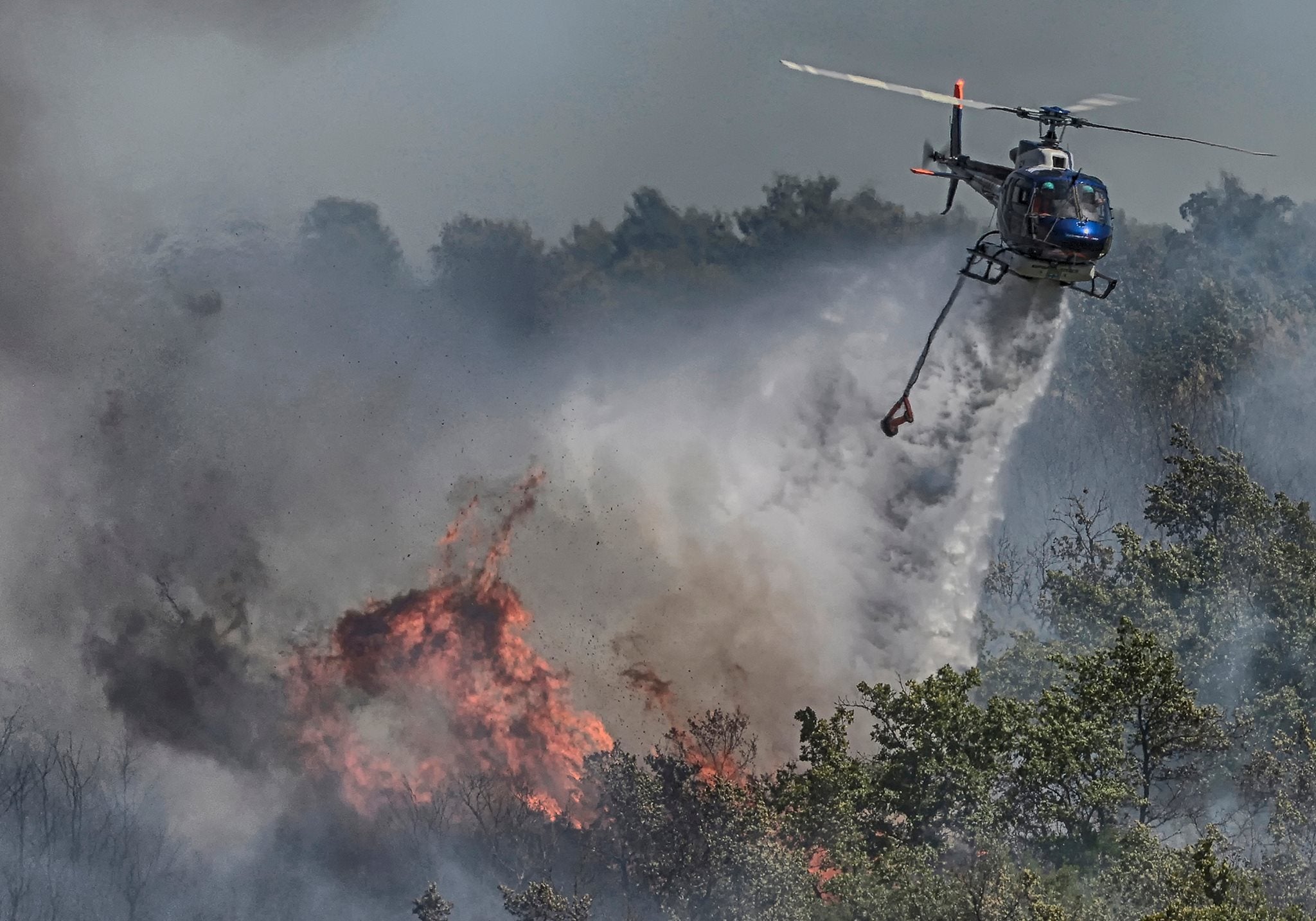
Aerospace fire response is a specialized discipline requiring rapid, high-integrity intervention to mitigate the combustion of advanced materials, hazardous propellants, and high-energy electronic systems in environments ranging from ground testing facilities to orbital platforms. Success relies on integrated fire suppression systems, rigorous adherence to safety protocols, and the use of specialized agents that account for both gravity-dependent and microgravity conditions.
The Dynamics of Aerospace Fire Environments
Fire response within the aerospace sector is fundamentally different from conventional structural firefighting due to the unique chemical and physical conditions involved. Aerospace vehicles and facilities frequently house high-pressure oxygen, specialized aerospace-grade fuels—such as RP-1, liquid hydrogen, and hypergolic propellants—and complex avionics arrays. Unlike terrestrial fires, which often involve cellulose or standard plastics, aerospace fires may involve metallic combustion (such as titanium or magnesium), which burns at extremely high temperatures and cannot be extinguished with water.
Furthermore, the environment itself influences the response strategy. Ground-based response teams must contend with static assets like launch pads or vacuum chambers, where traditional fire department tactics must be adapted to account for the risk of explosive containment failure or toxic chemical release. In contrast, onboard response in space vehicles is limited by the constraints of a closed-loop life support system, where the introduction of firefighting agents can introduce toxicity or impact the atmospheric scrubbers.
Essential Components of Fire Suppression Systems
Effective aerospace fire suppression is built on a multi-layered defensive strategy. Early detection is the critical first phase; systems are often automated, utilizing optical flame detectors, carbon monoxide sensors, and ionization smoke detectors designed to operate within the specific vibration and noise profiles of an aerospace facility.
Once a fire is identified, the suppression architecture activates. For ground-based facilities, high-expansion foam systems and water deluge systems are common for protecting launch vehicles during pre-launch sequences. These systems are specifically designed for rapid cooling of the vehicle structure to prevent "tank rupture" caused by thermal fatigue.
For enclosed aerospace environments, inert gas suppression is the standard. Agents such as nitrogen or specialized blends like Novec 1230 are used to displace oxygen to a level that sustains human life while suppressing combustion. In critical avionics bays, localized CO2 or clean-agent extinguishers are employed to minimize residue that could cause short-circuiting or corrosion of sensitive electrical contacts.
Comparative Analysis of Suppression Agents
The choice of suppression medium is dictated by the class of fire and the sensitivity of the surrounding hardware. The table below outlines common agents used in aerospace environments.
| Agent | Best Suited For | Key Operational Limitation |
|---|---|---|
| Water Deluge | Large structures, exterior cooling | Does not extinguish fuel-fed chemical fires |
| CO2 | Enclosed electronic enclosures | Risk of asphyxiation and thermal shock to glass |
| Novec 1230 | High-value avionics and labs | Requires hermetic sealing of the zone |
| Class D Powders | Metallic/Lithium battery fires | Leaves extensive particulate residue |
| Nitrogen Inerting | Fuel tanks and storage areas | Impossible to use in occupied spaces |
Operational Procedures for Incident Response
Response to an aerospace fire incident is governed by standardized checklists that prioritize human life, facility integrity, and the prevention of catastrophic energy release. The immediate priority is the isolation of high-energy sources, including electrical buses and propellant lines.
- Detection and Verification: Automated systems trip alarms, prompting a manual confirmation of the sensor trigger.
- Containment and Isolation: Remote operators or automated logic controllers isolate the affected sector. This includes shutting down propellant feed valves and powering down non-critical avionics.
- Suppression Deployment: Based on the zone identifier, the appropriate fire suppression agent is released.
- Ventilation and Clearing: In closed systems, once the fire is suppressed, the Atmosphere Revitalization System (ARS) must scrub the air of particulates and residual agents before personnel can re-enter.
Common mistakes in these protocols include the premature introduction of oxygen-rich air to a compartment that has been suppressed by inert gas, or the failure to account for "re-flash" potential when dealing with lithium-ion battery arrays. Battery fires, in particular, involve internal thermal runaway, where the fire effectively produces its own oxygen and can reignite even after external suppression efforts seem successful.
Addressing Lithium-Ion Battery Hazards
The rise of high-capacity lithium-ion batteries in space-grade rovers, drones, and crew modules has fundamentally shifted the requirements for fire response. Unlike traditional fuels, these batteries are prone to internal short-circuiting that creates a self-sustaining chemical reaction.
Response teams must treat these incidents with a "cool and contain" methodology. The goal is not just to extinguish the visible flame but to lower the internal temperature of the battery cells below the runaway threshold. This often requires the use of specialized, non-conductive, fire-retardant blankets or high-volume aqueous mist systems that can penetrate the tightly packed housing of battery modules. Failure to achieve rapid cooling frequently results in secondary ignitions, complicating the recovery of the hardware.
Training and Facility Readiness in 2026
As of 2026, the industry standard for aerospace fire response places a heavy emphasis on simulation-based training. Because actual fires are rare, personnel must utilize high-fidelity digital twins and physical simulators to practice the rapid decision-making required during an event. Ground personnel are trained in self-contained breathing apparatus (SCBA) protocols that account for the unique toxicity of burning advanced composites, such as carbon-fiber-reinforced polymers, which emit hydrogen cyanide and other hazardous gases when thermally degraded.
Facility managers are required to maintain strict adherence to NFPA 418 (Standard for Heliports) and aerospace-specific modifications to the International Fire Code (IFC). Annual certification of all automated suppression systems is mandatory, with pressure testing of nozzles and integrity testing of suppression-agent tanks being core components of the safety audit process.
Frequently Asked Questions
Can water be used to fight aerospace fires?
Water is highly effective for cooling metallic structures and protecting adjacent equipment from heat radiation, but it is generally ineffective against flammable liquid fires (Class B) or electrical fires (Class C). In the presence of high-energy electronics or volatile propellants, water may actually spread the fire or cause catastrophic electrical failure, requiring alternative agents.
How do you fight a fire in a microgravity environment?
Fire in microgravity behaves differently because the lack of buoyancy prevents the fire from venting upward, leading to a spherical flame shape that can easily re-ingest its own combustion byproducts. Response involves isolating the air supply to the zone and utilizing specifically formulated gas-based fire suppressants that can effectively penetrate the stagnant, low-flow environment.
What is the primary risk of aerospace battery fires?
The primary risk is thermal runaway, where heat from a failing cell triggers a chain reaction in neighboring cells. This process occurs internally, meaning that external fire suppression may not reach the source of the heat. Response requires prolonged cooling measures to ensure the chemical reaction stops entirely, preventing subsequent ignition.
Do aerospace fire suppression systems expire?
Yes. Suppression agents, seals, and pressurized containers have finite service lives. Under current 2026 safety guidelines, gas-based suppressant tanks must be periodically pressure-tested and recharged, while chemical agents must be sampled to ensure they have not degraded or lost their fire-extinguishing properties over time.
Recommendation for Emergency Preparedness
Facility operators should prioritize the installation of multi-spectrum flame detection sensors linked directly to the Building Management System (BMS). Integration allows for the automated "kill" of electrical circuits immediately upon detection, which is the single most effective way to prevent the progression of a fire. Ensure your facility's emergency response plan is updated to include site-specific protocols for lithium-ion battery storage and the handling of hazardous propellant leaks, conducting quarterly drills with local emergency responders who may be unfamiliar with the specialized hazards of aerospace facilities.