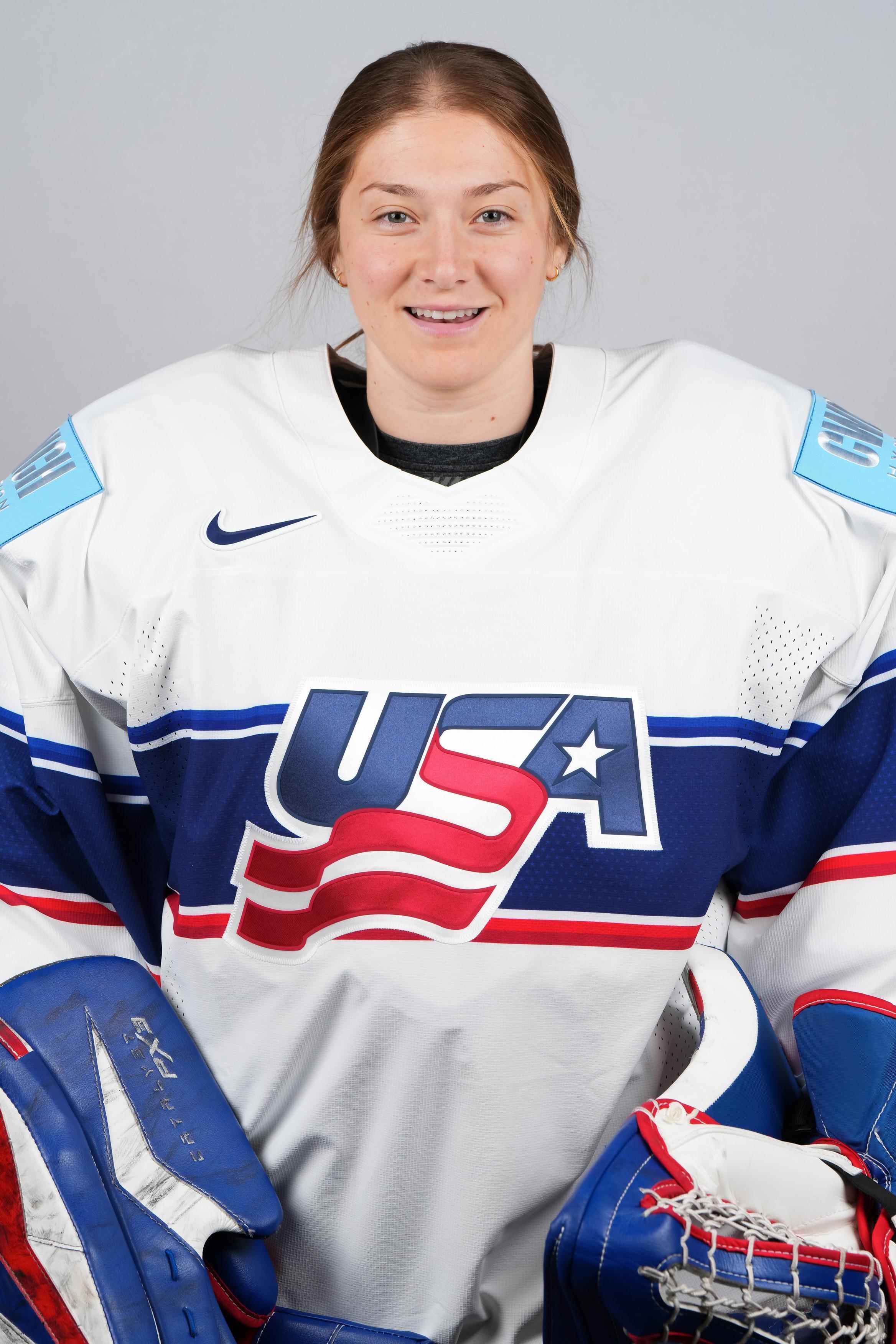
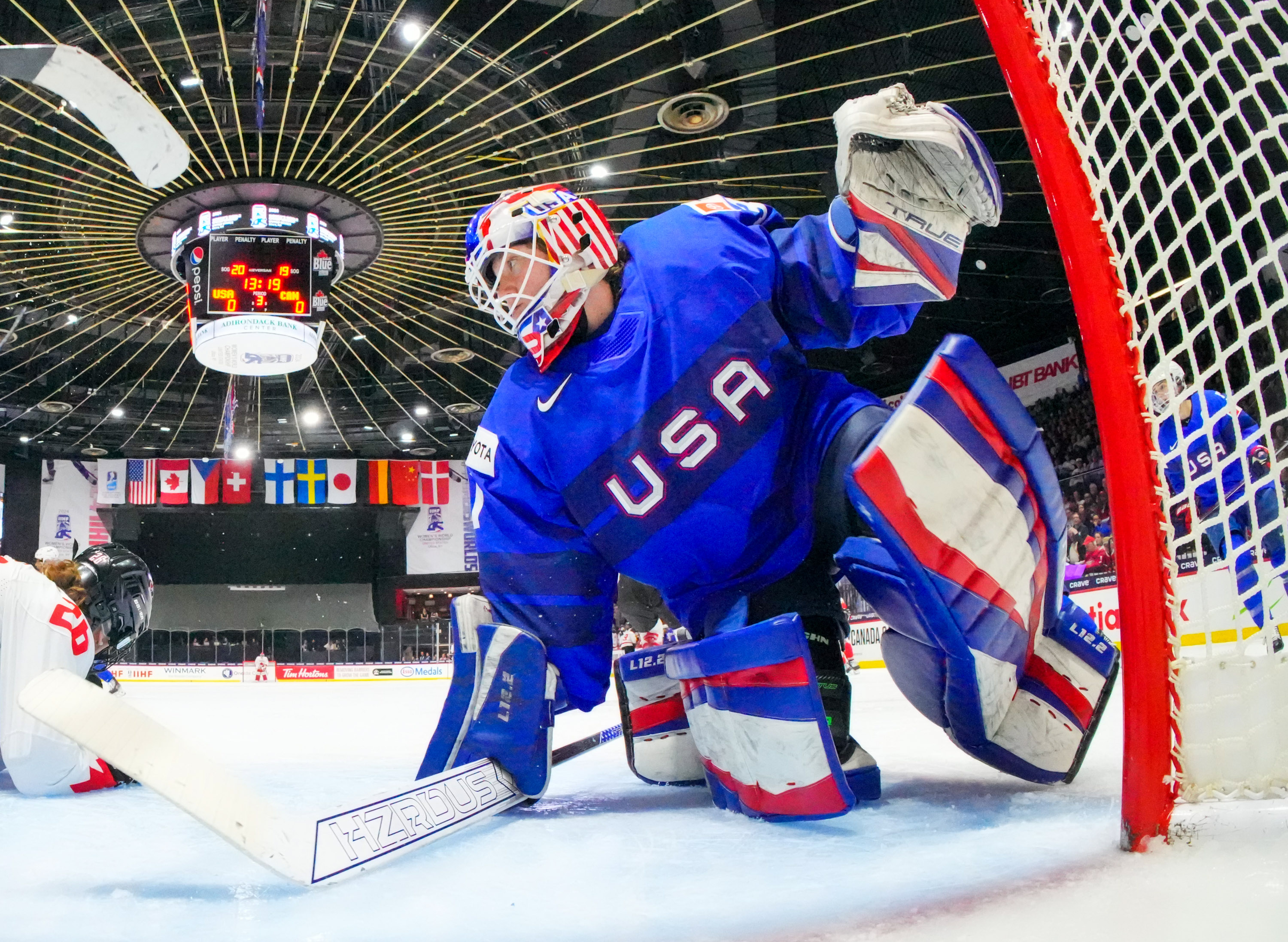
Aerin Frankel is a prominent figure in the field of collegiate athletics, widely recognized for her record-breaking career as a goaltender for the Northeastern University women’s ice hockey team. Her impact on the sport includes numerous individual accolades, most notably becoming the first goaltender in NCAA history to win the Patty Kazmaier Memorial Award, which recognizes the top player in women’s college hockey.
Collegiate Athletic Foundations and Development
Aerin Frankel’s rise to prominence began at Northeastern University, where she established herself as a cornerstone of the Huskies' defensive strategy. During her tenure, she became known for her exceptional technical ability, consistency, and poise under pressure. Her collegiate career was characterized by a statistically dominant performance that consistently placed her among the top goaltenders in the nation.
Developing into an elite athlete requires more than raw talent; it necessitates a structured approach to training, tactical awareness, and mental conditioning. For goaltenders, the position demands a unique synthesis of peripheral vision, spatial awareness, and reflexive reaction times. Frankel’s development at the NCAA level served as a case study in how consistent, high-level coaching combined with personal dedication can elevate an athlete to national recognition. By 2021, she had cemented her status as a collegiate legend, setting multiple school and conference records that changed the standards for goaltending at Northeastern.
The Significance of the Patty Kazmaier Memorial Award
The Patty Kazmaier Memorial Award is the most prestigious individual honor in NCAA Division I women’s ice hockey. Established in 1998, it is presented annually to the player who displays the greatest skill, sportsmanship, and contribution to her team. When Aerin Frankel was named the recipient in 2021, it represented a significant shift in how the hockey community evaluates the value of goaltenders.
Historically, the award has been frequently dominated by forwards and defensemen who contribute heavily to offensive production. Frankel’s win validated the critical defensive contributions that goaltenders make. Her performance in the 2020-2021 season, marked by exceptionally low goals-against averages and high save percentages, provided undeniable evidence of her impact. This recognition did more than honor her individual season; it elevated the visibility of the position within the broader context of collegiate sports analytics and recruiting.
Technical Proficiency and Playing Style
Aerin Frankel’s style of play is defined by technical precision and a deep understanding of geometry within the crease. Elite goaltending is rarely about spectacular, desperation saves; instead, it is about positioning and efficiency. Frankel demonstrated a mastery of "quiet" movement—navigating the crease with minimal wasted motion to ensure she remained square to the shooter.
Key elements of her technical performance included:
- Rebound Control: By directing pucks into non-threatening areas or freezing them, she effectively neutralized offensive pressure.
- Tracking and Vision: Her ability to track the puck through traffic—often referred to as "seeing through the screen"—was frequently cited by coaches as a separator from her peers.
- Mental Toughness: The ability to perform immediately following a high-pressure sequence or a mistake is a hallmark of elite goaltending, a trait that became a defining characteristic of her collegiate identity.
Comparative Performance Metrics in Collegiate Hockey
Evaluating the performance of a goaltender requires looking beyond simple win-loss records. Advanced metrics provide a more accurate picture of a player's actual impact on their team's defensive success. The following table summarizes the types of metrics typically used to evaluate elite collegiate goaltenders, reflecting the data points that defined Frankel's career.
| Metric | Definition | Importance to Goaltender Performance |
|---|---|---|
| Save Percentage (SV%) | The ratio of saves made to total shots on goal. | Measures individual effectiveness at stopping pucks. |
| Goals Against Average (GAA) | Average goals allowed per 60 minutes of play. | Reflects the goaltender's performance in relation to total time on ice. |
| Shutouts | Games where the goaltender allows zero goals. | Demonstrates dominance and the ability to maintain focus throughout a full game. |
| Minutes Played | The total time a goaltender spends on the ice. | Indicates reliability, durability, and the team’s trust in the player. |
Professional Transitions and Career Evolution
Following her collegiate career, the transition to professional hockey or international competition marks the final phase of an elite athlete’s development. For players of Frankel’s caliber, this transition is usually characterized by an adjustment to the increased speed, physical intensity, and tactical sophistication of the professional game.
In the years following her NCAA career, Frankel has continued to refine her game, navigating the complexities of post-collegiate competition. Professional environments require athletes to take a more holistic view of their careers, incorporating advanced recovery protocols, nutrition, and strength training that are specifically tailored to the long-term sustainability of a professional athlete. Her journey highlights the path for many collegiate athletes looking to maintain high-performance standards after leaving the university system.
Frequently Asked Questions
What made Aerin Frankel’s Patty Kazmaier win historic?
Aerin Frankel was the first goaltender in the history of the Patty Kazmaier Memorial Award to win the honor. Prior to her 2021 victory, the award had been predominantly awarded to offensive players, making her win a landmark moment for the recognition of defensive specialists and goaltenders in NCAA hockey.
Which university did Aerin Frankel play for?
Frankel played for the Northeastern University Huskies in the NCAA. She spent four seasons with the program, during which she led the team to multiple conference titles and established herself as one of the most statistically impressive goaltenders in the history of the university’s athletic department.
How did her playing style influence her success?
Her success was largely built on technical efficiency and superior positional play. Rather than relying on athletic acrobatics, she emphasized sound fundamentals, such as angle management and rebound control, which allowed her to handle high-volume shot situations with remarkable consistency.
What are the main challenges for a goaltender transitioning to professional play?
The transition involves adapting to a faster pace of play, more accurate shooters, and a higher level of tactical coordination among teammates and opponents. Furthermore, professional environments demand a greater emphasis on off-ice maintenance and recovery to sustain performance over a longer, more demanding schedule.
Is collegiate athletic data, such as SV% and GAA, a reliable predictor of professional success?
While collegiate statistics provide a baseline for evaluating talent, they are not absolute predictors of professional success. Scouts must also consider intangible factors such as coaching, team defensive systems, league competitiveness, and the athlete's ability to adapt to a professional environment, which often requires a different skill set than collegiate play.
Recommendations for Aspiring Goaltenders
For athletes aiming to replicate the success of players like Aerin Frankel, the priority must be on a foundation of technical repetition and mental discipline. Elite performance is built during the thousands of practice repetitions where mechanics are refined. Aspiring goaltenders should focus on:
- Fundamental Drills: Dedicate significant time to skating mechanics, edge work, and basic positioning drills.
- Video Analysis: Regularly review game and practice footage to identify gaps in positioning or tracking habits.
- Physical Conditioning: Implement a strength and flexibility program that supports the specific biomechanical needs of the goaltender, such as hip mobility and core stability.
- Mentorship: Seek feedback from coaches and experienced players to gain different perspectives on tactical decisions in the crease.
Ultimately, achieving a high level of play is a non-linear process that requires patience and a commitment to continuous improvement. By prioritizing these areas, athletes can build a sustainable and impactful career in competitive ice hockey.