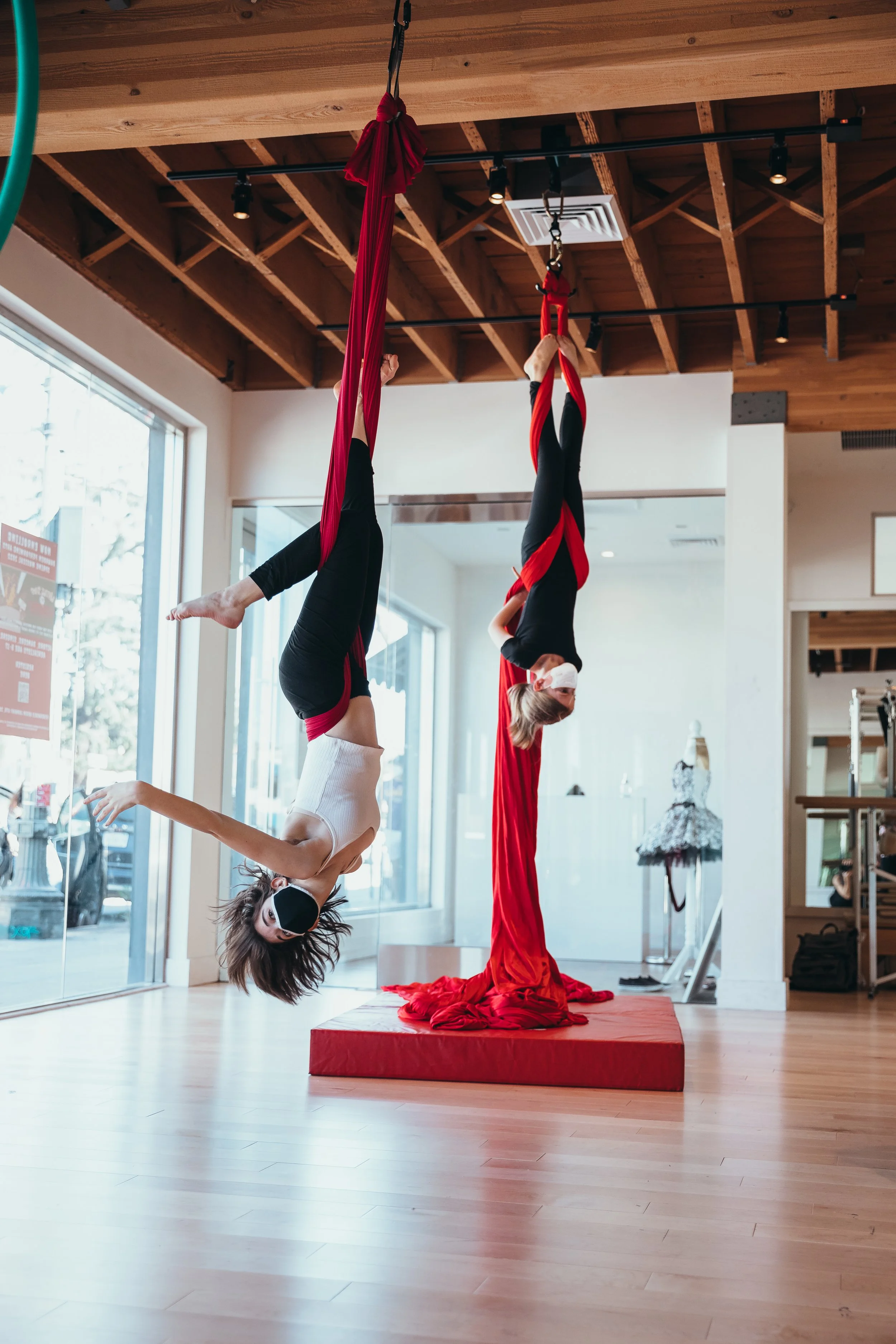
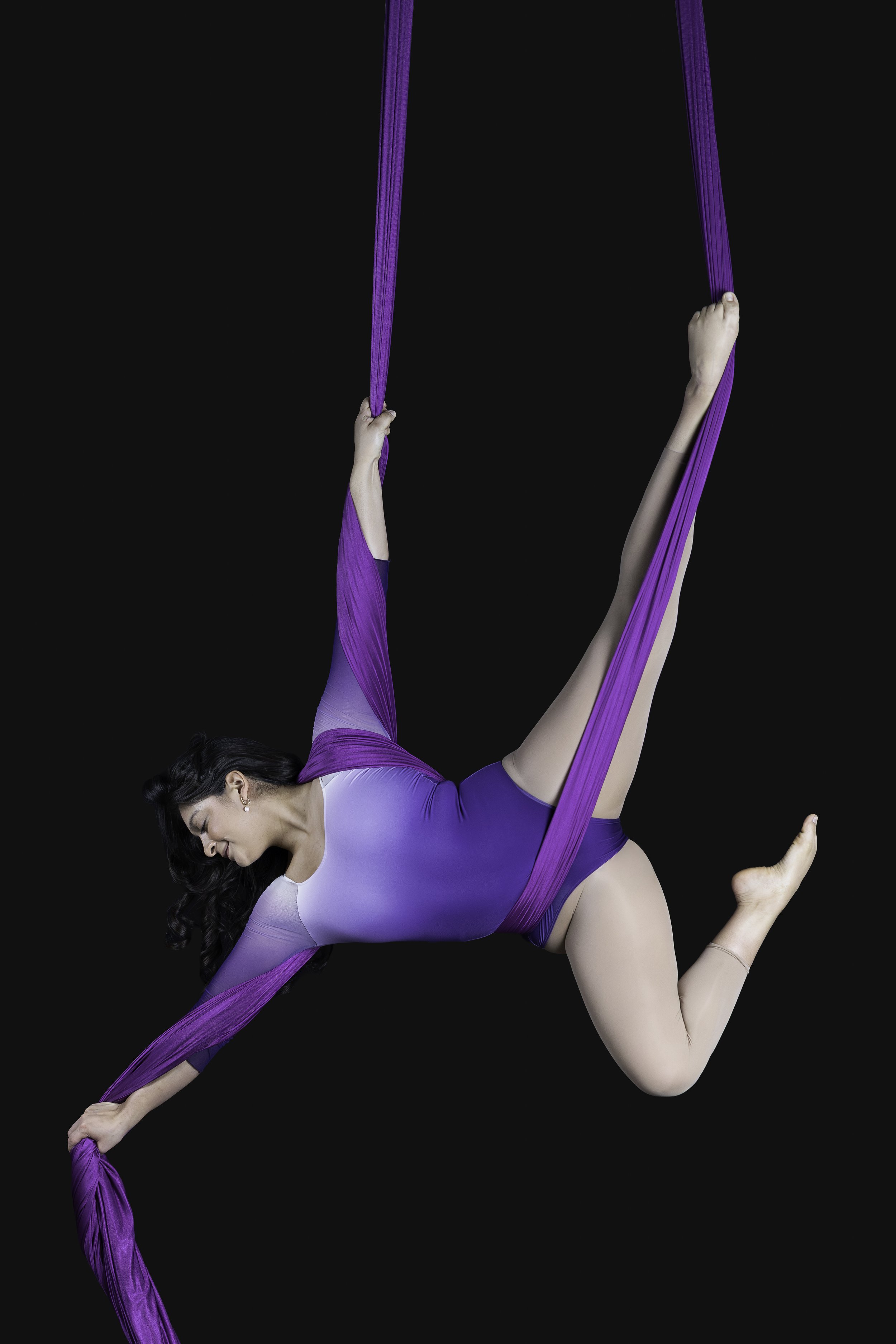
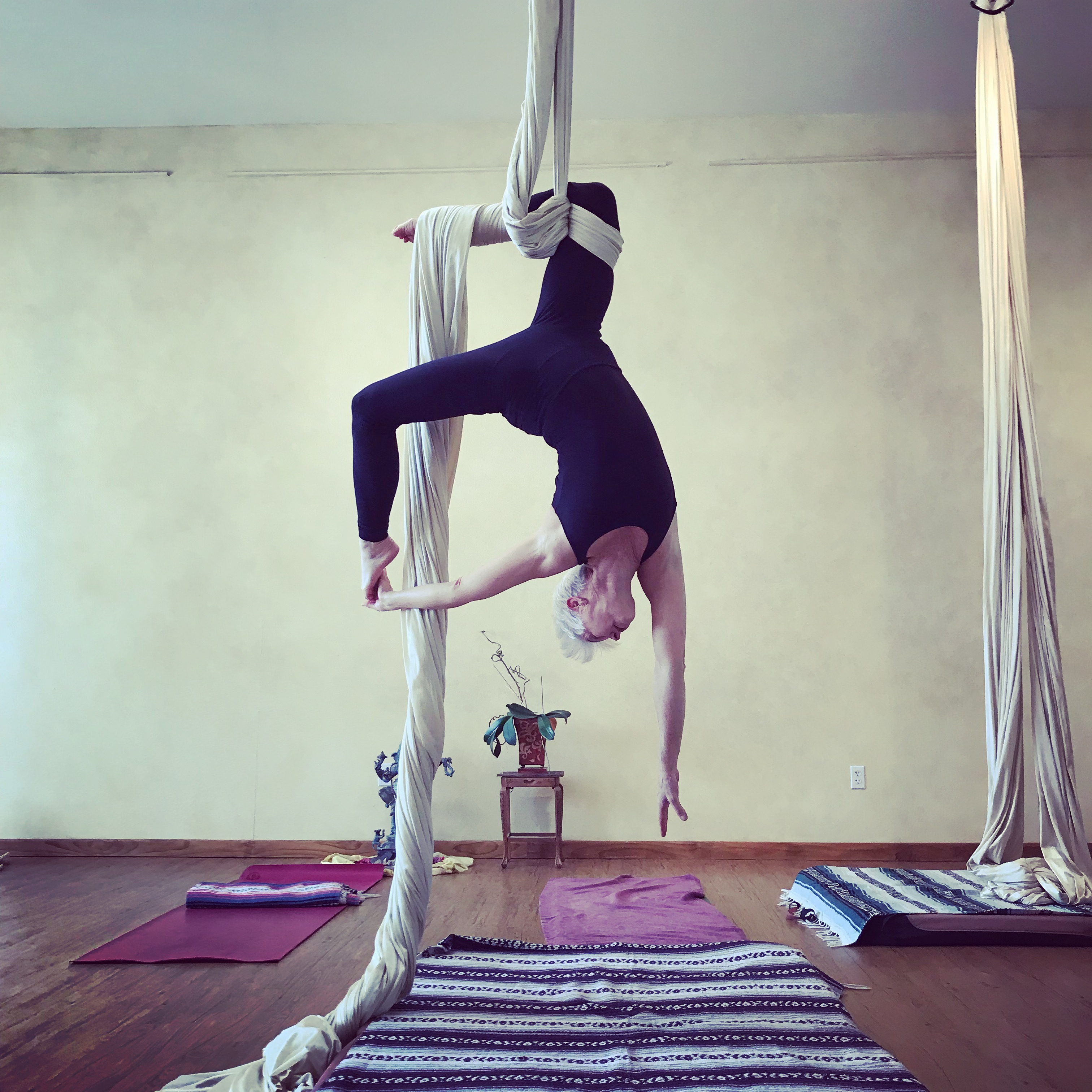
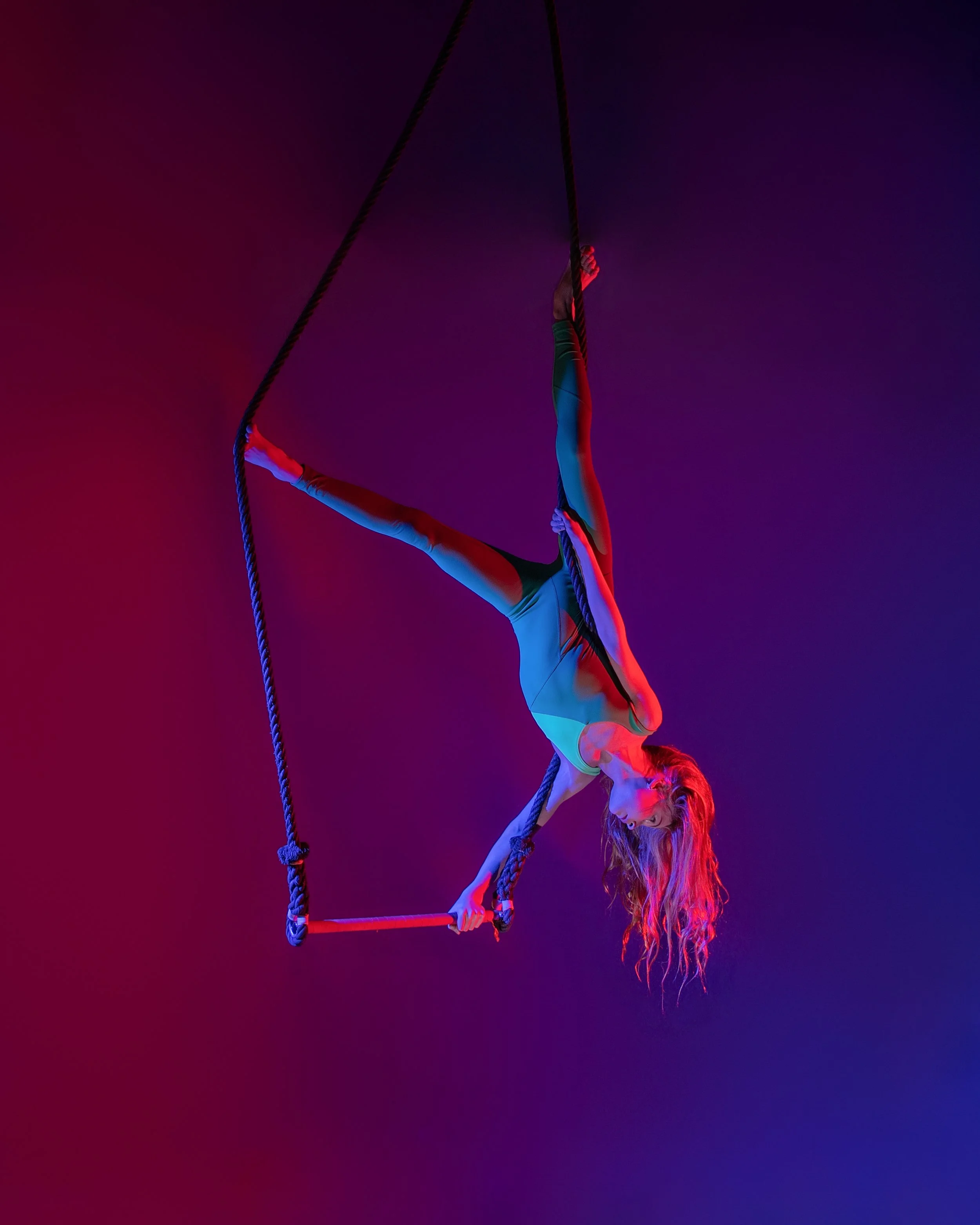
Aerial arts encompass a diverse range of performance disciplines performed above the ground, utilizing suspended apparatuses such as silks, lyra (aerial hoop), trapeze, and rope. These activities combine elements of gymnastics, dance, and circus performance, requiring specialized training in strength, flexibility, and equipment safety to perform gravity-defying maneuvers and choreographed routines in a controlled environment.
Understanding the Primary Aerial Apparatuses
The term "aerial arts" is an umbrella for several distinct disciplines. While they share common movement principles—such as engaging the core, grip strength, and spatial awareness—each apparatus offers a unique technical challenge and aesthetic result.
Aerial silks, also known as aerial fabric or tissue, consist of two long lengths of fabric suspended from a single point. Practitioners climb, wrap, and drop through the fabric to create dynamic figures. Lyra, or aerial hoop, is a circular steel apparatus that allows for static and spinning poses, emphasizing fluid transitions and lines. The static trapeze consists of a horizontal bar suspended by two ropes; it is often the entry point for beginners due to the stability provided by the bar and ropes. Finally, aerial rope (corde lisse) is a thick, braided cotton or synthetic rope that demands significant upper body strength, as the lack of a fabric "lock" requires constant tension to remain stable.
Foundational Prerequisites for Beginners
Entering the world of aerial arts requires a realistic assessment of physical readiness. Unlike recreational jogging or weightlifting, aerial arts impose unique stresses on the joints, particularly the shoulders, wrists, and fingers.
Before enrolling in a studio, potential students should have a baseline of shoulder stability. If you cannot comfortably hang from a pull-up bar for 15 to 30 seconds, you should prioritize conditioning exercises—such as scapular shrugs and dead hangs—to build the necessary connective tissue strength. Additionally, flexibility is a long-term project in aerial arts. While you do not need to be a contortionist to start, a lack of hamstring and shoulder mobility will limit the range of motion in basic climbs and poses.
Safety is the paramount prerequisite. Never attempt to rig apparatuses at home without formal training and certification from a qualified professional. A home rigging setup requires structural engineering knowledge to ensure the load-bearing point can withstand dynamic forces, which are significantly higher than static body weight.
Safety Standards and Equipment Maintenance
The integrity of your equipment is the most critical factor in aerial arts safety. In 2026, the industry standard relies on equipment rated for human flight (often labeled as "life safety" equipment).
Equipment, including carabiners, spansets, swivels, and the apparatus itself, must be inspected before every use. Look for signs of "wear and tear," such as fraying in fabrics, micro-cracks in metal hardware, or oxidation on steel hoops. Fabrics (silks) have a limited lifespan and must be retired according to the manufacturer’s usage hours, regardless of how new they may appear. Never use hardware intended for rock climbing or arboriculture for aerial arts unless it specifically meets the dynamic load requirements for circus performance, as these sports have different force-loading profiles.
Comparison of Popular Aerial Apparatuses
| Apparatus | Difficulty Entry | Primary Physical Focus | Best For |
|---|---|---|---|
| Static Trapeze | Beginner | Arm/Grip Strength | Foundational form |
| Aerial Hoop | Intermediate | Core/Flexibility | Artistic lines/spinning |
| Aerial Silks | Advanced | Full Body/Coordination | Dynamic drops/wrapping |
| Aerial Rope | Advanced | Grip/Endurance | Strength-based sequences |
Essential Training Procedures and Progression
Progress in aerial arts is non-linear and highly individualized. A standard curriculum usually begins with "ground work" and low-level conditioning. Coaches will focus on the "inverted tuck"—the ability to lift the hips above the head while holding onto the apparatus. This movement is the gateway to almost every advanced skill.
Students are typically introduced to basic climbs and locks in the first few weeks. As you progress, the focus shifts to endurance. A typical performance routine might last between three and five minutes, but it requires the anaerobic capacity of a high-intensity interval training session. Therefore, training sessions should be structured to balance skill acquisition with conditioning. Avoid "over-training" by limiting aerial sessions to three or four days per week to allow muscles and ligaments time to recover.
Common Mistakes to Avoid
The most frequent error among beginners is over-reliance on the "bicep pull." Because the arms are the most visible muscles, newcomers often try to muscle through poses. Effective aerial technique, however, relies on the back, specifically the latissimus dorsi and the muscles surrounding the scapula. Engaging the back protects the shoulder joint from injury and allows for longer, more graceful movements.
Another common mistake is neglecting the "landing zone." Always ensure that the crash mat beneath the apparatus is of the correct thickness and density for the height of your maneuvers. For work done near the floor, a standard thin mat may suffice, but any work involving heights above six feet requires specialized, high-density foam landing mats.
Troubleshooting Performance Plateaus
When a student hits a plateau, it is often due to a lack of "aerial intelligence"—the ability to understand how your body rotates and moves in three-dimensional space while holding a static object. If you find yourself stuck, look back at the basics. Revisit simple climbs and focus on cleaning up your lines—pointing your toes, engaging your core, and looking at the target point rather than your hands.
If you are struggling with a specific skill, ask your coach for a "breakdown." Breaking a move into its smallest components—such as the grip, the wrap, and the release—is more effective than trying to repeat the full sequence of a complex drop. Filming your training (with permission from the studio) is a highly effective way to identify the exact point of failure in a sequence.
Next Steps for Aspiring Aerialists
If you are ready to begin, the most effective next step is to locate a reputable studio in your area that employs certified instructors. When interviewing a school, ask about their safety certification protocols, the age of their equipment, and their student-to-instructor ratio. A safe learning environment will always prioritize spotting techniques—where an instructor physically assists or guides a student through a movement—until the student can safely execute it alone.
Once you have started, commit to a consistent schedule. Aerial arts is a skill-based discipline that rewards frequency over intensity. Consistent, shorter training sessions will yield better results and fewer injuries than erratic, marathon-length training blocks.