Advisory roles serve as a critical bridge between deep technical expertise and executive decision-making. These positions provide external or internal guidance, strategy, and specialized knowledge to leadership teams without assuming direct operational control or full-time management responsibilities. By maintaining this distance, advisors offer objective analysis, helping organizations navigate complex challenges, identify hidden risks, and capitalize on emerging market opportunities.
Defining the Scope of Advisory Roles
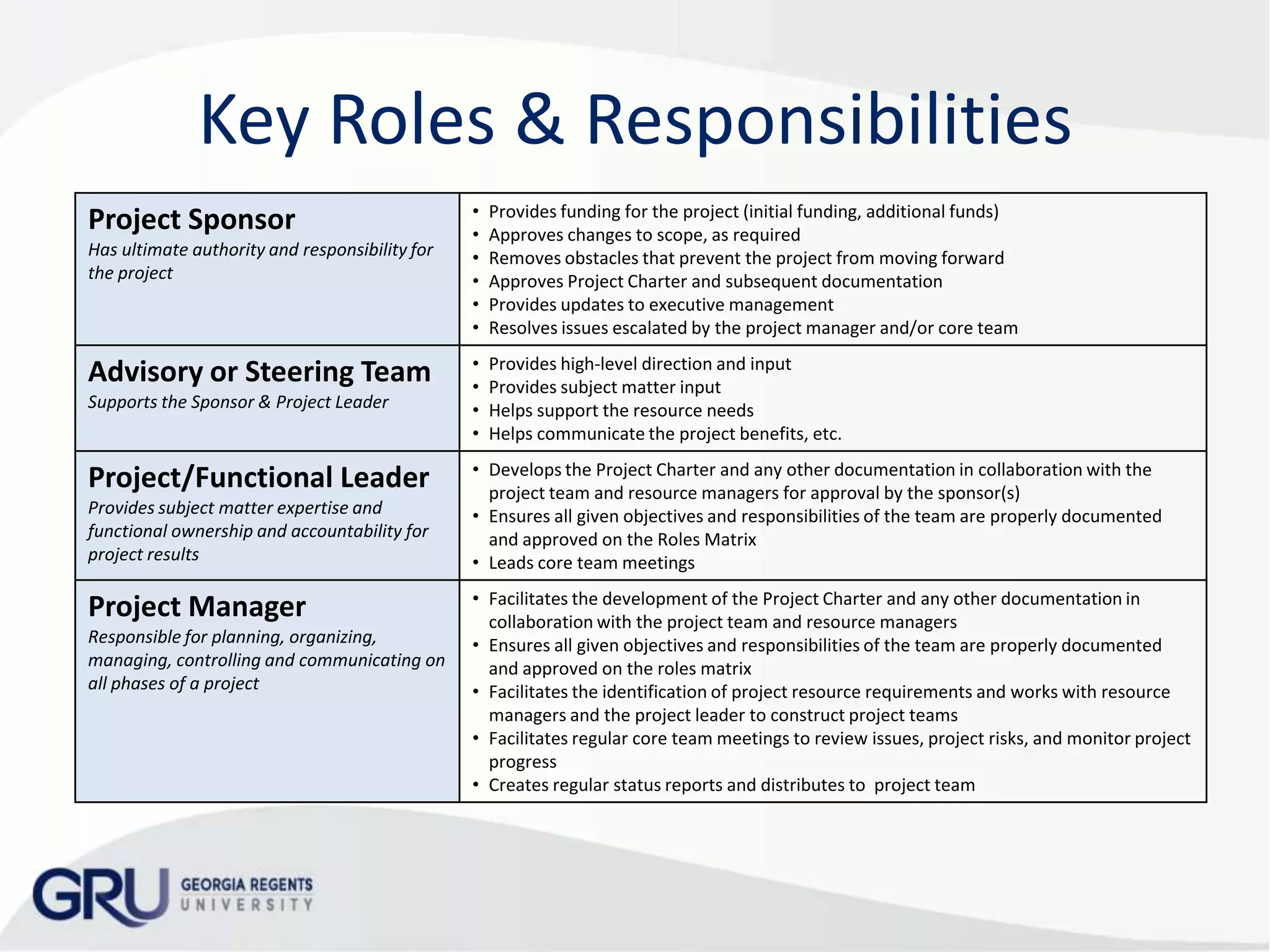
Advisory roles are distinct from traditional employment or board governance. Unlike executive directors, who hold fiduciary responsibilities and voting power, advisors operate in a consultative capacity. Their primary function is to influence decision-making by providing specialized insights, networking opportunities, and strategic foresight. In a corporate context, these roles are often formalized through an Advisory Board—a flexible, non-binding body that supports a company’s board of directors or senior management team.
The distinction between a mentor, a consultant, and an advisor is often a point of confusion. A consultant is typically hired for a specific project with a defined scope, timeline, and deliverable. A mentor provides career-long guidance to an individual. An advisor, by contrast, acts as a high-level strategic partner who maintains an ongoing relationship with the entity, providing guidance that evolves alongside the business’s life cycle. This nuance is crucial for organizations looking to leverage intellectual capital without incurring the bureaucratic overhead associated with formal directorships.
The Operational Mechanics and Structure
Organizations implement advisory roles to solve specific problems or to enter new domains where internal expertise is lacking. For example, a tech firm might appoint an advisor with a background in regulatory compliance to navigate impending legislation, or a startup might bring on an industry veteran to facilitate introductions to key venture capital networks. Because these roles are not legally bound by the same requirements as board members, the structure of the relationship is governed by an Advisory Agreement.
This contract typically outlines the scope of work, the expected frequency of interaction, and the compensation structure. Compensation for advisory roles often takes the form of cash stipends, equity grants (such as stock options), or a hybrid of both. The level of compensation generally reflects the advisor's stature, the time commitment required, and the strategic value of their network or knowledge. Since advisors are not employees, they are usually responsible for their own tax arrangements and insurance coverage, depending on local jurisdiction.
Comparing Advisory Structures
The following table provides a breakdown of how advisory engagements differ from traditional corporate governance and short-term consulting.
| Feature | Advisory Board Member | Board of Directors | External Consultant |
|---|---|---|---|
| Fiduciary Duty | None | Legal / Fiduciary | None |
| Voting Power | No | Yes | No |
| Relationship | Strategic / Long-term | Governance / Binding | Project-based |
| Liability | Low | High | Minimal (Contractual) |
| Primary Output | Strategic Guidance | Oversight / Approval | Tangible Deliverables |
Prerequisites for Successful Engagements
For an organization, success in utilizing advisory roles begins with clarity regarding the objective. Before engaging an advisor, management must determine if they need a "generalist" to offer broad industry perspective or a "specialist" to solve a granular technical problem. Failure to define this scope often results in "advisory friction," where the expectations of the organization conflict with the advisor’s availability or area of expertise.
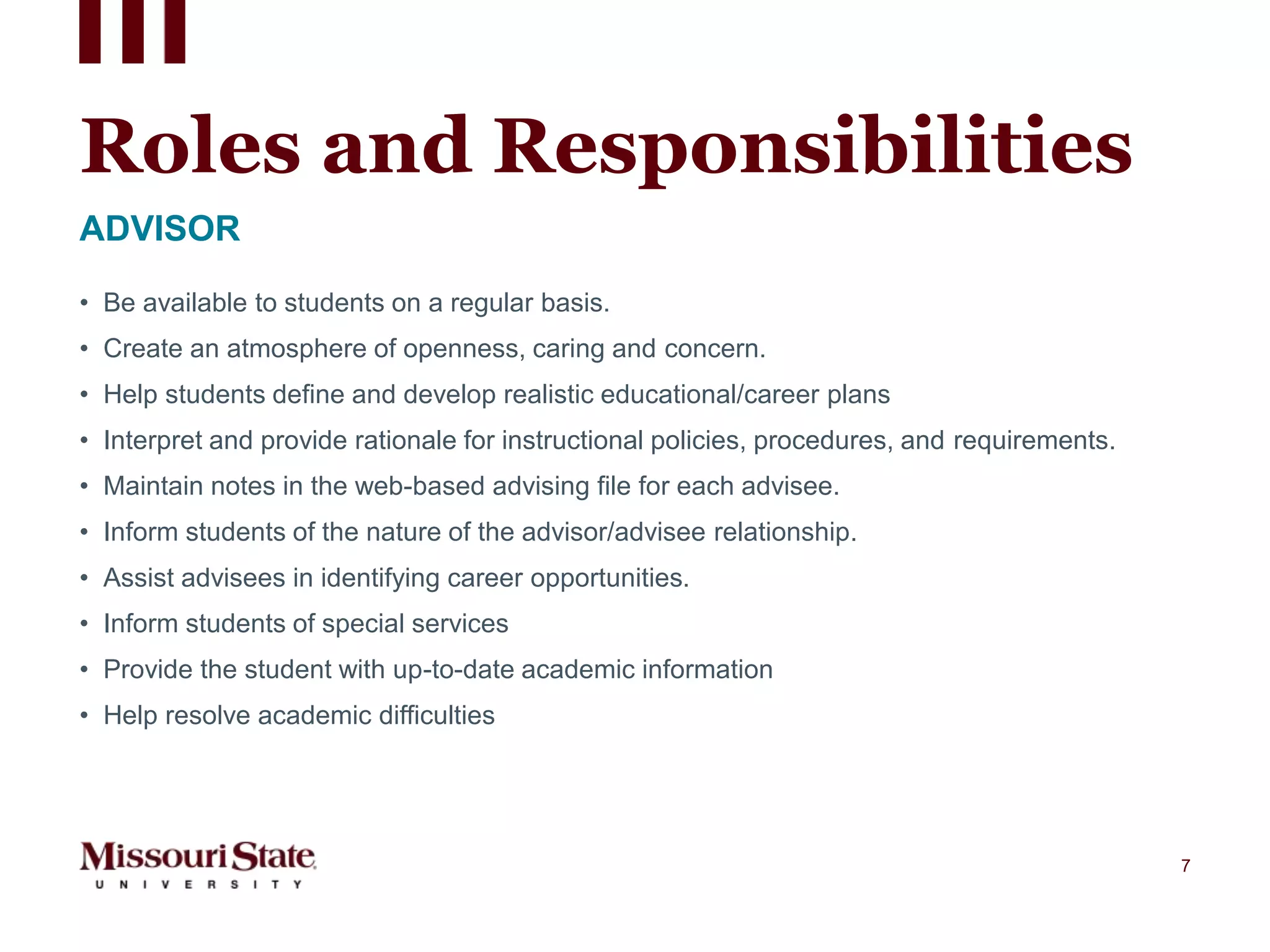
From the advisor’s perspective, the prerequisite for an effective engagement is access. An advisor cannot provide meaningful guidance if they are siloed from the truth of the business’s operational health. Establishing a rhythm of communication—such as quarterly meetings or monthly check-ins—is essential. Furthermore, the organization must be prepared to act upon the advice provided. Even though advisory feedback is non-binding, consistently ignoring expert input can lead to disengagement and a degradation of the value provided by the advisor.
Common Challenges and Risk Mitigation
While advisory roles offer significant benefits, they are not without risks. One common pitfall is the lack of alignment between the advisor’s incentives and the company’s long-term objectives. For instance, if an advisor is compensated heavily with equity early on but lacks a vesting schedule that ties their participation to milestones, they may lose interest as the company faces difficult transitions.
Another significant challenge is the potential for information leakage. Advisors, by nature, possess deep knowledge of multiple organizations. While non-disclosure agreements (NDAs) are a standard safeguard, companies must be diligent about which internal data is shared. Sensitivity levels should be mapped to the advisor's role. A strategic advisor may need access to high-level financial projections, while a technical advisor should be limited to the specific product architecture or research they were hired to oversee.
FAQ: Understanding Advisory Dynamics
What is the typical term length for an advisor?
Advisory terms vary, but most initial agreements are set for one to two years. This timeframe is long enough to establish a productive working relationship and provide strategic impact while remaining short enough to allow for a graceful exit if the business needs change.
Can an advisor be held personally liable for company decisions?
Generally, no. Because advisors do not hold fiduciary duties, they are not subject to the same personal legal liabilities as members of a Board of Directors. However, this depends on the specific language of the advisory contract and the jurisdiction of incorporation. Organizations should always consult with legal counsel to ensure the advisory agreement explicitly clarifies this lack of fiduciary responsibility.
How often should an organization meet with its advisors?
Engagement frequency depends on the current stage of the business. Early-stage startups may require monthly "sprint" sessions, while established corporations may only require quarterly strategic reviews. Consistency is more important than volume; a predictable cadence allows for better preparation and more actionable feedback.
Are advisory roles considered "employment" for tax purposes?
In most jurisdictions, advisors are classified as independent contractors rather than employees. This means the organization does not withhold taxes or provide benefits. It is the responsibility of the advisor to handle their own tax reporting, and they are typically compensated via invoices submitted to the company.
What should an advisor look for before signing an agreement?
An advisor should verify the company’s financial stability, the reputation of the existing leadership team, and the clarity of the scope of work. It is also vital to ensure the agreement includes a clear "termination for convenience" clause, allowing either party to exit the arrangement with reasonable notice.
Next Steps for Organizations and Prospective Advisors
If you are an organization looking to establish advisory roles, begin by drafting a specific profile of the expertise you lack. Avoid the temptation to bring on "names" for the sake of marketing; focus instead on individuals who can provide objective, critical thinking. Create a simple, robust advisory agreement that defines the meeting cadence, the specific strategic problems you wish to address, and a compensation structure that rewards milestone achievement.
For professionals considering these roles, your value lies in your specialized experience. Identify the sectors or stages of company growth where your background provides the most leverage. Before committing to a role, request a conversation with the executive leadership to gauge whether they are truly seeking feedback or merely a "stamp of approval." Aligning expectations at the outset ensures that the advisory relationship remains a source of mutual growth and strategic clarity.