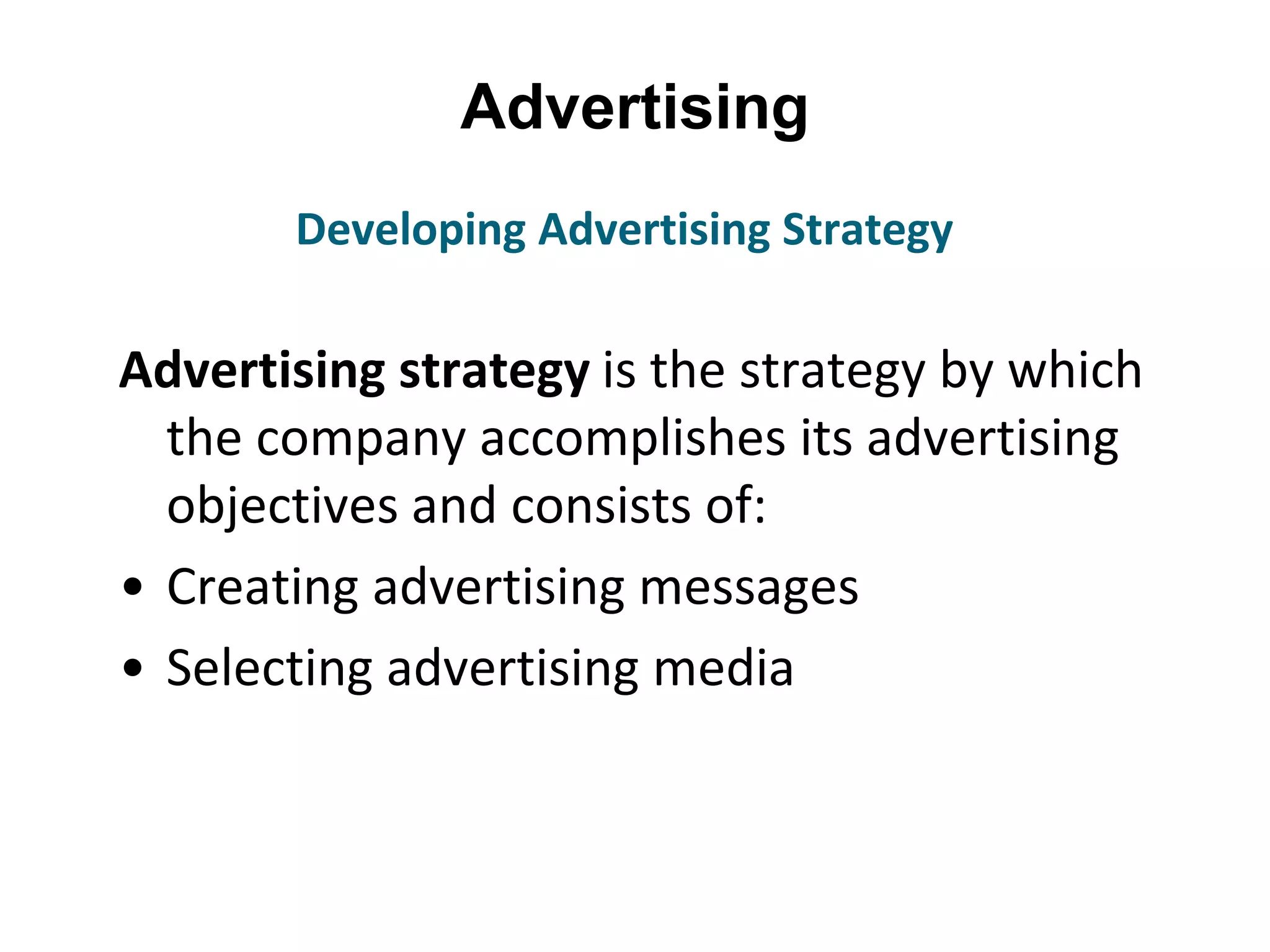
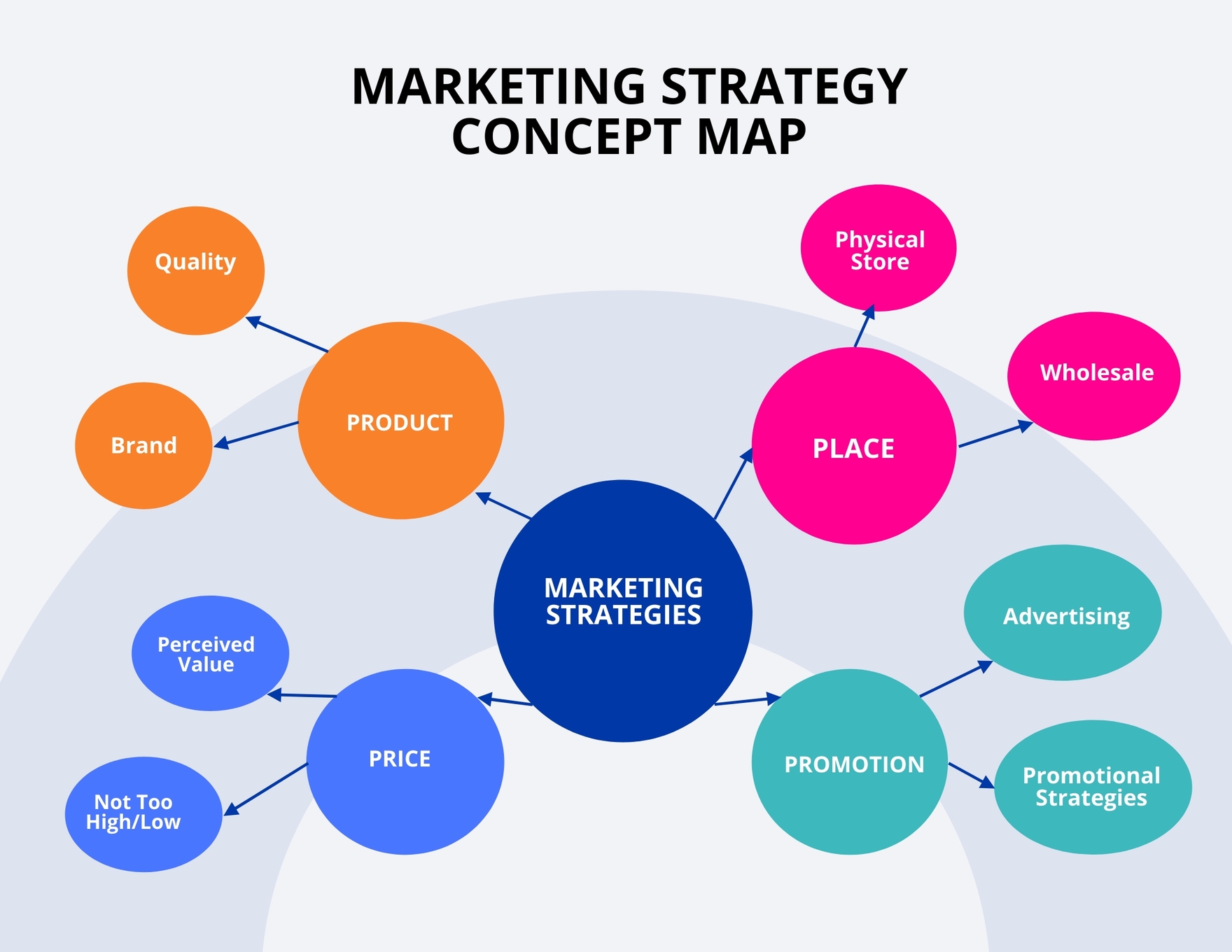
An effective advertising strategy functions as the blueprint for how a brand communicates its value proposition to target audiences to achieve specific business objectives. It integrates media selection, creative messaging, budget allocation, and performance measurement into a cohesive framework designed to capture market share and drive measurable conversion.
Defining the Core Pillars of Advertising Strategy
A robust advertising strategy is not merely a list of marketing tactics; it is a systematic approach to resource allocation. Without a foundational strategy, organizations often succumb to "channel bias," where budgets are directed toward platforms simply because they are popular, rather than because they align with the business's specific goals. A well-constructed strategy begins with the identification of a Unique Selling Proposition (USP), which distinguishes the brand from competitors.
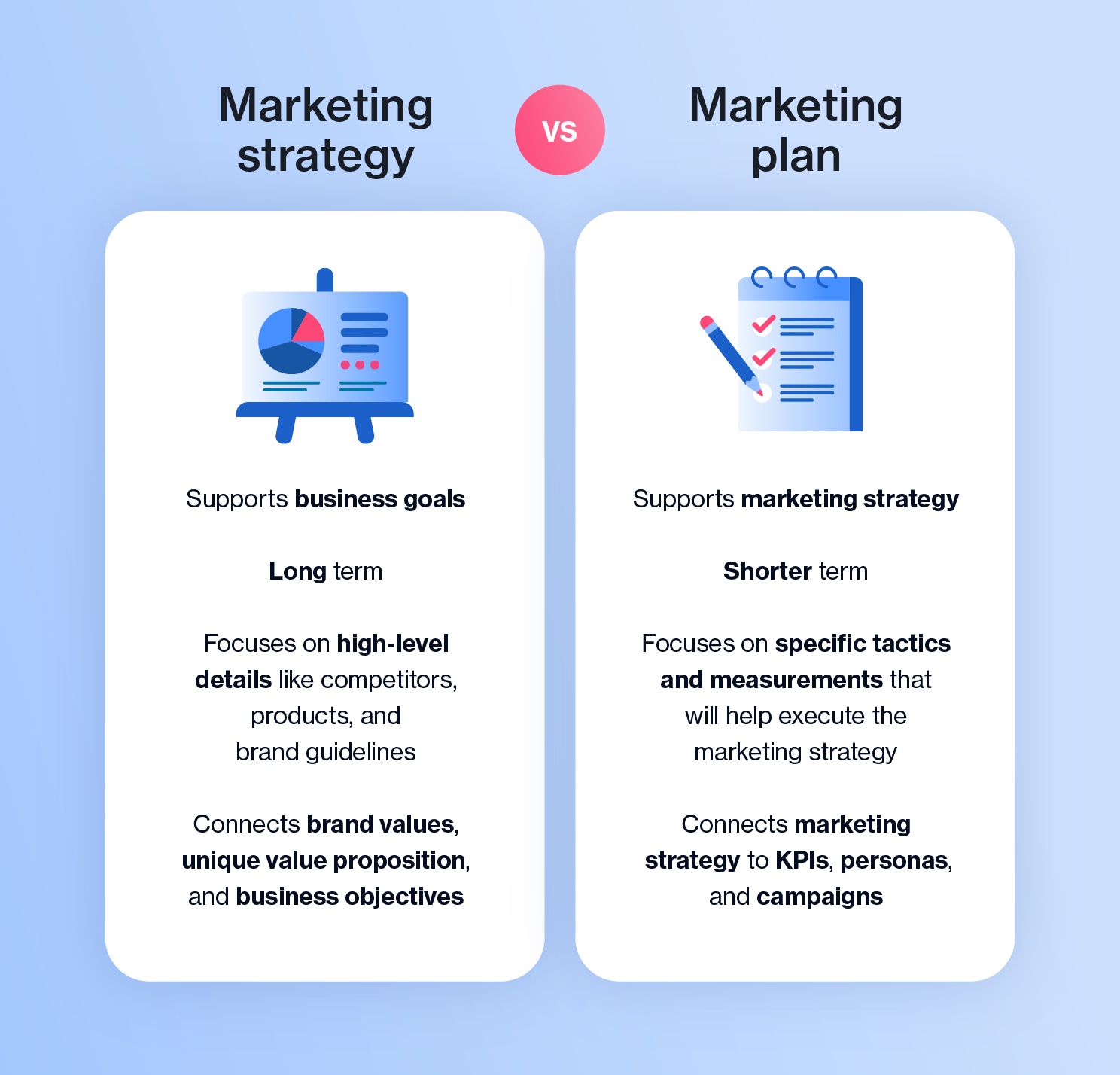
The strategy must clearly define the role of advertising within the broader marketing funnel. For instance, top-of-funnel initiatives prioritize brand awareness and reach, while bottom-of-funnel efforts focus on lead generation or direct sales. Balancing these two requires an understanding of the customer journey, from initial discovery to final purchase decision.
Market Analysis and Target Audience Segmentation
Before selecting advertising channels, businesses must conduct a rigorous analysis of their target environment. This involves identifying the specific segments most likely to respond to the value proposition. In 2026, data privacy regulations such as the GDPR in Europe and various state-level privacy acts in the United States continue to reshape how advertisers collect and utilize audience data. Consequently, a successful strategy increasingly relies on "first-party data"—information gathered directly from customer interactions rather than third-party tracking.
Segmentation should go beyond basic demographics like age or location. Psychographic segmentation—focusing on attitudes, interests, and pain points—often provides a more accurate prediction of advertising success. By creating detailed buyer personas, organizations can craft creative assets that speak directly to the emotional and practical needs of their prospective customers.
Strategic Media Selection and Platform Allocation
The media mix chosen for an advertising strategy dictates how efficiently an organization reaches its target audience. Not every platform is suitable for every business model; B2B (business-to-business) services often find higher ROI on professional networking platforms, whereas B2C (business-to-consumer) brands targeting younger demographics may prioritize short-form video platforms.
The following table compares core advertising categories based on their primary strategic function and typical application:
| Channel Type | Primary Intent | Typical Metric | Ideal Application |
|---|---|---|---|
| Paid Search (SEM) | Capturing existing demand | Cost Per Acquisition | Products with high intent |
| Social Media Ads | Building brand awareness | Reach / Engagement | Visual or lifestyle brands |
| Programmatic Display | Retargeting | Impressions / CPM | Maintaining brand salience |
| Content/Native | Education / Trust | Time on Page | Complex B2B solutions |
In 2026, the shift toward automated bidding and AI-assisted ad placement has made media buying more efficient but also more opaque. Advertisers must exercise caution, ensuring that automated algorithms remain aligned with brand safety guidelines and regional content regulations.
Budgeting and Resource Allocation Methods
Developing an advertising strategy requires a disciplined approach to budgeting. One of the most effective methods remains the "Objective and Task" approach, where the budget is determined by calculating the cost of reaching the specific milestones required to meet a business goal. This stands in contrast to the "Percentage of Sales" method, which is often reactive and fails to account for the competitive intensity of the current market.
Cost structures also vary significantly based on the advertising model. CPM (Cost Per Mille) focuses on brand awareness through impressions, while CPC (Cost Per Click) or CPA (Cost Per Acquisition) shifts the financial risk toward the advertiser's performance goals. Understanding the relationship between these costs and the expected Lifetime Value (LTV) of a customer is critical for long-term viability. If the cost to acquire a customer exceeds the profit margin of the initial sale, the advertising strategy must pivot toward increasing retention or optimizing conversion rates on the website.
Creative Strategy and Message Consistency
The creative element of an advertising strategy is the bridge between the data-driven media plan and the target audience. Regardless of how well a campaign is targeted, a poorly executed creative message will result in low engagement and wasted budget. Strategy-driven creative involves maintaining a consistent "Brand Voice" across all channels, ensuring that a user’s experience is seamless whether they click an advertisement on a search engine or a video platform.
In the current environment, creative fatigue is a major concern. Advertisers must implement a rotation of assets to prevent audience burnout. This requires a production cycle that allows for regular testing of headlines, visuals, and calls-to-action (CTAs). A/B testing—comparing two versions of an ad to see which performs better—is a standard requirement for optimizing creative efficiency.
Measuring Performance and Troubleshooting
A strategy is only as effective as its ability to be measured and adjusted. Key Performance Indicators (KPIs) must be established before a campaign launches. These should map directly to the business objectives defined in the initial phase. Common pitfalls include focusing on "vanity metrics," such as total likes or page views, which may not translate into actual revenue or growth.
Troubleshooting an underperforming strategy requires a diagnostic approach. If conversion rates are low, the issue may lie with the landing page or the offer itself rather than the ad creative. If click-through rates (CTR) are low, the problem is likely the relevance of the ad to the target audience. By isolating these variables, advertisers can perform iterative improvements, gradually lowering acquisition costs while scaling successful campaigns.
Frequently Asked Questions
How do I determine the right budget for my advertising strategy?
Start by defining your target acquisition cost per customer and your total revenue goals. Calculate the volume of traffic required to hit those goals based on industry-standard conversion rates. Your budget should be the product of that necessary traffic volume and the estimated cost per click or impression, plus a buffer for initial testing and creative production.
How does the rise of AI affect my current advertising strategy?
AI tools currently automate bidding, audience targeting, and even creative generation. While this improves efficiency, it requires human oversight to ensure brand consistency and to audit for algorithmic bias. Your strategy should shift from manual campaign management to "strategic steering," where you set the parameters and goals for the AI while evaluating its output against your brand standards.
What is the difference between brand awareness and performance marketing?
Brand awareness focuses on top-of-funnel reach, aiming to make your business a recognizable authority in your space, often measured by impressions and reach. Performance marketing focuses on bottom-of-funnel results, such as clicks, sign-ups, or sales, and is measured by immediate financial return on investment. A balanced strategy integrates both to ensure a consistent pipeline of new prospects and loyal, converting customers.
How often should I update my advertising strategy?
A comprehensive strategic review should occur at least annually to align with business cycles. However, campaign-level tactics should be reviewed and optimized on a monthly or bi-weekly basis. If market conditions shift—such as a new competitor entering the space or a sudden change in platform algorithms—the strategy should be reviewed immediately.
Next Actions for Implementation
To operationalize your advertising strategy, begin by conducting a baseline audit of your current digital presence. Identify which channels have historically provided the highest conversion rates and which have underperformed. Document your primary business objective for the next six months and allocate 70% of your budget to proven, high-performing channels, while reserving 30% for testing new creative approaches or emerging platforms. Set a recurring date to review your performance metrics against these goals, ensuring you have the data necessary to make informed pivots.