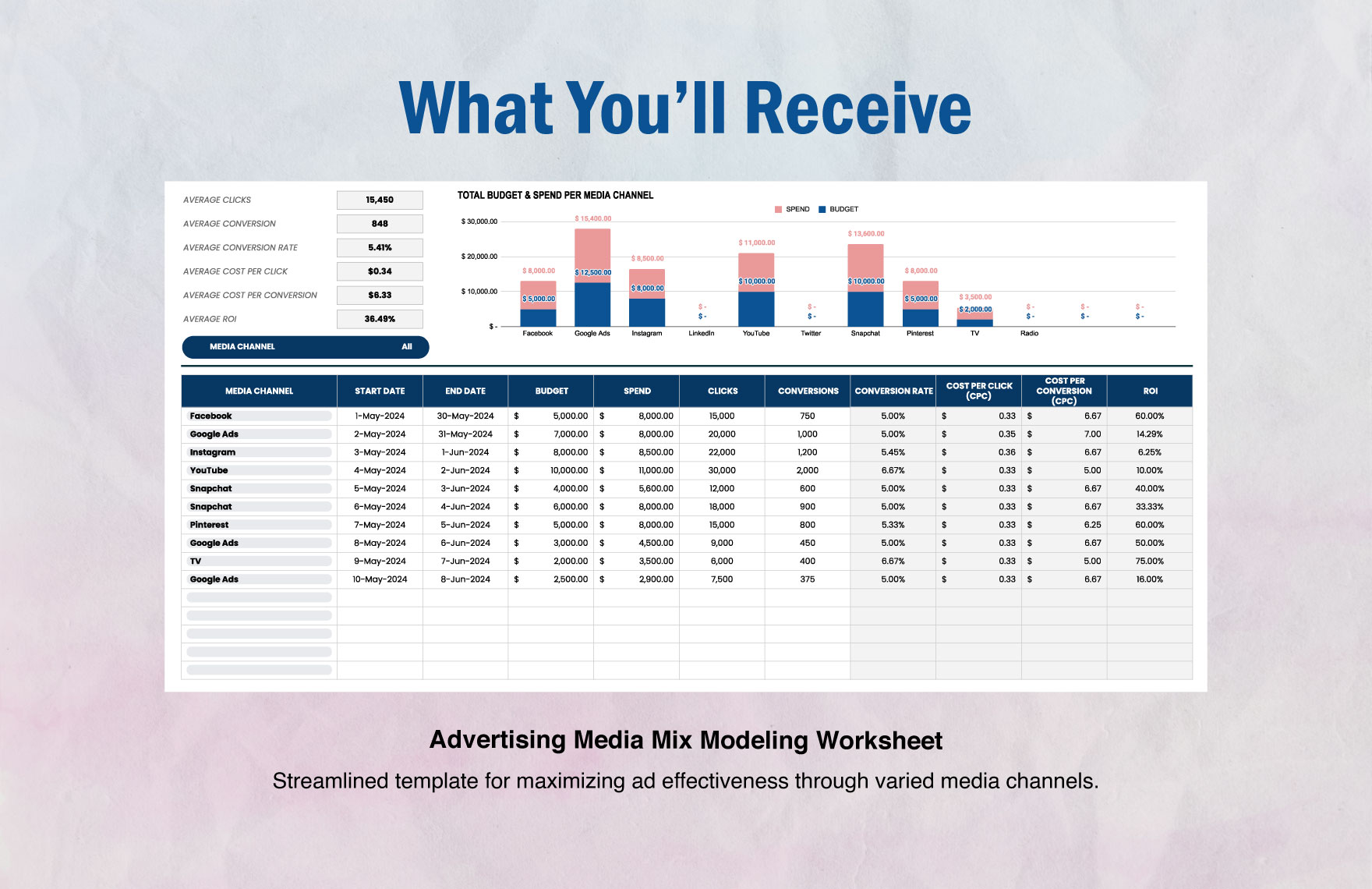
Advertising media pricing is the complex process of determining the financial cost to place marketing messages across various distribution channels, influenced by supply, demand, audience demographics, and format technicalities. Pricing models shift based on whether an advertiser is purchasing digital impressions, physical billboard space, or broadcast airtime, requiring a nuanced understanding of metrics such as CPM, CPC, and negotiated flat-rate agreements.
The Core Principles of Media Valuation
At the heart of all advertising media pricing lies the concept of reach and frequency. Media owners, from television networks to digital publishers, price their inventory based on the size and quality of the audience they can deliver to a brand. Unlike standardized retail products, media inventory is inherently perishable; once a commercial break passes or a digital banner refresh cycle concludes, that opportunity to display an advertisement vanishes. Consequently, pricing is dynamic and dictated by market equilibrium.
The valuation process begins with reach—the total number of unique individuals exposed to a message—and frequency, the average number of times those individuals see it. Higher reach commands a premium, but precision often outweighs raw volume. Advertisers pay more to access segments that are harder to reach or possess higher purchasing power, a factor that leads to the segmentation of media into "premium" inventory versus "remnant" or secondary inventory.
Digital Advertising Pricing Models
In the digital ecosystem, pricing is largely transactional and performance-oriented. Unlike traditional media, which often relies on fixed-rate cards, digital platforms utilize real-time bidding (RTB) to determine costs.
- CPM (Cost Per Mille): The standard for brand awareness campaigns, where advertisers pay a fixed rate for every 1,000 impressions. Price is determined by the publisher's site traffic and the specific audience profile of the users viewing the ad.
- CPC (Cost Per Click): Primarily used in search and social media advertising. The price is determined by the competitiveness of keywords or target audiences, with platforms using a secondary-price auction model where the advertiser pays only enough to beat the next highest bidder.
- CPA (Cost Per Acquisition): A performance-based model where the advertiser pays only when a specific action, such as a sale or sign-up, is completed. This model shifts the financial risk from the advertiser to the media owner, generally resulting in a higher cost per unit.
Traditional Media Cost Structures
Traditional advertising—television, radio, out-of-home (OOH), and print—operates on different economic rules. Pricing in these sectors is generally established through direct negotiation between agencies and media owners or through rate cards that serve as a starting point for discussions.
Television advertising costs are heavily impacted by "Dayparts," with primetime slots commanding the highest premiums due to peak viewership. Factors like seasonality also play a massive role; for example, inventory during major sporting events or late-year holiday periods is priced at a premium due to high demand.
Out-of-home media, such as billboards, prices its inventory based on location-specific metrics like Daily Effective Circulation (DEC). A billboard located on a high-traffic highway in a metropolitan center will invariably be priced higher than a rural display because it guarantees higher exposure to a transient audience.
Comparison of Advertising Media Pricing Methods
| Model | Primary Metric | Best For | Risk Distribution |
|---|---|---|---|
| CPM | Impressions | Brand Awareness | Shared (Ad quality matters) |
| CPC | User Clicks | Traffic Generation | Publisher (Depends on engagement) |
| CPA | Conversions | Sales/Leads | Publisher (Performance guarantee) |
| Flat Rate | Time/Placement | Sponsorships | Advertiser (Fixed cost) |
Factors Influencing Price Volatility
Understanding the variables that cause pricing to fluctuate is essential for effective budget management. First, Seasonality remains the most predictable factor. In 2026, as in previous years, demand for media inventory surges during the fourth quarter, leading to a significant increase in CPMs across both digital and broadcast channels.
Second, Audience Targeting Complexity directly inflates costs. When an advertiser demands highly specific behavioral or demographic filtering—such as "adults aged 25–34, earning over $100,000, who recently visited an automotive website"—the media owner must expend more data processing power or restrict the audience pool, leading to a "scarcity premium."
Third, Economic Conditions and Inventory Supply dictate long-term trends. During periods of high demand, media owners consolidate inventory to keep prices high. Conversely, during economic downturns, publishers often lower their floor prices or introduce "value-add" inventory (extra impressions at no cost) to maintain occupancy levels.
The Role of Agency Negotiation
While digital platforms allow for automated, self-service buying, large-scale media campaigns often rely on agency negotiation. Media agencies maintain relationships with network owners and publishers, leveraging the combined spending power of multiple clients to secure bulk discounts or "added value" placements.
Negotiation typically revolves around the "Upfronts" for television—annual periods where advertisers commit to large portions of their yearly budgets in exchange for guaranteed inventory and more favorable rates. These long-term agreements provide financial stability for the media owner while insulating the advertiser from mid-year market price spikes.
Common Pitfalls in Media Procurement
Advertisers often overpay when they prioritize superficial metrics over business outcomes. A common error is focusing solely on the lowest CPM without considering "viewability" or "brand safety." A low-cost impression that is never seen by a human, or one displayed alongside controversial content, holds zero value for a brand.
Another pitfall is failing to account for "hidden" costs. For instance, programmatic advertising may carry additional fees for ad verification, data targeting, and platform commissions (the "ad tech tax"). Advertisers should calculate their "effective" price per outcome rather than the "gross" price per placement to understand the true financial impact of their media spend.
How to Optimize Your Media Budget
- Audit Your Audience: Define the precise demographic profile required. Avoid over-targeting, which inflates costs by limiting the inventory pool unnecessarily.
- Evaluate Platform Suitability: Align the media channel with the goal. Use search for high-intent queries (lower volume, higher conversion) and display/video for brand building (higher volume, lower cost).
- Review Performance Metrics Periodically: Shift budgets away from low-performing placements toward those that show a lower cost per outcome.
- Leverage First-Party Data: Use your own customer data to create custom audiences. Targeting your own existing customers is significantly cheaper than competing for broad, high-demand audiences on open exchanges.
- Test and Learn: Dedicate a small percentage of the budget to experimental platforms or formats to identify new opportunities where pricing may be inefficient or undervalued by competitors.
Frequently Asked Questions
Why does the cost of the same digital ad placement vary for different advertisers?
Pricing in digital advertising is typically determined by an auction mechanism. Even for the same placement, advertisers may pay different amounts based on their maximum bid, the relevance of their ad to the specific user, and their "quality score," which measures how likely the user is to engage with the advertisement.
What is the difference between a rate card and a negotiated rate?
A rate card is the published price list provided by a media owner, reflecting the maximum amount they expect to charge. A negotiated rate is the actual price agreed upon after discussions, often lower due to volume commitments, agency partnerships, or non-peak timing.
How do I calculate the effectiveness of my media pricing?
Effectiveness should be measured by the Cost Per Outcome (CPO) rather than just the cost per impression. By dividing the total spend by the number of sales or qualified leads generated, you determine the true cost of acquiring a customer, which allows for direct comparison across different media channels.
Can I reduce advertising costs by buying remnant inventory?
Yes, remnant inventory—or unsold space—is often sold at a significant discount through programmatic exchanges. While this is cost-effective for reaching a broad audience, it often lacks the targeting precision of premium inventory, so it is best suited for general brand awareness rather than niche lead generation.
Does the time of year affect advertising prices?
Yes, seasonal demand creates significant price fluctuations. Advertising inventory is generally more expensive during peak consumer shopping periods, such as the holiday season, and during major cultural or sporting events where advertiser competition is at its highest.
Next Actions for Media Buyers
Review your current media plan and compare your effective cost per acquisition against industry benchmarks for your specific sector. If your costs are trending upward without a commensurate increase in conversion, initiate an audit of your programmatic supply chain to identify if excessive middleman fees or low-quality placements are draining the budget. Adjust your targeting parameters to favor high-intent segments and prioritize direct deals over open-market auctions to stabilize your long-term media costs.