Advertising costs are determined by a complex interplay of platform-specific auction dynamics, target audience competition, and the specific objectives of an organization. Businesses typically manage these expenditures through cost-per-click (CPC), cost-per-thousand-impressions (CPM), or flat-fee arrangements, requiring a granular understanding of conversion tracking to ensure that marketing spend translates into measurable return on investment.
The Mechanics of Ad Auction Pricing
Most digital advertising platforms, including those operated by major search engines and social media networks, utilize an automated bidding system to determine advertising costs. In this environment, advertisers do not pay a fixed price for placement. Instead, they participate in real-time auctions where the platform evaluates two primary factors: the maximum bid an advertiser is willing to pay and the quality score of the advertisement.
The quality score, often referred to as ad rank, is calculated based on expected click-through rate, ad relevance, and the user experience of the landing page. Because of this, high-quality advertisements can often secure better placements at lower costs than competitors with higher budgets but poorer ad relevance. Understanding that advertising costs are a variable rather than a fixed expense is the first step in effective budget management. When competition for a specific audience segment increases—such as during peak retail seasons or in highly saturated industries—the cost to secure impressions or clicks naturally rises.
Primary Cost Models in Digital Advertising
Advertisers encounter several distinct billing models, each aligned with different marketing objectives. Choosing the right model is essential for controlling expenditure and optimizing for desired outcomes.
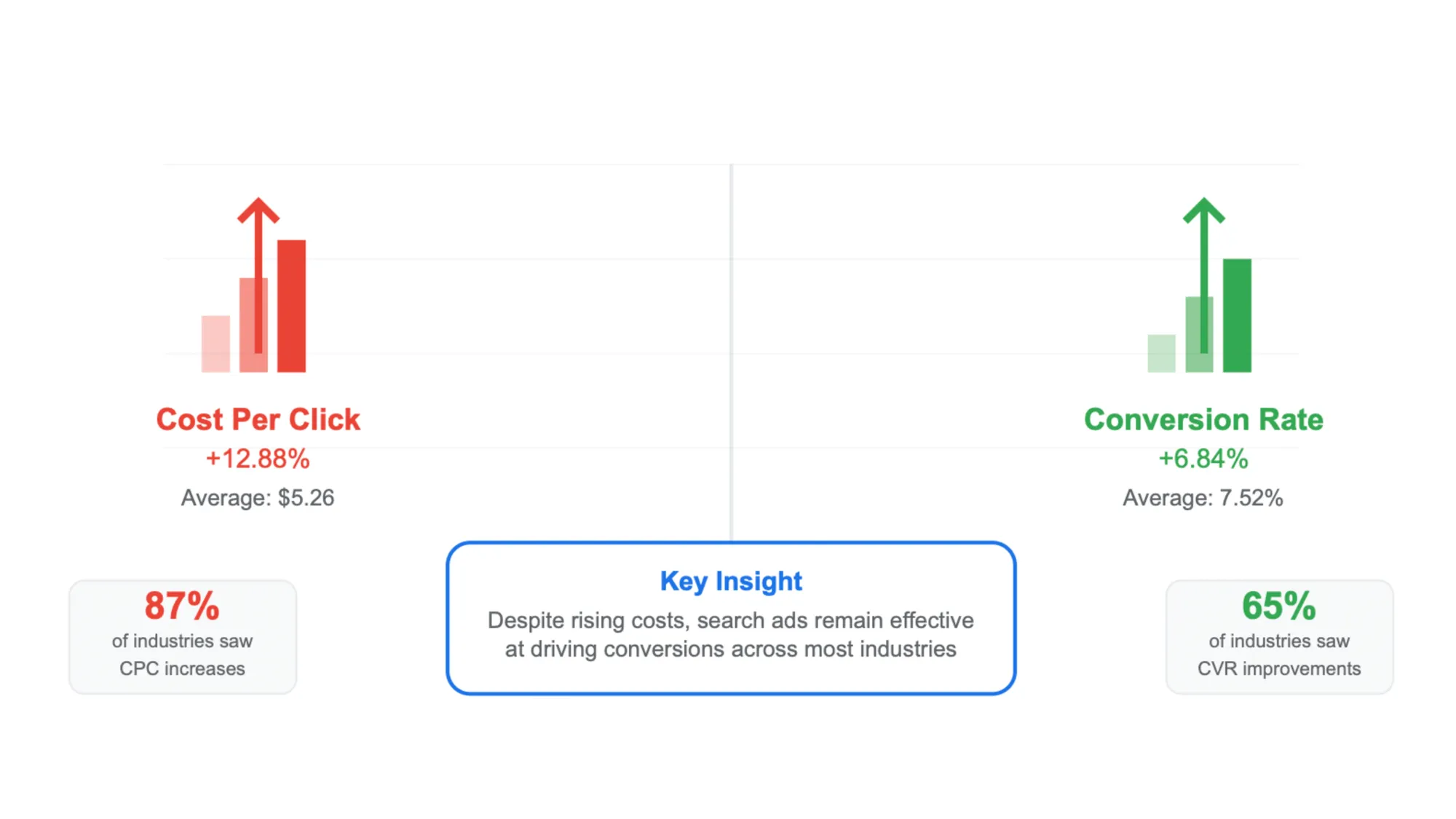
- Cost Per Click (CPC): This model is common for direct-response campaigns where the goal is to drive traffic to a website. The advertiser pays only when a user interacts with the advertisement. While this minimizes wasted spend on uninterested viewers, it does not guarantee a conversion.
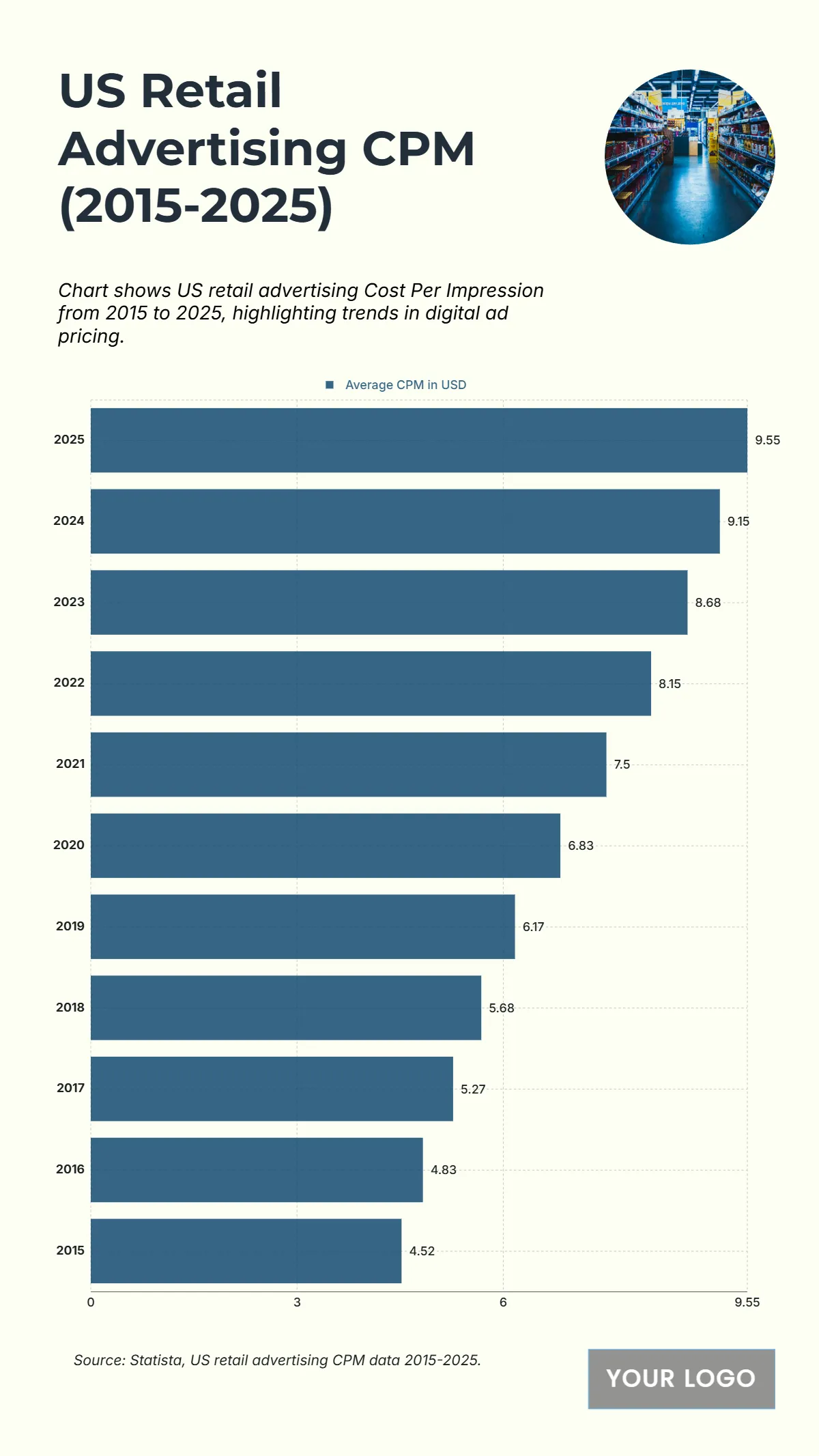
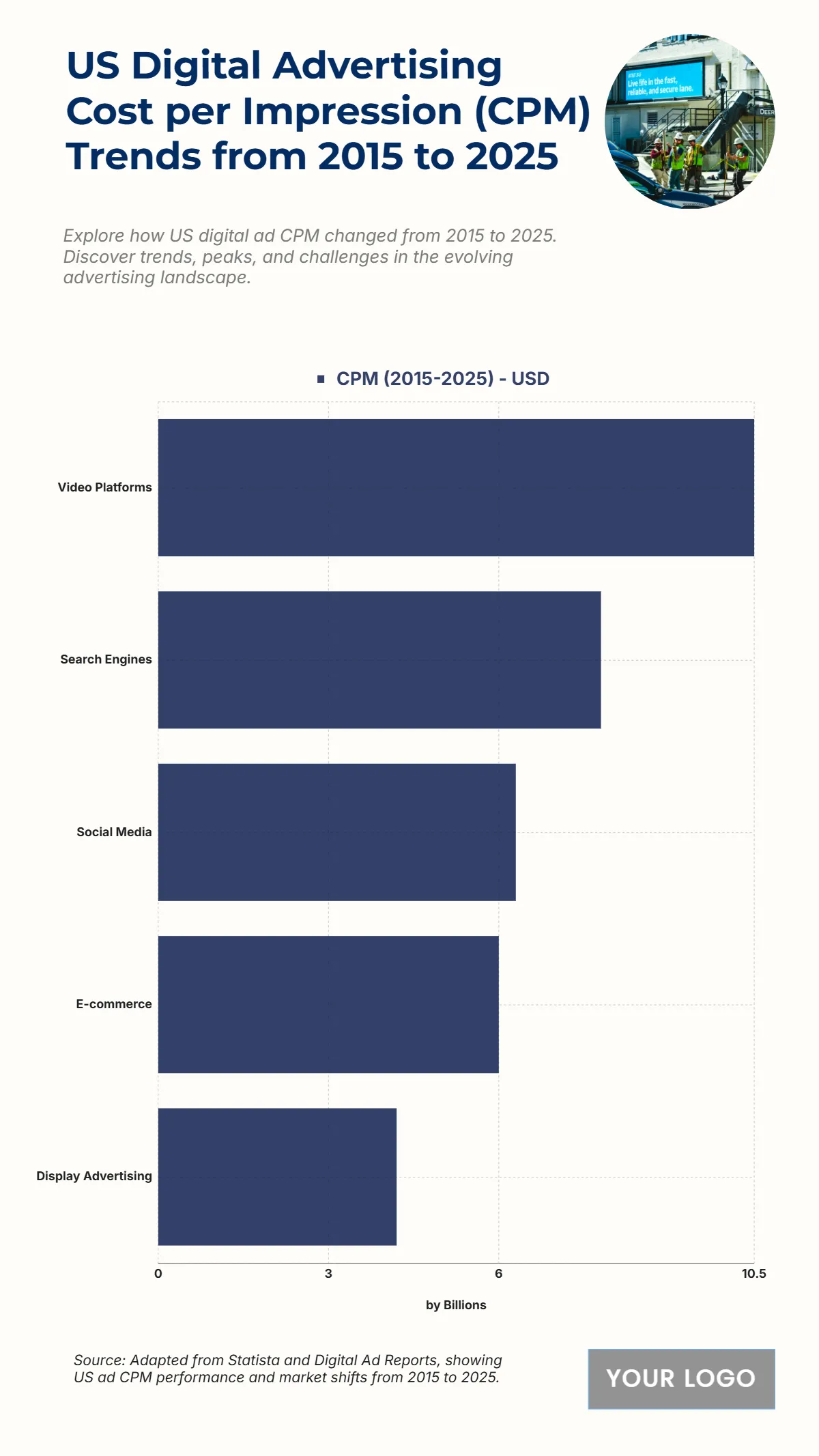
- Cost Per Mille (CPM): This model charges for every thousand impressions an ad receives. It is widely used for brand awareness campaigns where the goal is visibility rather than immediate action. CPM costs are typically lower than CPC costs but require significant volume to be effective.
- Cost Per Acquisition (CPA): This performance-based model requires the advertiser to pay only when a specific action, such as a purchase or lead form submission, is completed. While this is the lowest-risk model, it often commands higher entry costs per unit because the platform assumes the risk of the advertisement failing to convert.
Factors Influencing Variable Costs
Advertising costs are rarely uniform across different sectors or timeframes. Several external and internal variables exert pressure on the final price an organization pays.
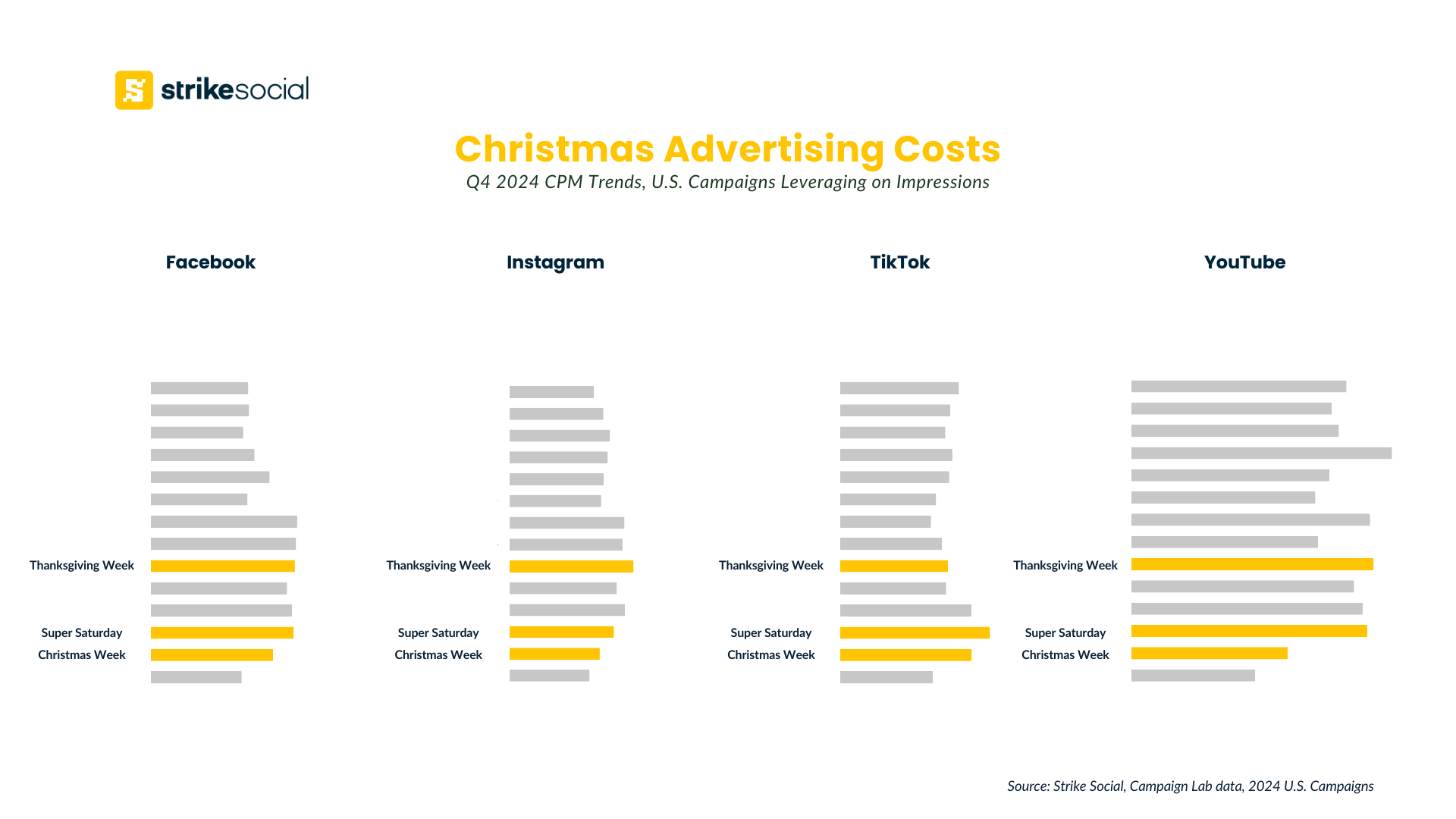
Market Seasonality and Competitive Intensity: In many industries, advertising costs fluctuate based on the calendar. For instance, in the retail sector, bidding activity typically intensifies during the fourth quarter, leading to a surge in CPC and CPM rates. Similarly, industries with high customer lifetime value, such as software-as-a-service (SaaS) or insurance, often face significantly higher competition, driving up the costs for high-intent keywords.
Audience Targeting Sophistication: Broad targeting tends to be cheaper but less effective, while hyper-targeting specific demographics, job titles, or interest segments increases the cost. Because niche audiences are limited in size, there is more competition for the attention of those specific users, forcing the auction price upward.
Platform Placement: Where an ad appears significantly dictates the cost. Premium placements, such as the top of search engine result pages or high-traffic home feed positions on social platforms, command higher prices than sidebars or footer placements. Advertisers must balance the higher cost of premium spots against the potential for higher engagement rates.
Comparing Advertising Cost Structures
| Model | Primary Goal | Billing Metric | Best Used For |
|---|---|---|---|
| CPC | Traffic Generation | Per Click | Search ads, high-intent traffic |
| CPM | Brand Awareness | Per 1,000 Impressions | Display ads, video reach |
| CPA | Conversion | Per Action/Sale | Affiliate marketing, e-commerce |
| Flat-Fee | Fixed Exposure | Per Period/Placement | Direct sponsorships, takeovers |
Establishing a Sustainable Advertising Budget
Managing advertising costs effectively requires a shift from viewing marketing as an expense to treating it as an investment. To establish a sustainable budget, organizations must calculate their Customer Acquisition Cost (CAC) and compare it against the Lifetime Value (LTV) of their customers.
A common mistake is failing to account for the "learning phase" of automated advertising systems. When a campaign is launched, algorithms require time and spend to gather data. During this period, advertising costs may appear higher relative to performance as the system tests different variables. Expert guidance suggests setting a "test budget" for the first 30 days to allow for algorithmic calibration before optimizing for long-term efficiency. Organizations should strictly avoid scaling a campaign too quickly before confirming that the conversion data is accurate and consistent.
Common Pitfalls and Troubleshooting
When advertising costs exceed projected targets, the problem usually stems from one of three areas: poor creative quality, misaligned targeting, or inadequate landing page experience. If the click-through rate (CTR) is low, the platform may penalize the advertisement by raising the CPC, effectively charging a "relevance tax." Improving the ad creative to better match user intent is the most direct way to reduce these costs.
If clicks are high but conversions are low, the issue likely resides with the landing page. Users arrive expecting a specific solution and, upon finding a disconnect, leave without taking action. This high bounce rate signals to the ad platform that the destination is irrelevant, which can drive up costs. Troubleshooting requires a full-funnel audit—from the keywords selected to the final checkout or lead-capture process—to ensure that the user experience is fluid and consistent.
How to Calculate Your Effective Advertising ROI
To determine the true impact of advertising costs, use the Return on Ad Spend (ROAS) formula: (Revenue from Ads / Cost of Ads) × 100. This calculation provides a high-level view of whether your spend is profitable. However, ROAS does not account for operational costs, overhead, or the long-term equity built by brand awareness. Organizations should track both short-term ROAS for immediate cash-flow decisions and broader marketing efficiency ratios for long-term brand health. By separating tactical spend (performance) from strategic spend (brand-building), you gain a clearer picture of how advertising costs impact the bottom line.
Frequently Asked Questions
Why do my advertising costs increase even when my settings remain the same?
Advertising costs are driven by auction dynamics. If your competitors increase their bids or if the inventory for your target audience shrinks, the clearing price for those impressions or clicks rises automatically, even if you have not manually altered your budget or targeting settings.
What is the difference between a daily budget and a total campaign budget?
A daily budget limits how much you spend per day, helping to spread out costs over a long period. A total campaign budget sets a fixed amount for the entire duration of a campaign, allowing the platform to spend more heavily on high-performing days and less on low-performing ones.
Should I prioritize volume or conversion in my advertising spend?
Prioritizing volume is appropriate for new products or brand launches where awareness is the primary goal. Prioritizing conversion is essential for established businesses with clear performance targets. Ideally, you should phase your approach: begin with a volume-focused strategy to gather data, then transition to conversion-focused optimization.
How can I lower my advertising costs without losing reach?
The most sustainable way to lower costs is by improving your Ad Quality Score. Platforms reward ads that perform well with users; by refining your ad copy, creative assets, and landing page relevance, you can achieve higher rankings at lower bid amounts compared to competitors with lower-quality advertisements.
Strategic Next Actions for Campaign Optimization
Begin by performing an audit of your previous 90 days of advertising performance. Identify the top 20% of your keywords or placements that drive the highest conversion rates and reallocate budget toward those areas while pausing underperforming segments. For companies utilizing automated bidding, ensure that your conversion tracking pixels are correctly installed and reporting data back to the platform consistently. If you are operating in a highly competitive niche, focus your next spend on refining your creative assets—better imagery and more compelling copy—as this often provides a more sustainable cost reduction than simple bid management.