An adverse reaction is an unintended, noxious response to a medication, therapeutic intervention, or consumed substance, occurring at doses normally used for prophylaxis, diagnosis, or therapy. Identifying these reactions promptly is critical for patient safety, requiring a distinction between predictable side effects and idiosyncratic hypersensitivity responses.
The Clinical Definition and Scope
In medical and pharmacological practice, the term "adverse reaction" is strictly defined to distinguish it from the broader category of "adverse events." While an adverse event is any untoward medical occurrence in a patient administered a product—which may or may not have a causal relationship with the treatment—an adverse reaction implies a suspected causal link. These reactions are typically categorized based on their predictability and dose-dependency.
Type A reactions are considered "augmented" effects, representing an exaggeration of the drug's known pharmacological properties. For example, a patient taking blood pressure medication might experience hypotension if the dose is too high relative to their current physiology. Conversely, Type B reactions are "bizarre" or idiosyncratic. These are unpredictable, often unrelated to the dose, and frequently involve immune-mediated hypersensitivity. Understanding these categories helps clinicians determine whether a treatment should be adjusted, discontinued, or replaced entirely.
Classifying Types of Adverse Reactions
To manage patient safety effectively, health professionals utilize a classification system that helps predict and mitigate risks before they escalate into life-threatening emergencies.
| Classification | Characteristics | Example |
|---|---|---|
| Type A (Augmented) | Dose-dependent, predictable, common | Bleeding with anticoagulants |
| Type B (Bizarre) | Dose-independent, unpredictable, rare | Anaphylaxis to antibiotics |
| Type C (Chronic) | Time-dependent, continuous exposure | Corticosteroid-induced adrenal suppression |
| Type D (Delayed) | Occurs years after treatment | Secondary cancers after chemotherapy |
| Type E (End-of-use) | Withdrawal effects | Benzodiazepine withdrawal syndrome |
Identifying Risk Factors and Predispositions
Not every individual reacts to the same substance in the same way. The likelihood of experiencing an adverse reaction is heavily influenced by patient-specific variables, including genetics, age, and existing comorbidities. Pharmacogenomics, the study of how genes affect a person’s response to drugs, has become a cornerstone in modern medicine for identifying patients at high risk for specific adverse reactions. For instance, variations in cytochrome P450 enzymes can significantly alter how a body metabolizes medication, leading to toxic accumulation in some individuals.
Age also plays a significant role. Pediatric and geriatric populations are at higher risk due to differences in renal and hepatic function. As kidney and liver clearance rates change throughout the lifespan, the body’s ability to process and eliminate pharmaceutical agents shifts, often requiring careful dose titration to prevent accumulation. Furthermore, polypharmacy—the practice of taking multiple medications simultaneously—exponentially increases the risk of drug-drug interactions, which serve as a common trigger for adverse reactions.
Regulatory Reporting and Safety Monitoring
In 2026, the framework for monitoring drug safety remains centered on robust pharmacovigilance programs. Regulators such as the U.S. Food and Drug Administration (FDA) and the European Medicines Agency (EMA) rely on spontaneous reporting systems to detect safety signals that may not have been apparent during clinical trials. When a healthcare provider or consumer reports an adverse reaction, that data enters a global database used to monitor post-marketing safety.
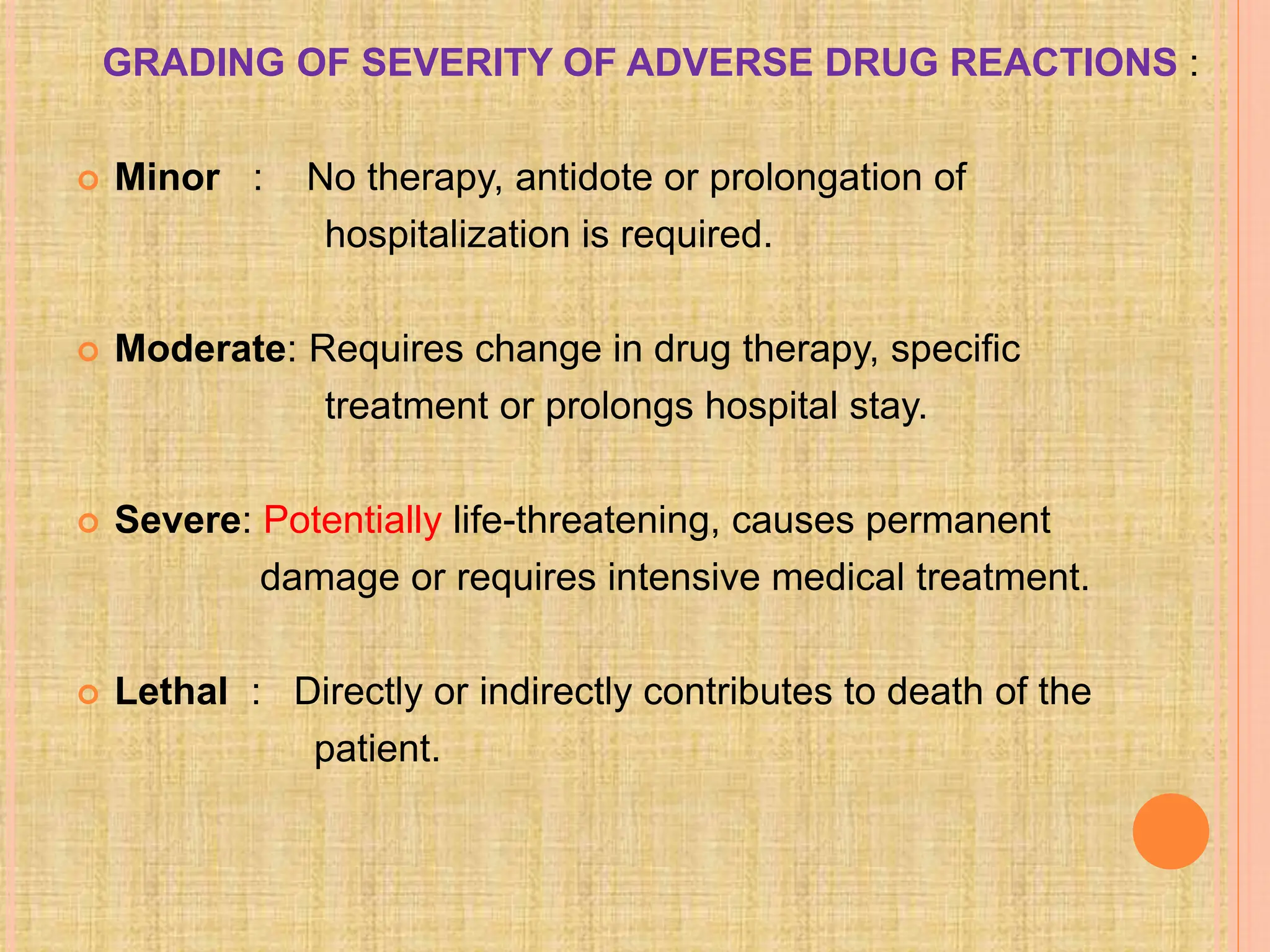
For manufacturers, the obligation to report adverse reactions is continuous. Upon receiving a report, they are required to conduct a medical assessment to determine if the reaction is "serious," meaning it resulted in death, life-threatening illness, hospitalization, or permanent disability. If a trend is identified, regulatory bodies may issue updated labeling, "Black Box" warnings, or in extreme cases, recall the product from the market. Transparency in reporting is not merely a legal requirement; it is the primary mechanism through which medical knowledge is updated in real-time.
Strategies for Prevention and Mitigation
The most effective way to manage adverse reactions is to prevent them through rigorous screening and informed prescribing. Clinical decision support systems (CDSS) are now standard in most electronic health record (EHR) platforms. These systems automatically cross-reference a patient’s allergy profile and active medication list against new prescriptions. If a potential interaction or known allergen is flagged, the system alerts the prescriber, allowing for an immediate adjustment before the patient fills the order.
Patients also play a vital role in prevention. Maintaining an accurate, up-to-date medication list—including over-the-counter supplements and herbal remedies—is essential. Many consumers mistakenly believe that "natural" supplements cannot cause adverse reactions, but these products can interfere with prescription drug metabolism just as effectively as synthetic medications. Communicating these details to all members of a care team is a foundational step in risk reduction.
Troubleshooting and Immediate Next Actions
If you suspect that you or a patient is experiencing an adverse reaction, the timeline for action is critical. Immediate assessment should prioritize stability. If the reaction involves symptoms such as difficulty breathing, swelling of the face or throat, hives, or extreme dizziness, seek emergency medical care immediately. These are potential signs of anaphylaxis, a medical emergency requiring rapid intervention with epinephrine and professional observation.
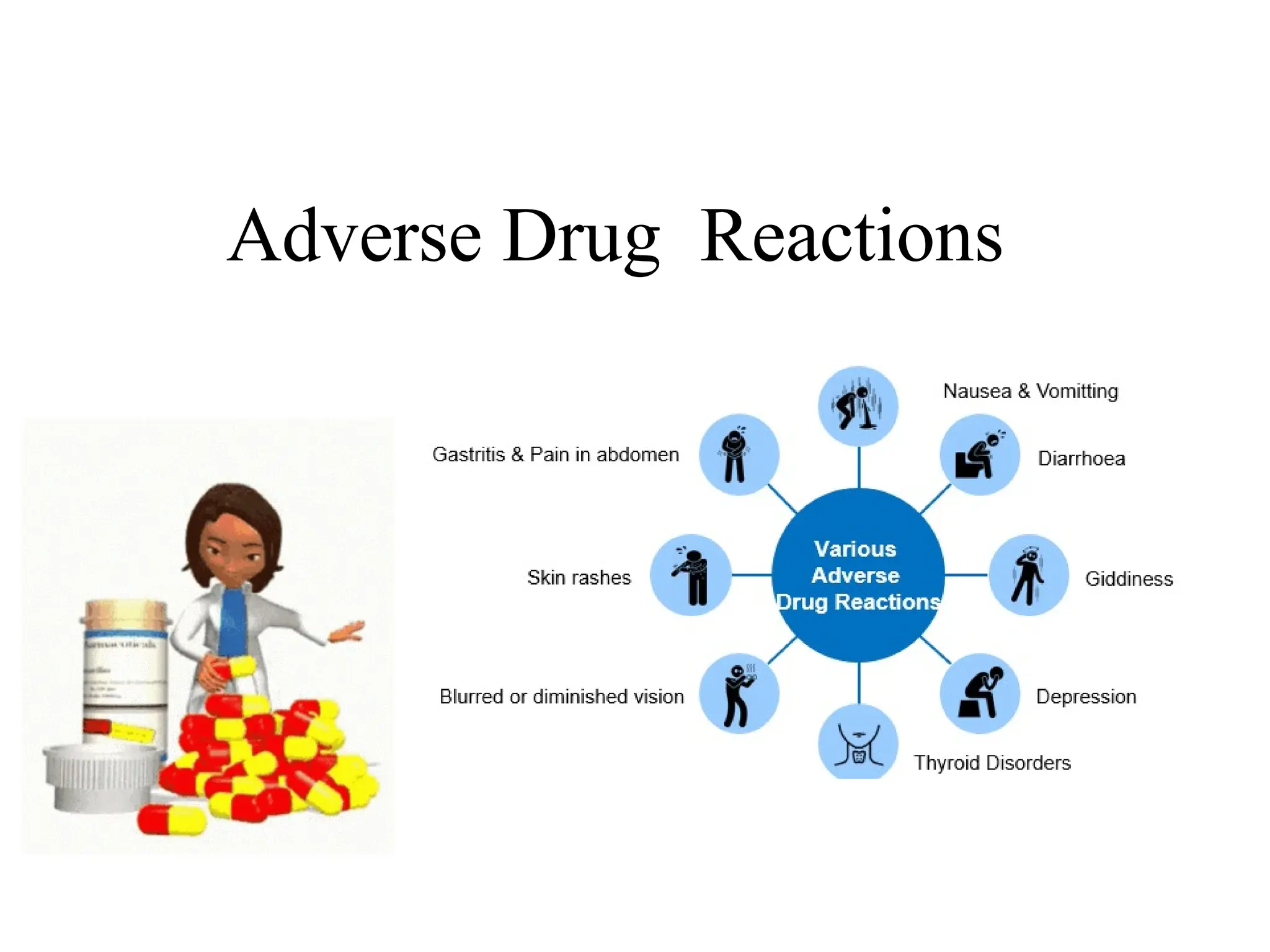
If the reaction is non-emergent but concerning—such as a persistent rash, gastrointestinal distress, or cognitive changes—do not abruptly cease taking the medication without consulting a physician, unless directed to do so by a pharmacist or doctor. In some instances, stopping a drug suddenly can be more dangerous than the adverse reaction itself. Instead, document the timing of the dose, the symptoms experienced, and any other substances consumed in the preceding 24 hours. This information is invaluable to clinicians when they attempt to distinguish between an adverse reaction, a natural progression of an underlying illness, or a new health condition.
Frequently Asked Questions
What is the difference between a side effect and an adverse reaction?
A side effect is typically an expected, secondary consequence of a medication, often minor and well-documented in the clinical trial data. An adverse reaction is broader, referring to any noxious or unintended response, which can range from mild discomfort to severe, life-threatening toxicity.
Can an adverse reaction occur if I have taken the medication before without issues?
Yes. Sensitization can occur over time. Your immune system may develop antibodies against a substance after repeated exposures, potentially triggering an allergic response on a subsequent administration that was previously tolerated.
Why do some adverse reactions happen weeks after starting a treatment?
Some reactions are time-dependent or cumulative. Type C and Type D reactions, for example, may require prolonged exposure to accumulate enough drug byproduct in the body to cause physiological damage, or they may manifest as latent biological changes that take time to become symptomatic.
Should I report an adverse reaction if it is already listed on the product label?
Yes. Even "known" side effects are tracked for frequency and severity. If the reaction was particularly severe or occurred in a way not commonly described in the literature, reporting it helps authorities refine the safety profile and provide better guidance for future patients.
How do I report an adverse reaction to a drug?
In the United States, patients and providers can use the MedWatch program to submit voluntary reports to the FDA. Most other countries have similar national pharmacovigilance centers that accept direct reports from the public and healthcare professionals to ensure post-market safety.
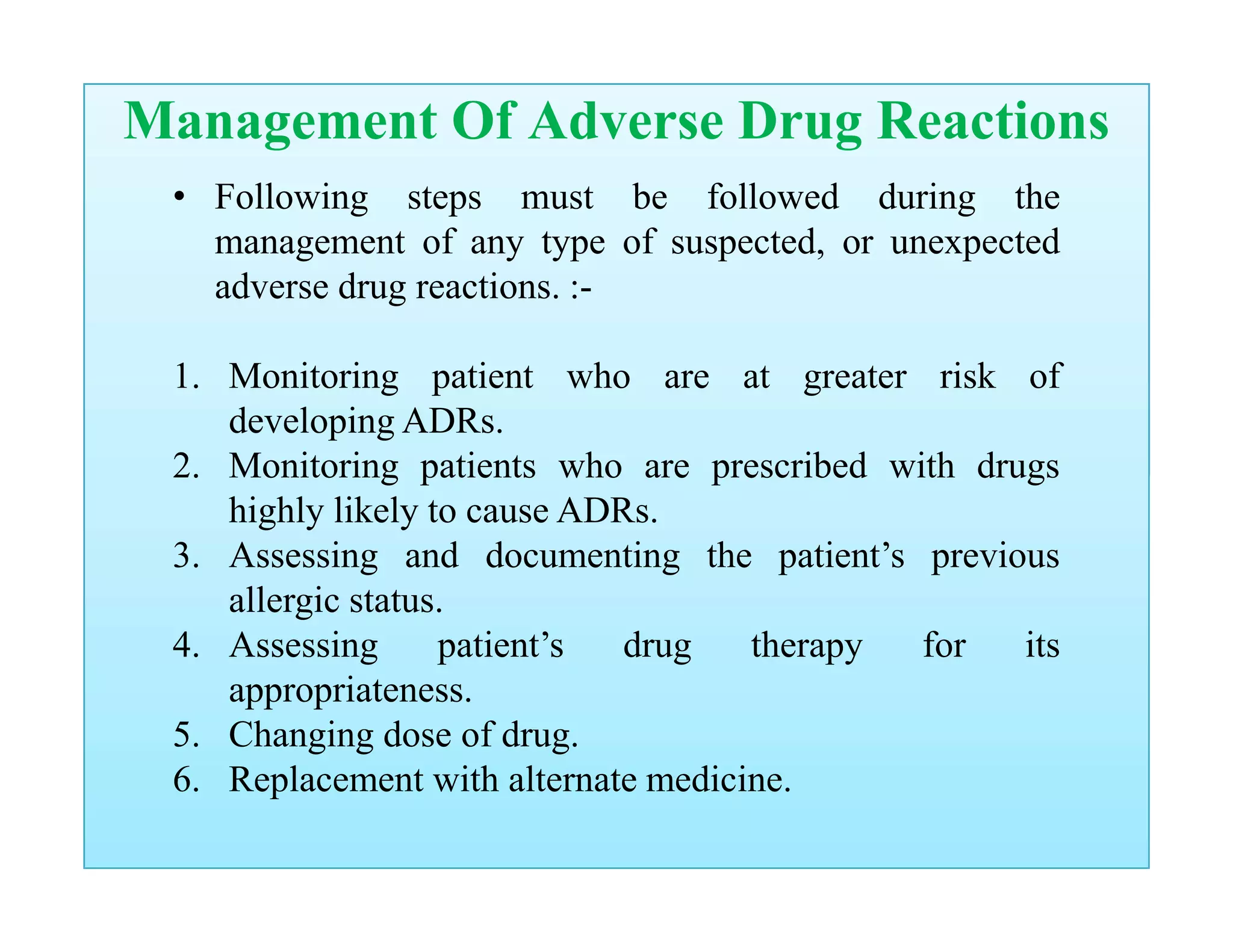
Next Steps for Patients and Providers
If you encounter a suspected adverse reaction, the priority is to maintain an open line of communication with your primary care provider or specialist. Keep a detailed symptom log that includes the specific name and dosage of the medication, the time of ingestion, and the duration of the reaction. This log, combined with your formal history, allows your physician to perform a "re-challenge" analysis or switch to an alternative therapy with a different chemical profile. Always confirm your allergy status with your care team and ensure your medical records are updated at every facility you visit, as clear documentation is the best defense against recurring preventable adverse events.