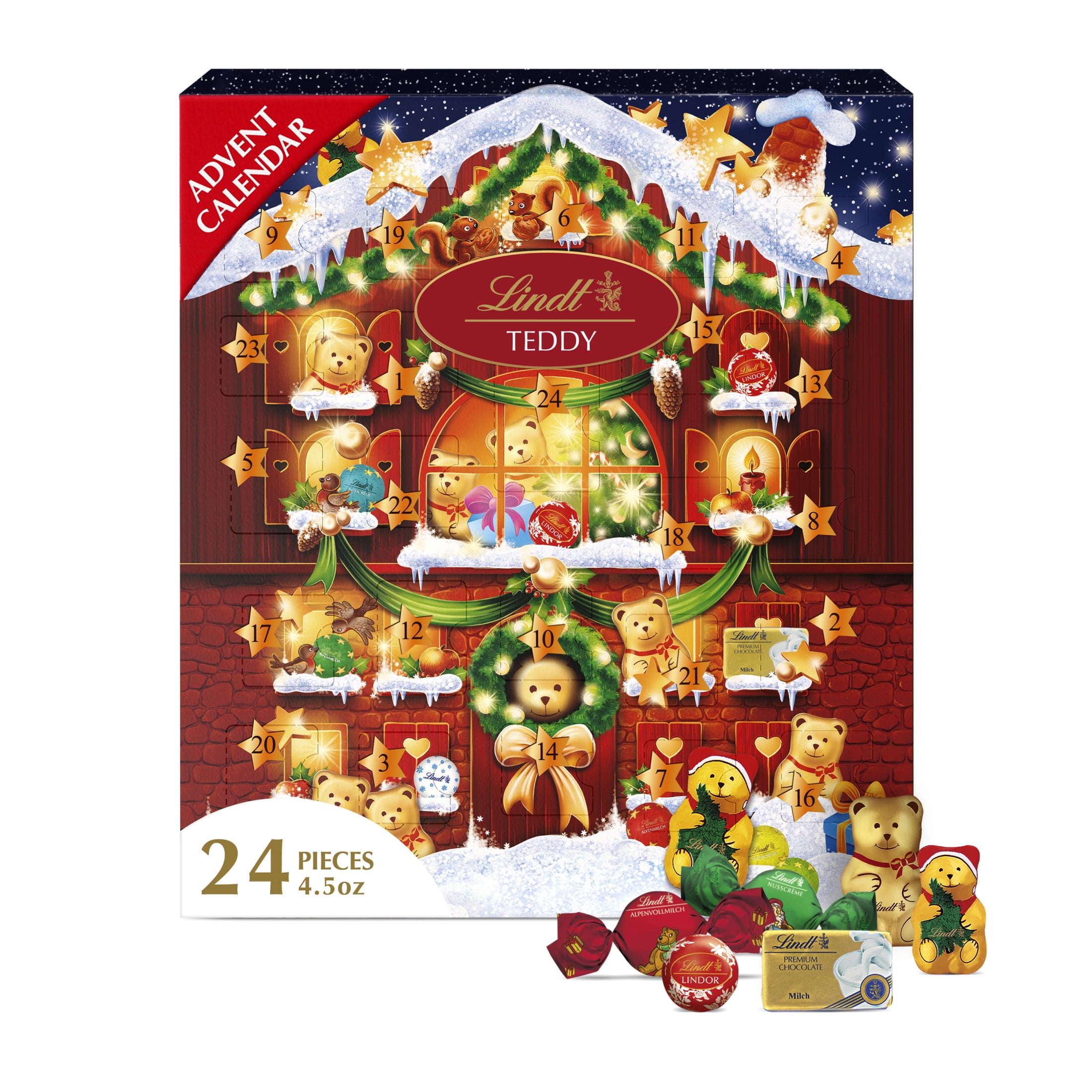
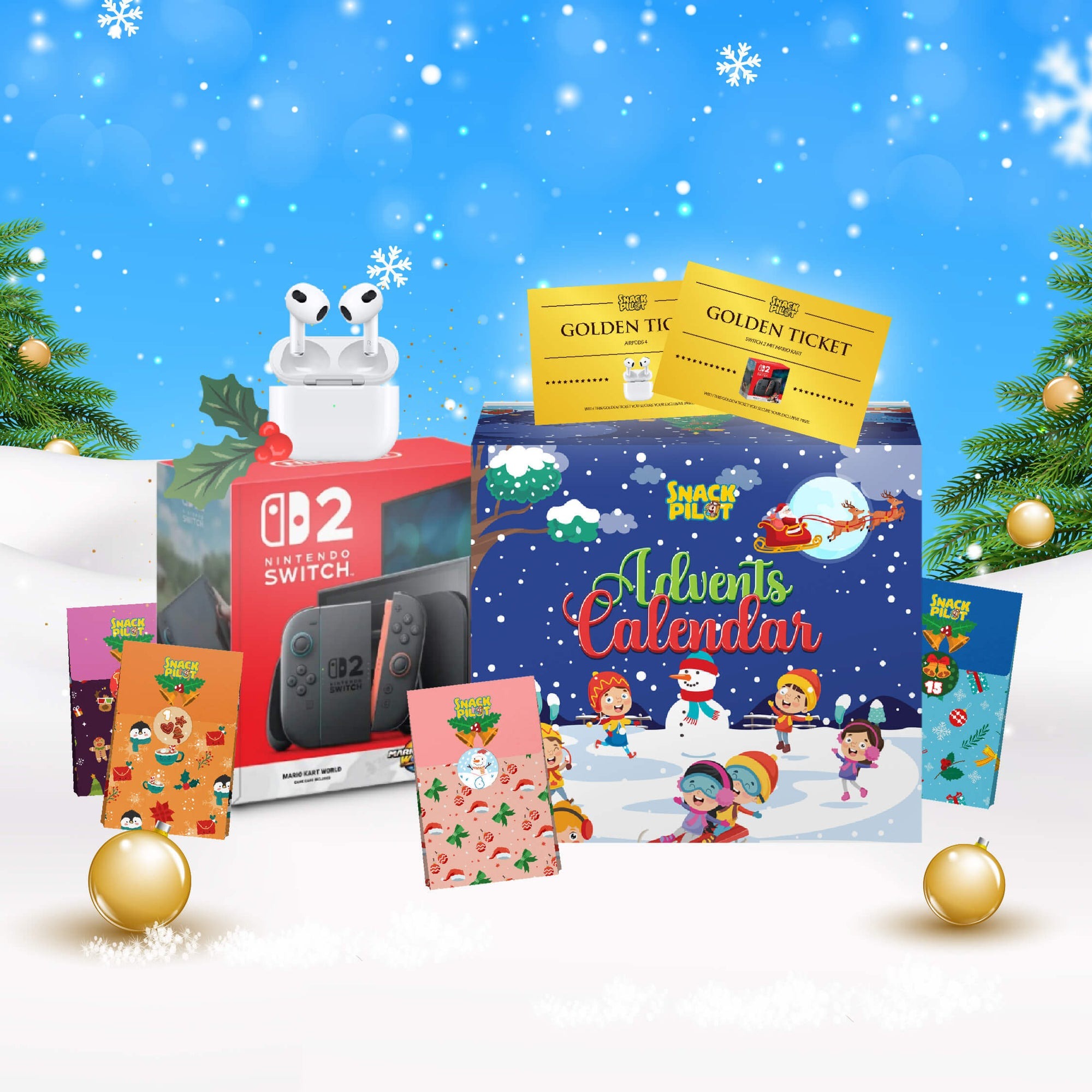
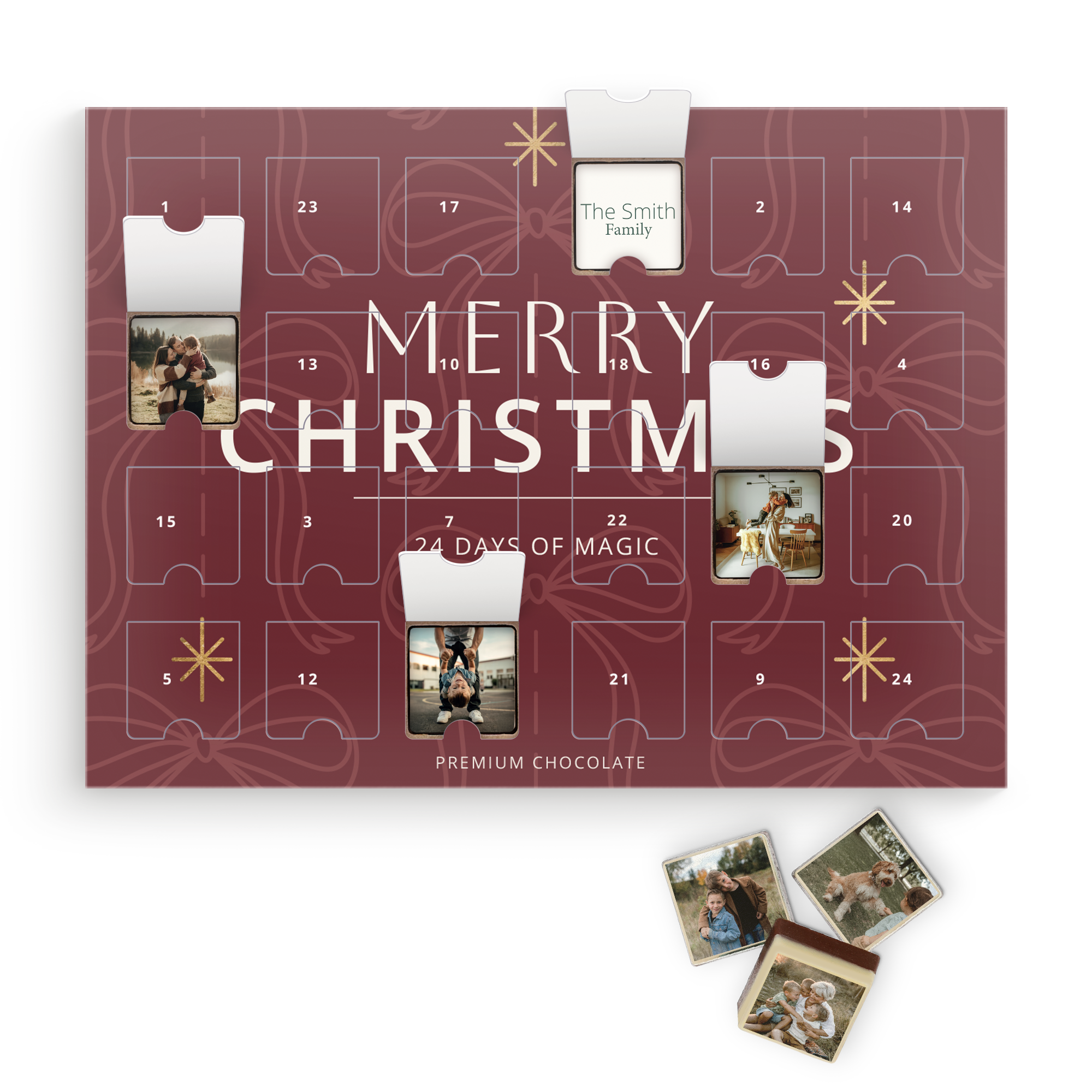
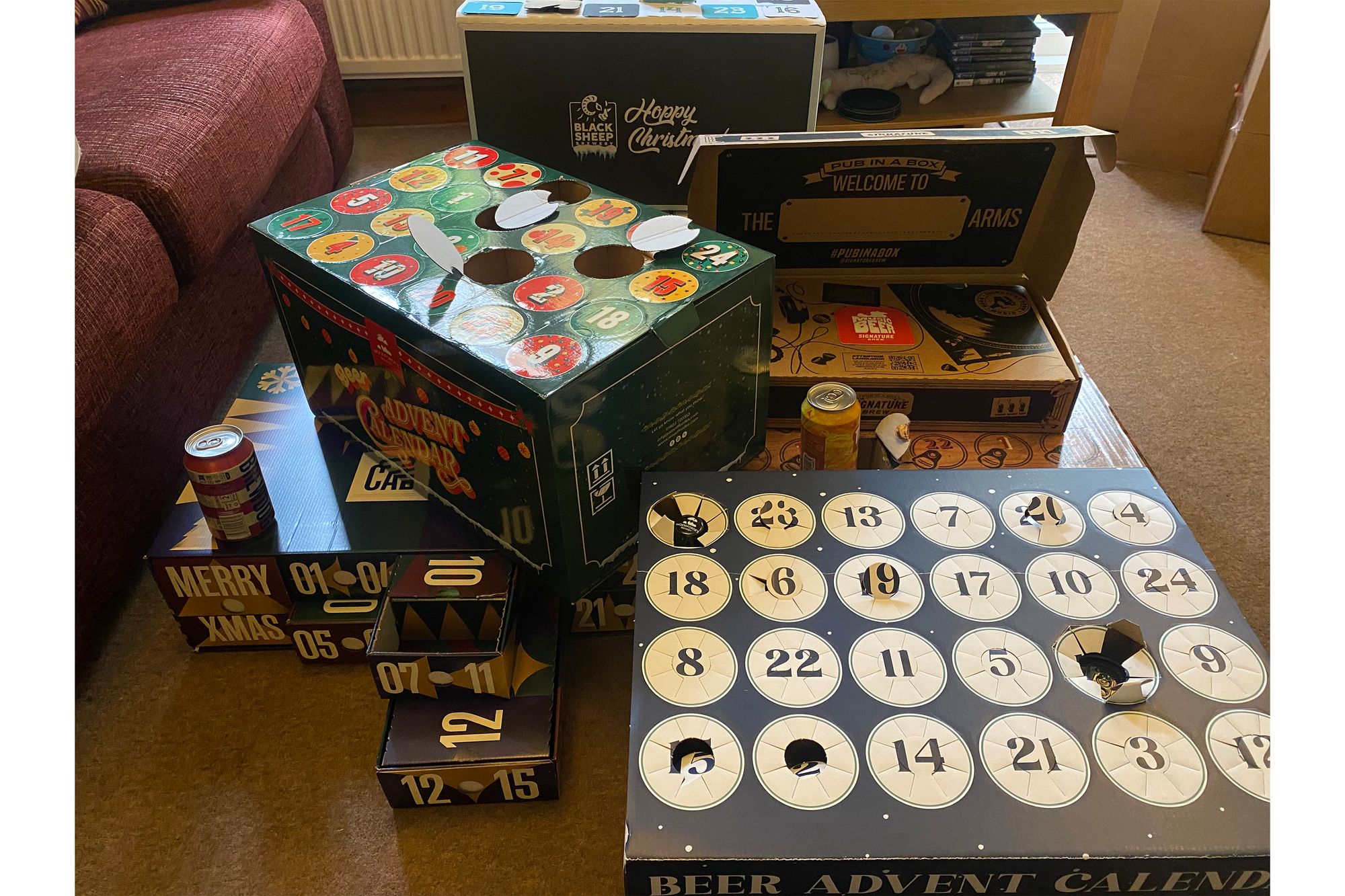
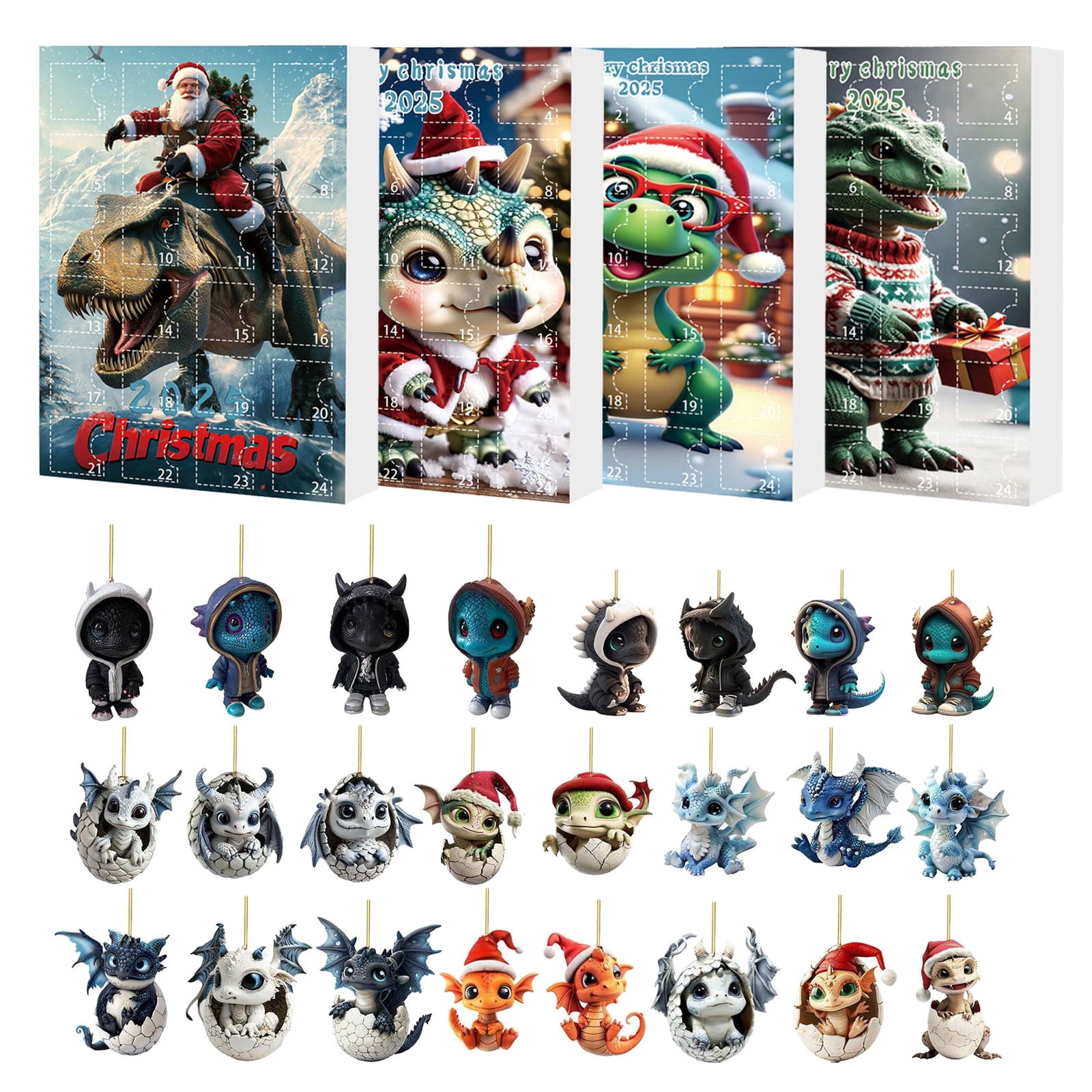
Advent calendars are specialized festive products designed to track the days leading up to Christmas, typically spanning December 1st to December 24th. Originally derived from 19th-century German religious customs, these items have evolved into diverse formats ranging from simple paper-based religious imagery to high-end, luxury-branded physical product assortments catering to various hobbies, beauty interests, and culinary preferences.
The Historical and Cultural Evolution
The advent calendar, in its modern iteration, serves as a countdown mechanism that fosters anticipation during the Advent season. Historically, the practice began in Germany, where families would mark walls or doors with chalk or light candles to count the days. The transition to the printed, door-based calendar occurred in the early 20th century. By the 1920s, the inclusion of small, hidden compartments containing chocolates or religious pictures became standardized.
In 2026, the market has moved far beyond the traditional chocolate-filled cardboard square. While the core intent—the daily revelation of a small gift or message—remains constant, the scope has expanded to include "experiential" calendars. This shift reflects a broader consumer trend toward curated discovery, where the calendar acts as a sampler for a specific brand's inventory or a collection of themed items designed to enhance a personal collection throughout the month.
Types of Advent Calendars and Market Segmentation
To select the appropriate calendar, one must categorize them based on the intended recipient and the nature of the "reveal." The primary categories identified in the 2026 consumer landscape include:
- Consumable Calendars: These contain items meant for immediate use, such as premium chocolates, artisanal teas, coffee pods, spirits, or gourmet cheeses. These are generally single-use items that provide a daily culinary experience.
- Collectible and Hobby Calendars: These are structured around a central theme, such as building blocks, miniature figurines, beauty products, stationery, or jewelry. The items found within are intended to be kept, displayed, or used to build a larger set over the 24-day period.
- Reusable/DIY Calendars: These feature empty drawers, fabric pockets, or hanging envelopes. They are intended for long-term ownership, allowing the purchaser to curate the contents personally. These are often viewed as durable goods rather than seasonal disposables.
Evaluating Quality and Value Proposition
When assessing the value of a pre-filled advent calendar, it is essential to calculate the unit cost of the individual components versus the total retail price. Many luxury advent calendars are positioned as a "value discovery" opportunity, where the sum of the retail value of the included items exceeds the purchase price of the calendar itself.
However, consumers should verify whether the contents are full-sized, deluxe samples, or miniatures. A common source of dissatisfaction arises when high-priced calendars are filled with significantly smaller versions of products than the manufacturer’s standard retail offerings. By 2026, many brands have introduced "transparent contents" policies, providing a full inventory list on their product pages. It is recommended to cross-reference these lists with the product’s base retail price to ensure the financial value aligns with the purchase price.
Practical Considerations for Selection
Before committing to a purchase, consider the following technical and logistical factors to ensure the product meets your needs:
- Storage Requirements: Luxury calendars—particularly those containing liquids, heavy beauty products, or delicate collectibles—can be physically large and heavy. Verify dimensions if desk or shelf space is limited.
- Perishability: Calendars containing food or beauty products often have specific storage requirements (e.g., cool, dry environments) or expiration dates. Check the manufacturer's guidance on when the calendar should be opened to ensure quality.
- Sustainability: With the rise in popularity of multi-component packaging, assess the sustainability of the materials. Many brands have shifted toward FSC-certified paperboard and recyclable inserts, while others emphasize the reuse of the external structure for subsequent years.
Comparison of Calendar Formats
| Feature | Consumable | Hobby/Collectible | Reusable/DIY |
|---|---|---|---|
| Primary Value | Immediate experience | Long-term ownership | Personalization |
| Duration | Single-use/Discard | Additive/Display | Indefinite |
| Storage | Shelf-stable or cool | Display-ready | Drawer/Closet |
| Price Point | Moderate | High/Premium | Variable (Initial cost) |
Troubleshooting Common Issues
When dealing with pre-filled commercial calendars, consumers may encounter specific issues that require attention:
- Shipping Damage: Given the complexity of the interior packaging, it is common for items to shift during transit. If an item is delicate, inspect the packaging upon arrival. Many retailers offer replacement items for individual damaged components rather than requiring a full return of the entire calendar.
- Incomplete Contents: If a compartment is found to be empty, verify the manufacturer’s documentation to see if that specific day is intended to be a "rest day" or if an error has occurred. If the error is confirmed, reach out to the retailer’s customer support immediately, as replacement stock is often unavailable after the season begins.
- Content Obsolescence: If you are purchasing a calendar as a gift, ensure the items are suitable for the recipient’s allergies, preferences, or technical requirements (e.g., skin type for beauty calendars or dietary restrictions for food calendars).
Frequently Asked Questions
When is the ideal time to purchase an advent calendar?
Most retailers release their flagship advent calendars between August and October. For high-demand luxury or limited-edition items, purchasing during the pre-order window—typically in late summer—is necessary to secure stock. Retailers rarely restock once the season has begun.
Are DIY advent calendars more cost-effective?
In the long run, yes. A high-quality, reusable wooden or fabric calendar serves as a permanent fixture. While the initial investment is higher, it removes the annual cost of purchasing new pre-filled units, and it allows the owner to set their own budget for the contents.
How do I handle expiration dates for consumable calendars?
Check the bottom or rear of the calendar for the "Best Before" date. Most reputable manufacturers ensure that the contents are shelf-stable through the duration of the December countdown, but items like fresh chocolates or organic beauty products may have shorter windows of peak quality.
Can I recycle the packaging?
Most modern advent calendars are designed with recyclability in mind, utilizing paper-based inserts. However, calendars featuring complex plastic trays or embedded electronics (such as light-up elements) require careful sorting. Always check the local municipal recycling guidelines for the specific materials used in the box construction.
Selecting Your Calendar for the Season
When making your final selection, prioritize the intended utility. If your goal is to sample a variety of products from a brand you admire, look for "discovery" sets that explicitly list the item volumes. If your goal is to build a tradition for a household, invest in a high-quality, reusable structure that can be customized year after year. Always verify the return policy before purchase, as many retailers designate these seasonal items as "final sale" once the outer packaging seal is broken.