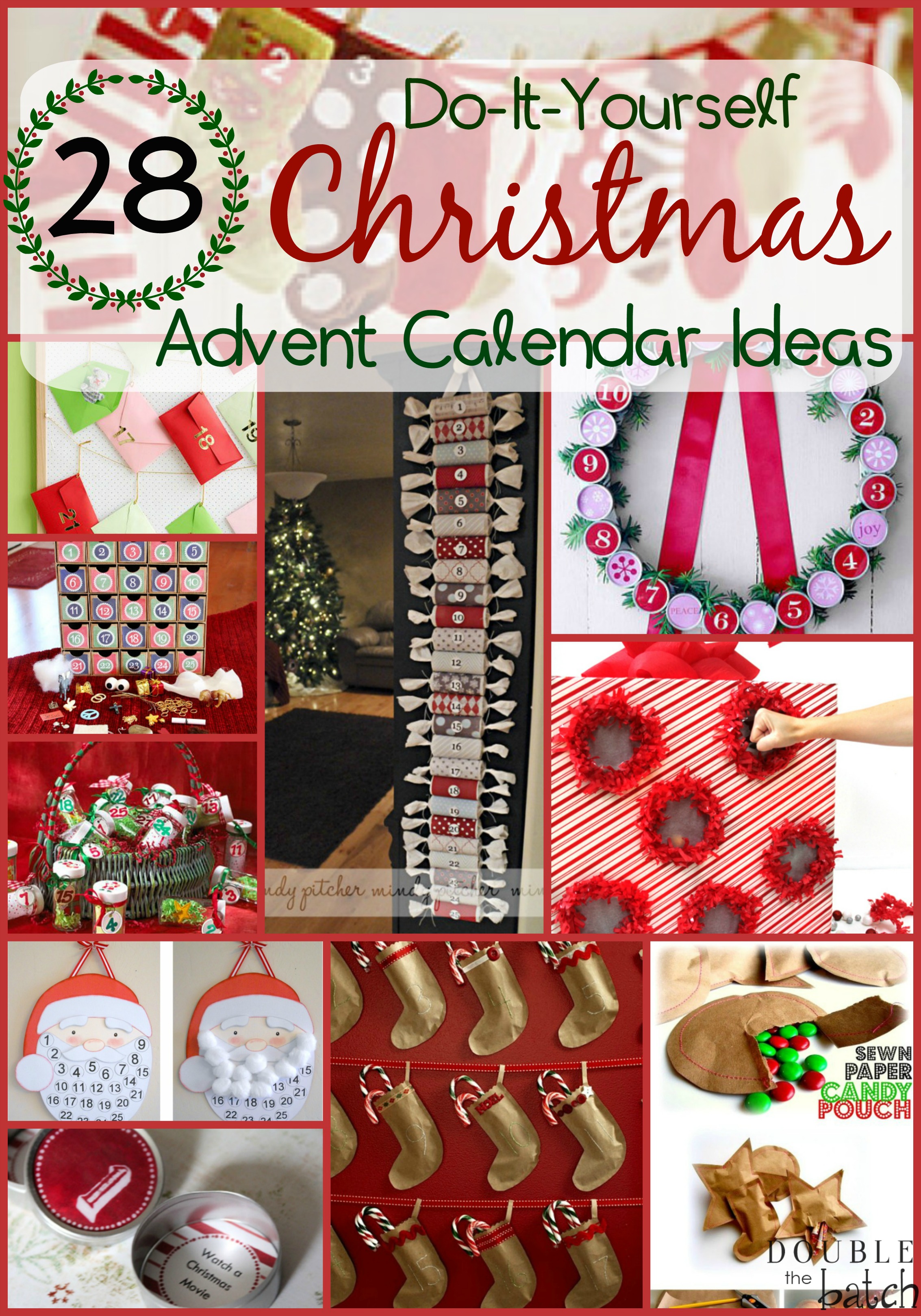
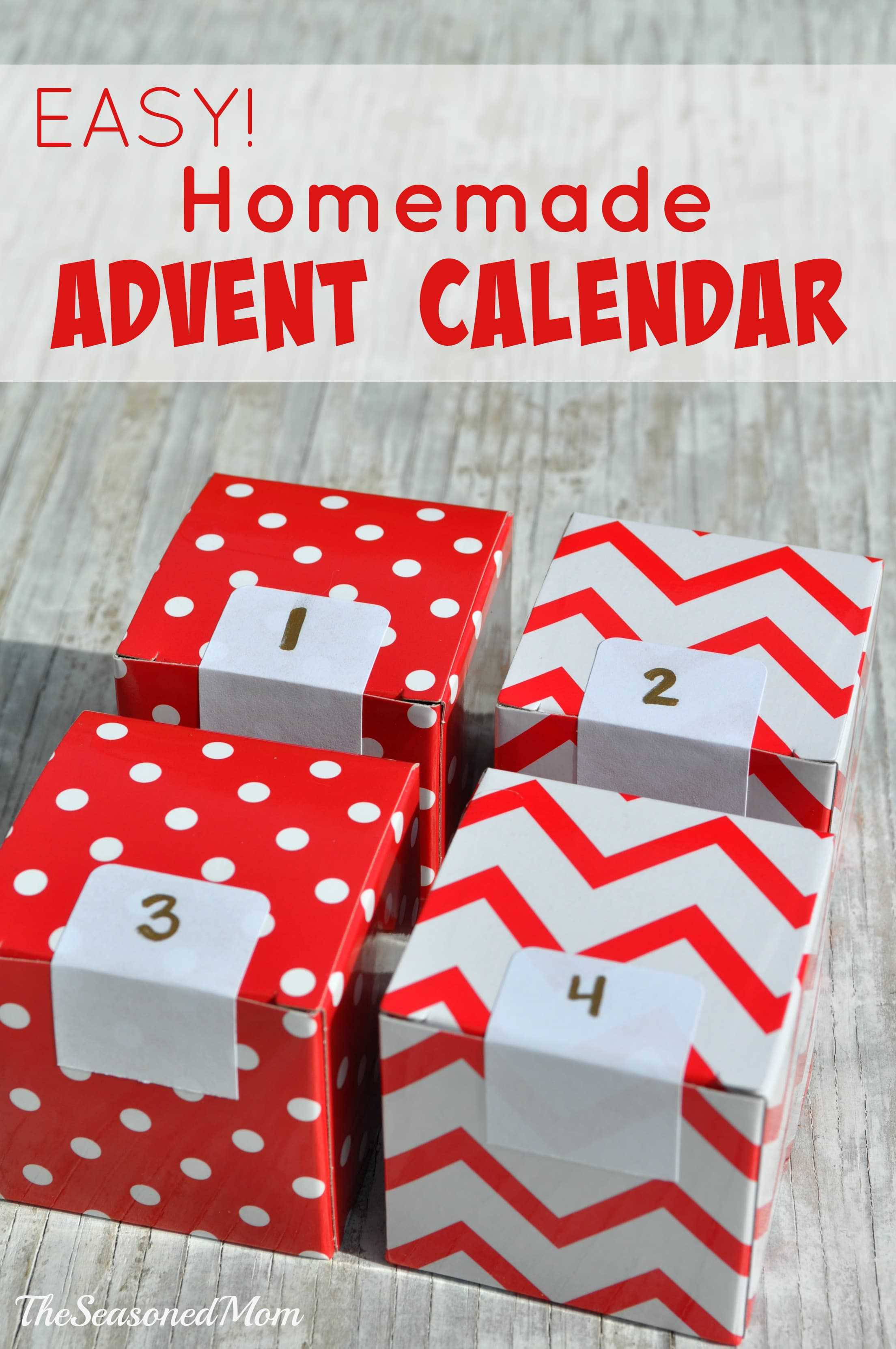
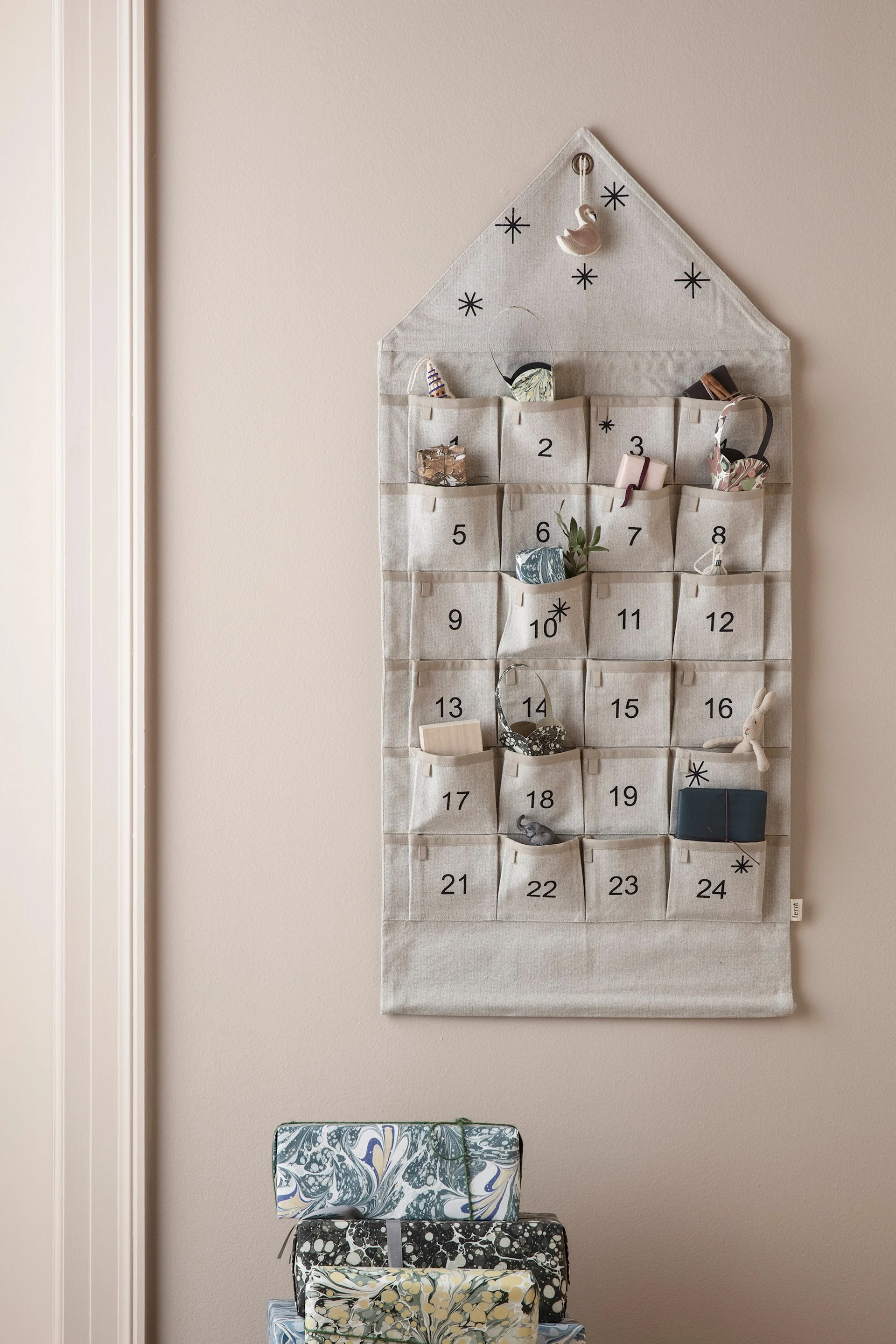
Advent calendars have evolved from simple paper windows revealing religious imagery into sophisticated tools for ritual, connection, and celebration. Creating or selecting an advent calendar in 2026 requires balancing the desire for thematic consistency with the practicalities of storage, budget, and the specific interests of the recipient. Whether you are assembling a DIY project for a child or sourcing a high-end curated experience for an adult, the effectiveness of an advent calendar relies on the balance between daily anticipation and meaningful engagement.
Understanding the Purpose of Advent Calendars
At its core, an advent calendar serves as a countdown mechanism, typically spanning from December 1st to December 24th or 25th. While historically grounded in religious observance, the modern utility of these calendars is largely rooted in psychological rewards: the "micro-dosing" of dopamine through daily surprises or activities. By breaking down the wait for a major holiday into manageable 24-hour increments, these calendars help regulate excitement and provide a structured rhythm to a chaotic season.
When planning your approach, differentiate between two primary formats: the "consumable" model and the "experiential" model. Consumable calendars provide a tangible item—such as chocolates, beauty products, or small toys—that the recipient keeps or uses. Experiential calendars, by contrast, focus on tasks, shared activities, or messages that foster connection rather than material acquisition. Selecting the right format depends heavily on your goal: rewarding a child, fostering family tradition, or providing a sophisticated gift for a peer.
Curating DIY Advent Calendar Projects
For many, the appeal of an advent calendar lies in the personalization that only a DIY project can provide. This approach allows for total control over the items contained within, ensuring that every gift or note is tailored to the recipient’s specific preferences.
To build a sustainable DIY advent calendar, follow these core prerequisites:
- Define a Theme: A cohesive theme makes the assembly process significantly faster. Popular themes include "Winter Baking," "Cozy Home Wellness," or "Activity-Based Family Challenges."
- Establish a Budget: Determine a per-day allowance. If you are filling 24 individual envelopes, a budget of $2.00 per day results in a $48.00 total material cost, which helps keep the project manageable.
- Source Versatile Containers: Choose containers that can be reused year after year. Fabric pouches, magnetic tins, or numbered wooden drawers are superior to cardboard, which often degrades after one season.
- Balance Size and Weight: If you are hanging your calendar, ensure the structure can support the weight of the items. Avoid liquid-based gifts in paper bags to prevent staining or tearing.
Comparing Advent Calendar Formats
Choosing between commercially available options and handmade projects involves evaluating time investment against personal customization. The following table provides a breakdown of considerations for different calendar styles.
| Calendar Type | Primary Benefit | Time Required | Customization Level | Cost Variance |
|---|---|---|---|---|
| Pre-Filled Commercial | Convenience/Luxury | Low | Minimal | High (Fixed) |
| DIY Activity-Based | Memorable Shared Time | Medium | Maximum | Very Low |
| DIY Gift-Filled | Personalized Surprises | High | High | Flexible |
| Reusable Fillable Kit | Sustainability | Low/Medium | Moderate | Moderate (Initial) |
Implementing Activity-Based Calendars for Families
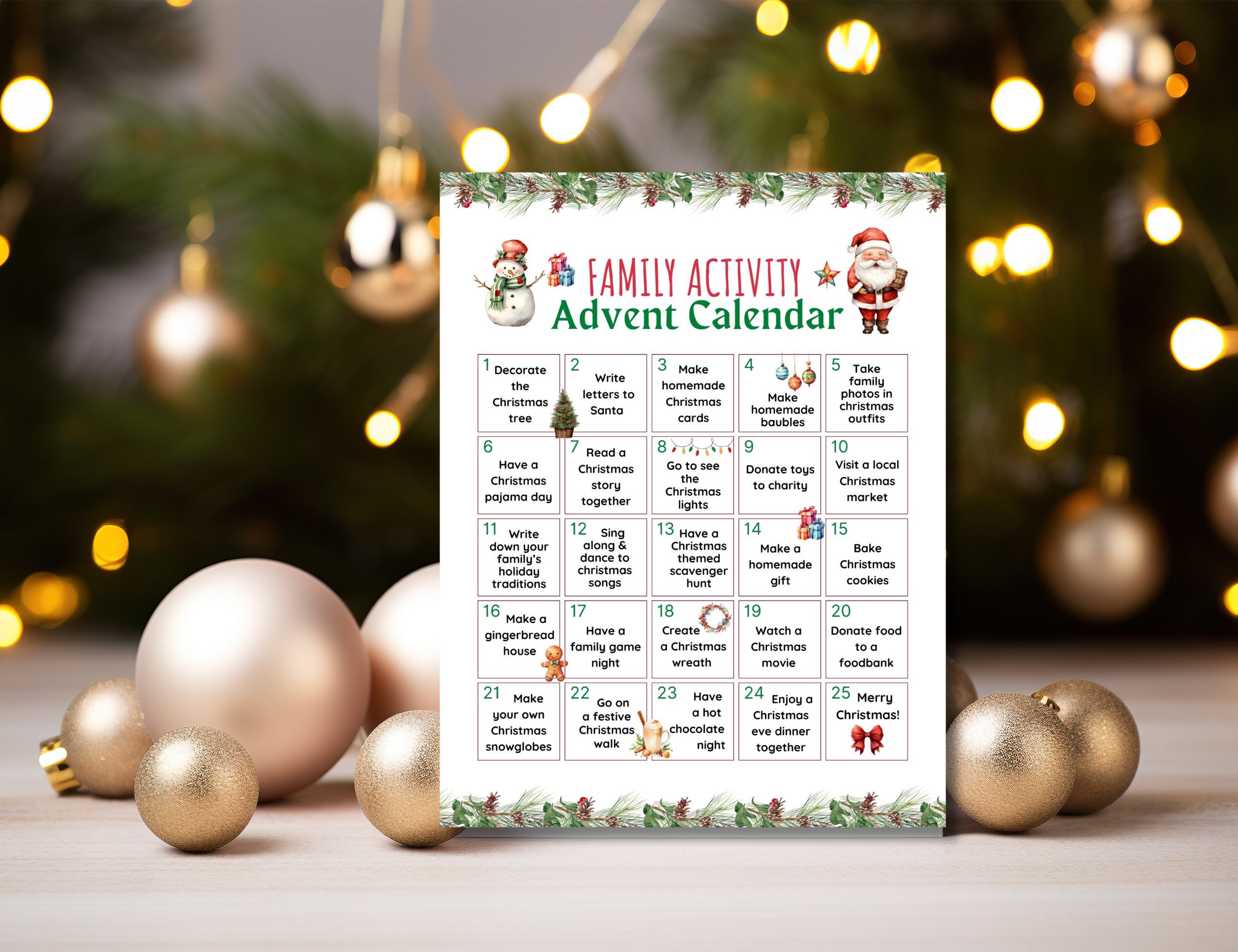
Activity-based advent calendars prioritize time over money. Instead of a physical item, each day reveals a slip of paper with a family-oriented task. This format is particularly effective for households looking to avoid the clutter of small plastic toys or excessive sweets.
To implement this successfully, curate activities that align with your family’s capacity. Avoid tasks that require significant financial output or high-stress preparation. Instead, focus on low-barrier, high-impact activities such as:
- Creative Tasks: Baking a specific cookie recipe, creating homemade paper snowflakes, or decorating the tree with handmade ornaments.
- Service-Oriented Tasks: Donating old toys to a local shelter, writing letters to distant family members, or baking treats for a neighbor.
- Leisure Tasks: Watching a designated holiday movie, going for a neighborhood walk to look at lights, or having a hot cocoa night.
The success of these calendars rests on the consistency of the ritual. Ensure that the activities are posted in a visible, central location so the anticipation can build throughout the day.
Evaluating Commercial Advent Calendar Trends
In 2026, the market for commercial advent calendars has expanded into highly specific niches, ranging from luxury skincare samples to artisanal tea blends and specialized tool kits. If you opt for a commercial product, verify the contents before purchase, as many "value-packed" calendars contain fillers that may not appeal to the user.
When purchasing a high-end or niche calendar, prioritize transparency. Legitimate manufacturers will list the exact items or a representative sample of what is included. Beware of "mystery" calendars that use generic marketing language; these often rely on low-quality surplus inventory. Additionally, verify the environmental impact of the packaging. Many premium brands now offer FSC-certified cardboard or reusable wooden structures, which align with modern consumer preferences for reduced waste.
Overcoming Common Planning Challenges
The most frequent issue encountered with advent calendars is the "burnout" effect, where the excitement of the first few days wanes by December 15th. This is typically caused by a lack of variety or activities that feel like chores rather than rewards.
- Solve the Fatigue Problem: Vary the intensity of your calendar. Schedule low-effort items (a simple chocolate or a positive quote) on weekdays, and save the larger surprises or more time-intensive activities for weekends.
- Address Missed Days: If the recipient misses a day, do not turn the catch-up process into a lecture. Allow them to open the missed surprise immediately. The goal is positive association, not a rigid test of discipline.
- Storage Constraints: If your living space is limited, opt for "hanging" systems rather than bulky, floor-standing wooden structures. A series of small fabric envelopes clipped to a decorative string or a pre-existing wreath is highly space-efficient and can be easily packed away in a small box come January.
Next Actions for Your Advent Project
To begin your advent calendar planning, first determine your specific audience and their primary motivation. If you are creating one for a child, focus on a blend of small, useful items and interactive activities. If you are creating one for a partner or friend, prioritize a theme that aligns with their professional or hobbyist interests.
Once your theme is set, create a physical or digital list of the 24 items or activities. Purchase or prepare all contents at least two weeks before December 1st to ensure you have time to troubleshoot any sourcing issues. Assemble your calendar in its final location at least 48 hours before the start date to ensure all mounting hardware is secure and the layout is aesthetically pleasing.
Frequently Asked Questions
Should I prioritize consumable items or activities for children?
The most successful calendars for children often combine both. Consumable items (like small treats) provide immediate, tactile satisfaction, while activities provide lasting memories. Mixing them prevents "gift fatigue" and keeps the experience engaging throughout the month.
How do I store a reusable advent calendar?
Store your calendar in a climate-controlled environment to prevent warping, especially if it is made of wood or heavy cardstock. If the calendar uses pockets, ensure they are empty to prevent fabric stretching or dust collection. Use a clear, lidded plastic bin for long-term storage to keep it protected from moisture and pests.
What is the best way to handle "daily chore" activities?
Avoid including chores (like cleaning your room or doing homework) as an advent activity. Advent calendars should be associated with celebration and joy. If you want to include acts of service, ensure they are voluntary and community-focused rather than related to household maintenance.
Are commercial advent calendars cost-effective?
They can be, but only if you would naturally purchase the included items anyway. If you are buying a $100 skincare advent calendar, ensure the combined retail value of the included travel-sized products is significantly higher than the price of the calendar and that the recipient would genuinely use every item.
How early should I start shopping for calendar contents?
For custom DIY calendars, start gathering supplies in October. By November, holiday-specific inventory is often picked over, and prices on seasonal craft items may rise. Early preparation allows you to compare prices and ensure you have enough variety to fill all 24 slots.