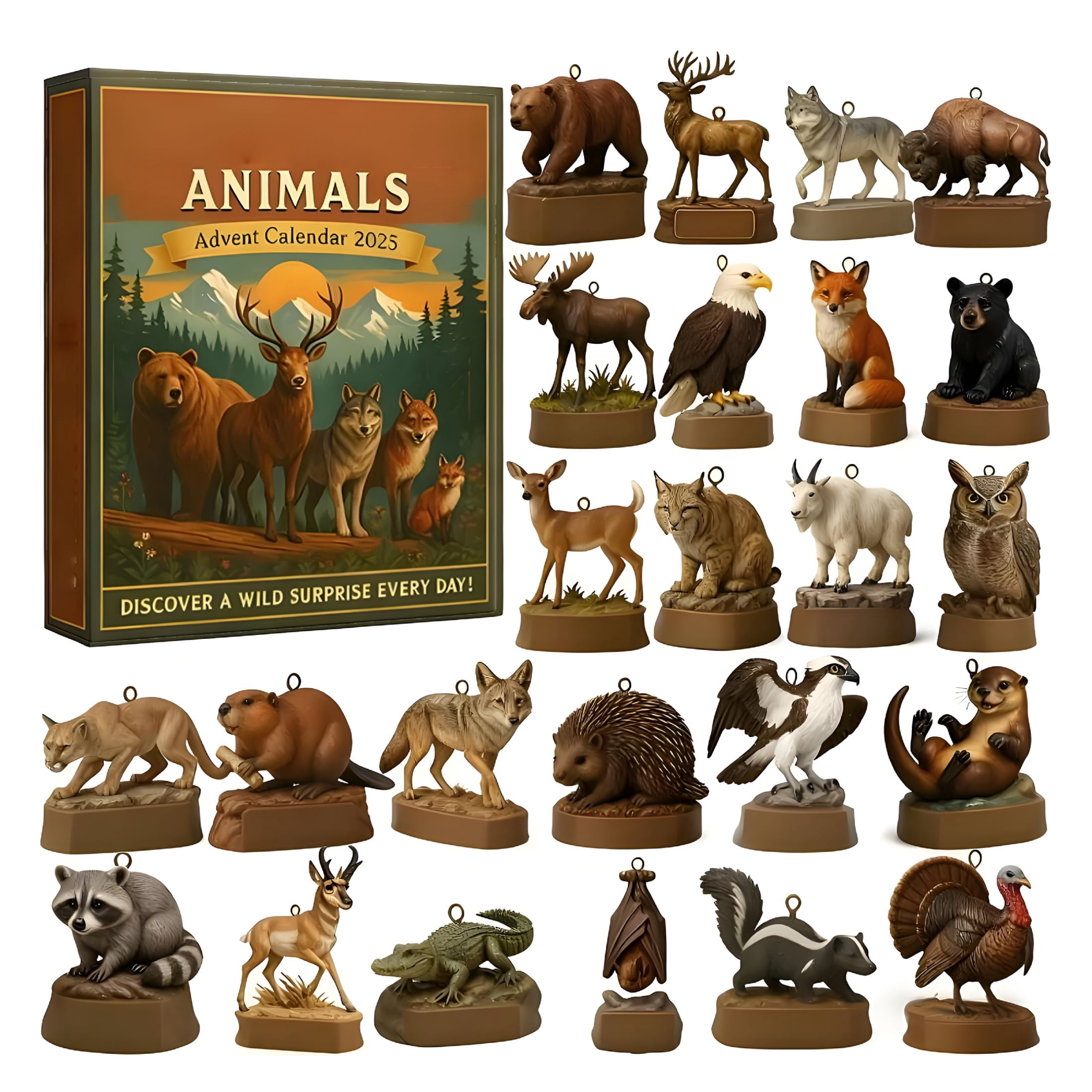
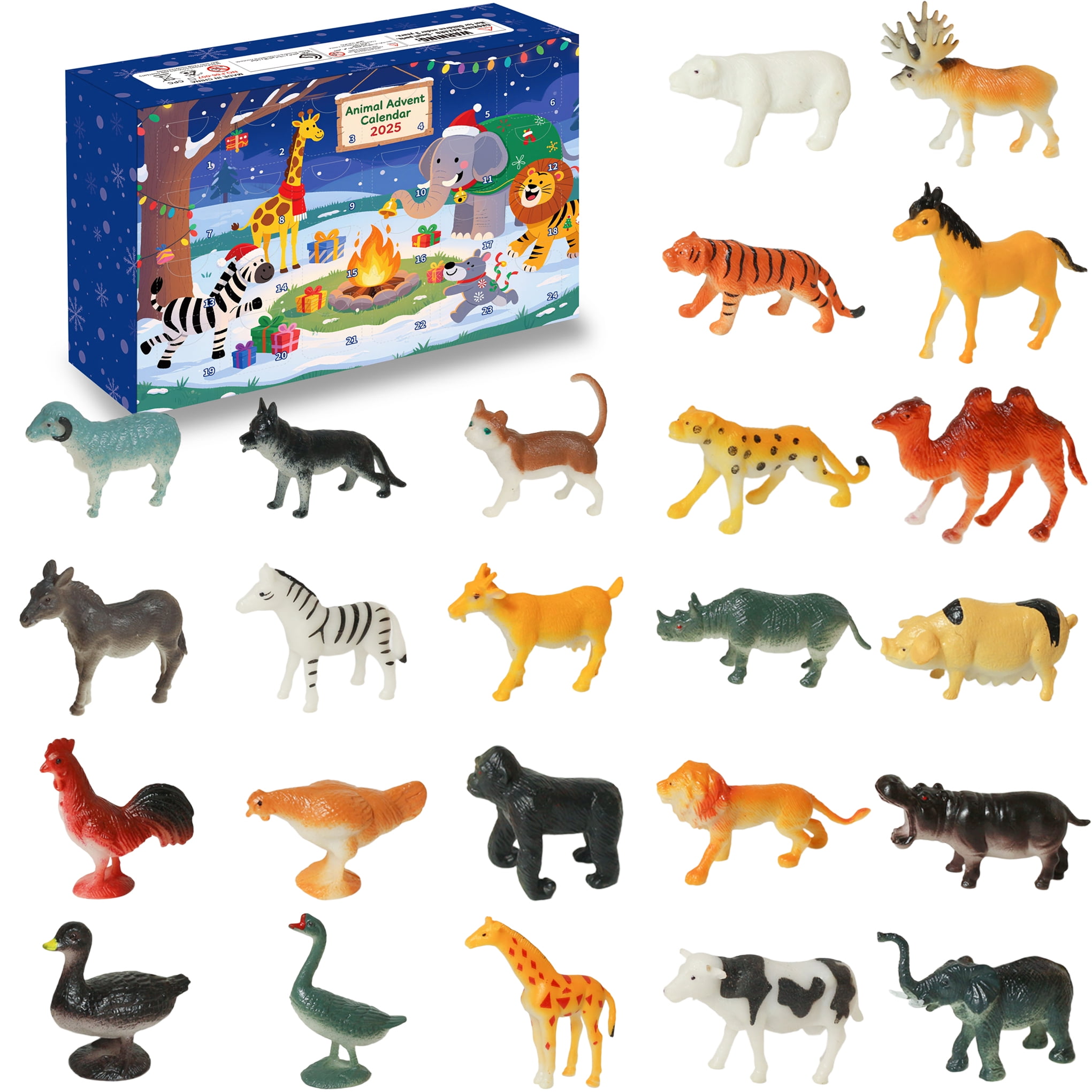
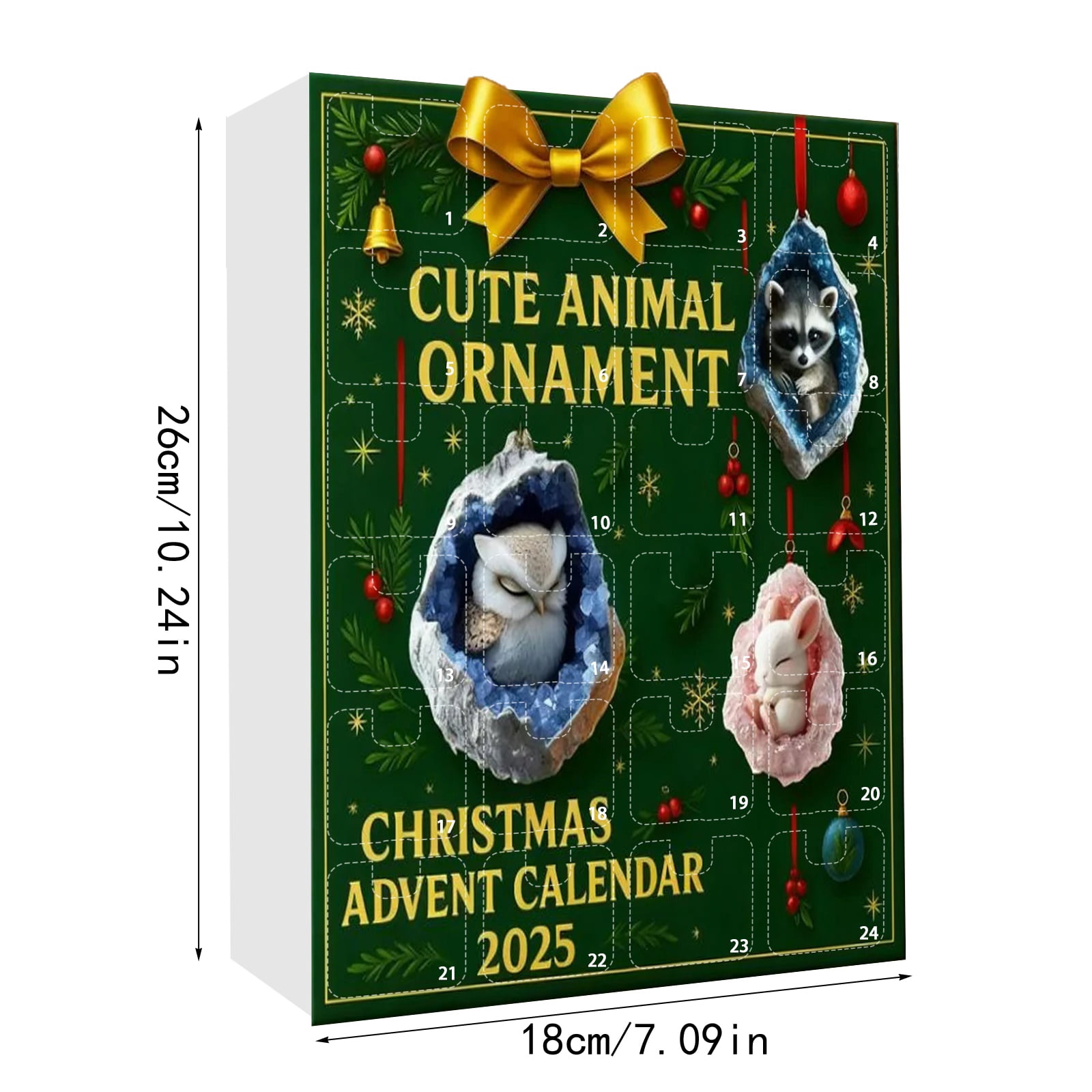
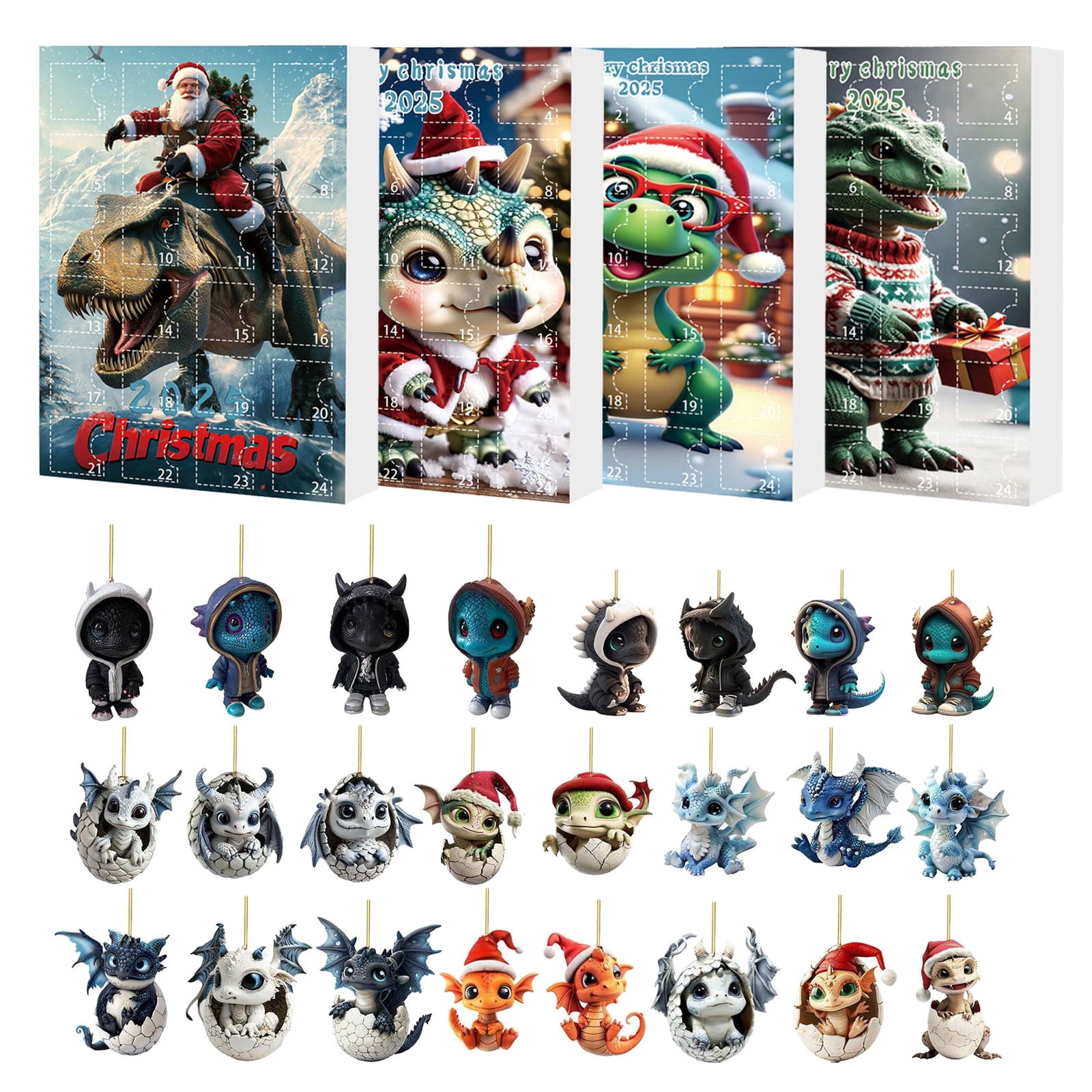
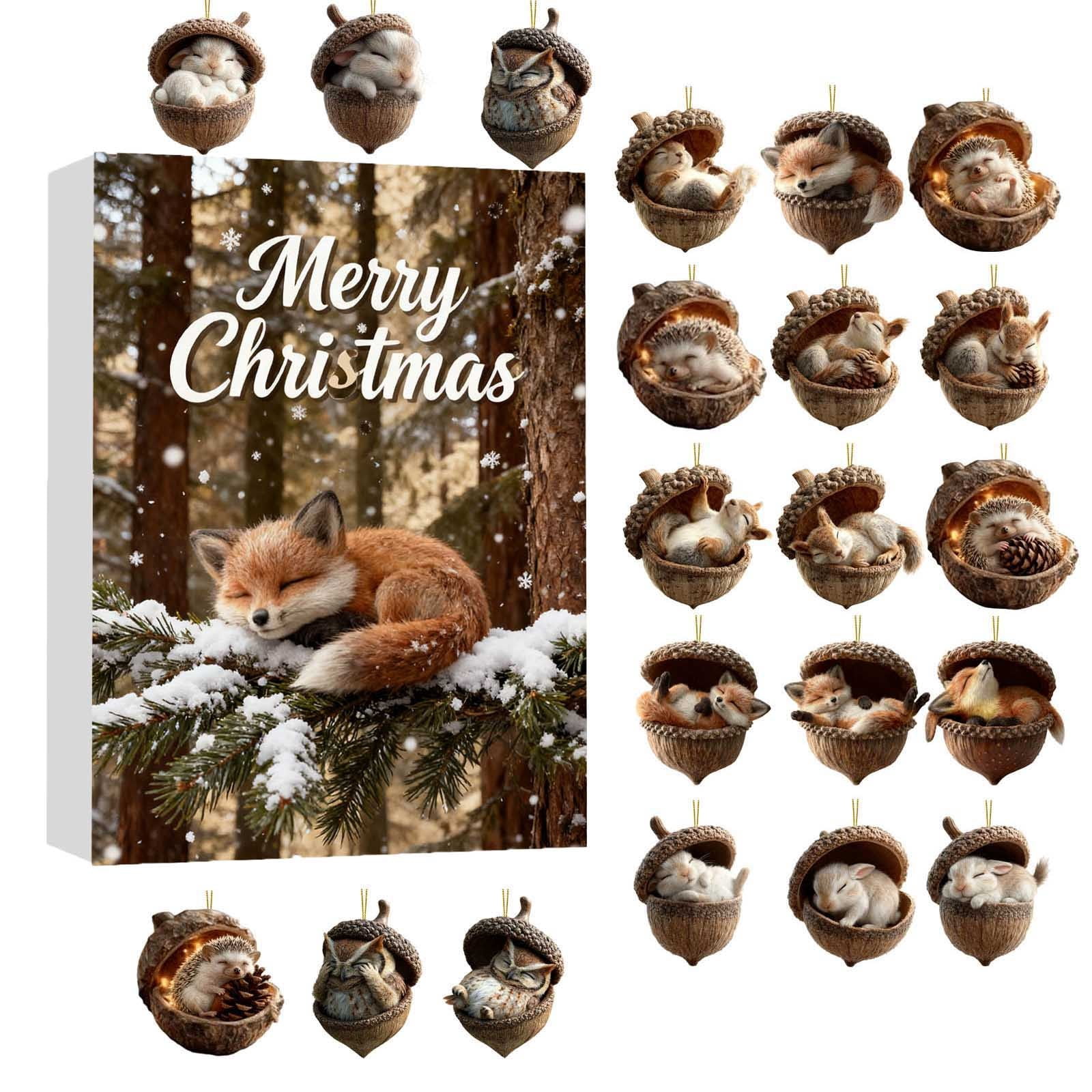
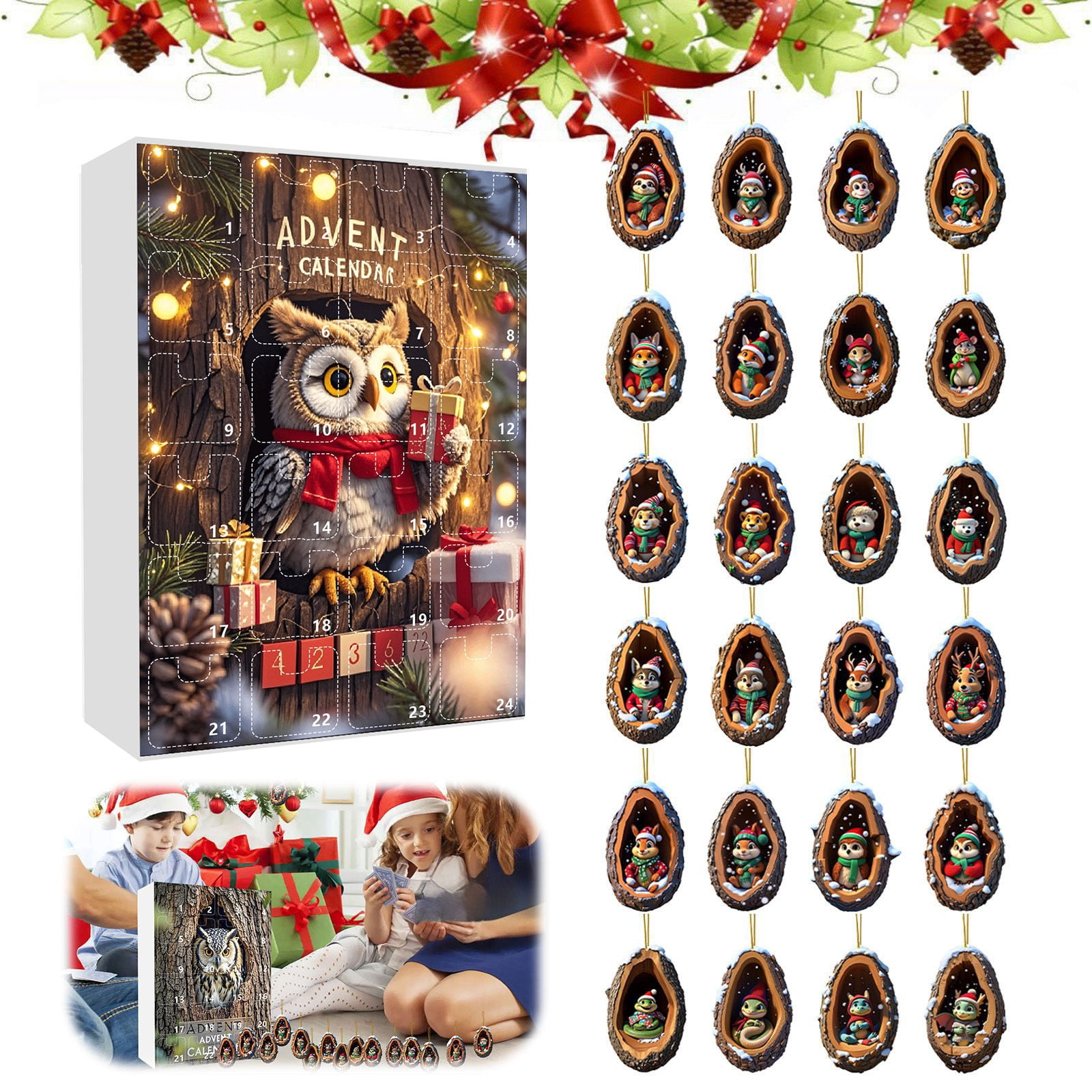
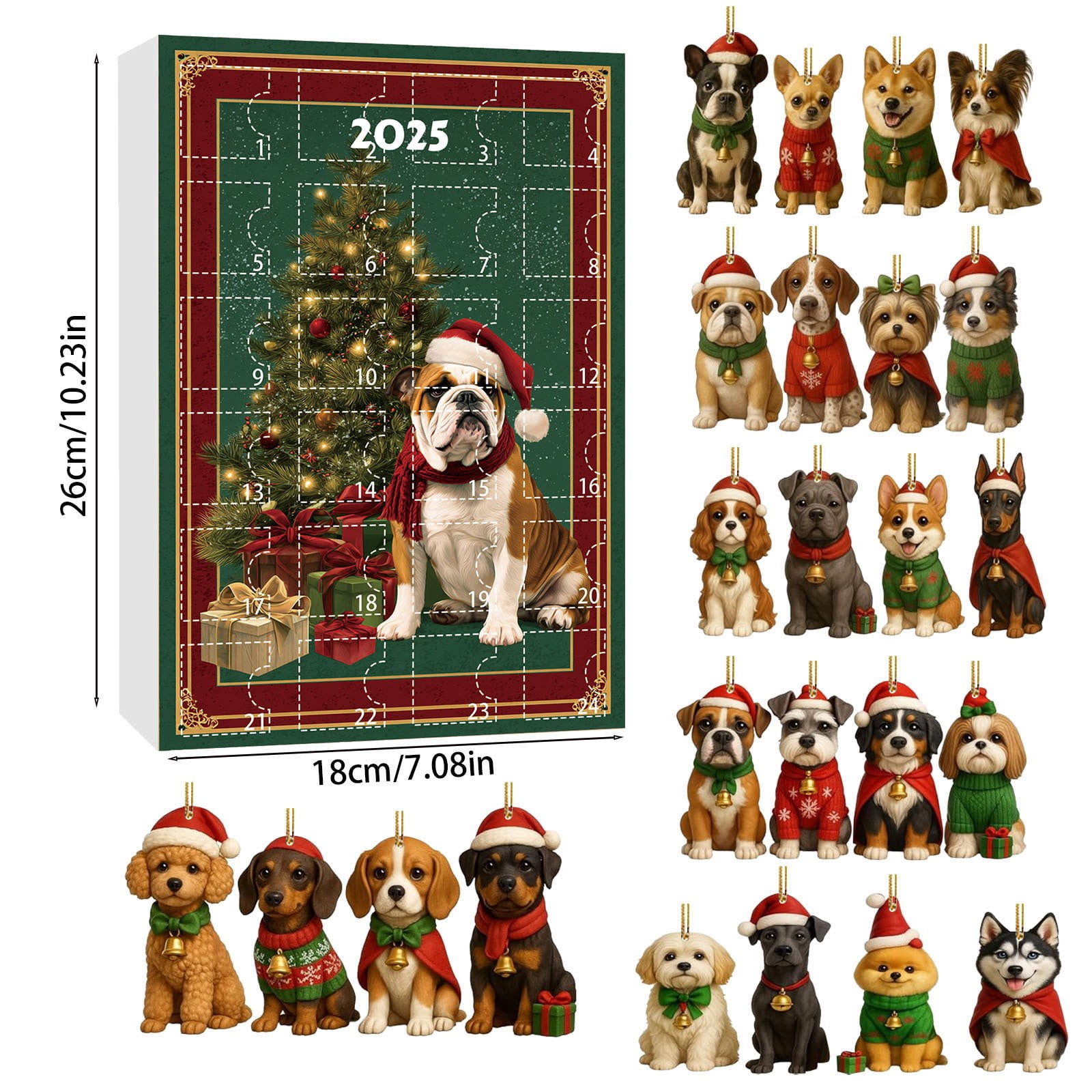
Advent calendar animals 24 days of furry friends surprises refers to a specialized category of seasonal countdown products designed to provide a small, animal-themed toy, figurine, or accessory behind each of the 24 doors leading up to Christmas. These products are popular among children, collectors, and seasonal decorators who prioritize small-scale, collectible figures over traditional chocolate-based calendars. The core appeal lies in the daily discovery of a themed "furry friend," which often builds into a complete set or interactive scene by December 24th.
Understanding the Appeal of Animal-Themed Advent Calendars
The shift from edible advent calendars to toy-based alternatives represents a significant change in holiday consumer behavior. For many families, the "furry friends" format offers longevity beyond the holiday season. While a chocolate calendar disappears upon consumption, an animal figure provides a tactile, durable object that can be integrated into existing toy collections or displayed as a miniature winter village.
The primary attraction is the element of surprise. Each day, the recipient encounters a new addition to their collection. In the context of "furry friends," this often implies a cohesive design language, such as miniature plush animals, flocked plastic figurines, or wood-carved creatures. When selecting these calendars, consumers are primarily looking for thematic consistency. A calendar that mixes farm animals with mythical creatures, for example, may be less desirable than one that offers a complete set of forest animals or household pets, as the latter allows for immediate, cohesive play.
Evaluating Quality and Material Standards
When purchasing a 24-day advent calendar featuring animals, material quality is a critical factor, particularly for younger demographics. Most mass-market versions utilize non-toxic PVC or ABS plastic, while premium versions may feature felt, wood, or high-quality synthetic plush.
Consumers should inspect the product packaging for age-appropriateness ratings, typically indicated by standard safety testing marks such as ASTM (American Society for Testing and Materials) or CE (Conformité Européenne) certification. These standards ensure that small parts, which constitute a choking hazard for children under three years of age, are restricted or properly labeled. For parents of younger children, it is advisable to prioritize calendars that specify "solid-piece" construction over those with detachable accessories, which can be easily lost or pose a hazard.
Comparative Overview of Animal Advent Calendar Types
To assist in selecting the right product, consider the following table which categorizes the primary types of animal-themed calendars currently on the market.
| Feature Type | Typical Material | Targeted Demographic | Primary Use Case |
|---|---|---|---|
| Flocked Figurines | Plastic with textured felt | Children (ages 4+) | Imaginative play / Diorama building |
| Miniature Plush | Polyester/Cotton | All ages | Ornamentation / Collection |
| Wooden Cutouts | Painted Beech/Pine | Collectors / Traditionalists | Heirloom decor / Mantel display |
| Poly-Resin Figures | Molded Resin | Collectors / Adults | Stationary display / Office decor |
Integrating Daily Surprises into Holiday Traditions
The 24-day countdown is an opportunity to cultivate a recurring daily ritual. Unlike calendars that provide one large gift, the "furry friends" approach is sequential. Successful integration often involves creating a designated space for the items as they are revealed. Many families use the base of the advent calendar packaging itself as the stage for a "holiday scene," where each day’s animal takes its place in a growing forest or winter village setting.
To maintain interest throughout the 24-day period, avoid opening the doors in advance. The anticipation of the reveal is a key psychological driver for this product category. If the calendar is intended for younger children, consider linking the discovery of the animal to a small, non-material activity, such as learning one fact about the species revealed that day, effectively turning a commercial product into an educational experience.
Managing Expectations for Collectors and Parents
One common challenge with 24-day animal calendars is the consistency of the "surprise" value. In many lower-cost models, the first few days may contain accessories (such as a food bowl, a tiny hat, or a rug) rather than animals, while the final days reveal the larger, more detailed figures. Managing this expectation early—perhaps by explaining that "the friends need their supplies first"—can prevent disappointment on days when an animal is not included behind the door.
Furthermore, consider the long-term storage of these items. Because the packaging is typically designed for a single-use display during December, the cardboard structure often deteriorates by the end of the month. If the intent is to preserve the collection for future years, plan for a small storage box or a decorative tin to house the 24 figures once the holiday concludes. Labeling these storage containers with the year of acquisition helps in tracking the collection’s growth over time.
Troubleshooting Common Issues
When dealing with 24-day countdown calendars, technical or logistical issues can arise that may disrupt the daily experience.
- Damaged or Missing Items: If a door contains an empty slot or a defective item, contact the manufacturer’s customer service department immediately. In 2026, most major retailers offer a "replacement-only" policy for these seasonal items, as they are often limited in stock.
- Sticking Doors: Occasionally, the perforated cardboard doors may be difficult to open, leading to tearing of the surrounding artwork. To prevent this, use a dull hobby knife or a small pair of scissors to gently trace the perforated line before the child attempts to open it.
- Safety Verification: If you purchase a second-hand or "open-box" calendar, you must verify the completeness of the set against the inventory list printed on the rear of the box. Ensure no small parts have been introduced that do not belong to the original set, as this could lead to confusion or safety risks.
Selecting the Best Calendar for Your Needs
The choice between a plastic-based or plush-based calendar often depends on the intended environment for the play. If the collection is meant for a bedroom where the child might sleep with the items, plush or soft-textile animals are the superior choice. If the goal is a tabletop display or complex imaginative play involving structures, rigid plastic or resin figurines offer better stability and detail.
Always check the product dimensions. Some "24-day" sets are advertised as large, but the individual animals may be no larger than a thimble. Reading the product description for the "average height of individual pieces" is a standard practice to avoid the mismatch between online advertising photos and the actual physical product.
Future-Proofing Your Collection
As of 2026, the trend in animal advent calendars leans toward sustainable materials. When purchasing for the next season, look for brands that emphasize FSC-certified wood or recycled plastics. Not only does this reduce the environmental impact of seasonal holiday goods, but these materials are historically more durable and hold their value better than disposable, single-use plastic components. By investing in higher-quality sets, you create a "collection" that can be rotated every year, rather than a "consumable" that ends up in the bin by late January.
Frequently Asked Questions
H3: Are these animal advent calendars suitable for children under three?
Most 24-day animal advent calendars are rated for children aged 36 months and older. Because they contain 24 small individual pieces, they present a significant choking hazard. Always check the manufacturer's age-grade label on the bottom of the box before purchase.
H3: Can I reuse the advent calendar box for future years?
Most mass-market cardboard advent calendars are designed for single-season use, meaning the perforations weaken significantly after 24 days. While you can keep the animals, the structural integrity of the box usually does not last beyond one holiday season.
H3: What is the difference between "flocked" and "plastic" animal figures?
Flocked figures are coated with a fine, velvet-like fiber, giving them a soft, realistic texture. Plain plastic figures have a smooth, hard surface. Flocked figures are generally more expensive and require careful cleaning, as they can attract dust and lint over time.
H3: How do I know if the set is complete?
Almost all commercial 24-day calendars have a key on the back of the box or an insert booklet listing every figure included. If you are unsure, count the doors to ensure there are exactly 24, and verify the contents against the provided inventory list during your initial inspection.
H3: Is there a cost-effective way to buy these after the holiday season?
Yes, retailers typically heavily discount seasonal items, including advent calendars, beginning on December 26th. If you are a collector looking for specific themes or brands, the period immediately following Christmas is the most economical time to purchase these sets for use in the following year.
Next Steps for Enthusiasts
If you are planning to curate a collection, start by assessing your storage space and the intended display area. For those aiming to collect these annually, begin by purchasing a high-quality, durable storage case designed for small figurines. If you are looking to purchase for the upcoming 2026 holiday season, prioritize checking the product’s release date and manufacturer reputation now, as specialty animal-themed sets often sell out through pre-orders by mid-autumn.