Advanced Clean Cars II (ACC II) is a comprehensive set of regulations adopted by the California Air Resources Board (CARB) to accelerate the transition to zero-emission vehicles (ZEVs). It mandates that, by the 2035 model year, all new passenger cars, trucks, and SUVs sold in California must be zero-emission, while establishing interim requirements for automakers to increase the percentage of ZEVs in their annual sales fleets.
The Purpose and Regulatory Scope of ACC II
Advanced Clean Cars II represents the second phase of California's multi-tiered strategy to reduce criteria pollutants and greenhouse gas emissions from the transportation sector. By transitioning the light-duty vehicle fleet from internal combustion engines (ICE) to zero-emission technologies—including battery electric vehicles (BEVs), hydrogen fuel cell electric vehicles (FCEVs), and a limited allowance for plug-in hybrid electric vehicles (PHEVs)—the regulation aims to achieve significant air quality improvements and climate targets.
Unlike previous regulations that focused primarily on tailpipe emission standards, ACC II shifts the regulatory burden onto the sales mix of original equipment manufacturers (OEMs). Manufacturers are required to meet specific ZEV percentages annually, which rise steadily over time. This approach ensures a predictable, market-driven transition, compelling automakers to prioritize the development, production, and distribution of cleaner vehicle technologies within the state’s jurisdiction.
Understanding the ZEV Mandate and Compliance Schedule
The central requirement of ACC II is the annual ZEV sales percentage requirement. Starting with the 2026 model year, manufacturers must reach a minimum ZEV sales threshold, increasing consistently until reaching 100% in 2035. This timeline is not merely a goal but a binding legal requirement for OEMs operating within the California market.
Compliance is tracked via a credit system. While the mandate is effectively a 100% sales requirement by 2035, the interim years allow for a mix of ZEVs and, in limited instances, PHEVs that meet specific technical criteria. The regulation is designed to be self-sustaining; as the market matures and charging infrastructure expands, the regulatory requirements intensify to reflect the increased availability and feasibility of zero-emission transportation.
Technical Eligibility and Vehicle Categorization
Not all vehicles qualify under the strict definitions established by ACC II. To count toward the mandated ZEV requirements, a vehicle must meet rigorous technical standards regarding range, durability, and charging performance.
- Zero-Emission Vehicles (ZEVs): These include battery-electric and fuel-cell electric vehicles. They must meet minimum range requirements to ensure that they are practical replacements for traditional ICE vehicles for the average consumer.
- Plug-in Hybrid Electric Vehicles (PHEVs): Under ACC II, PHEVs may only contribute to a portion of the manufacturer’s compliance requirements. To qualify, these vehicles must offer a minimum all-electric range and meet specific "clean" performance standards. The regulation limits the extent to which PHEVs can be used to meet long-term targets, incentivizing the industry to move fully toward pure ZEV platforms.
- Durability Requirements: A critical component of ACC II is the mandate for battery longevity and performance. Manufacturers must provide warranties that ensure the battery and related systems remain functional and efficient over an extended period, protecting consumers from premature degradation and high ownership costs.
Comparative Overview of Compliance Pathways
The following table outlines the transition trajectory for manufacturers under the ACC II mandate.
| Model Year | ZEV/PHEV Sales Requirement | Regulatory Focus |
|---|---|---|
| 2026 | 35% | Initial mandatory threshold |
| 2028 | 51% | Mid-term technology ramping |
| 2030 | 68% | Acceleration of fleet turnover |
| 2032 | 82% | Market dominance phase |
| 2035 | 100% | Full zero-emission mandate |
Note: Percentages represent the required portion of total light-duty vehicle sales for regulated OEMs. Certain flexibilities exist for early compliance and compliance banking.
Implications for Manufacturers and Consumers
For automakers, the primary challenge of Advanced Clean Cars II is the scale of the required industrial transition. OEMs must retool manufacturing facilities, secure domestic or compliant supply chains for critical minerals, and rapidly pivot their research and development budgets toward electrification. This shift has necessitated massive capital investments, impacting vehicle pricing structures and fleet management strategies throughout the mid-2020s.
For consumers, the regulation influences vehicle availability and potential cost. While the upfront cost of ZEVs has historically been higher than traditional combustion vehicles, ACC II anticipates that economies of scale and increased competition will bring purchase prices closer to parity. Furthermore, by mandating minimum range and battery durability standards, the regulation serves to mitigate consumer anxiety regarding vehicle reliability, ensuring that the transition to electric mobility does not compromise utility or long-term vehicle viability.
Addressing Infrastructure and Grid Integration
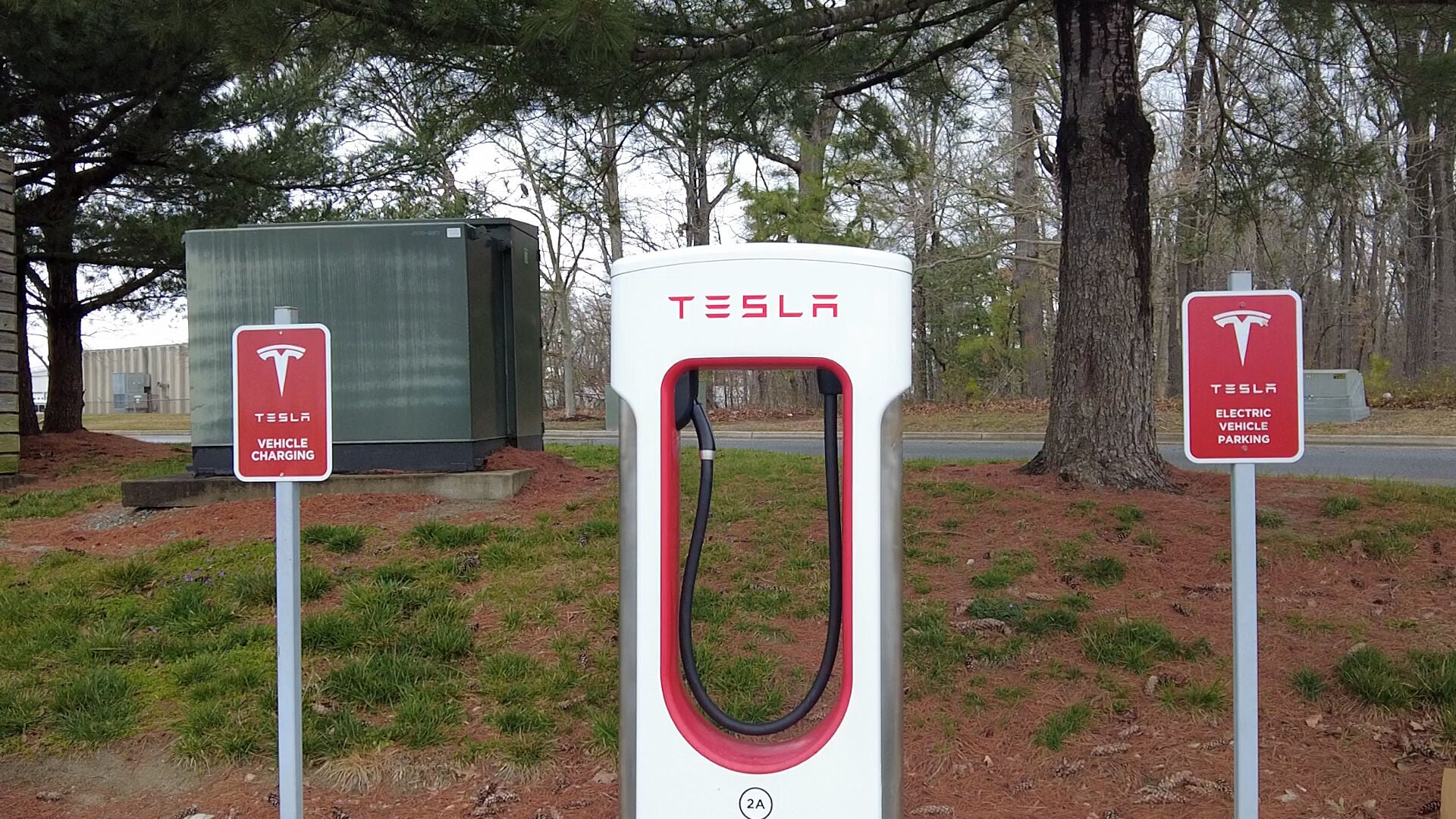
The success of Advanced Clean Cars II is inextricably linked to the development of public and private charging infrastructure. The regulation serves as a policy driver for state-level investment in grid upgrades, public charging station deployment, and incentives for residential charging installations. As the number of electric vehicles on the road increases, the electricity grid must be optimized to manage the load through managed charging programs and vehicle-to-grid (V2G) technologies.
Regulators have acknowledged that the infrastructure must precede the vehicle adoption curve. Consequently, California maintains concurrent initiatives to streamline the permitting process for new chargers and to provide subsidies for low-income communities to ensure equitable access to zero-emission transportation options, preventing the regulation from inadvertently creating a mobility divide.
Common Questions Regarding the Regulation
How does Advanced Clean Cars II differ from the previous ACC I rules?
Advanced Clean Cars II significantly increases the stringency and pace of electrification compared to the original Advanced Clean Cars program. While the initial program focused on lowering fleet-wide greenhouse gas and criteria pollutant averages, ACC II mandates a specific, rising percentage of actual ZEV sales, culminating in a 100% requirement by 2035.
Are plug-in hybrids still allowed under these rules?
Yes, but with strict limitations. PHEVs can account for a maximum of 20% of a manufacturer's total compliance requirement. Additionally, these vehicles must meet higher performance standards for electric-only range and emission profiles to be eligible for credit under the regulation.
Does this regulation apply to used vehicle sales?
No, the mandate applies to the sale of new light-duty vehicles by original equipment manufacturers. It does not regulate the resale of used gasoline-powered cars, nor does it mandate that owners of existing ICE vehicles must trade them in for electric versions.
What happens if an automaker fails to meet the annual targets?
Manufacturers that do not meet their ZEV percentage requirements through direct sales may face regulatory penalties. However, the program includes a flexible credit system where OEMs can bank "excess" credits from years where they exceeded targets or purchase credits from other manufacturers that have surpassed their obligations.
How are battery warranties regulated under ACC II?
The regulation mandates specific battery state-of-health (SOH) requirements. Manufacturers must provide warranties that ensure the battery retains at least 80% of its certified capacity for the first 10 years or 150,000 miles, providing a clear safety net for consumers and encouraging confidence in the long-term value of electric vehicles.
Navigating the Transition to Zero-Emission Transport
If you are planning a vehicle purchase in the coming years, it is essential to monitor how your chosen manufacturer is aligning their fleet with state mandates. As of 2026, many OEMs have already integrated their ZEV roadmaps into their consumer-facing sales strategies. Prospective buyers should prioritize models that benefit from the latest improvements in battery density and charging speed, which are often the result of the aggressive research requirements spurred by these regulations. Furthermore, check for available state and federal incentives that may overlap with the ZEV purchase requirements to lower the effective total cost of ownership.