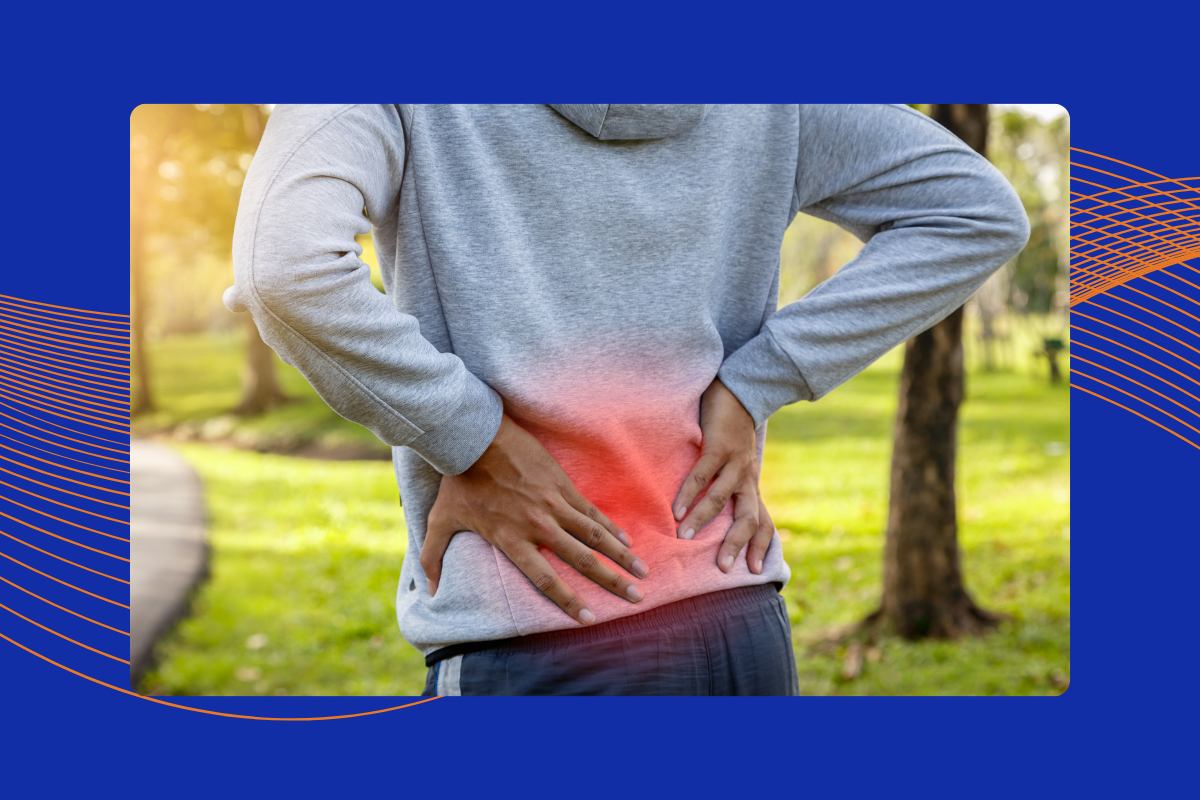
The Advanced Back Pro is a wearable orthopedic support device designed to alleviate lower back discomfort by providing structural stabilization and encouraging proper spinal alignment. Prospective users should evaluate its ergonomic design, material breathability, and tension adjustability to determine if it aligns with their specific physical requirements and mobility needs for daily pain management.
Understanding the Role of Lumbar Support Devices
Chronic back pain is a pervasive issue that often stems from poor posture, muscular imbalances, or repetitive strain. Devices like the Advanced Back Pro operate on the principle of lumbar stabilization. By applying external pressure to the lower thoracic and lumbar regions, these braces aim to limit excessive spinal flexion and distribute load more evenly across the core and lower back muscles.
When selecting a support device, it is critical to distinguish between rigid medical braces intended for post-surgical recovery and flexible, wearable supports designed for lifestyle management. The Advanced Back Pro generally falls into the latter category, serving as an accessory for individuals who require supplemental support during sedentary office work, light physical activity, or long periods of standing. Understanding this distinction helps in setting realistic expectations regarding the device’s efficacy as a primary versus an adjunctive tool for pain relief.
Key Features and Design Specifications
The effectiveness of any back support is primarily determined by its material composition and mechanical design. The Advanced Back Pro typically utilizes high-tension elastic fibers combined with reinforced panels. The following design elements are standard considerations for potential users:
- Breathability: The integration of moisture-wicking, mesh-knit fabrics is essential for users wearing the device for extended periods, as it reduces heat accumulation and skin irritation.
- Adjustability Mechanisms: Dual-tension straps allow for customized compression, enabling users to increase or decrease support intensity depending on their specific activity level throughout the day.
- Structural Stays: Flexible plastic or metal-alloy rods are often embedded in the rear panel to assist with posture correction without completely immobilizing the lumbar musculature, which prevents muscle atrophy—a common concern with long-term bracing.
Practical Performance and User Considerations
For most users, the primary utility of the Advanced Back Pro lies in its ability to provide sensory feedback. By creating a physical reminder of spinal positioning, it helps individuals maintain a neutral spine. In 2026, many clinicians emphasize that such devices are most effective when used in conjunction with physical therapy rather than as a permanent replacement for active strengthening exercises.
When integrating this device into your daily routine, consider the following performance factors:
- Fitment: A device that is too tight may impede circulation or cause abdominal discomfort, whereas a loose device offers negligible support. Precise measurement of the waist and lower torso is a mandatory prerequisite for proper function.
- Activity Type: Evaluate whether the device is intended for passive use (sitting) or active use (walking or light lifting). The support requirements for these two scenarios differ significantly in terms of required rigidity.
- Duration of Wear: Medical experts generally advise against 24/7 wear. Using the support for 4 to 6 hours during high-risk tasks is often more effective than continuous use, which can lead to psychological and physical dependency on the external support structure.
Comparison of Back Support Methodologies
Choosing the right intervention for back pain requires comparing the Advanced Back Pro against other common methodologies. The table below outlines how various solutions address the problem of spinal discomfort.
| Methodology | Primary Mechanism | Best For | Typical Limitation |
|---|---|---|---|
| Advanced Back Pro | External Compression | Posture & Muscle Support | Does not cure structural issues |
| Physical Therapy | Muscular Strengthening | Correcting Imbalances | Requires time and consistency |
| Ergonomic Chairs | Environmental Adjustment | Sedentary Work | Limited to office settings |
| Targeted Medication | Chemical Inflammation Control | Acute Pain Flares | Potential side effects |
Identifying Operational Limitations
While the Advanced Back Pro offers significant benefits for those struggling with minor lumbar strain, it is not a panacea. Users should be aware that the device does not correct structural spinal deformities, such as severe scoliosis or disc herniation, without clinical oversight.
One of the most frequent mistakes users make is over-tightening the support in an attempt to "fix" deep-seated pain. Excessive pressure can lead to respiratory restriction or discomfort in the iliac crest region. Furthermore, if your pain is accompanied by neurological symptoms—such as tingling in the legs, numbness, or loss of motor function—the use of an off-the-shelf support device should be secondary to a formal consultation with a physician or spine specialist to rule out serious underlying pathology.
Troubleshooting Common Fitment and Usage Issues
If you encounter difficulty with the Advanced Back Pro, the issue can often be resolved through simple adjustments. If the brace consistently slides upward, it is often a sign that the bottom tension straps are not properly anchored against the iliac crest (the hip bone). Ensuring that the device is positioned low enough to capture the pelvis is key to maintaining a stable fit.
For users experiencing skin sensitivity, wearing a thin, moisture-wicking undergarment between the skin and the device is a recommended strategy. This prevents direct friction and helps manage sweat buildup during warmer months. If the structural stays begin to poke or cause localized pressure points, ensure the brace is being centered correctly over the lumbar vertebrae; minor rotations in the device’s orientation can often mitigate these pressure points.
Frequently Asked Questions
Can I wear the Advanced Back Pro while sleeping?
It is generally not recommended to wear lumbar support devices while sleeping unless specifically prescribed by a medical professional. Your body requires a natural range of motion during sleep, and restricting the spine with a compression device can interfere with proper circulation and sleep quality.
How do I clean and maintain the device?
Most orthopedic support devices should be hand-washed in lukewarm water with a mild detergent. Avoid machine washing or drying, as high temperatures can degrade the elasticity of the fabric and weaken the structural integrity of the internal stays. Always air dry in a flat position away from direct sunlight.
Does the device replace the need for core exercises?
No. Using the Advanced Back Pro serves as an assistive tool to provide support, but it should not replace regular exercise. Relying solely on external support can lead to "lazy muscles," where the core stabilizes less efficiently because the brace is doing the work.
How do I know if the size I purchased is correct?
A correctly sized brace should allow you to pull the tension straps to the midpoint of their adjustment range. If you find you must pull the straps to their maximum limit to feel support, the device is likely too large. If you cannot close the device comfortably at all, it is likely too small.
How often should I replace the support?
Depending on frequency of use, most high-quality supports retain their structural integrity for 6 to 12 months. Signs that a replacement is necessary include visible fraying of the elastic, loss of compression strength in the fabric, or permanent warping of the internal stays.
Next Steps for Pain Management
If you have decided that the Advanced Back Pro is an appropriate tool for your situation, your next step is to obtain precise measurements of your torso to ensure the correct size selection. Once acquired, incorporate the device gradually—starting with 30-minute intervals—to allow your body to adapt to the support. Pair this with a daily regimen of gentle, low-impact stretching or core-strengthening movements as permitted by your physical comfort level. If your pain persists or intensifies despite consistent use of the device, schedule an appointment with a healthcare professional to review your clinical presentation and discuss a more comprehensive, personalized treatment plan.