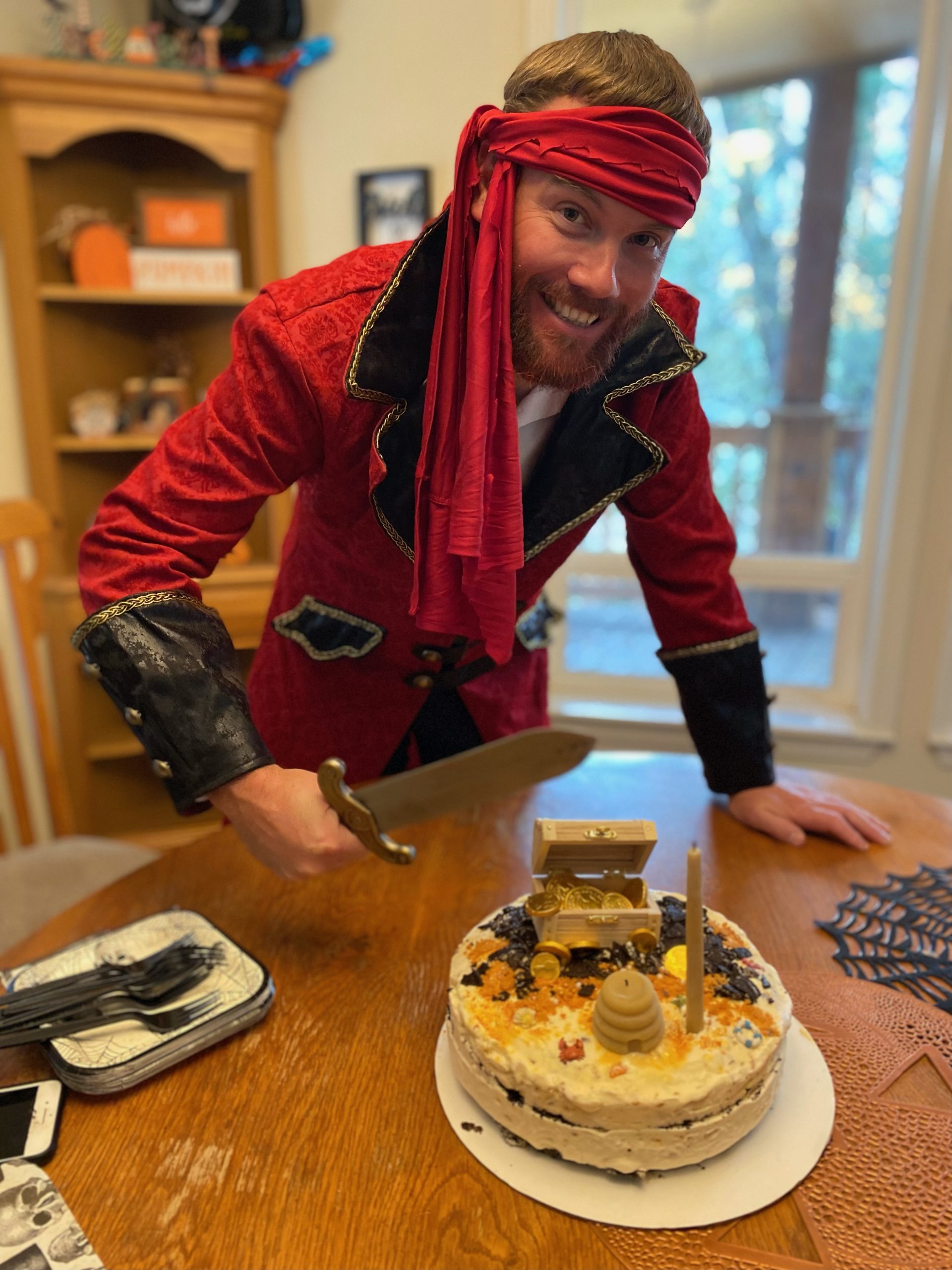
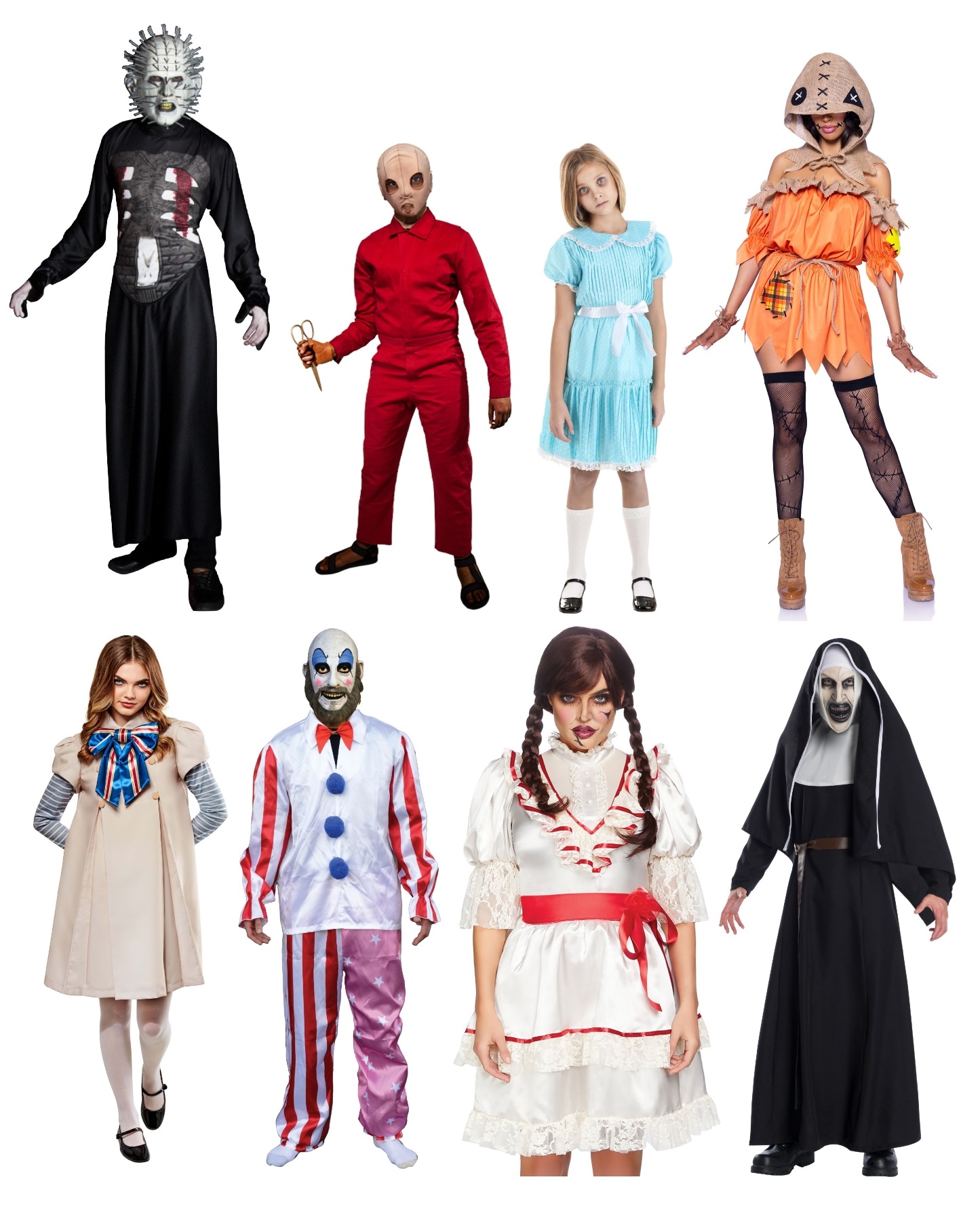
Hosting or attending a Halloween event as an adult requires a balance between atmospheric design, curated guest experiences, and costume selection that transcends basic store-bought options. Success lies in thematic cohesion, where the environment serves as an extension of the costume narrative, allowing participants to fully immerse themselves in a structured, sophisticated, or high-concept spooky atmosphere.
Establishing the Theme: Moving Beyond Generic Decor
A truly memorable Halloween event for adults requires a singular, well-executed vision. Rather than opting for generic orange and black decorations, curate an environment that dictates the tone of the entire evening. Whether you are aiming for a classic gothic Victorian manor, a mid-century occult-themed parlor, or a high-tech dystopian nightmare, the theme acts as the foundation for both the party activities and the expectations for guest attire.
Begin by evaluating your space. Large, open areas are ideal for high-impact visual displays, such as floor-to-ceiling lighting shifts or projection mapping, while smaller, intimate spaces benefit from detailed, tactile decor like antique glassware, faux-aged manuscripts, and directed low-level lighting. Using a color palette restricted to three or four complementary shades—such as deep crimson, charcoal, and brushed gold—creates a professional visual cohesion that elevates the party from a standard seasonal gathering to an immersive event.
Navigating Costume Expectations and Guidelines
When planning a party for an adult audience, the costume policy should be communicated clearly in the initial invitation. Avoid vague descriptors; instead, provide a framework that assists guests in choosing their attire. This minimizes the risk of social friction and ensures that costumes harmonize with the established theme.
Decide on the "level of participation" you expect. If the party is a costume-mandatory event, consider offering a clear categorization, such as "High-Concept Horror," "Period-Appropriate Dark Elegance," or "Abstract Interpretation of Phobias." Providing specific prompts encourages creativity and prevents the "too many vampires" dilemma. If you are a guest, verify the event’s tone beforehand. A party held in a formal setting requires a different approach than a casual apartment gathering. High-effort costumes in an environment where people are uncomfortable or unable to move freely lead to a disjointed social experience.
Costume Strategy and Construction
For adults, the most successful costumes are those that feature a clear narrative or character arc. Avoid costumes that rely solely on a single accessory or mask. Instead, focus on layering:
- Textural Depth: Combine varied materials like velvet, leather, lace, or distressed synthetics to add visual weight to the costume.
- The Power of Proportions: Use makeup, prosthetics, or architectural silhouettes to alter your natural silhouette, which is often more effective for horror aesthetics than standard clothing.
- Consistency of Detail: If you are portraying a period character, ensure the accessories, footwear, and grooming reflect that specific era. Modern sneakers or visible digital devices often break the immersion, especially in photographic environments.
Comparison of Event Styles and Atmospheric Requirements
The logistics of a spooky party change significantly based on the chosen venue and the desired intensity of the "spooky" experience. The following table compares common event structures to help align your planning.
| Event Type | Focus | Primary Logistics | Costume Suitability |
|---|---|---|---|
| Gothic Soiree | Sophistication | Ambient lighting, curated music, formal dress code | High-concept period, masks, formal gothic |
| Interactive Horror | Immersion | Puzzles, timed events, environmental storytelling | Functional, movement-oriented, rugged |
| Cinematic Viewing | Low-Intensity | High-quality projection, comfort seating, snacks | Loose, thematic pajamas or loungewear |
| Thematic Potluck | Social/Casual | Dietary planning, collaborative decor, easy seating | Humorous, pop-culture, low-maintenance |
Logistics for Interactive and Atmospheric Elements
If your goal is to create a truly "spooky" atmosphere, prioritize sensory input beyond just visual decor. Soundscapes—composed of low-frequency drones, dissonant ambient music, or subtle, repetitive sounds like footsteps or whispering—can significantly increase the sense of unease. Ensure that audio equipment is hidden to maintain the illusion.
Lighting is the most critical element of a successful spooky party. Avoid harsh overhead lighting at all costs. Utilize warm, dim sources like flickering LED candles, amber-tinted string lights, or smart lighting systems programmed with shifting colors to create shadows and emphasize architectural features of your venue. If the environment is meant to be unsettling, use "pools of light" to guide guest movement while leaving corners of the room in near-total darkness.
Addressing Practical Safety and Legal Constraints
When hosting adults, particularly if alcohol is served, safety must be integrated into the event plan. Ensure that all decorative elements, such as hanging fabrics or paper decor, are kept away from heat sources like candles or space heaters. In 2026, many jurisdictions maintain strict fire safety codes for commercial or public-facing events; if you are hosting in a rented venue, request a copy of their safety certificate and fire exit protocols.
If your costume design involves props, ensure they comply with venue policies. Many professional event spaces prohibit realistic-looking weapons or large, obstructive costume elements that could pose a trip hazard. If you are the host, establish a clear policy regarding prop weapons in your invitation to avoid confusion at the door.
Troubleshooting Common Party Pitfalls
The most common issue in adult Halloween events is the "costume mismatch," where guests arrive with varying levels of effort. You can mitigate this by providing a "Costume Inspiration" document or a digital mood board linked in the invitation. This establishes the baseline aesthetic without being overly restrictive.
Another frequent problem is the "stagnant party," where guests remain in one location or struggle to engage with the theme. Counter this by building in "activity nodes." These could be a designated photo booth area with thematic props, a cocktail-making station that requires guests to interact with ingredients, or a subtle, recurring narrative element that requires guests to solve a simple puzzle to access a specific part of the party, such as a "secret room" or a specific refreshment.
Frequently Asked Questions
How do I encourage guests to wear costumes if they are reluctant?
Offer incentives or lower the barrier to entry. Provide a "parts and pieces" station upon arrival, such as masks, capes, or high-quality makeup kits. If people feel like they have a toolset to participate, they are significantly more likely to engage with the concept, even if they arrive in normal attire.
What is the best way to light a room for a "haunted" feel without losing visibility?
Layer your lighting. Use "anchor lights"—dim lamps placed in corners—to provide basic navigation, then use colored accents like blue or purple LEDs behind furniture to create depth. This approach preserves enough visibility for safety while creating the shadows necessary for a spooky ambiance.
How do I ensure my costume is comfortable for a full evening?
Test your costume for at least two hours in a domestic setting before the event. If you cannot sit, walk quickly, or easily use the restroom in your costume, you will likely become frustrated. Ensure that any masks have adequate ventilation and that heavy props are balanced to avoid neck or back strain during the night.
What are some low-cost, high-impact decorations for an adult party?
Focus on items that utilize texture and light. Cheap, black lace fabric draped over existing lamps creates an instant gothic mood. Similarly, printing period-appropriate portraits and framing them in inexpensive, uniform frames can transform a standard living room into a mysterious gallery.
Are there legal issues with using horror soundscapes or imagery?
Public performance of music or film requires the appropriate licensing. If you are hosting a private party in your home, this is generally not an issue. However, if you are renting a professional space, confirm with the venue management regarding their licensing agreements for media content to ensure you remain compliant with local regulations.
Recommended Next Steps for Your Event
To begin your planning, start by drafting your guest list and determining your budget. Once you have a firm grasp on the number of attendees, select your theme and create a digital mood board to help you visualize the required materials. Allocate your budget first toward high-impact elements like lighting and primary decor items, then move to incidentals like food and drink. Send out invitations at least four weeks in advance to allow guests adequate time to plan and assemble their costumes, ensuring that your event is a cohesive, immersive experience for everyone involved.