The antonym of "adult" is fundamentally "child," representing the developmental state before physical, legal, and cognitive maturity. While "adult" implies a status of legal autonomy and physiological completion, the term "child" denotes a phase of growth, dependency, and the acquisition of basic life skills. Understanding these opposites requires analyzing linguistic, legal, and behavioral frameworks.
Defining the Linguistic Spectrum of Adulthood
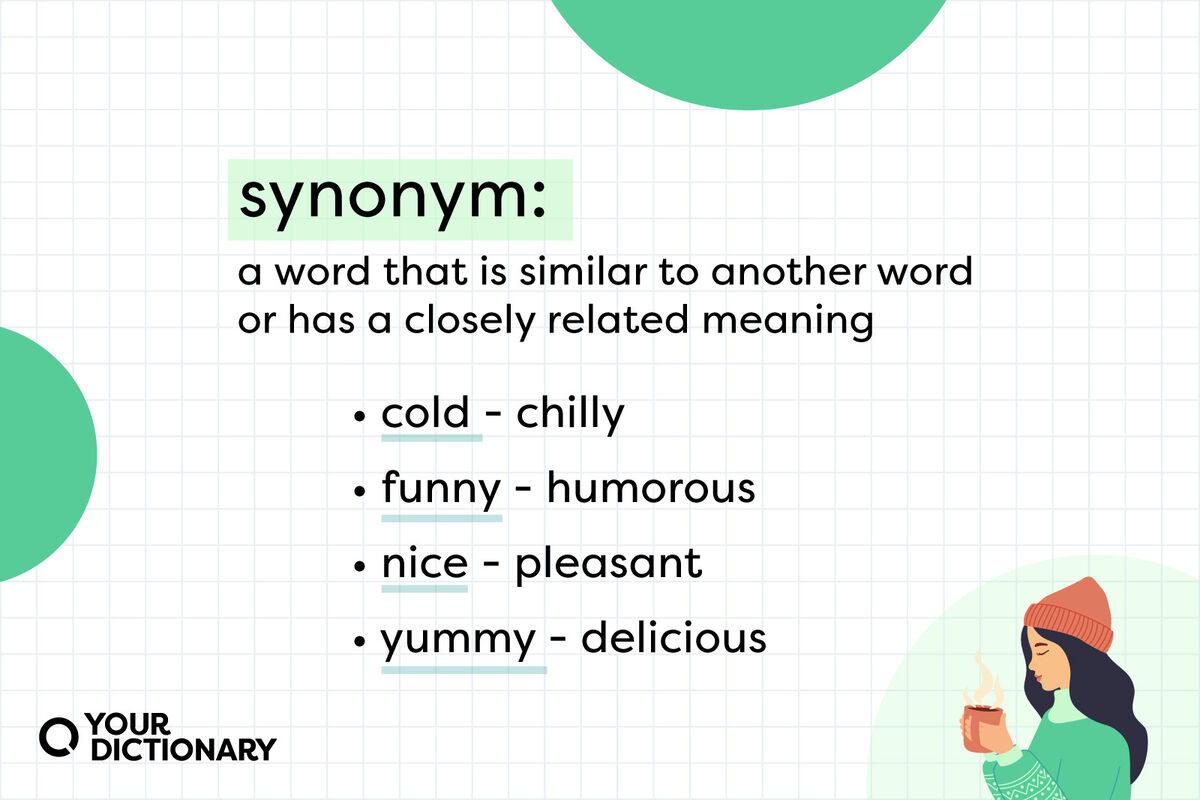
Linguistically, an antonym is a word that expresses a concept directly opposed to another. When examining the term "adult," which originates from the Latin adultus (meaning "grown up"), the primary antonym is "child." This relationship exists because "adult" defines the end-point of a maturation process, while "child" defines the beginning and middle stages of that same trajectory.
Beyond the binary of adult and child, the English language offers various nuances depending on the context. If you are looking for an opposite based on age, "minor" is the technical antonym. If the focus is on maturity levels, "juvenile" or "infant" may apply. These terms serve as semantic anchors that help clarify legal status, physical development, and social expectations. Recognizing these distinctions is essential for precision in writing, legal documentation, and developmental psychology.
Legal Distinctions and Age of Majority
In legal systems globally, the divide between an adult and its antonym—the minor—is codified by the age of majority. In most jurisdictions as of 2026, this threshold is 18 years of age. Below this age, an individual is legally classified as a minor, meaning they lack the capacity to enter into binding contracts, serve on a jury, or consent to certain medical procedures without parental or guardian authorization.
The legal antonym is not merely a label but a shift in liability and agency. Once a person reaches the age of majority, they transition from a state of legal dependency to one of self-determination. This transition involves:
- Contractual Capacity: The ability to sign legally binding agreements.
- Criminal Responsibility: The shift from juvenile justice systems to adult criminal courts.
- Financial Independence: The legal right to own property, manage accounts, and incur independent debt.
These thresholds are not biological accidents but social constructions designed to protect those who have not yet reached the perceived cognitive and emotional maturity of adulthood.
The Developmental Contrast: Cognitive and Biological Growth
From a biological and psychological perspective, the opposite of being grown up is a state of active neurodevelopment. Adulthood is generally characterized by the stabilization of cognitive processes, specifically the development of the prefrontal cortex, which governs executive function, impulse control, and long-term planning.
The antonymous state—the childhood or adolescent period—is marked by extreme neuroplasticity. During this phase, the brain is actively pruning synapses and forming complex neural pathways. While an adult is defined by "stasis" or "completion" in physical terms, a child is defined by "potential" and "flux." Understanding this distinction is crucial for educators and caregivers who must tailor their approach to the specific developmental stage of the individual, rather than expecting the static, calculated reasoning associated with adulthood.
Comparative Framework: Adult vs. Minor
The following table outlines the fundamental differences between these two states across key dimensions of human experience.
| Feature | Adult (Grown Up) | Minor (Child/Youth) |
|---|---|---|
| Legal Status | Age of Majority (18+) | Subject to guardianship |
| Primary Goal | Sustenance and responsibility | Learning and exploration |
| Cognitive State | Executive function stabilization | Rapid neurodevelopment |
| Agency | Full self-governance | Dependent/Supervised |
| Social Role | Contributor/Provider | Learner/Dependant |
Social and Cultural Perceptions of Maturity
Beyond the legal and biological, society often uses "childish" as a pejorative antonym for the mature behavior expected of an adult. When someone uses the term "childish" to describe an adult, they are pointing to a failure to meet the social standards of adulthood—specifically regarding emotional regulation and responsibility.
Conversely, "childlike" is a positive antonym, often used to describe qualities like wonder, curiosity, and lack of prejudice. This highlights a fascinating linguistic duality: the opposite of being "grown up" can refer to a legal status (minor), a developmental stage (child), or a set of behavioral traits (childish/childlike). Navigating these nuances is essential for effective communication, as the word chosen to denote the opposite of "adult" will entirely change the connotation of your sentence.
Common Misconceptions Regarding Adulthood
A frequent error is equating "adult" with "expert" or "wise." Being grown up is a chronological and legal status, not a guarantee of wisdom or emotional intelligence. Similarly, the opposite of being an adult is often wrongly assumed to be "ignorant" or "incapable." Many people in their youth exhibit high levels of competence and responsibility, while many adults exhibit impulsivity.
Distinguishing between the status of adulthood and the behavior of maturity helps prevent the fallacy that one naturally evolves into the other. Being "grown up" is the structural baseline of an adult, but it does not represent the full spectrum of human capability. When seeking an antonym, it is important to clarify whether you are referring to the physical age, the legal capacity, or the emotional temperament of the subject.
Practical Steps for Defining Maturity
If you are currently evaluating your own state of transition or helping a younger person navigate the path to adulthood, consider the following checklist of indicators. These represent the transition from the state of the "minor" to the "adult":
- Financial Literacy: The ability to budget, understand interest rates, and manage personal tax obligations.
- Accountability: Accepting the consequences of personal choices without reliance on external figures of authority.
- Self-Regulation: Managing emotional reactions in professional and personal environments effectively.
- Long-Term Planning: Setting and working toward goals that extend beyond immediate gratification.
Each of these steps represents an intentional shift away from the characteristics of childhood, bridging the gap toward the autonomy defined by adulthood.
Frequently Asked Questions
Is "minor" the only correct antonym for "adult"?
"Minor" is the most accurate legal antonym. However, depending on the context, other words like "child," "juvenile," "infant," or "adolescent" can serve as antonyms based on the specific age range or developmental stage you are describing.
Can an adult exhibit the traits of an antonym to adulthood?
Yes. When an adult displays behavior typically associated with children, it is often labeled as "childish" or "immature." This is a behavioral use of the term rather than a biological or legal one.
How do I identify the best antonym to use in a professional document?
In professional or legal writing, always use "minor" to refer to individuals under the age of majority. Using "child" in a legal context can be imprecise. In creative or casual writing, "child" or "youth" is usually appropriate.
What is the distinction between "childlike" and "childish"?
"Childlike" is used to describe positive traits like innocence, curiosity, and openness. "Childish" is a derogatory term used to describe negative, immature, or irrational behavior that is inappropriate for a grown-up.
Does reaching the legal age of 18 mean a person is fully grown?
No. Legal adulthood is a fixed age threshold. Scientific and medical literature often suggests that the human brain continues to develop and refine its executive functions well into the mid-20s, meaning legal adulthood and biological maturity are not always synonymous.
Next Steps for Personal Development
To further understand your current position on the spectrum of maturity, start by auditing your primary responsibilities. If you find you are largely reliant on others for logistical, financial, or emotional decision-making, acknowledge this as a period of dependency similar to that of a minor. Conversely, if you are actively managing your resources and taking full accountability for your outcomes, you are successfully embodying the status of an adult. For those in 2026, this often means focusing on digital financial literacy and long-term career planning, as these are the most significant markers of independent adulthood in the current socioeconomic climate.