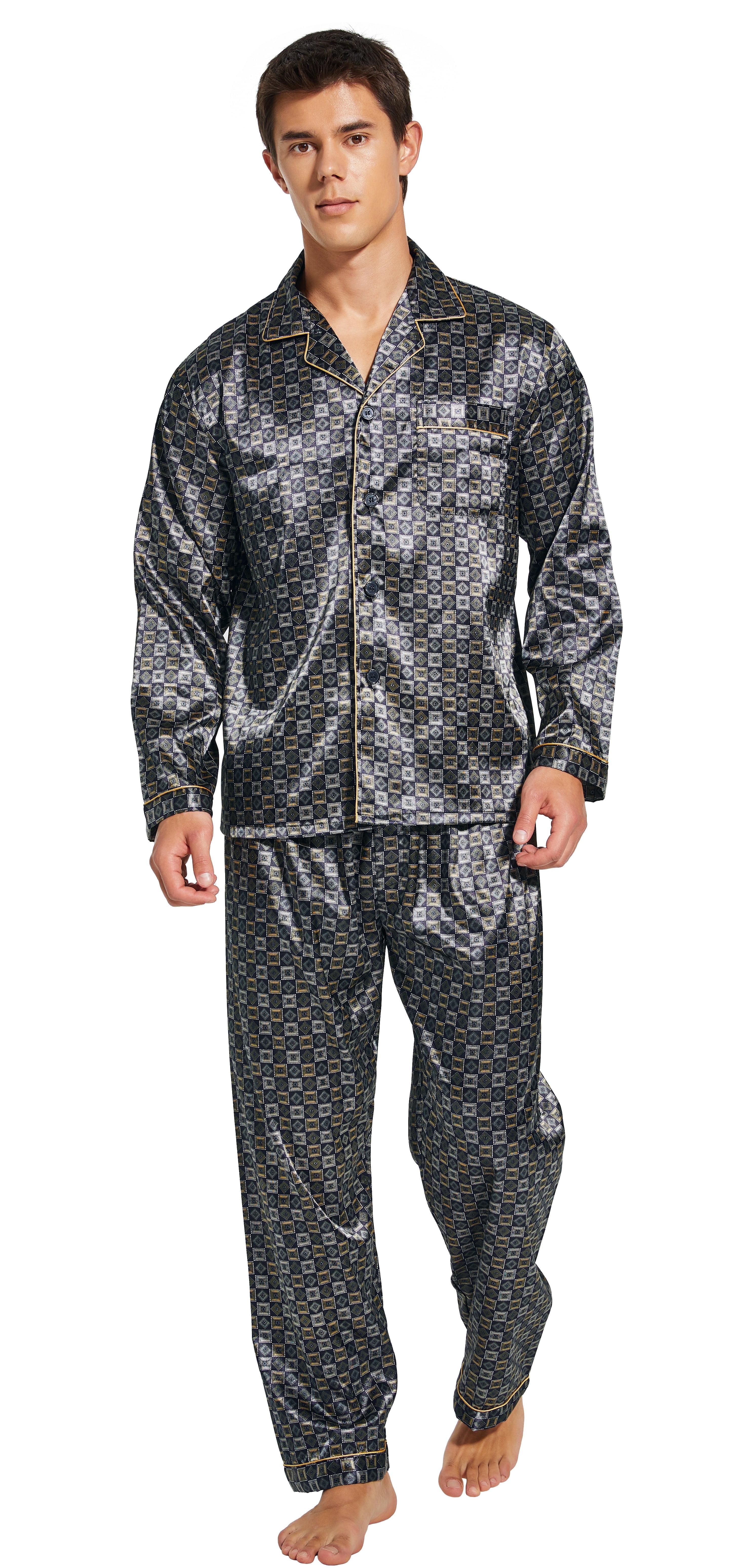
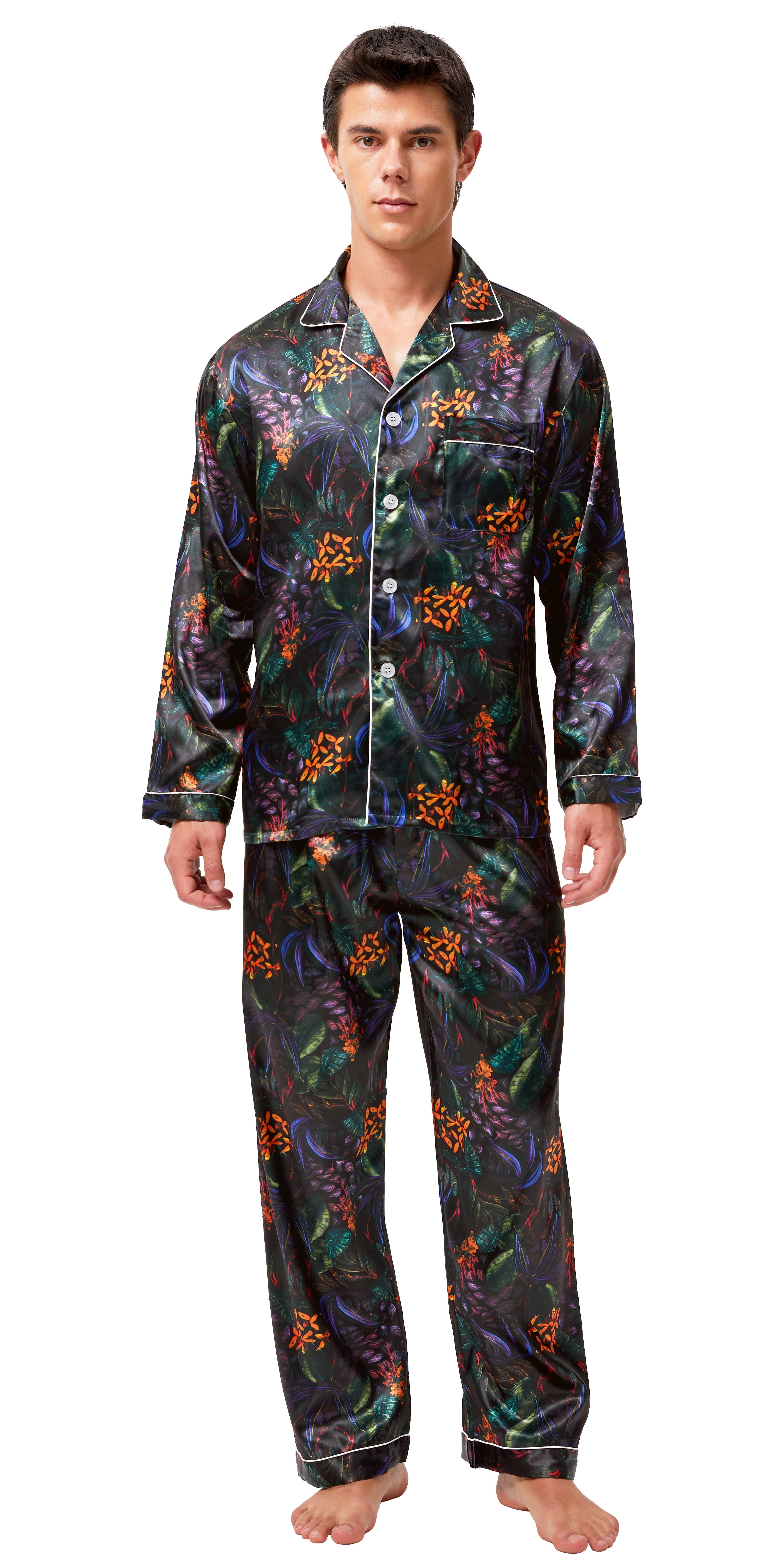
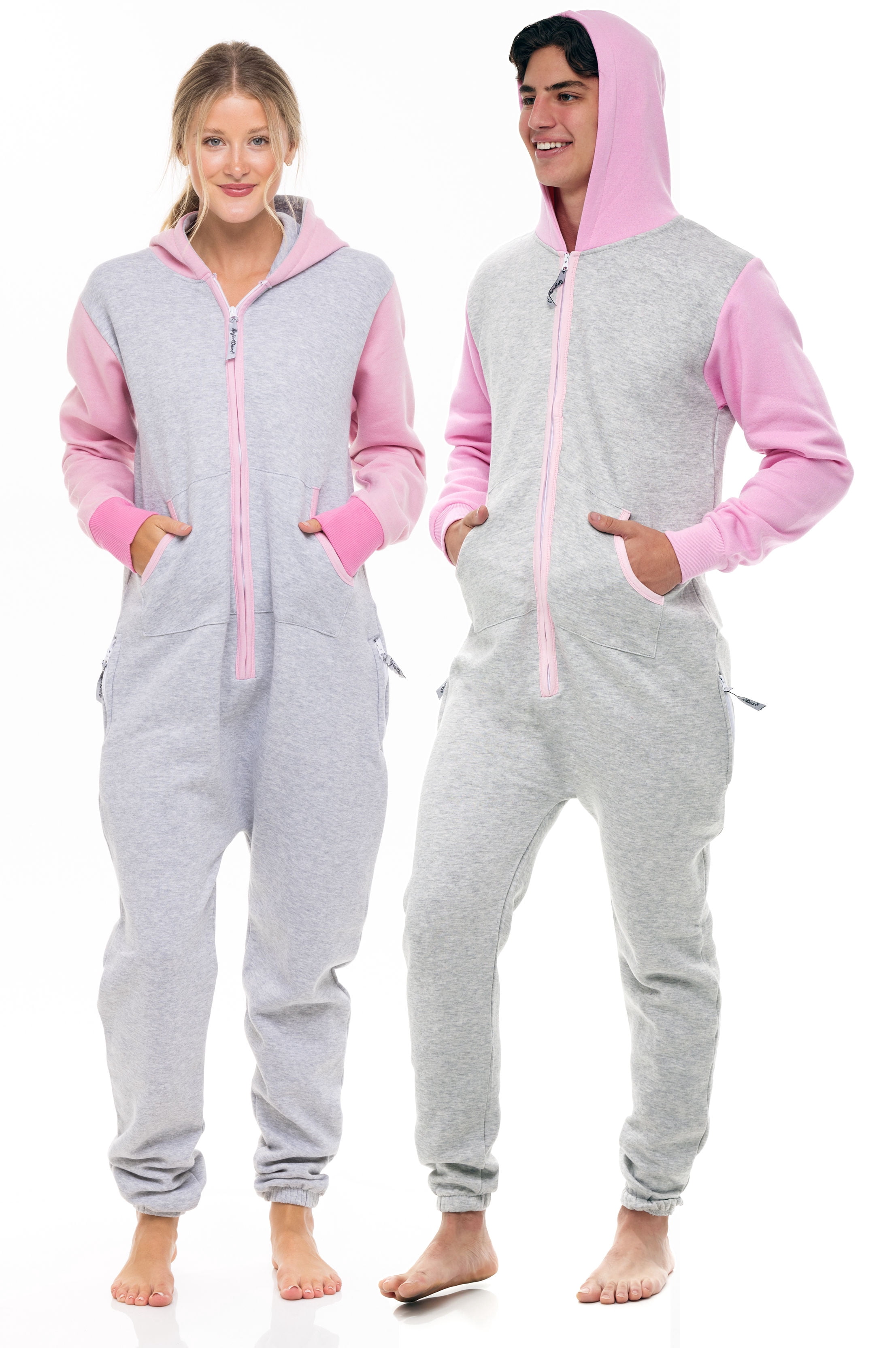
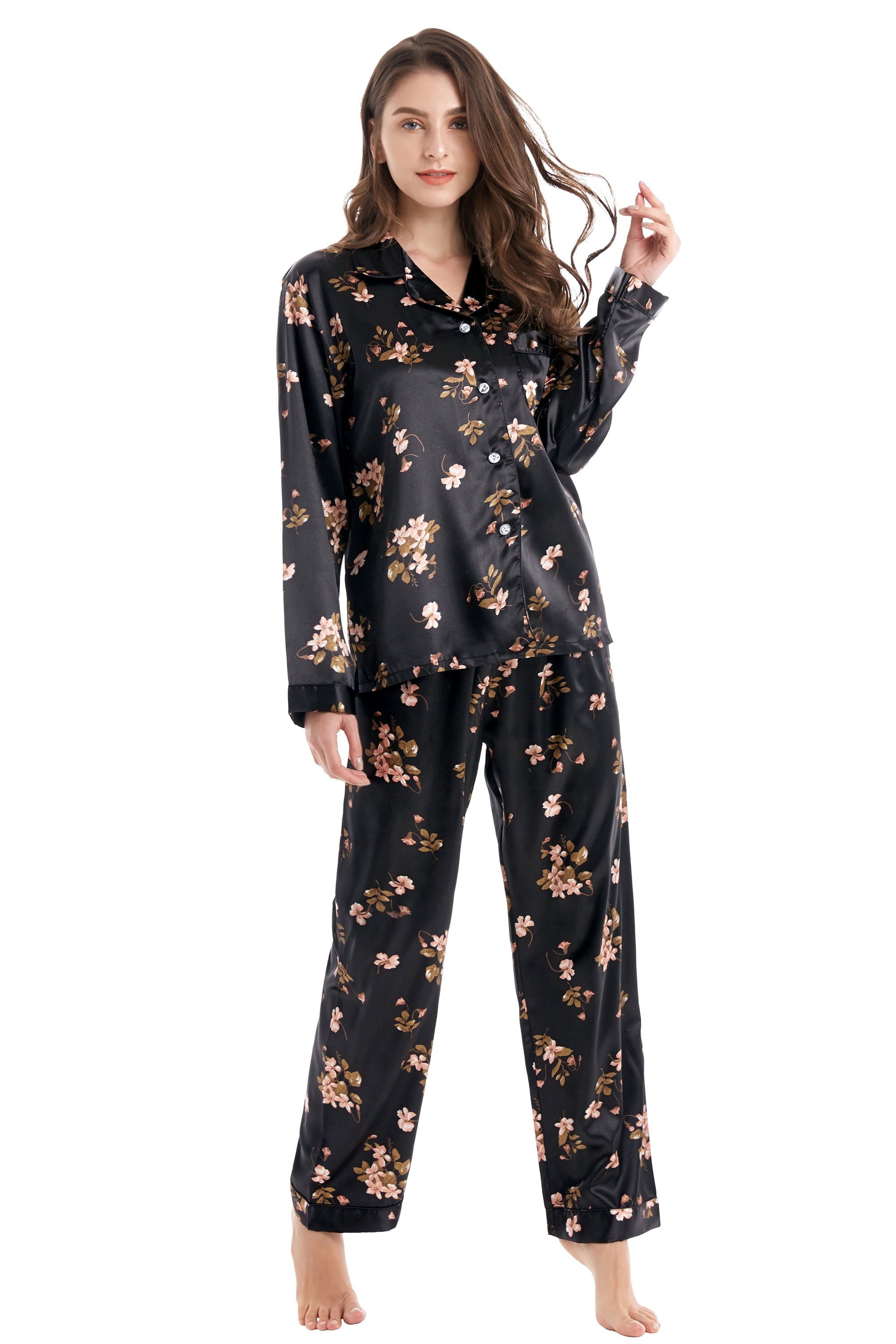
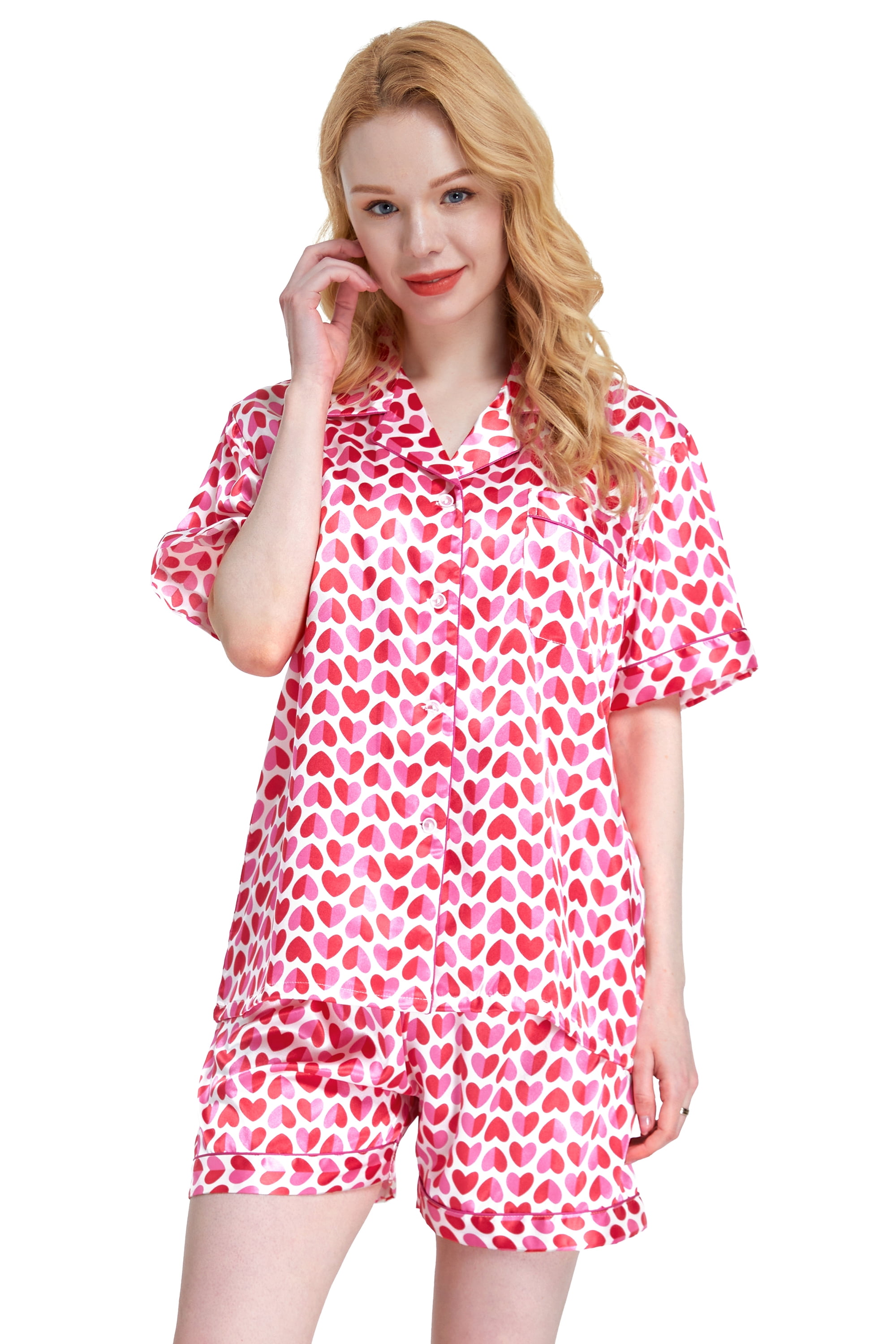
Adult sleepwear serves as a critical interface between the body and the sleeping environment, influencing thermoregulation, skin health, and overall sleep quality. Choosing the right garments requires balancing personal comfort preferences with fabric performance, seasonal adjustments, and the specific physiological needs of the wearer, such as moisture management or thermal insulation.
Fabric Science and Material Selection
The foundation of high-quality sleepwear is the material composition, which determines how a garment interacts with body heat and perspiration throughout the night. Natural fibers and advanced synthetics each offer distinct performance profiles.
Cotton remains the most common material due to its breathability and soft texture. It is highly absorbent, making it an excellent choice for individuals who live in humid climates. However, cotton does not wick moisture away from the skin; it absorbs it. If the fabric becomes saturated with sweat, it can remain damp against the skin, which may lead to discomfort or cooling during the night.
Silk is prized for its temperature-regulating properties. It is a natural protein fiber that provides insulation in cooler temperatures while remaining lightweight and breathable in warmer environments. Silk is hypoallergenic and possesses a smooth surface that reduces friction against the skin, making it a viable option for those with sensitive skin or dermatological concerns.
Synthetic materials, such as polyester blends or moisture-wicking engineered fabrics, are frequently utilized in technical sleepwear. These materials are designed to pull moisture away from the body to the exterior of the fabric, where it can evaporate more efficiently. This is particularly advantageous for individuals prone to night sweats, as it prevents the "clammy" sensation associated with natural fibers like cotton.
Seasonal Considerations and Thermoregulation
Effective sleepwear acts as a layer of climate control. Because core body temperature must drop slightly to initiate and maintain deep sleep, the primary goal of sleepwear should be to facilitate—rather than hinder—this thermoregulatory process.
During warmer months, the focus shifts to moisture management and airflow. Loose-fitting garments made from thin, lightweight weaves or mesh-like synthetic fabrics allow for maximum ventilation. Short sets or nightgowns with minimal coverage reduce the surface area covered, helping the body shed excess heat more rapidly.
In colder seasons, the priority shifts toward thermal retention without compromising breathability. Fabrics with a higher "loft"—such as brushed cotton flannel or specialized thermal knits—trap air within the fibers to create an insulating barrier. It is essential to ensure that even winter sleepwear remains breathable; fabrics that are too dense or non-porous can trap excessive heat and humidity, which may paradoxically disrupt sleep cycles by causing overheating.
Garment Design and Functional Fit
The construction of sleepwear directly impacts mechanical comfort. A well-designed garment should accommodate the natural movements of the body during sleep, such as shifting positions, stretching, and turning.
Seam placement is a frequently overlooked technical detail. Flat-lock seams or seamless construction significantly reduce the potential for skin irritation or pressure marks, particularly for individuals who sleep on their sides. Labels and tags, if present, should be positioned in areas that do not cause friction against the neck or sides.
Elasticity is another functional consideration. Waistbands should provide enough tension to keep bottoms in place without constricting the abdomen or restricting blood flow. Over time, elastic materials may lose their integrity due to frequent laundering and exposure to body oils. Opting for high-quality elastic or adjustable drawstring closures can extend the functional lifespan of the garment.
Comparison of Common Sleepwear Materials
| Material Type | Primary Benefit | Moisture Handling | Best For |
|---|---|---|---|
| Cotton | Breathable, soft | High absorption | General use, warm climates |
| Silk | Temperature control | Low absorption | Sensitive skin, luxury feel |
| Modal | Drape, soft touch | Moderate wicking | Comfort-focused, hot sleepers |
| Polyester | Durability | High wicking | Night sweats, active sleepers |
| Flannel | Insulation | Low absorption | Cold environments |
Care, Maintenance, and Longevity
The longevity of sleepwear is determined by adherence to fabric-specific care instructions. Because sleepwear is worn for extended periods (often 7–9 hours) in direct contact with skin, it accumulates dead skin cells, natural oils, and perspiration, making regular sanitation a necessity.
Follow the manufacturer’s care label regarding water temperature and drying methods. High-heat settings in a dryer are generally detrimental to synthetic fibers and elastic, as they can cause the materials to lose their shape and moisture-wicking properties. Washing in cold or lukewarm water with mild detergents helps preserve the integrity of natural fibers like silk and high-quality cotton.
For individuals with sensitive skin, it is advisable to use hypoallergenic detergents and avoid fabric softeners, which can coat the fibers and reduce their breathability. If a garment loses its elasticity or develops thin, worn spots, it is usually an indicator that the material's structural performance has degraded, and the garment should be replaced to ensure continued comfort.
Addressing Common Sleepwear Challenges
When sleepwear does not perform as expected, it is often due to a mismatch between the material’s properties and the user's specific environmental or physiological needs.
- Night Sweats: If the user experiences frequent nocturnal perspiration, move away from heavy, non-breathable fabrics. Prioritize technical, moisture-wicking synthetic blends or high-performance modal fabrics.
- Skin Sensitivities: For those suffering from eczema or general skin irritation, focus on smooth-weave natural fibers like silk or high-thread-count organic cotton. Avoid lace, heavy embroidery, or abrasive synthetic blends.
- Restricted Movement: If the garment feels tight or binding, consider a larger size or garments designed with "comfort fit" or "relaxed fit" silhouettes, which intentionally include extra fabric in the armholes, shoulders, and seat to prevent tugging during sleep.
Expert Recommendations for Selection
When selecting new sleepwear, evaluate the purchase based on the specific, recurring conditions of your sleep environment rather than aesthetics.
- Assess the environment: Measure the average ambient temperature of your bedroom. A room kept at 65–68 degrees Fahrenheit (18–20 degrees Celsius) typically requires lighter materials than a room without climate control.
- Audit current failures: Identify what you dislike about current sleepwear. Do you wake up feeling damp? Is the waistband uncomfortable? Do the legs ride up? These specific complaints should dictate your next purchase.
- Prioritize natural movement: Before finalizing a selection, perform a simple "range of motion" test. Put on the item and reach overhead or stretch your legs. If the garment pulls or binds, it will likely be a source of subconscious discomfort during the night.
Frequently Asked Questions
Is it better to wear loose or tight-fitting sleepwear?
Loose-fitting sleepwear is generally superior because it allows for better air circulation and does not restrict movement or blood flow. Tight clothing can cause friction and overheating, which may disrupt the natural thermoregulation required for deep sleep.
Should I choose synthetic or natural fabrics for sleep?
The choice depends on your specific needs. Natural fabrics like cotton and silk offer comfort and breathability for most users. However, if you experience significant perspiration, synthetic moisture-wicking fabrics are often more effective because they actively transport sweat away from the skin.
Why do I wake up feeling cold even when wearing pajamas?
This often occurs when natural-fiber pajamas absorb sweat and remain wet against the skin. As the moisture evaporates, it draws heat away from your body, causing a cooling effect. Switching to a moisture-wicking material can help keep your skin dry and maintain a stable body temperature.
How often should sleepwear be washed?
Ideally, sleepwear should be washed after every three to four uses. Because sleepwear is worn for long durations in direct contact with skin, it absorbs significant amounts of body oils and skin cells, which can harbor bacteria and cause fabric degradation over time.
Can fabric choice affect skin conditions like eczema?
Yes, fabric choice is critical for sensitive skin. Abrasive materials or those that trap heat and moisture can exacerbate skin irritation. It is recommended to choose smooth, hypoallergenic, and breathable materials like silk or soft, high-quality organic cotton to minimize skin friction and prevent irritation.