Maintaining privacy in the adult industry requires a multi-layered approach that integrates technical security, legal awareness, and operational hygiene to protect both performers and consumers. By utilizing pseudonymity, encrypted communication, and platform-specific privacy controls, individuals can mitigate risks associated with data breaches, doxxing, and unwanted public exposure.
Understanding the Landscape of Digital Privacy
The adult industry presents unique challenges for privacy due to the intersection of highly sensitive personal content and aggressive digital tracking practices. For performers, the primary risk involves the unauthorized distribution of content, exposure of legal names, and the tracking of physical location data. For consumers, the stakes involve financial privacy and the protection of viewing habits from third-party advertisers or data aggregators.
Privacy in this context is not a static state but an ongoing process of risk management. Because the industry operates across various jurisdictions with differing data protection laws—such as the General Data Protection Regulation (GDPR) in the European Union or the California Consumer Privacy Act (CCPA) in the United States—users must understand that technical measures are often more effective than reliance on platform Terms of Service.
Technical Safeguards for Performers
Performers face the most significant threats to their privacy, as the nature of their work often requires a persistent digital presence that can be exploited by bad actors. Establishing a "digital wall" between professional and personal life is the most effective defense.
Pseudonymity and Digital Identity
A professional pseudonym is the cornerstone of performer privacy. This involves creating a dedicated digital persona that shares no common identifiers with your legal identity. To maintain this, you must:
- Use a dedicated professional email address that is not linked to any personal accounts.
- Register domain names using WHOIS privacy protection services to mask your real name and address.
- Avoid cross-linking social media accounts where your personal connections could be identified.
Location Masking and Metadata Removal
Digital image and video files often contain Exchangeable Image File Format (EXIF) data, which can include the precise GPS coordinates where a file was captured. Before uploading any content, it is imperative to use "scrubbing" tools that strip this metadata. Furthermore, when recording at home, be mindful of visual clues such as street signs, specific architecture, or landmarks visible through windows that could be used for geolocation.
Consumer Privacy and Financial Security
Consumers of adult content should be aware that many platforms operate as data-harvesting engines. Your viewing history is a valuable commodity for advertisers, and breaches in platform security can lead to the public exposure of sensitive information.
Secure Payment Methods
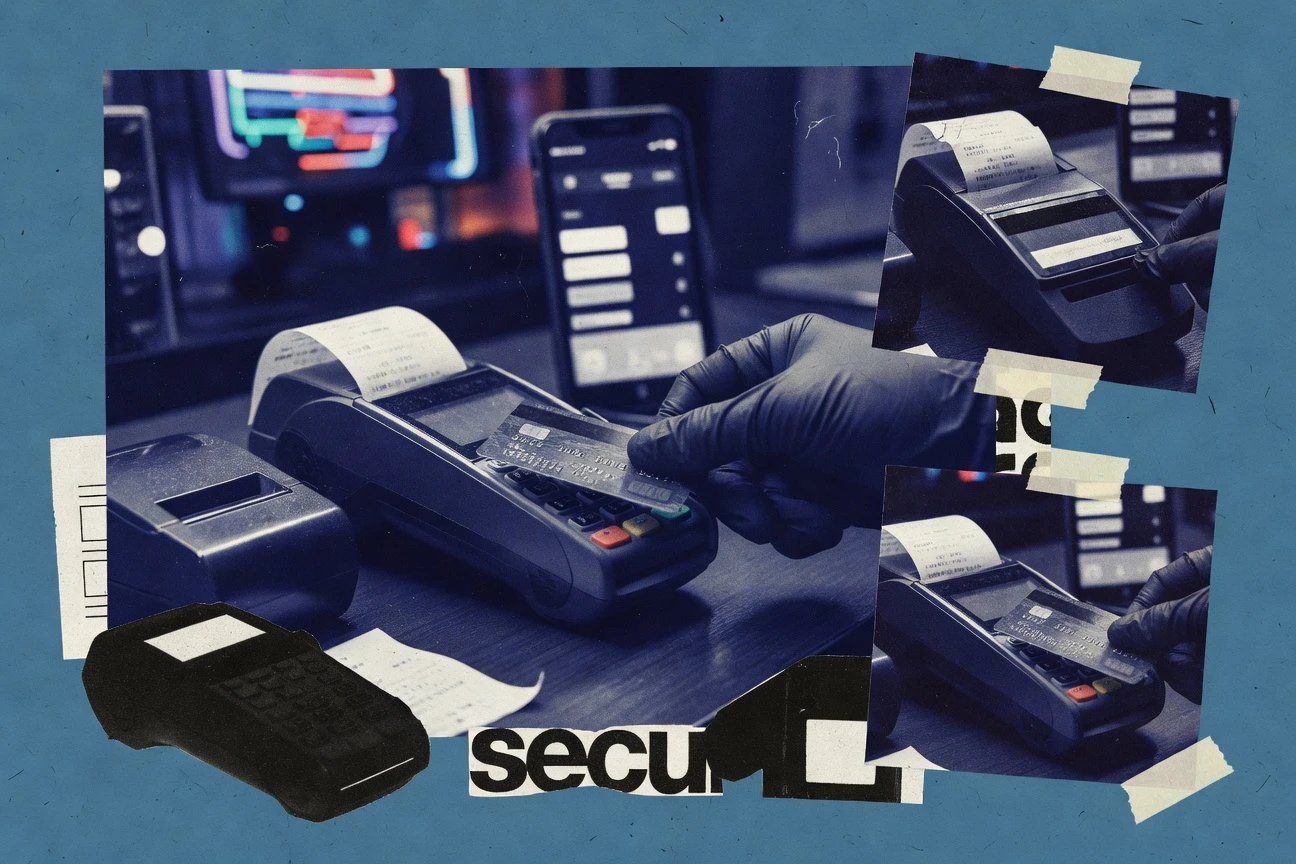
Traditional credit cards create a clear, traceable link between your personal identity and your adult content consumption. To enhance privacy, consider:
- Virtual Credit Cards (VCCs): Many financial technology services allow you to generate single-use or merchant-locked card numbers. If a platform is compromised, the card number cannot be used elsewhere.
- Privacy-Focused Payment Processors: Use platforms that act as intermediaries, hiding the merchant category code or description from your primary bank statement.
- Cryptocurrency: While not inherently anonymous, certain privacy-oriented coins offer a higher degree of transactional obfuscation, provided you manage your digital wallet keys securely.
Browser Hygiene
Browsers are the primary gateway for trackers. Using a browser configured for privacy, along with a reputable Virtual Private Network (VPN), is essential. A VPN masks your IP address, preventing websites from logging your approximate geographic location, while ad-blockers and tracker-blockers prevent "fingerprinting," a technique where websites build a profile of you based on your browser configuration.
Comparison of Privacy Tools and Strategies
The following table compares common methods used to protect privacy within the industry, categorized by their primary function and efficacy level.
| Strategy | Primary Benefit | Ease of Implementation | Relative Efficacy |
|---|---|---|---|
| Virtual Private Network (VPN) | IP address obfuscation | High | Moderate |
| Pseudonymous Persona | Identity separation | Moderate | Very High |
| EXIF Data Removal | Prevents geolocation | High | High |
| Virtual Credit Cards | Financial anonymity | Moderate | High |
| Encrypted Messaging | Secure communication | High | High |
Legal Frameworks and Regulatory Considerations
While privacy tools provide technical protection, they cannot circumvent legal requirements. In many regions, adult content platforms are subject to strict "Know Your Customer" (KYC) regulations to prevent illegal content distribution and money laundering.
Performers are often required to submit legal identification documents to these platforms to verify their age and consent. This creates a centralized database of sensitive information. If a platform experiences a data breach, your legal identity and professional content could be exposed simultaneously. When choosing a platform, research its historical stance on data security and review their privacy policy specifically regarding how long they retain KYC documentation.
Managing Doxxing and Extortion Risks
Doxxing—the act of revealing identifying information about an individual online—is a significant risk in the adult industry. If you find yourself in a situation where your private information has been posted, immediate action is required:
- Document Everything: Take screenshots of the leaked information, including URLs, timestamps, and usernames.
- Report Content: Utilize the "Report" functions on the hosting platform or social media site.
- DMCA Takedowns: If copyrighted content is involved, utilize Digital Millennium Copyright Act (DMCA) takedown notices to force hosting providers to remove the content.
- Avoid Engagement: Do not interact with the individuals attempting to blackmail or doxx you. Any engagement often provides the perpetrator with the validation or information they seek.
Frequently Asked Questions
How do I know if a VPN is actually protecting my privacy?
A VPN is not a silver bullet. While it masks your IP address, it does not stop websites from tracking you through cookies or browser fingerprinting. Ensure your VPN has a verified "no-logs" policy and use it in conjunction with privacy-focused browsers like Mullvad or Brave, which are designed to combat tracking scripts.
Can I completely delete my presence from the internet?
Complete erasure is rarely possible, but "digital footprint reduction" is. You can submit removal requests to data broker sites that aggregate your information, and use search engine removal tools to request that pages containing your information be de-indexed. This does not remove the content from the source, but it makes it significantly harder for the average person to find.
Is it legal to use a pseudonym in the adult industry?
Yes, using a professional name or pseudonym for your work is standard and legal in most jurisdictions. However, you must still provide your legal identity to the platforms for tax and age-verification purposes. These platforms are required by law to keep this information confidential and secure.
What should I look for in an adult platform's privacy policy?
Prioritize platforms that explicitly state they do not sell user data to third-party marketing firms. Look for sections detailing how they handle KYC data, whether they use end-to-end encryption for private messaging, and their stated protocol for notifying users in the event of a security breach.
How do I protect my physical location while filming?
The best approach is to film in a dedicated space that is not your primary residence. If you must film at home, move furniture to ensure no identifying features (like windows with street views, mail with your address, or recognizable local decor) are in the shot. Additionally, ensure all smart home devices—such as voice assistants or internet-connected cameras—are powered off during production.
Establishing Your Privacy Workflow
To maintain long-term privacy, establish a consistent routine. Once a month, conduct a "privacy audit." Search for your professional pseudonym and your legal name using private browser tabs to see what information is publicly visible. Review the permissions you have granted to apps on your devices and revoke any that are not strictly necessary. Ensure that all your accounts use Multi-Factor Authentication (MFA), ideally using an authenticator app rather than SMS, which can be vulnerable to SIM-swapping attacks. By treating privacy as a proactive maintenance task rather than a one-time setup, you significantly reduce your exposure to risks.