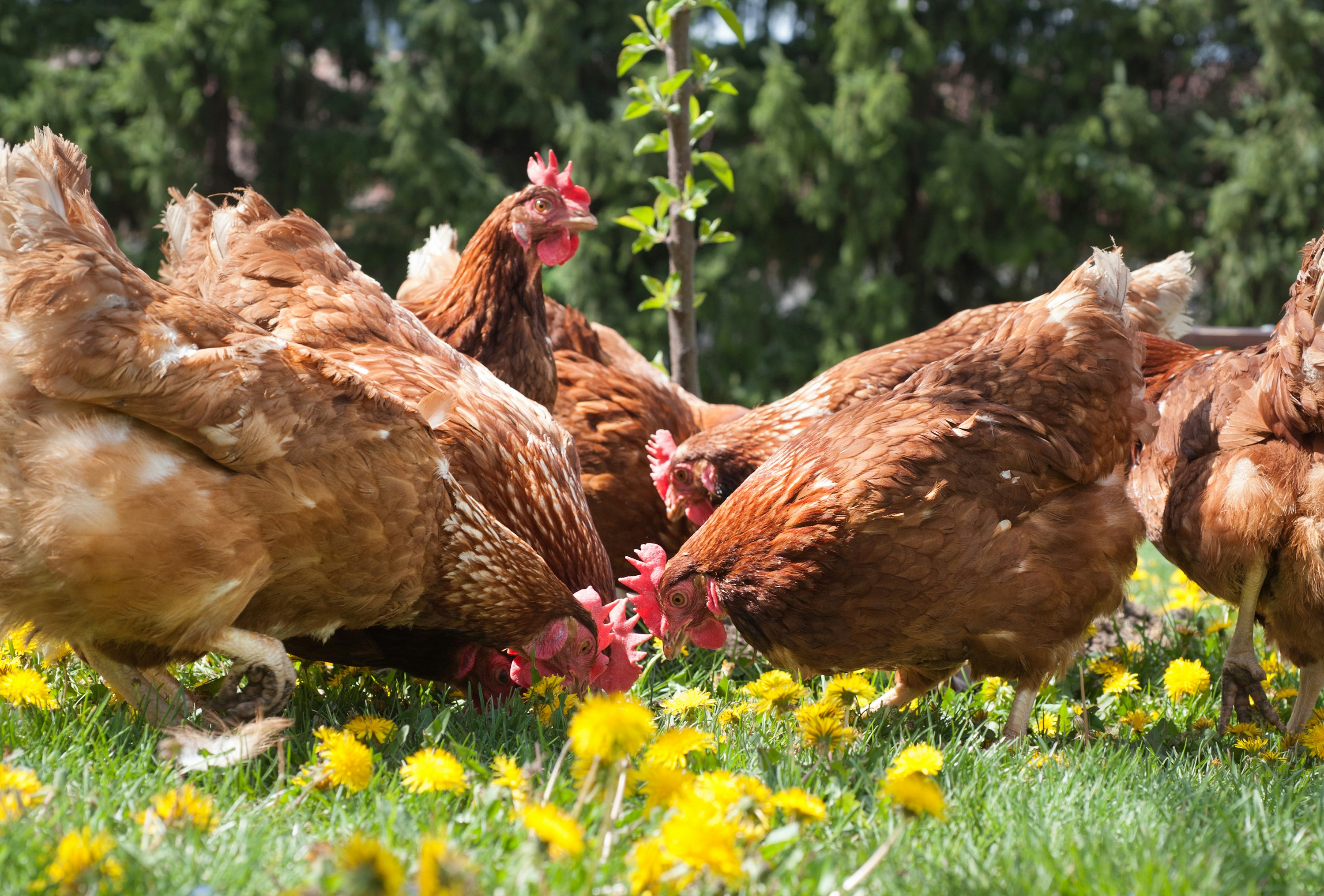
Raising backyard poultry is a commitment to stewardship that transforms a patch of lawn into a productive, sustainable food system. Whether you are seeking a steady supply of farm-fresh eggs or hoping to improve soil quality through natural fertilization, successfully managing an adult flock requires careful preparation in shelter design, nutritional management, and consistent health monitoring to ensure the well-being of your birds.
Understanding the Life Stages of Poultry
To manage a successful backyard flock, one must first understand that the nutritional and housing requirements of an adult hen differ significantly from those of chicks. A bird is generally considered an "adult" once it reaches point-of-lay, typically occurring between 18 and 22 weeks of age, depending on the breed. During this transition, pullets (young females) require a shift from high-protein starter feed to layer rations that contain the calcium levels necessary for robust eggshell production. Identifying the breed characteristics—such as dual-purpose varieties like Plymouth Rocks or high-production breeds like Leghorns—is the first step in setting realistic expectations for egg yields and behavioral traits.
Infrastructure: Housing and Security
A secure coop is the foundation of poultry health. Predators such as foxes, raccoons, and hawks are persistent threats in most suburban and rural environments, requiring enclosure construction that emphasizes durability over convenience.
- Space Requirements: Provide at least 3 to 4 square feet of interior floor space per bird in the coop, and 8 to 10 square feet per bird in an outdoor run. Overcrowding is the primary driver of behavioral issues, including feather pecking and aggressive cannibalism.
- Ventilation: Proper airflow is non-negotiable. Humidity is the enemy of a healthy flock, often leading to respiratory ailments. Vents should be positioned near the roofline to allow ammonia and moisture to escape without creating drafts directly over the roosting bars.
- Predator Proofing: Use hardware cloth—not chicken wire—to secure all openings. Chicken wire is intended to keep chickens in, not to keep predators out, and can be easily torn by persistent carnivores. Bury wire skirting at least 12 inches deep around the perimeter of the run to prevent burrowing animals from gaining entry.
Nutritional Requirements and Feeding Practices
Adult chickens are omnivorous, but they rely on high-quality, formulated feeds to maintain physiological health and consistent production. In 2026, the marketplace offers a variety of commercial feeds, including organic, non-GMO, and soy-free options. Regardless of the brand, the ration must be balanced specifically for layers.
Calcium is the most critical mineral for an adult hen. While layer pellets provide a baseline, offering supplemental crushed oyster shells in a separate container allows birds to self-regulate their calcium intake based on their individual production needs. Additionally, clean water must be available 24/7. A single hen can consume up to a pint of water daily; insufficient hydration is often the first cause of a sudden drop in egg production.
Daily Maintenance and Hygiene
Sanitation is the best preventative medicine for a backyard flock. A biosecure environment minimizes the risk of common issues like mites, lice, and internal parasites.
- Deep Litter Method: Many keepers employ the deep litter method, where layers of wood shavings or hemp bedding are added to the coop floor over time, allowing beneficial microbes to break down waste. This requires diligent monitoring to ensure the litter stays dry.
- Health Checks: Conduct weekly physical examinations. A healthy hen should have bright eyes, clean nostrils, and firm, smooth feathers. Monitor for "pasty butt" or vent prolapse, and ensure the crop is emptying overnight.
- Egg Collection: Collect eggs at least once daily to discourage egg-eating habits and reduce the likelihood of contamination or breakage.
Comparison of Popular Backyard Breeds
Selecting the right breed depends on your goals: egg quantity, hardiness, or temperament.
| Breed | Primary Trait | Temperament | Egg Production |
|---|---|---|---|
| Rhode Island Red | Hardy/Reliable | Assertive | High (Brown) |
| Buff Orpington | Docile | Gentle | Moderate (Brown) |
| Leghorn | Efficiency | Skittish | Very High (White) |
| Australorp | Dual-purpose | Calm | High (Brown) |
| Silkie | Ornamental | Very Docile | Low (Cream) |
Troubleshooting Common Challenges
Even with the best management, problems will arise. Respiratory infections, for instance, are often signaled by wheezing or sneezing. If a bird appears lethargic, isolate it immediately in a quarantine cage to prevent the spread of illness to the rest of the flock.
Mites and lice are another frequent hurdle. Regularly checking under the wings and around the vent for small, crawling insects is essential. Providing a designated dust bath area—filled with a mix of wood ash, sand, and diatomaceous earth—allows the birds to naturally groom themselves and keep external parasites at bay. If you suspect an infestation, consult with a veterinarian specialized in avian care or local agricultural extension offices for species-specific treatment protocols.
Legal and Zoning Considerations
Before acquiring your flock, verify local ordinances. Many municipalities have strict regulations regarding the number of birds allowed, the required distance from property lines, and the prohibition of roosters due to noise complaints. In 2026, check your local city council or county planning department website for the most current bylaws. Adhering to these regulations is essential for maintaining good relationships with neighbors and ensuring your coop is not subject to forced removal.
Establishing Your Backyard Flock
The most effective way to start is to secure your infrastructure before the birds arrive. Begin by identifying a high-ground area for your coop to ensure proper drainage, then construct or install your enclosure, ensuring it is predator-proof and ventilated. Once your housing is verified, source your birds from a reputable, NPIP-certified (National Poultry Improvement Plan) hatchery or breeder to ensure you are starting with healthy, disease-tested stock. By prioritizing the environmental stability and nutritional consistency of your adult birds, you create a sustainable and rewarding relationship with your flock.
Frequently Asked Questions
How many chickens should I start with for a small family?
A standard starting point is three to four hens. This number is generally sufficient to provide enough eggs for a family of four while remaining manageable for a first-time owner. Keeping at least three birds also ensures the flock remains socially stable, as chickens are highly social creatures that struggle in isolation.
Do I need a rooster for my hens to lay eggs?
No, hens will lay eggs regardless of the presence of a rooster. A rooster is only necessary if you intend to fertilize eggs for hatching chicks. In many suburban settings, roosters are discouraged or prohibited due to noise, and they are not required for a healthy, productive backyard flock.
How do I introduce new birds to an existing flock?
Introduce new birds gradually by placing them in a separate enclosure within sight of the established flock for at least one week. This "look but don't touch" phase allows the birds to establish a new social hierarchy without physical combat. Always ensure the new birds are quarantined for at least 30 days prior to introduction to rule out contagious diseases.
What should I do with my chicken manure?
Chicken manure is an excellent, nitrogen-rich fertilizer, but it must be composted before use in a vegetable garden to kill pathogens and prevent burning plant roots. Allow the litter and manure to compost for at least six to twelve months before applying it to your soil.