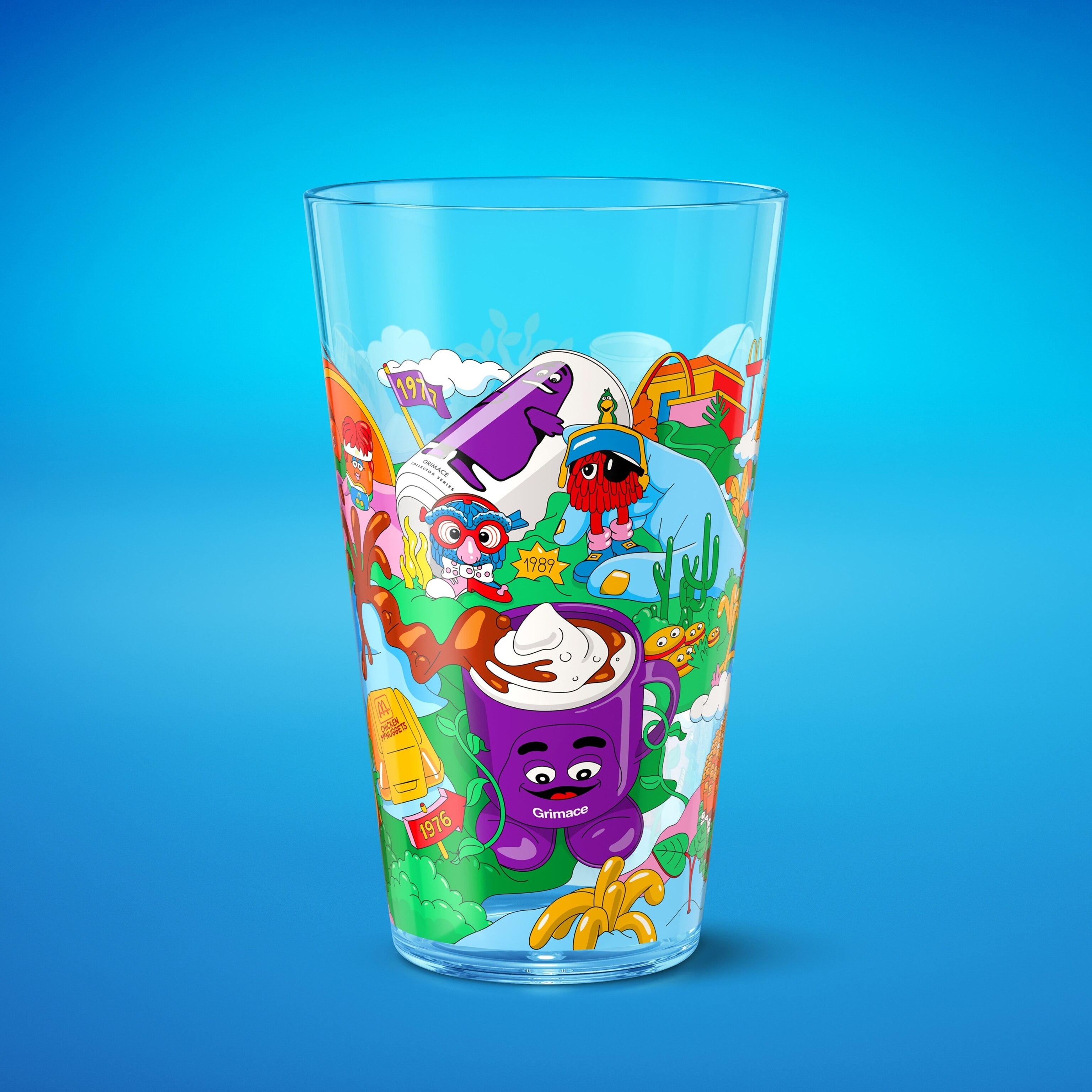
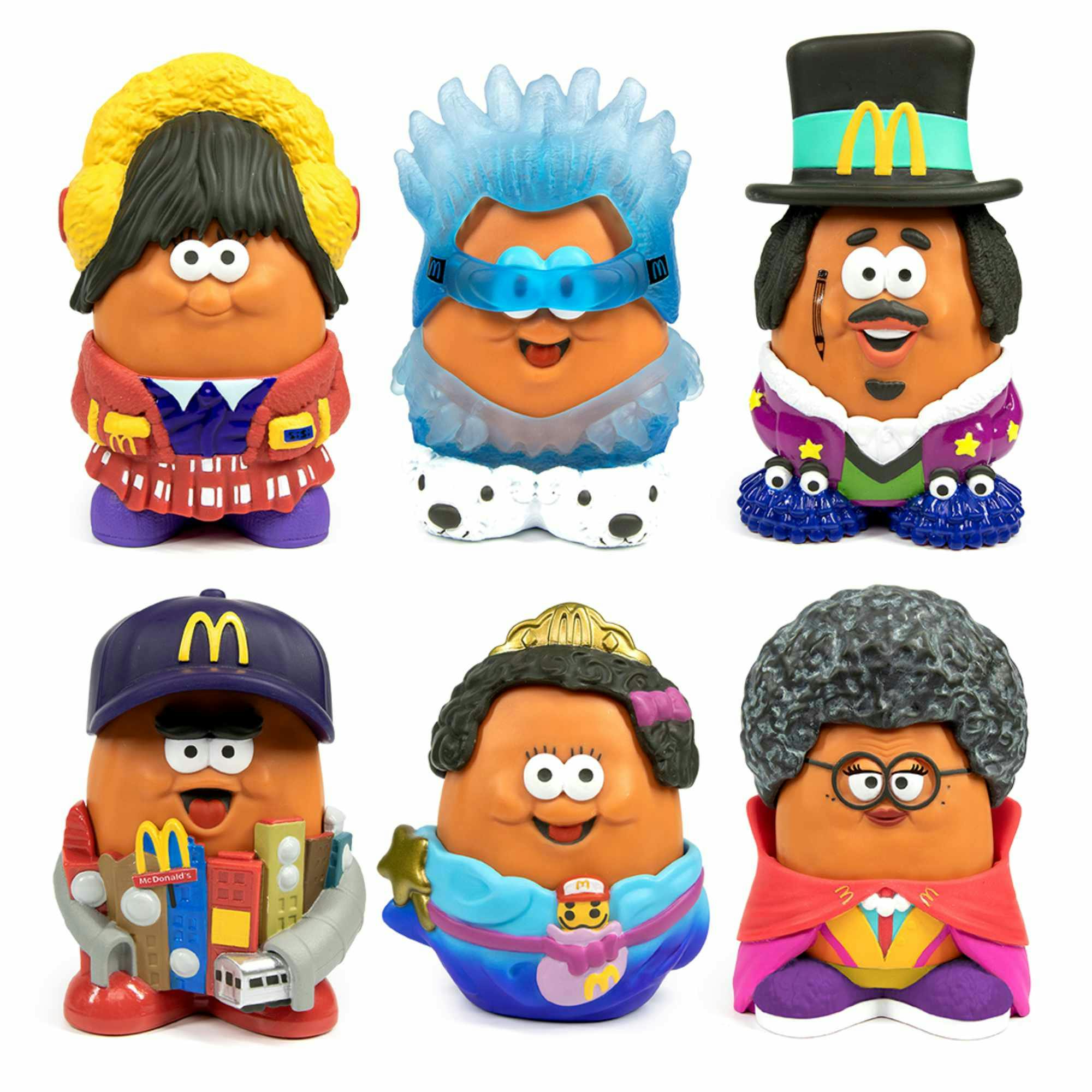
Adult Happy Meal toys have emerged as a significant segment of the modern collectible market, transforming fast-food promotional items into sought-after artifacts for nostalgic adults. While originally designed for children, these mass-produced plastic figures now hold substantial value for enthusiasts who grew up during the peak of fast-food marketing campaigns in the 1980s, 1990s, and early 2000s. Today, collecting these items is less about play and more about reclaiming a tangible connection to childhood through curated displays and active trading communities.
The Cultural Significance of Fast-Food Collectibles
The surge in popularity of adult-targeted Happy Meal toys is fundamentally driven by the psychology of nostalgia. For many individuals in their thirties and forties, these small, often stylized figures represent a specific time in their developmental history. These items act as "memory anchors," allowing owners to access feelings of security, joy, and simplicity associated with their upbringing.
Unlike traditional high-end collectibles such as fine art or rare coins, Happy Meal toys are democratic. Because they were distributed by the millions, they are accessible to almost anyone. However, the scarcity of items in "mint condition" creates a tiered market. Collectors now categorize their acquisitions by era, theme, and exclusivity, often treating these mass-market remnants with the same reverence usually reserved for professional-grade action figures.
Establishing Value in the Secondary Market
Determining the value of a collectible Happy Meal toy requires a departure from subjective sentimental worth toward objective market evaluation. In 2026, the secondary market for these items is primarily facilitated through online auction platforms and dedicated collector forums.
The primary factors influencing the valuation of these toys include:
- Original Packaging: Items that remain inside the sealed, branded polybag are exponentially more valuable than loose items.
- Completeness of Sets: A single figure holds minimal monetary value; a complete, serialized set from a specific promotional campaign is highly desirable to serious collectors.
- Rarity and Production Errors: Promotional runs that were pulled early due to manufacturing defects or safety concerns often fetch the highest prices among specialized collectors.
- Age and Provenance: Toys from the 1980s are generally rarer than those from the mid-2000s, as earlier plastics were often discarded or lost during childhood play.
Comparison of Collectible Categories
| Category | Typical Condition | Market Primary Driver | Average Accessibility |
|---|---|---|---|
| Loose/Played With | High Wear | Personal Nostalgia | Extremely High |
| Complete Sets (Loose) | Moderate Wear | Display Utility | Moderate |
| Factory Sealed (Bagged) | Mint | Investment/Asset Holding | Low |
| Error/Prototypes | Pristine | Historical Rarity | Very Low |
Navigating the Acquisition Process
Acquiring adult Happy Meal toys involves identifying reliable sources and verifying the condition of the items. For the modern enthusiast, the process is no longer about visiting restaurants, but about participating in a global secondary market.
- Research Campaigns: Use archival databases to identify the specific series you intend to collect. Knowing the exact dates and set sizes prevents the acquisition of incomplete collections.
- Platform Verification: Utilize marketplaces that offer buyer protection. When purchasing high-value items, prioritize sellers who provide high-resolution photos of the item's current state, specifically looking for plastic degradation, fading, or seal integrity on original bags.
- Storage and Preservation: Adult collectors must treat these items with archival care. Avoiding direct sunlight, maintaining a controlled climate, and using acid-free storage solutions are essential to prevent the "sticky plasticizer" syndrome common in PVC-based toys from the 1990s.
- Authenticity Checks: Be wary of "custom" or "fan-made" toys masquerading as original promotional items. Authentic items should have manufacturing stamps, typically located on the base or the back of the figure, indicating the year and production source.
Addressing Potential Risks and Limitations
While collecting offers significant psychological and potential financial rewards, it is not without risks. Collectors should be aware of the "bubble" potential regarding mass-produced items. Because millions of these toys exist, sudden market saturation can occur if a large cache of "new old stock" is discovered and released into the market simultaneously.
Furthermore, legal and safety considerations remain relevant. Older plastic toys, specifically those produced prior to updated 21st-century safety regulations, may contain lead or phthalates. While these items are intended for adult display and not play, collectors should be mindful when handling them. It is recommended to wash hands after handling unsealed, aged plastics and to keep them stored away from children or pets who might mistake them for modern playthings.
Identifying and Troubleshooting Common Issues
Collectors often face challenges regarding the physical decay of the items. PVC (polyvinyl chloride), the material most frequently used for these toys, is prone to chemical degradation over time.
If you notice a tacky or oily residue on the surface of your figures, this is likely "plasticizer migration." This is a byproduct of the chemicals used to soften the plastic breaking down. While it cannot be fully reversed, it can be mitigated. Use a soft, lint-free cloth and a mild detergent solution to gently clean the surface. Never use harsh solvents, such as acetone or paint thinner, as these will dissolve the painted details on the toy.
If a seal on an original polybag has failed, do not attempt to reseal it using heat or adhesives. Any attempt to "restore" the packaging will immediately destroy its value, as it compromises the item's status as an original factory-sealed unit. It is better to preserve the item in a secondary protective sleeve.
Frequently Asked Questions
Are Happy Meal toys from the 1990s considered high-value investments?
Generally, no. While some rare, error-filled, or extremely limited promotional sets can command high prices, the vast majority of 1990s toys are abundant. They are better viewed as a low-cost hobby or a personal repository of nostalgia rather than a stable financial asset.
How do I know if my collection is authentic?
Look for specific markings on the toy, usually molded directly into the plastic. These markings include the manufacturer's name, the country of origin, and the copyright date. Research the specific promotional run online to see where these markings should be located on authentic pieces.
Should I take the toys out of their original bags?
From a collector’s standpoint, keeping items in their original factory-sealed bags preserves their maximum potential value. If your goal is purely for personal display, opening them may make them easier to pose, but you will permanently lower their resale value in the secondary market.
Where can I find reputable traders of vintage fast-food toys?
Look for established toy-collecting forums, dedicated Facebook groups focused on fast-food memorabilia, and verified sellers on major auction sites. Avoid unvetted social media marketplaces where there is no dispute resolution mechanism for damaged or counterfeit goods.
Can I display these items in direct sunlight?
You should avoid displaying them in direct sunlight. UV radiation causes plastic to become brittle, leads to yellowing (especially on white or light-colored plastics), and causes the paint to fade rapidly. Use LED display lighting in a cabinet for the best results.
Next Steps for Enthusiasts
To begin or expand your collection, start by cataloging the specific series that hold personal significance. Create a digital inventory of your items, documenting their condition and acquisition date. Join a specialized community group to connect with experienced collectors who can help verify the legitimacy of your potential acquisitions. By treating your collection as a curated archive rather than a random assortment of plastic, you ensure that these pieces of pop culture history remain preserved for your own enjoyment and for future generations of enthusiasts.