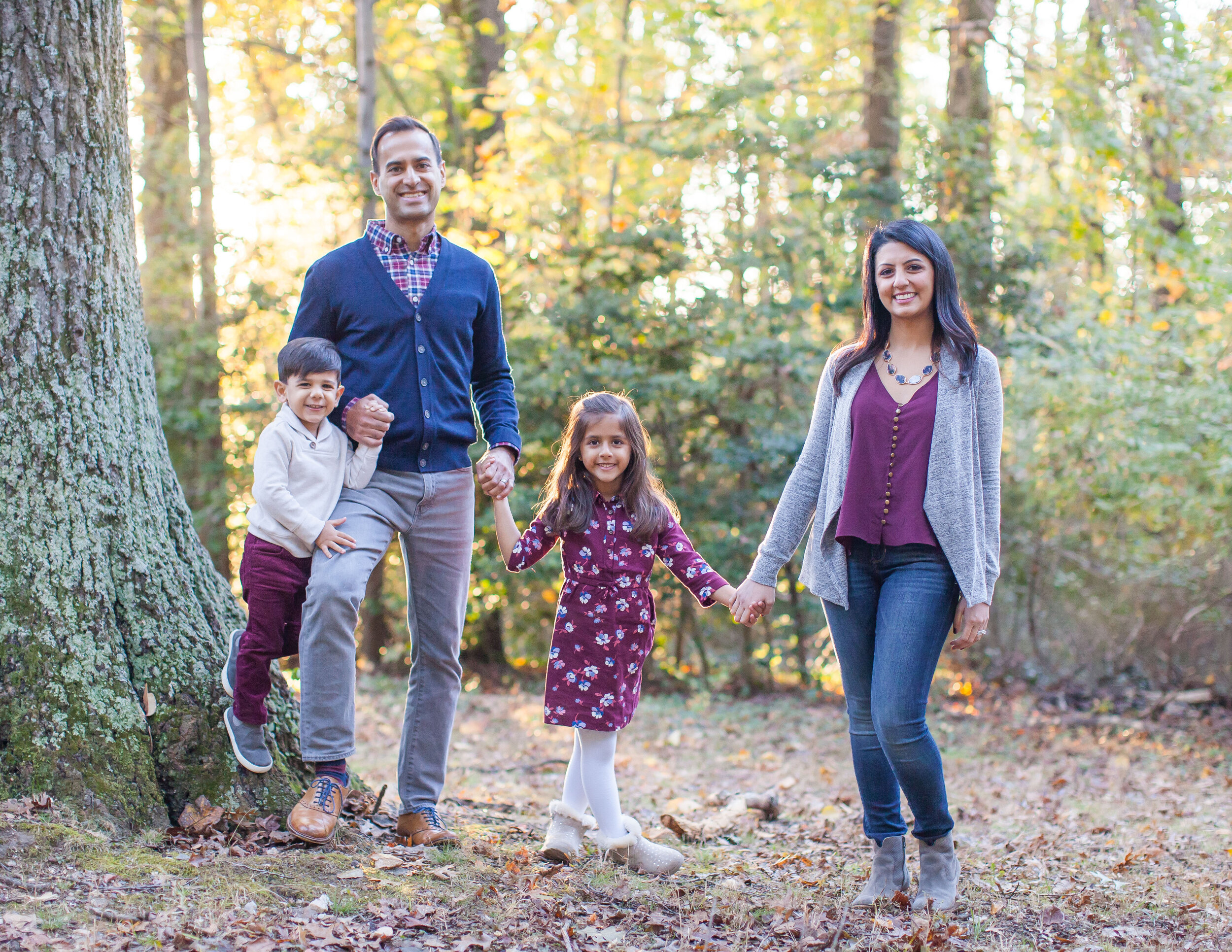
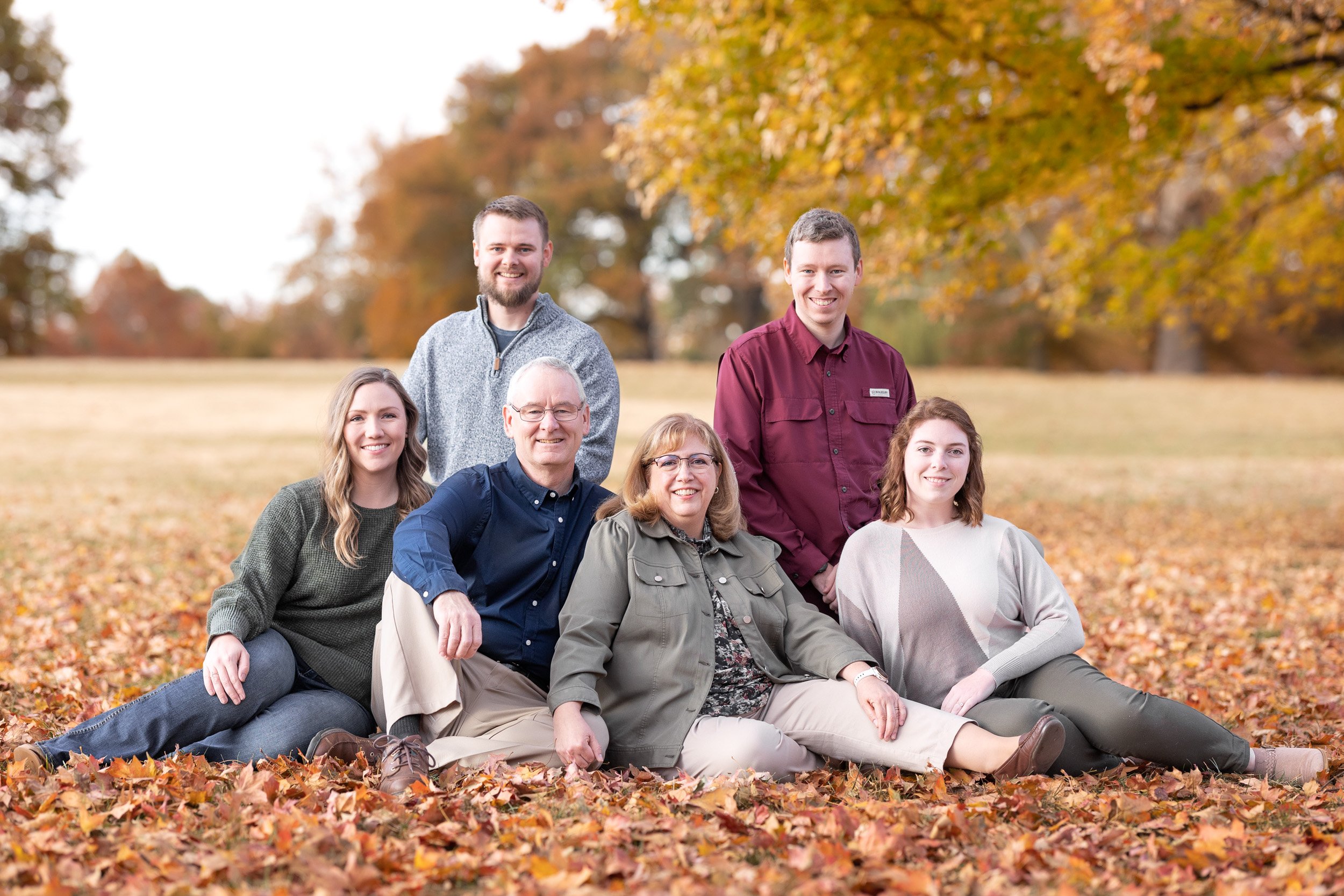
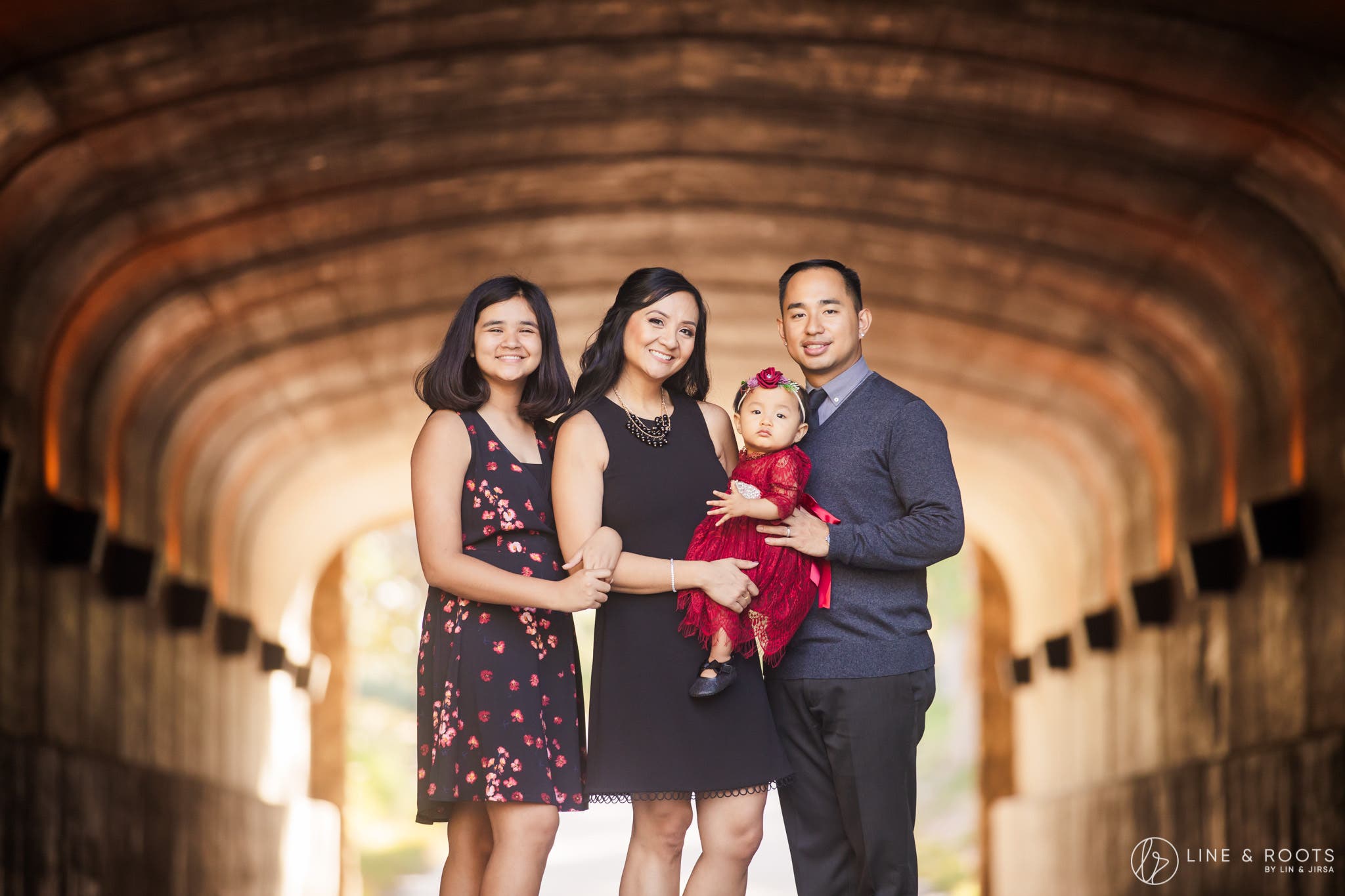
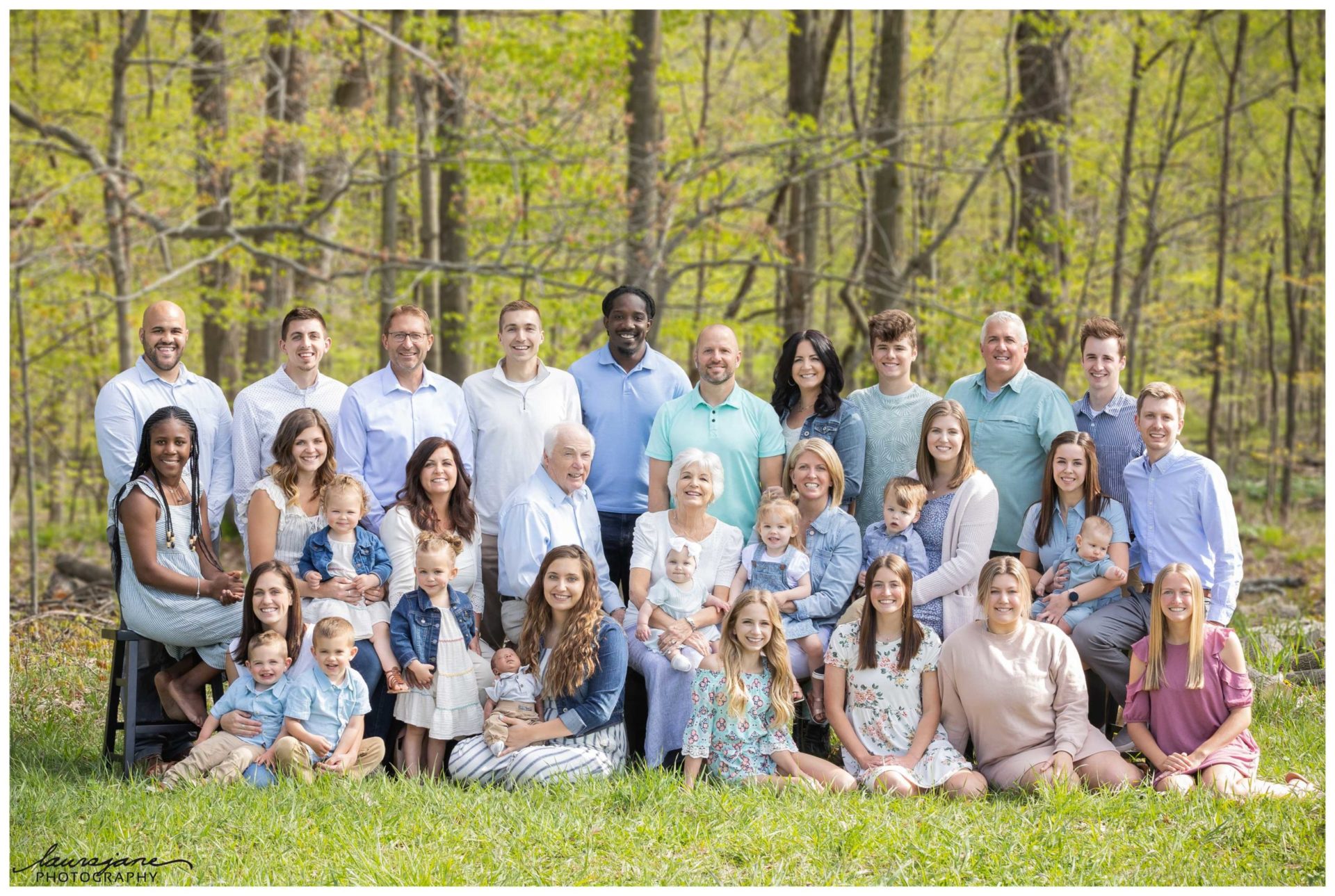
An adult family portrait serves as a formal visual record of a family unit composed of adult members, often bridging generational gaps or commemorating significant life milestones. The process requires strategic coordination of wardrobe, lighting, and environmental settings to balance individual personalities with a cohesive aesthetic that reflects the family's shared history and current dynamics.
Understanding the Purpose and Scope of Adult Family Portraits
Unlike childhood portraits that document developmental milestones, an adult family portrait focuses on legacy, connectivity, and the evolution of relationships. These sessions are typically scheduled for occasions such as milestone anniversaries, reunions, or simply as a periodic update to ensure all members are documented together. Because the subjects are adults, the challenge shifts from capturing fleeting attention to managing group dynamics, scheduling constraints, and coordinating complex schedules.
When planning such a session, it is essential to define the objective early. Are you aiming for a classic, formal studio composition that emphasizes structural elegance, or a lifestyle, outdoor session that prioritizes candor and movement? Defining the intent dictates the logistics, including the choice of photographer, the location, and the necessary technical equipment.
Pre-Session Coordination and Logistics
The primary hurdle in arranging an adult family portrait is alignment. Unlike smaller family units, adult groups often reside in different cities or operate on conflicting professional schedules. Successful execution starts with a project lead—one family member who acts as the liaison between the group and the photographer.
Prerequisites for a smooth session include:
- Geographic Centralization: Selecting a location that minimizes travel burdens for the majority of the group. If the group is dispersed, coordinating the session around a planned holiday or reunion often yields the highest attendance rate.
- Budgeting: Clearly outlining costs, including the professional session fee, print or digital rights, travel expenses for the photographer, and potential location permit fees.
- Wardrobe Consultation: Achieving a cohesive look is not about wearing identical colors, but rather complementary palettes and textures. Professional photographers often provide a "style guide" to assist with color theory and fabric choices that suit the chosen setting.
Selecting the Right Environment
The setting of a family portrait influences the emotional resonance of the final images. Professional photographers will categorize environments into controlled (studio) and ambient (natural or architectural) spaces.
Studio Environments
Studios offer maximum control over light, shadow, and background distractions. This is ideal for formal portraits where the focus must remain exclusively on the subjects. Lighting equipment—such as softboxes and beauty dishes—can be calibrated to flatter different skin tones and minimize glare from eyewear, which is a frequent consideration in multi-generational photography.
Outdoor or Environmental Settings
Outdoor portraits utilize natural light, which provides a softer, organic feel. However, they require careful planning regarding the time of day. "Golden Hour"—the period shortly after sunrise or before sunset—is the industry standard for portraits because it provides diffused, warm light that minimizes harsh shadows on facial features. If an outdoor location is selected, a "Plan B" for inclement weather is mandatory to protect the group and the equipment.
Technical Considerations and Equipment
When engaging a professional, understand that they are managing a suite of variables to ensure high-fidelity results. For large groups, the photographer must manage depth of field carefully. If the aperture is too wide (low f-stop number), subjects standing in the back row may be out of focus while the front row is sharp.
Professional photographers typically utilize:
- High-Resolution Medium or Full-Frame Cameras: These offer the dynamic range necessary to capture detail across varying skin tones and clothing textures.
- Strobe Lighting (for studios): To ensure consistent exposure regardless of ambient light.
- Post-Production Workflow: This involves color correction, skin retouching, and cropping. It is vital to discuss the extent of digital manipulation beforehand. Do you prefer a natural look that keeps minor features, or a highly polished, retouched aesthetic?
Comparative Overview of Portrait Approaches
The following table contrasts common approaches to adult family portraits to assist in your decision-making process.
| Feature | Formal Studio | Environmental/Outdoor | Lifestyle/Candid |
|---|---|---|---|
| Primary Vibe | Timeless, Structured | Organic, Atmospheric | Spontaneous, Intimate |
| Lighting | Controlled/Artificial | Natural (Golden Hour) | Variable/Natural |
| Posing | Guided/Formal | Semi-Guided | Flow-based |
| Complexity | High (Requires Booking) | Moderate (Weather Dependent) | Low to Moderate |
| Best Use | Wall Displays, Legacy | Seasonal/Gift Prints | Social Media, Albums |
Managing Group Dynamics During the Session
Directing adults is fundamentally different from directing children. Adults are often self-conscious about their posture or how they appear in photographs. A professional photographer will employ "posing prompts" rather than stiff instructions. For example, rather than telling a subject to "stand up straight and smile," the photographer might ask the family members to turn toward one another or share a memory. This creates natural, micro-expressions that feel more authentic than forced, static posing.
The session should be kept to a reasonable length—usually 60 to 90 minutes. Beyond this, even adults may experience "portrait fatigue," leading to strained expressions and a decline in the quality of the final output. Ensure that a clear, prioritized shot list is created beforehand so the photographer knows which combinations (e.g., full group, siblings-only, parents with adult children) must be captured first.
Troubleshooting Common Issues
Even with the best planning, complications can arise. Being prepared for these scenarios mitigates stress:
- The "One Person Missing" Problem: If a family member is unable to attend, do not force a gap. Professional photographers can often facilitate a composite edit later, or you may choose to embrace the current state of the family and focus on those present, leaving room for future additions.
- Inconsistent Wardrobe: If a family member arrives in attire that clashes significantly with the group, the photographer may have light-adjusting techniques or digital color-shifting capabilities, but it is better to have an emergency "neutral" layer (like a beige or grey blazer) on standby.
- Technical Glitches: Always ensure the professional has a backup camera body and memory cards on-site. When selecting a service provider, verify that they carry professional liability insurance, which covers equipment damage or accidental injury during the session.
Next Actions for Your Session
To begin your process, first finalize the date that works for all adult participants. Once the group is secured, reach out to three local professional photographers. Review their portfolios specifically for their experience with "large group" or "adult family" work, rather than just individual headshots or newborn photography. Ask for a sample gallery from a past session to see how they handle group lighting and composition. Once a photographer is selected, schedule a brief consultation to discuss your vision, location, and wardrobe guidelines before placing a deposit to secure your date.
FAQ
What is the ideal group size for a professional portrait session?
There is no absolute limit, but groups larger than 10-12 require significantly more time for posing and lighting adjustments. If your group is very large, discuss this with the photographer in advance, as they may suggest a multi-staged approach to the shoot.
How far in advance should I book a photographer?
For standard sessions, 4–8 weeks is typically sufficient. However, if your family is gathering for a holiday or a major event in 2026, booking 3–6 months in advance is recommended to ensure your preferred professional is available.
Is professional retouching included in the cost?
"Retouching" ranges from basic color correction to intensive skin smoothing and background removal. Always clarify exactly what is included in the base price versus what constitutes an "extra" fee to avoid unexpected costs post-session.
Can we bring pets to our adult family portrait?
Many photographers are happy to accommodate pets, but it changes the dynamics significantly. It is best to mention this during the initial inquiry so the photographer can choose a pet-friendly location and account for the extra time needed to capture the animal's focus.
What should we wear to ensure the portrait stays timeless?
Avoid heavy branding, neon colors, or busy patterns. Aim for a palette of 3-4 coordinated, neutral, or muted earth tones. This keeps the focus on the faces and the relationships between family members rather than the clothing choices.