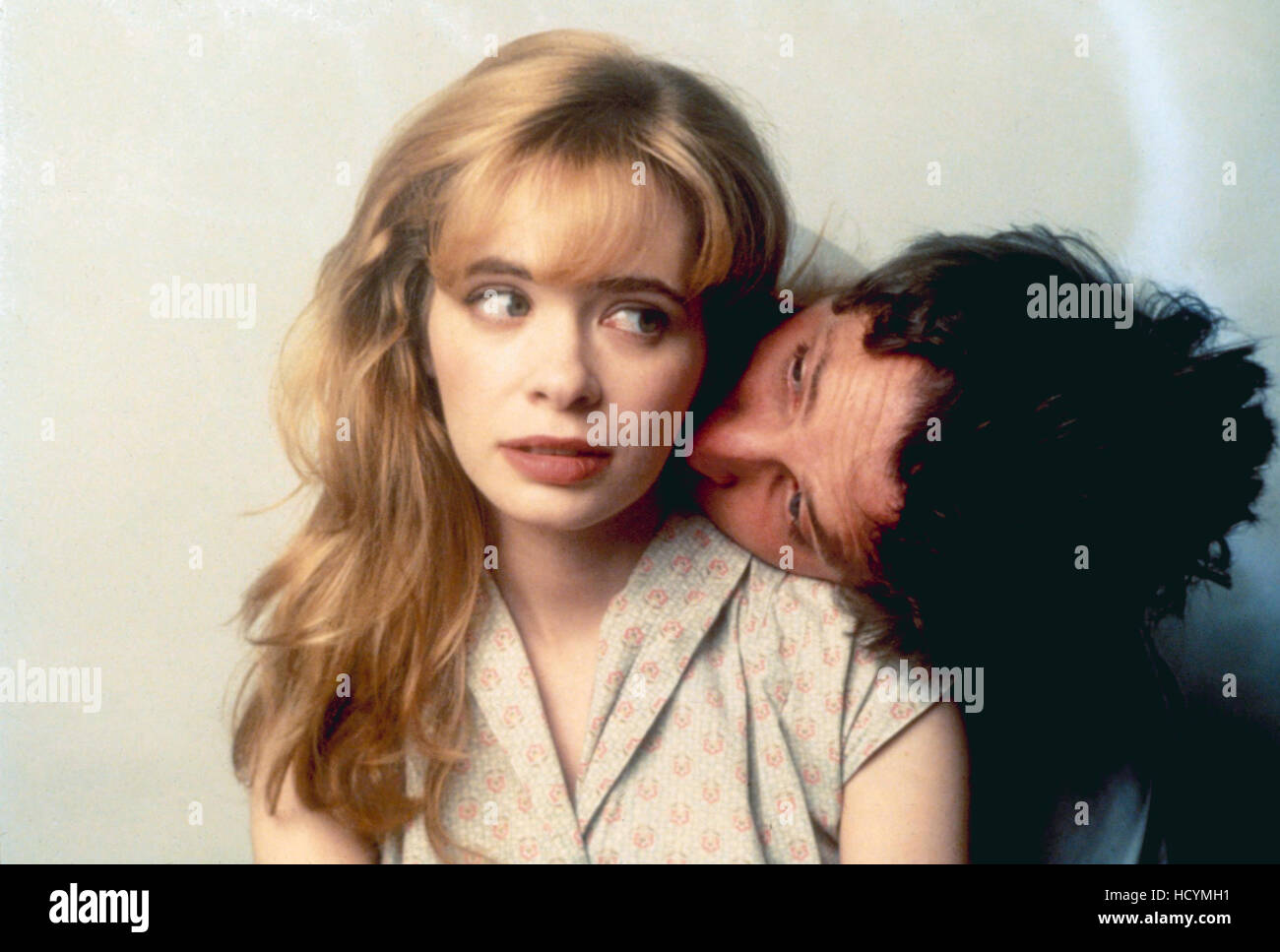
Adrienne Shelly was an American actress, screenwriter, and film director best known for her contributions to independent cinema during the 1990s and early 2000s. She gained widespread posthumous recognition for writing and directing the acclaimed film Waitress (2007). Her career, characterized by a distinct, quirky, and empathetic storytelling style, remains a significant touchstone for modern indie filmmakers.
Early Life and Professional Beginnings
Born Adrienne Levine on June 24, 1966, in Queens, New York, she grew up on Long Island with an early interest in the performing arts. She began acting in stage productions during her youth, eventually attending Boston University to study film production. During her time in college, she became heavily involved in the burgeoning independent film scene, which would define the trajectory of her professional life.
Her breakthrough came through her collaboration with director Hal Hartley. In the late 1980s and early 1990s, Hartley was a central figure in the American independent film movement, known for his deadpan, stylized dialogue and existential themes. Shelly starred in two of his most iconic films: The Unbelievable Truth (1989) and Trust (1990). These roles established her as a muse for the indie aesthetic, showcasing her ability to deliver complex emotions within the constraints of stylized, minimalist scripts.
Establishing a Signature Directorial Style
Following her success as an actress, Shelly transitioned toward screenwriting and directing. Her creative philosophy focused on human vulnerability, the intricacies of interpersonal relationships, and the often-humorous absurdity of everyday life. She sought to tell stories that centered on women's experiences, moving away from the archetypes prevalent in mainstream studio productions of that era.
Her directorial debut, Sudden Manhattan (1996), and her subsequent film I'll Take You There (1999), demonstrated her capacity to balance comedic timing with dramatic weight. These projects were self-contained, character-driven narratives that allowed her to explore the psychological nuances of her protagonists. Unlike many of her contemporaries, Shelly was deeply involved in every facet of production, often handling the logistical challenges of low-budget filmmaking with a meticulous eye for detail.
The Impact and Legacy of Waitress
The pinnacle of Shelly's professional life was the creation of Waitress. She wrote, directed, and co-starred in the project, which tells the story of Jenna Hunterson, a waitress in the American South trapped in an unhappy marriage who finds solace and potential liberation through baking pies.
Waitress was completed shortly before her death in 2006. Its premiere at the Sundance Film Festival in 2007 brought her vision to a global audience. The film was praised for its warmth, its refusal to succumb to conventional romantic comedy tropes, and its celebration of female resilience. Its success eventually led to a Tony Award-winning Broadway musical adaptation, cementing Shelly's status as a visionary writer who could translate local, intimate struggles into universal experiences.
Key Contributions to Independent Cinema
Shelly’s work is frequently studied for its contribution to the "mumblecore" precursor movement and the broader independent film culture of the 1990s. While her career was prematurely cut short, the body of work she left behind serves as a case study in effective independent production.
| Film Title | Role | Year | Genre |
|---|---|---|---|
| The Unbelievable Truth | Actress | 1989 | Independent Drama |
| Trust | Actress | 1990 | Independent Comedy |
| Sudden Manhattan | Director/Writer | 1996 | Independent Comedy |
| I'll Take You There | Director/Writer | 1999 | Comedy/Drama |
| Waitress | Director/Writer/Actress | 2007 | Comedy/Drama |
The Adrienne Shelly Foundation
Following her passing in 2006, her husband, Andrew Ostroy, established the Adrienne Shelly Foundation (ASF). The foundation was created to support the artistic aspirations of women in filmmaking. Through grants, scholarships, and partnerships with organizations like the Women in Film organization and various university film programs, the foundation provides financial and logistical support to emerging female directors, writers, and producers.
The mission of the ASF reflects the challenges Shelly faced as a female filmmaker in an industry that was—and to a large extent remains—male-dominated. By providing resources to those who might otherwise lack the capital to complete their projects, the foundation preserves her legacy not just through her films, but through the active support of a new generation of storytellers.
Why Is Adrienne Shelly Considered a Cult Figure in Indie Film?
She is often categorized as a cult figure due to her unique ability to blend the intellectual irony of 1990s New York independent cinema with a grounded, emotional sincerity. Her performances in Hartley’s films created a distinct persona—precocious, slightly alienated, and deeply observational—that resonated with viewers who felt disconnected from mainstream Hollywood offerings. This "Shelly aesthetic" served as a bridge between the high-concept experimentalism of the 80s and the more narrative-heavy indie boom of the mid-2000s.
How Did Waitress Influence Subsequent Romantic Comedies?
Waitress challenged the industry standard for the romantic comedy genre by placing the protagonist’s personal fulfillment and autonomy ahead of her romantic partner. Shelly’s script emphasized the importance of self-actualization and female friendship, proving that a film centered on a woman's creative output (baking) could be both commercially viable and critically respected. This approach paved the way for subsequent filmmakers to explore "dramedy" elements in stories previously relegated to fluffier sub-genres.
What Are the Primary Objectives of the Adrienne Shelly Foundation?
The foundation aims to honor her spirit by providing financial support to women filmmakers. This includes production grants for narrative feature films, post-production assistance, and scholarships for film students. The core objective is to reduce the economic barriers that often force talented, female-driven projects to remain in development, thereby ensuring a more diverse array of voices reaches the screen.
How Has Her Directorial Style Been Characterized by Critics?
Critics often describe her style as "quirky but anchored." She possessed a rare talent for finding comedy in uncomfortable situations without mocking her characters. Her writing was noted for its naturalistic dialogue that felt improvised yet was highly controlled, allowing the audience to feel as though they were witnessing genuine, private moments rather than scripted scenes.
Seeking Funding for Film Projects
If you are an independent filmmaker currently seeking support for your work, investigating the resources provided by the Adrienne Shelly Foundation is a logical next step. Their application windows typically align with established industry grant cycles. Before applying, ensure your project meets the specific criteria:
- Focus: The project must be led by a female director, writer, or producer.
- Stage: Review the specific grant requirements to determine if they are currently accepting applications for development, production, or post-production phases.
- Materials: Prepare a robust script, a clear budget, and a visual treatment that demonstrates a cohesive creative vision.
- Impact: Be prepared to articulate how your film contributes to the representation of women's narratives in contemporary media.
For those looking to deepen their appreciation of her work, a retrospective viewing of her acting roles alongside her directorial efforts provides the clearest evidence of her artistic evolution. Start with Trust to understand the foundation of her acting style, then view Waitress to see how she matured into a director who could command complex narratives with both grace and biting wit.