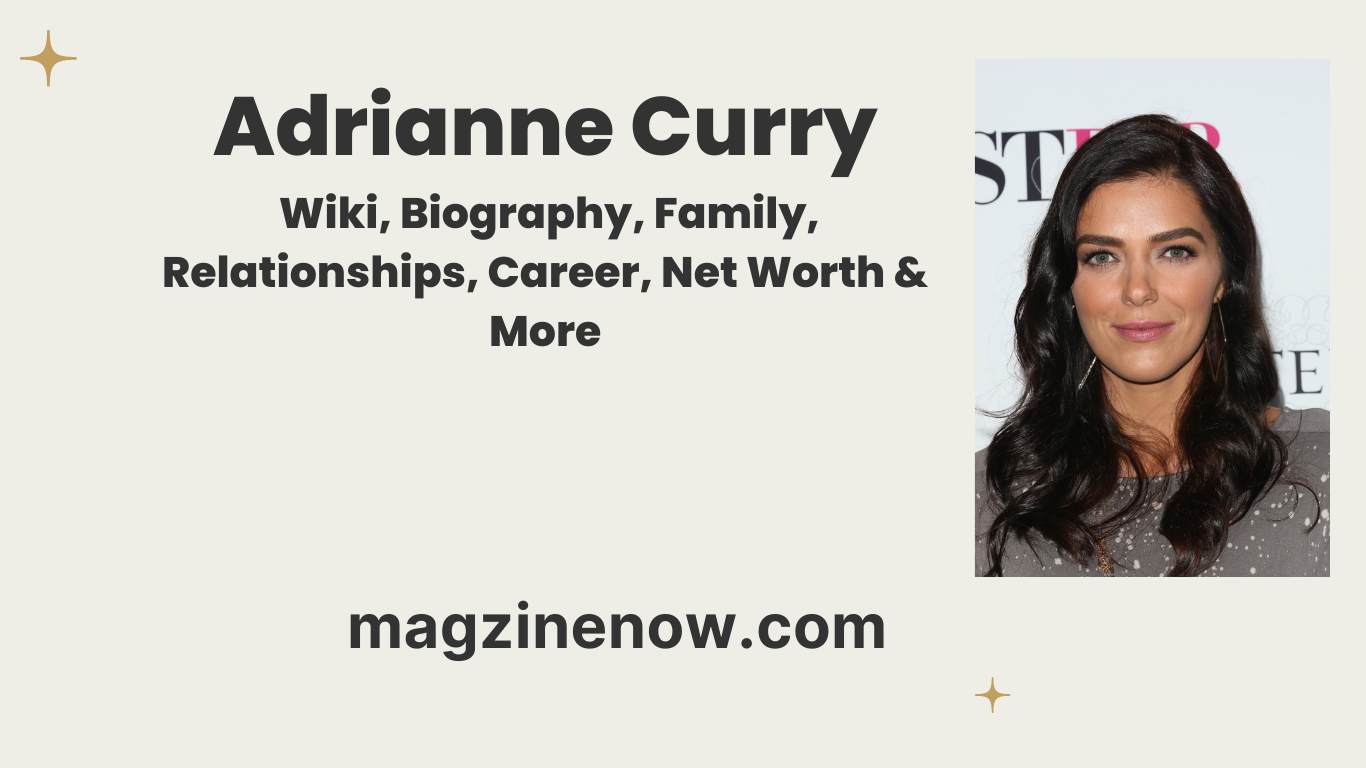
Adrianne Curry gained international prominence as the inaugural winner of America's Next Top Model in 2003, subsequently establishing a diverse career spanning fashion modeling, television hosting, and digital content creation. Her professional trajectory reflects the transition from traditional runway and print media into the era of reality television and direct-to-audience digital engagement.
The Foundation of a Modeling Career: America’s Next Top Model
In 2003, Adrianne Curry rose to prominence through the inaugural season of America's Next Top Model (ANTM), a reality competition series created by Tyra Banks. At the time, the show was a pioneering experiment in the reality television landscape, aiming to demystify the high-fashion industry while documenting the competitive pressures placed on aspiring models.
Curry, who was 20 years old during the filming, navigated a rigorous series of photoshoots, runway challenges, and editorial assessments. Her victory was significant not only for the title but for the contractual prizes it entailed, which included a modeling contract with Wilhelmina Models and a spread in Marie Claire magazine. Her success on the show provided a blueprint for how reality television could launch a career in the early 2000s, though she eventually navigated away from the conventional path set by the agency-driven model.
Transitioning to Television and Public Persona
Following her ANTM victory, Curry transitioned from editorial modeling to a broader media presence. Her career shifted significantly toward reality television, where she utilized her recognition to secure roles in various programs. One of the most notable periods in her career involved The Surreal Life, a series on VH1 that placed various celebrities in a shared household. It was here that her public relationship with Christopher Knight, known for his role as Peter Brady on The Brady Bunch, became a focal point of media coverage.
This relationship evolved into the spin-off reality show My Fair Brady, which documented the pair's life together. For fans and researchers examining her career highlights, this era represents a transition where "modeling" became secondary to "personality-driven media." The shift was indicative of a broader trend in the mid-2000s, where models were increasingly expected to maintain a multimedia presence rather than strictly appearing in print or runway capacities.
Evolution of Visual Content and Modeling Aesthetics
Curry’s modeling aesthetic has consistently moved between high-fashion editorial, commercial print, and the more independent, digital-first style that emerged in the 2010s and 2020s. Her early work in the mid-2000s focused on traditional modeling standards, but she eventually adopted a more autonomous approach to her visual content.
In the current media landscape, followers often seek access to her career archives, including early editorial prints and promotional videos. While her early career is well-documented through traditional media outlets, her later work is characterized by self-directed content distribution. Unlike traditional models who rely on agency portfolios, Curry has leveraged social media and subscription-based platforms to maintain control over her image. This autonomy allows her to produce "pics and videos" that align with her personal brand, moving away from the gatekeepers of the traditional fashion industry.
Comparative Overview: Career Phases
The following table contrasts the primary phases of Adrianne Curry’s career, highlighting the shifts in her professional focus and content distribution.
| Career Phase | Primary Medium | Professional Focus | Distribution Platform |
|---|---|---|---|
| 2003–2004 | Print/Runway | High Fashion Modeling | Traditional Magazines/Agencies |
| 2005–2008 | Television | Reality Personalities | Cable Television (VH1) |
| 2009–2015 | Digital/Guest Hosting | Gaming and Conventions | Web/Streaming Platforms |
| 2016–Present | Direct-to-Consumer | Independent Content | Personal Digital Platforms |
Navigating Career Highlights and Media Archives
For researchers and fans looking to trace the lineage of her career, it is necessary to distinguish between official project documentation and secondary media coverage. Her career highlights are best categorized into three distinct professional buckets:
1. The Modeling Archive
This includes the promotional photos from her America’s Next Top Model cycle and her subsequent print work for publications like Maxim, Playboy, and Star Magazine. These assets represent the peak of her traditional modeling output. Most of these images are housed in the archives of the publishing houses themselves or in private digital collections focused on pop culture history.
2. Television and Media Hosting
Curry’s work in television is marked by her ability to bridge the gap between "reality star" and "pop culture host." Her hosting stints at gaming conventions and events in the late 2000s provided her with a new audience segment that valued her candid personality over her traditional fashion work. These appearances are often preserved in video clips on streaming platforms that curate retro reality television content.
3. Digital Autonomy
In 2026, the bulk of her output is managed independently. This marks the culmination of her career shift: from a model whose image was controlled by agents and network contracts to a creator who manages her own likeness and distribution. This phase includes lifestyle, gaming, and advocacy content that serves as the modern equivalent of her portfolio.
Technical Considerations for Archival Research
If you are attempting to locate specific videos or high-resolution images from the earlier stages of her career, keep in mind the technical limitations of early 2000s media. Much of the content from the 2003–2005 period was produced for analog television and print, meaning that digital versions often lack the resolution of modern 4K production.
- Copyright Limitations: Many early professional photos are subject to strict copyright. Using these for commercial purposes requires licensing from the original publishers.
- Video Preservation: Early reality television segments are frequently found on archival sites; however, quality may be compressed due to the limitations of broadcast storage from two decades ago.
- Platform Changes: As many early 2000s web portals have shuttered or been archived, official websites from her early career may no longer exist or may have been repurposed by third-party aggregators.
Frequently Asked Questions
What was the result of Adrianne Curry's win on America's Next Top Model?
Winning the first cycle of ANTM resulted in a contract with Wilhelmina Models, a cover and spread in Marie Claire, and a contract with Revlon. This victory served as the catalyst for her transition into professional modeling and subsequent reality television fame.
Where can I find original modeling photos from her early career?
Original editorial work is typically found in the archives of major fashion publications or through licensed image databases. While social media aggregators often post fan-made collections, official records remain the most reliable source for high-quality images.
How did her career shift after reality television?
After her time on series like The Surreal Life and My Fair Brady, Curry moved toward independent digital content creation. She focused on gaming, interactive hosting, and building an independent brand, which allowed her to move away from the traditional agency-managed model trajectory.
Does Adrianne Curry still work as a model in 2026?
While she does not pursue traditional agency-managed runway or editorial modeling as her primary source of income, she maintains a visual presence through independent content production. Her current work is self-curated and focuses on her personal brand rather than the traditional fashion industry.
What are the main differences between her early and late career content?
Early career content was collaborative, involving large production teams, agencies, and network television producers. Late career content is characterized by autonomy, with the subject serving as the primary producer, editor, and distributor of her own media.
Next Steps for Following Her Professional Evolution
To stay informed about her current projects or to engage with her historical content, it is recommended to monitor her verified official social media channels. As of 2026, this is where she directs her audience for the most recent updates, professional announcements, and personal project launches. For those interested in the historical perspective of her career, focusing on archival television footage from the 2003–2008 period provides the best insight into her rise as a media figure.