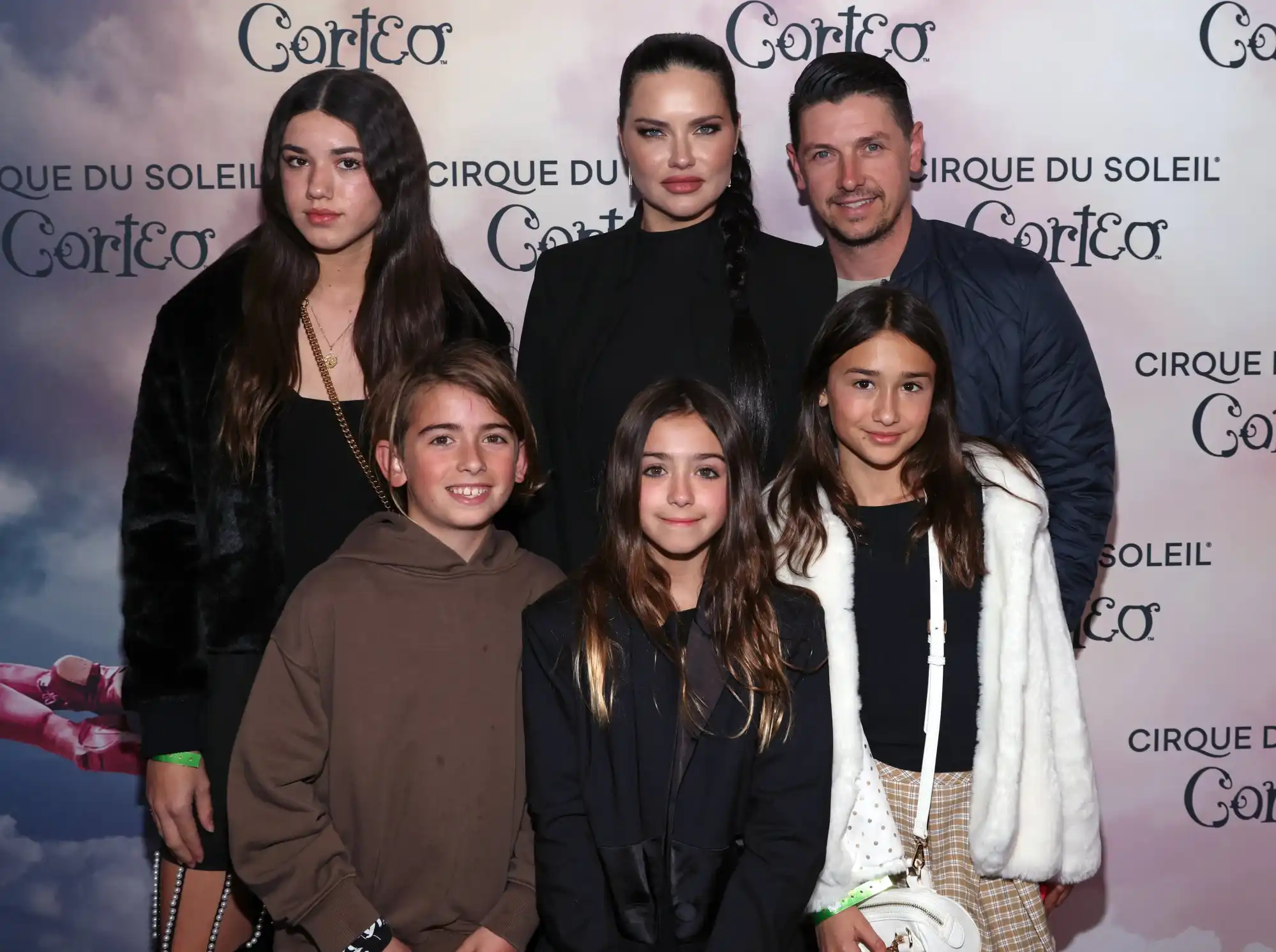
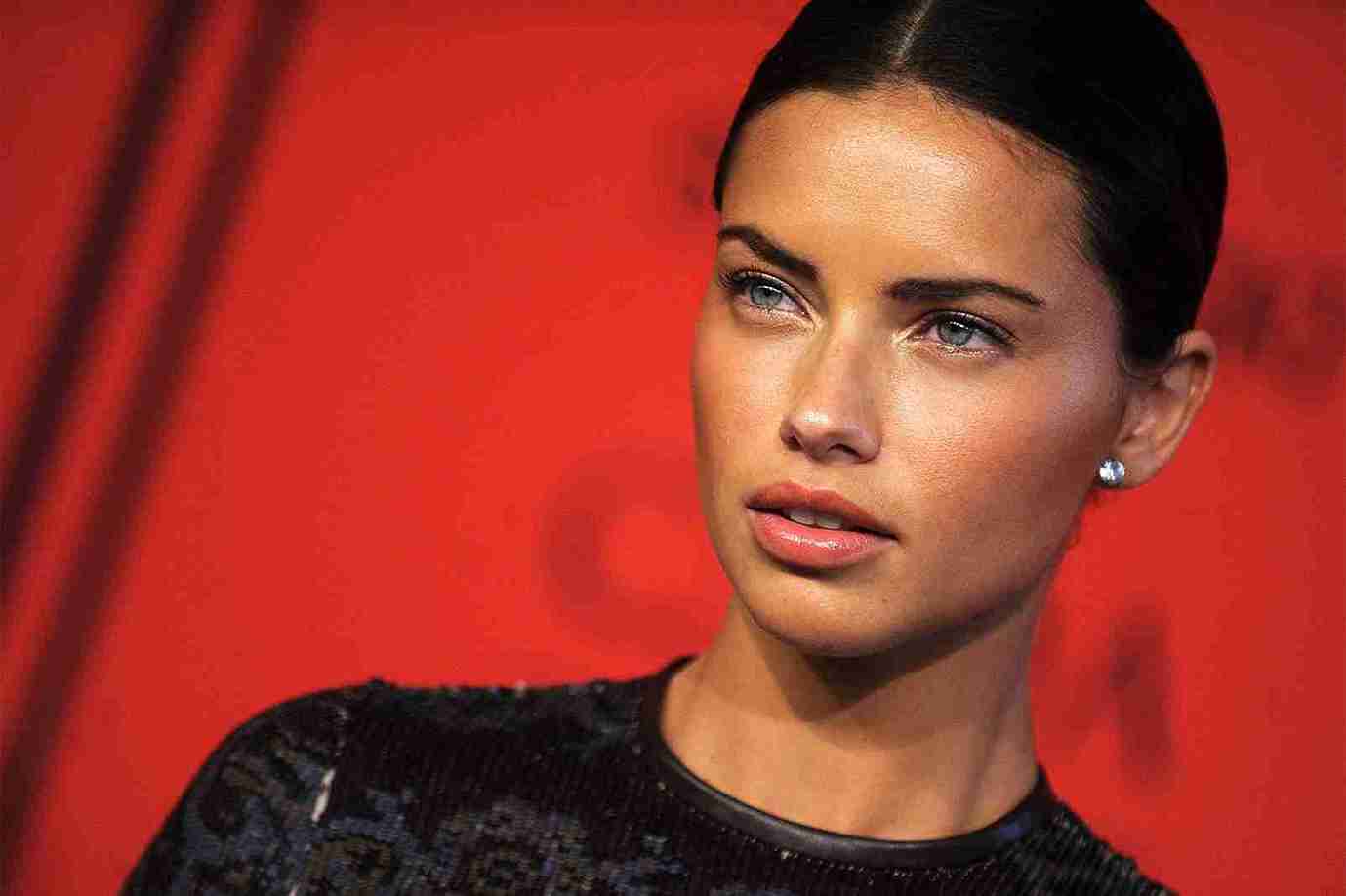
Adriana Lima began her rise to global prominence in the fashion industry at age 15 after winning the "Supermodel of the World" contest held by the Ford Models agency in Brazil. Her early career established a trajectory that led to her status as one of the most recognizable faces in high-fashion history, characterized by her tenure as a Victoria’s Secret Angel and her numerous international campaigns.
The Emergence of a Supermodel: The Age of 15
In 1996, at the age of 15, Adriana Lima reached a pivotal turning point in her life that would transition her from a student in Salvador, Bahia, to an international fashion icon. Her entry into the Ford "Supermodel of the World" contest was not driven by a long-term desire for fame; rather, she entered at the suggestion of a friend. Her victory in the Brazilian leg of the competition, followed by her second-place finish in the international finals, provided the necessary credentials to launch her career in New York City.
This period was foundational. At 15, Lima possessed a distinct aesthetic—defined by her striking blue eyes and sharp, feline features—that caught the attention of agencies and designers alike. Unlike many models who spent years in smaller markets, Lima’s professional development was accelerated by the global exposure afforded by Ford Models. This early success forced her to balance the typical pressures of adolescence with the professional demands of high-end modeling, setting a pattern of discipline and work ethic that would sustain her career for decades.
Biographical Context and Early Life
Born on June 12, 1981, in Salvador, Bahia, Brazil, Adriana Lima was raised in an environment far removed from the runways of Paris and Milan. Her upbringing was influenced by the cultural vibrancy of Bahia, but her career ambitions quickly moved toward international markets. She moved to New York City shortly after her contest success, signing with Elite Model Management.
Her biography is marked by a rapid ascent. By age 16, she had already appeared on the cover of Vogue and was walking for major design houses. While she is most frequently associated with her long-term contract with Victoria's Secret—which spanned from 1999 to 2018—her early career served as the bridge that allowed her to transition from a "new face" to a commercial powerhouse. Understanding her age during these formative years is crucial, as it highlights how early she entered the competitive landscape of 1990s and 2000s fashion.
Key Career Milestones
The timeline of Lima's career reflects the evolution of the fashion industry over the last three decades. The following table highlights the progression from her early discovery to her established global status.
| Period | Milestone/Event | Industry Impact |
|---|---|---|
| 1996 | Won Ford "Supermodel of the World" (Brazil) | Launched international career |
| 1999 | Signed with Victoria's Secret | Became face of the brand |
| 2000 | Became an official Angel | Cemented brand icon status |
| 2003 | First Maybelline contract | Shifted into beauty branding |
| 2012 | Named Forbes top-earning model | Established commercial dominance |
| 2018 | Final Victoria's Secret runway show | Transitioned to legacy status |
Evolution of Style and Public Image
When reviewing photographs of Adriana Lima at 15 compared to her later work, the transformation is marked by a shift from youthful, raw beauty to a curated, professional polish. During her late teens, her look was often natural and fresh-faced, consistent with the minimalist aesthetic that dominated late 90s fashion photography. As she progressed into her twenties, her image became synonymous with the "bombshell" aesthetic promoted by the lingerie industry, characterized by high-volume styling and intensified makeup palettes.
Her ability to adapt to these shifts is why she remained relevant for nearly 30 years. At 15, the "facts" of her look were simple: high cheekbones and intense eye color. By her late twenties and thirties, the "facts" of her career included managing a global personal brand that required her to shift between high-fashion editorial work, commercial beauty campaigns, and intense physical conditioning to meet the specific requirements of runway modeling.
The Business of Modeling: Requirements and Reality
For those interested in the logistical facts of her career, it is important to note that success at the level Lima achieved required more than genetic potential. It required adherence to rigorous industry standards. During her early years in the late 1990s, the physical requirements for models involved strict measurements and near-constant availability for international travel.
The transition from a 15-year-old contest winner to a professional model involved navigating complex legal and management contracts, schooling, and the challenge of living in a foreign city at a young age. These realities are often overlooked when viewing archival photos, which present a sanitized version of the industry. Her career illustrates the necessity of professional longevity, as she successfully migrated her image through multiple eras of fashion photography, from film to the digital and social media-driven landscape of the mid-2020s.
Frequently Asked Questions
Did Adriana Lima start her career at 15?
Yes. Adriana Lima entered the fashion industry at age 15 after participating in and winning the Brazilian Ford "Supermodel of the World" contest. This success facilitated her move to New York City and her subsequent signing with major modeling agencies, which led to her professional debut.
What are the most common misconceptions about her early career?
A common misconception is that she achieved instant, worldwide fame overnight. While her win at 15 was a significant catalyst, the following years involved a methodical process of building a portfolio, securing agency representation, and working through smaller editorial features before she achieved her breakout role as a Victoria's Secret Angel in 1999.
How did her role as an Angel affect her career trajectory?
Her long-term contract as a Victoria's Secret Angel fundamentally changed her career from that of a runway model to a global commercial entity. This role required a high level of public visibility and physical maintenance that differentiated her from high-fashion models who focused exclusively on catwalks, allowing her to secure significant beauty contracts, such as her work with Maybelline.
What was the significance of her 1996 competition win?
The 1996 Ford competition was the definitive entry point into the global fashion market for many models of that era. For Lima, it provided the platform to be seen by international casting directors. Without this win, her transition from the local fashion market in Bahia to the global stage in New York would have been significantly more difficult and time-intensive.
How has her approach to her public image evolved?
Over the decades, Lima has evolved from a burgeoning teenage talent to a veteran of the fashion industry. Her approach has shifted from complying with the specific "Angel" branding during the 2000s and 2010s to a more personalized, legacy-focused public image that emphasizes her experience, longevity, and role as an influential figure within the industry today in 2026.
Next Steps for Researching Fashion History
To gain a more comprehensive understanding of the fashion landscape during the late 1990s and 2000s, it is recommended to review the archives of major fashion publications like Vogue, Harper’s Bazaar, and Elle. These archives provide the primary visual evidence of how modeling standards, photography styles, and beauty trends shifted throughout Lima's career. For those interested in the business side of the industry, consulting agency trade reports or profiles of legendary fashion scouts can provide deeper insight into how models like Lima were identified, developed, and marketed to a global audience.