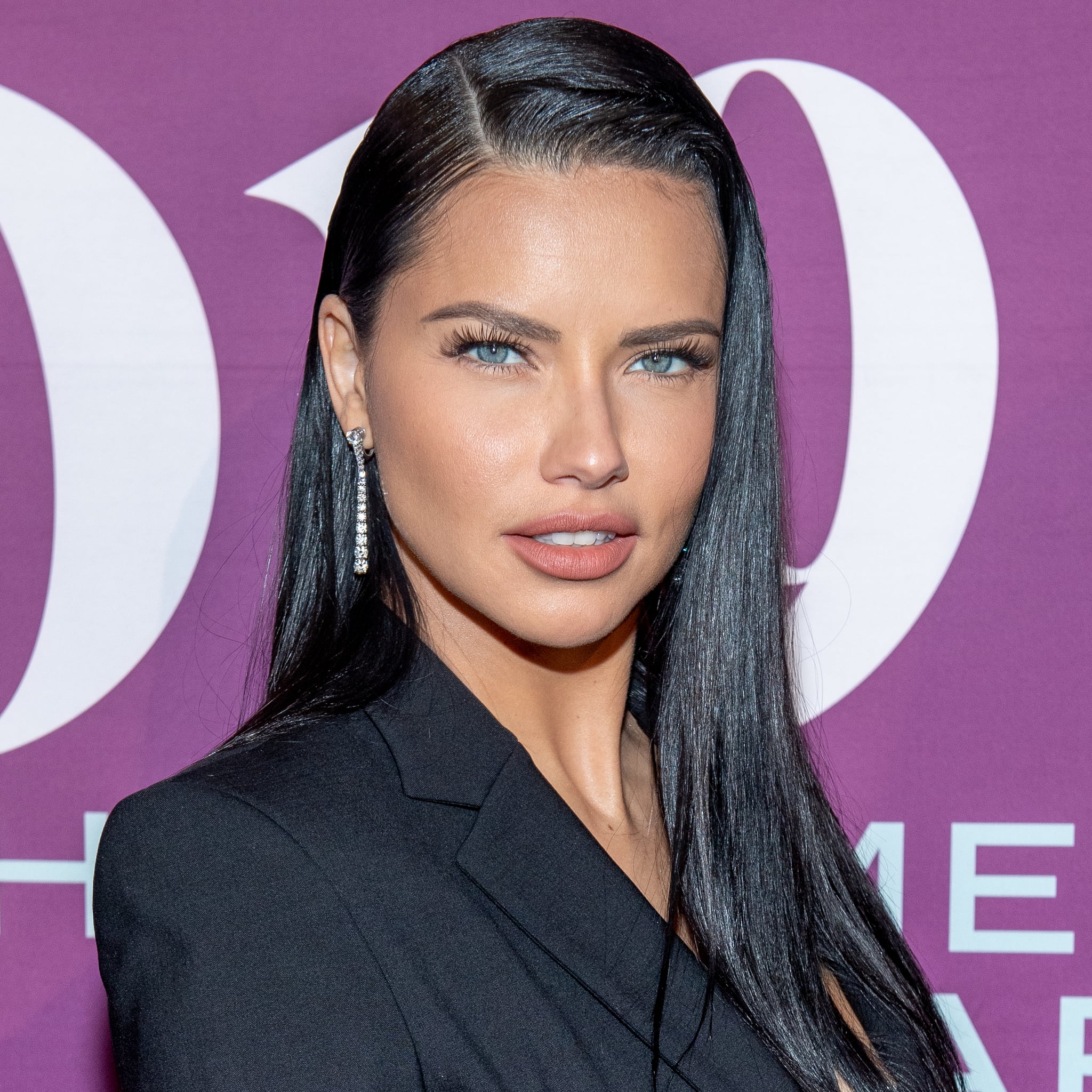
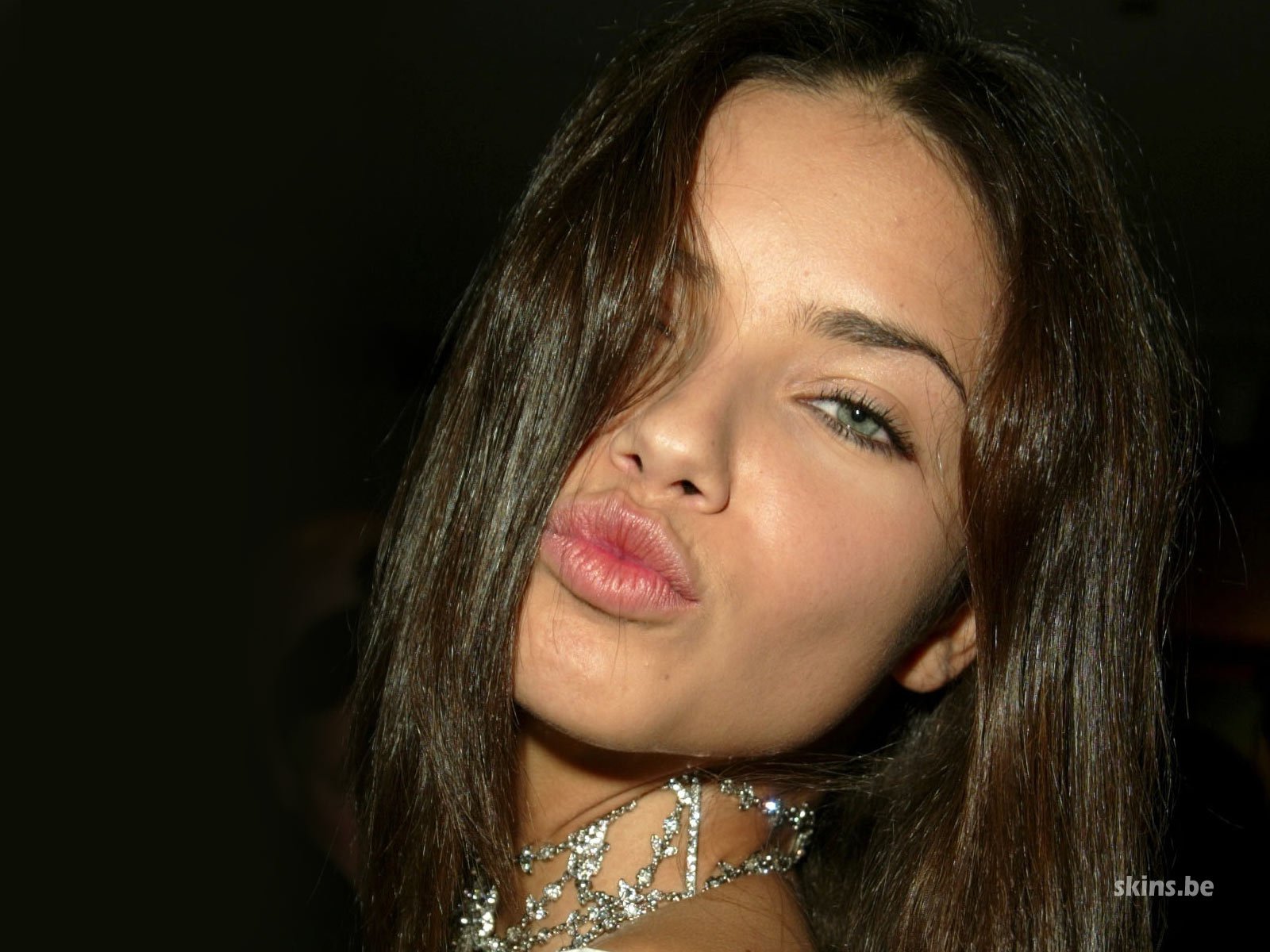
Adriana Lima’s tenure as a global icon is defined by her unprecedented fifteen-year run as a Victoria’s Secret Angel, a role that transformed her from a Brazilian runway talent into a cornerstone of international pop culture. This legacy represents the evolution of high-fashion modeling, bridging the gap between traditional couture and mass-market brand ambassadorship.
The Rise of a Brazilian Icon
Born in Salvador, Bahia, Brazil, in 1981, Adriana Lima entered the fashion industry following a win in the Ford "Supermodel of Brazil" competition in 1996. Her rapid ascent was fueled by a distinct look—deep blue eyes and a striking, athletic physicality—that captured the attention of high-fashion houses during the late 1990s. While many models of her generation struggled to transition between print editorials and the commercial requirements of major televised fashion events, Lima displayed a unique versatility. By the time she secured her contract with Victoria’s Secret in 1999, she had already established a professional discipline that would sustain her career for over two decades.
Her 15-year tenure with the brand is often cited as the "Golden Era" of the Angel program. During this period, Lima participated in numerous high-profile televised fashion shows, walking the runway in elaborate designs that became iconic symbols of early 2000s media. Her ability to command the stage, often opening or closing the show, solidified her status as the most recognizable face of the brand.
Defining the Supermodel Archetype
In the early 2000s, the "supermodel" title began to shift toward personalities who could maintain visibility across multiple media channels. Lima excelled in this environment because she managed to remain approachable while maintaining an aura of prestige. Her work with legendary photographers and designers—including Marc Jacobs, Christian Dior, and Versace—provided her with a high-fashion pedigree, which she effectively leveraged to build a massive global following.
Her legacy is not merely based on longevity, but on the consistency of her performance. In the world of high-stakes modeling, maintaining physical conditioning and professional reliability over a 15-year period is a significant achievement. This consistency allowed the brand she represented to flourish, as her public image became synonymous with the identity of the company’s marketing campaigns.
The Impact of the 15-Year Milestone
Celebrating 15 years as a primary brand ambassador represents a rare longevity in an industry notoriously known for rapid turnover. By the time her official contract evolved into a emeritus-style relationship, Lima had effectively redefined the expectations for a long-term fashion partnership.
Key factors in the sustained success of her 15-year run included:
- Media Versatility: Her comfort in front of the camera, ranging from commercial television spots to high-concept art fashion photography.
- Cultural Influence: Her role in popularizing a specific aesthetic that dominated the 2000s and early 2010s.
- Professional Reliability: Her status as a consistent lead performer in live broadcast events, which required significant rehearsal and stamina.
Historical Perspective: Career Trajectory
The following table outlines the segments of her career that contributed to her legacy as a foundational figure in modern modeling history.
| Career Phase | Focus Area | Impact |
|---|---|---|
| 1996–1999 | High Fashion & Runway | Establishing presence in Paris and Milan. |
| 1999–2010 | The Angel Era (Peak) | Became the face of global retail marketing campaigns. |
| 2010–2018 | Mature Brand Leadership | Mentorship and headlining major international shows. |
| 2018–Present | Legacy & Cultural Icon | Transitioned into global brand advocacy and industry consulting. |
Strategic Evolution in the Industry
Beyond her runway work, Lima’s career trajectory offers a blueprint for how a model can navigate the transition from a "face of the brand" to a cultural institution. Her ability to remain relevant involved adapting to the digital age, shifting from traditional print-based dominance to integrating social media platforms. By 2018, when she concluded her most intensive period of work with the brand, she had already secured numerous independent contracts that underscored her status as an independent power player in the fashion economy.
Her approach to the industry demonstrates the necessity of diversification. While many models find their career stunted by over-association with a single company, Lima utilized that platform as a launchpad for broader ventures, including skincare partnerships, luxury jewelry collaborations, and editorial directing roles. This transition is essential for any model looking to survive beyond the typical five-to-seven-year peak seen in the industry.
Challenges and Professional Discipline
The intensity of a 15-year run, particularly in the public eye, involves rigorous adherence to strict health, fitness, and appearance standards. Public discourse surrounding these expectations has evolved significantly since the early 2000s. Lima’s career trajectory reflects the industry's shift in how it discusses the "model lifestyle." For professionals in the field, her career serves as a case study in managing physical health, contractual obligations, and the psychological demands of high-visibility branding.
It is important to note that the industry’s standards have shifted, and the "Angel" era is now viewed as a historical period rather than a static model of current operations. However, the business mechanisms that allowed Lima to maintain her status—such as exclusive contracts, global marketing spend, and strategic brand alignment—remain foundational to luxury fashion marketing in 2026.
Frequently Asked Questions
What was the significance of Adriana Lima’s 15-year tenure?
Her tenure established a benchmark for long-term brand ambassadorship in the fashion industry. By serving as a lead face for a single major brand for over a decade, she helped stabilize the brand's identity and influenced the marketing strategies used by luxury retailers throughout the 2000s.
How did Lima maintain her relevance for over 15 years?
She successfully balanced high-fashion editorial work with commercial brand representation. By maintaining a high standard of professional performance, she ensured she was requested for major events year after year, allowing her to stay at the center of the industry during rapid market shifts.
Is the "Angel" title a contractual role?
Yes, in the historical context of the industry, being an "Angel" was a specific high-level contractual agreement that required exclusive participation in events, appearances, and promotional campaigns. It was a professional role characterized by specific performance milestones and high-visibility branding duties.
Did her 15-year career influence modern modeling standards?
Her career demonstrated that a model could command global recognition through brand association. This has influenced how agencies and brands view long-term partnerships, with many modern firms looking for models who can offer long-term stability rather than short-term trend association.
What is the primary lesson from her career for aspiring models?
The primary lesson is the value of professional versatility. Lima’s ability to thrive in both the editorial world and the commercial world provided her with career security that many of her contemporaries did not achieve. Versatility allows for longer career cycles and a more stable professional reputation.
Recommendation for Industry Professionals
To emulate the longevity of a career like Adriana Lima’s, one must view modeling not as a transient pursuit, but as a long-term business endeavor. Professional success is predicated on building a diverse portfolio that balances high-prestige editorial work with stable commercial partnerships. Aspiring models should prioritize professional networking, rigorous maintenance of their personal brand, and the development of skills that allow for evolution as the industry changes. Understanding the contractual and legal frameworks of long-term endorsements is also vital for those looking to reach the 15-year mark in the global fashion economy.