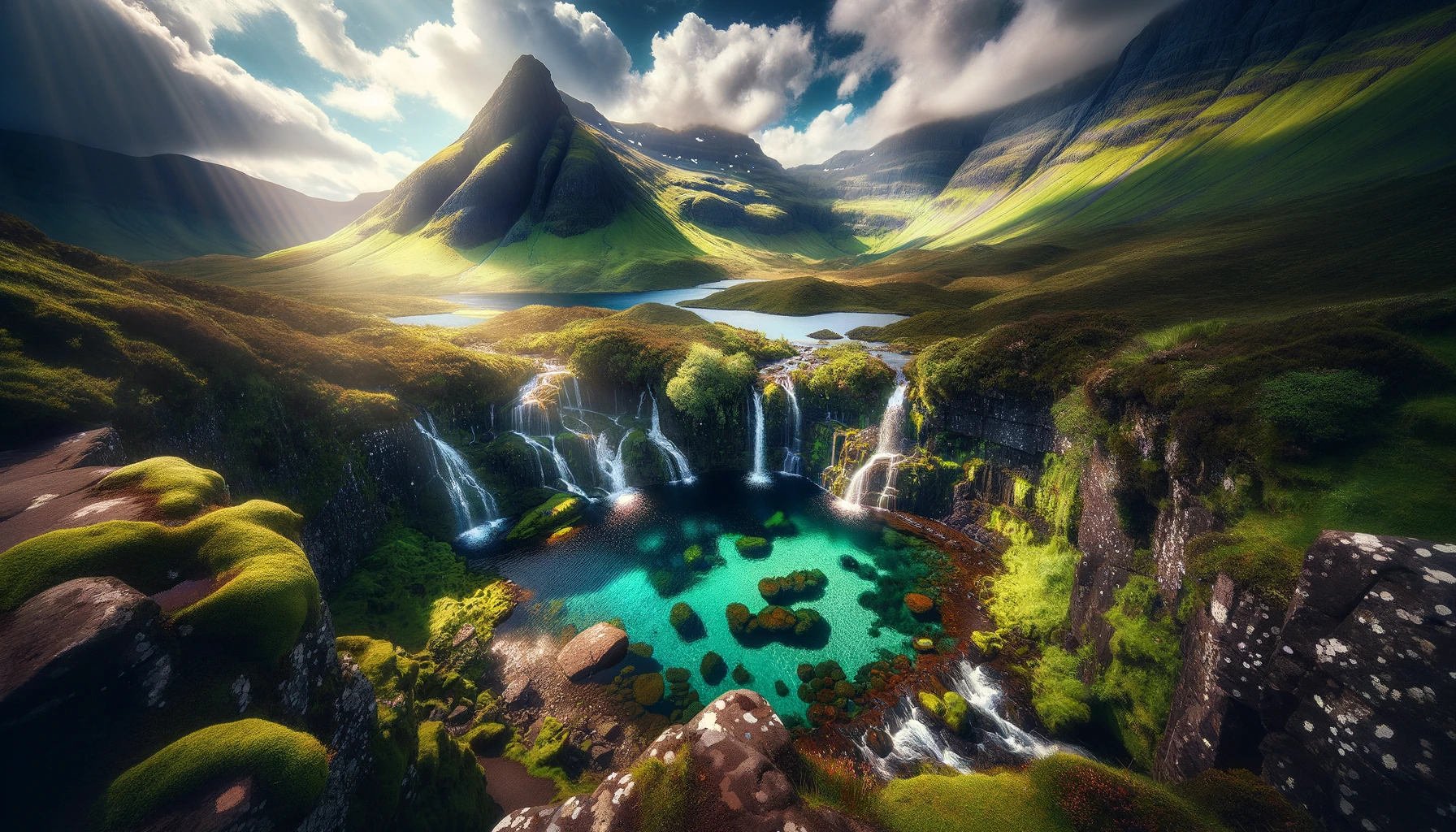
Georgia, situated at the intersection of Eastern Europe and Western Asia, remains one of the most culturally rich and topographically diverse destinations for modern travelers. While Tbilisi and Batumi often capture the initial interest of international visitors, the nation’s true character is found in its lesser-known, remote provinces and historic mountain villages. This guide focuses on accessing and experiencing the hidden gems of Georgia, providing the necessary logistics, cultural context, and travel requirements to move beyond the typical tourist corridors.
Understanding the Landscape and Logistics
Georgia is defined by the Greater and Lesser Caucasus mountain ranges, which dictate the rhythm of travel. Infrastructure in urban centers is robust, but moving toward hidden gems in regions like Svaneti, Tusheti, or Racha requires a shift in expectations regarding transit and speed.
Travelers should understand that "hidden gems" in Georgia often necessitate a combination of public transport, known locally as marshrutkas (minibuses), and private 4x4 hiring. Marshrutkas are the backbone of local transit; they are inexpensive, follow semi-regular schedules, and generally depart once full. However, they lack storage capacity for heavy luggage and are not climate-controlled to modern Western standards. For those venturing deep into high-mountain regions, hiring a local driver with a high-clearance vehicle is not merely a luxury; it is often a safety necessity due to the degradation of secondary mountain roads during the spring thaw or heavy rain.
Essential Prerequisites for Independent Travel
Before departing for regional Georgia, ensure you have addressed the following administrative and physical requirements:
- Documentation: Ensure your passport is valid for at least six months beyond your departure date. Georgia maintains a liberal visa policy, but always verify your specific citizenship status through the Ministry of Foreign Affairs of Georgia before booking.
- Connectivity: While 4G/5G coverage is excellent in cities, it is inconsistent in the Caucasus mountains. Download offline maps and consider a local SIM card from providers like Magti, which generally offers the most extensive rural coverage.
- Currency and Payments: Carry the Georgian Lari (GEL). While credit cards are accepted in major hotels and upscale restaurants in Tbilisi, cash is mandatory in rural guesthouses and remote mountain regions. ATMs are scarce outside of district centers; withdraw sufficient cash in regional capitals like Mestia or Telavi.
Exploring Hidden Gems: A Regional Breakdown
To effectively navigate Georgia’s hidden gems, travelers should categorize their itinerary by geographical and historical significance. The following table provides a comparison of key off-the-beaten-path regions.
| Region | Primary Appeal | Accessibility Level | Best Time to Visit |
|---|---|---|---|
| Tusheti | Remote alpine villages, ancient defensive towers | High Difficulty (4x4 only) | July – September |
| Racha | Alpine lakes, viticulture, "Georgian Switzerland" | Moderate (Paved roads) | June – October |
| Samtskhe-Javakheti | Volcanic landscapes, cave monasteries | Moderate | May – October |
| Svaneti (Upper) | Medieval architecture, glacier trekking | Moderate (Public/Private) | June – September |
Tusheti: The Untouched Frontier
Tusheti is perhaps the most isolated region in the Caucasus. Accessible only via the Abano Pass—a road that is typically open only from June to September—it remains largely unchanged by mass tourism. The landscape is dotted with koshki (defensive towers) that date back to the Middle Ages. Visitors should base themselves in Omalo or Dartlo. Note that there are no high-end hotels here; lodging consists primarily of family-run guesthouses where guests share meals with the host family.
Racha: The Land of Khvanchkara
Often overlooked by international tourists, Racha is located in the western part of Georgia. It is arguably the most scenic region for those seeking tranquility, dense forests, and high-altitude lakes like Udziro. Racha is also the birthplace of Khvanchkara, a naturally semi-sweet red wine. Travelers here should focus on agrotourism, visiting local family-run maranis (wine cellars) where traditional qvevri (clay vessel) winemaking is practiced.
Samtskhe-Javakheti: Volcanic History
This region offers a different aesthetic from the lush mountains of the north. It is defined by its volcanic plateaus and deep gorges. The Vardzia cave monastery, a 12th-century city carved into the side of the Erusheti Mountain, is the centerpiece. Unlike the more accessible sites, exploring the smaller, lesser-visited cave complexes nearby requires a dedicated full day and professional local guidance to navigate the unstable rocky terrain safely.
Navigating Cultural Etiquette and Safety
Georgia operates on a hospitality-centric cultural model. When visiting hidden gems and staying in rural guesthouses, travelers are often treated as honored guests.
- Dining Etiquette: When invited to a supra (traditional feast), understand that the toastmaster (tamada) leads the ritual. It is respectful to wait for the tamada’s signal before drinking.
- Religious Sites: Many hidden gems are home to ancient monasteries. Dress codes are strict: women must cover their heads and shoulders, and men should wear long trousers. Always check for photography restrictions inside churches, as many prohibit it to protect 12th-century frescoes.
- Safety Precautions: Mountain weather is volatile. Even in summer, temperatures can drop significantly at night. Always carry a physical medical kit, as pharmacies are non-existent in high-mountain villages.
Common Mistakes to Avoid
The most frequent error travelers make is underestimating the time required for travel between locations. Due to the mountainous terrain, a distance of 100 kilometers can translate to a four-to-six-hour drive.
Avoid the temptation to pack too many regions into a single trip. Georgia is a country that rewards slow travel. Attempting to see both Svaneti and Tusheti in a one-week trip will result in more time spent in a vehicle than on the trails. Focus on one region per week to allow for weather-related delays, which are common and should be factored into your itinerary as a standard variable rather than an emergency.
Next Actions for the Independent Traveler
To successfully execute a trip to Georgia’s hidden gems in 2026, begin by finalizing your regional focus. If you are a first-time visitor to the rural Caucasus, start with Svaneti, as it has the most established tourism infrastructure, which acts as a safety net while still providing an authentic experience.
Once your region is selected, contact local certified guides through the Georgian Guides Association if you intend to hike, as mountain weather and trail conditions can change rapidly. Ensure your primary lodging is booked at least three months in advance for peak summer months (July and August), as the capacity of authentic mountain guesthouses is extremely limited. Finally, conduct a thorough check of your travel insurance policy to ensure it covers high-altitude activities, as standard plans often exclude rescue operations in mountainous zones.