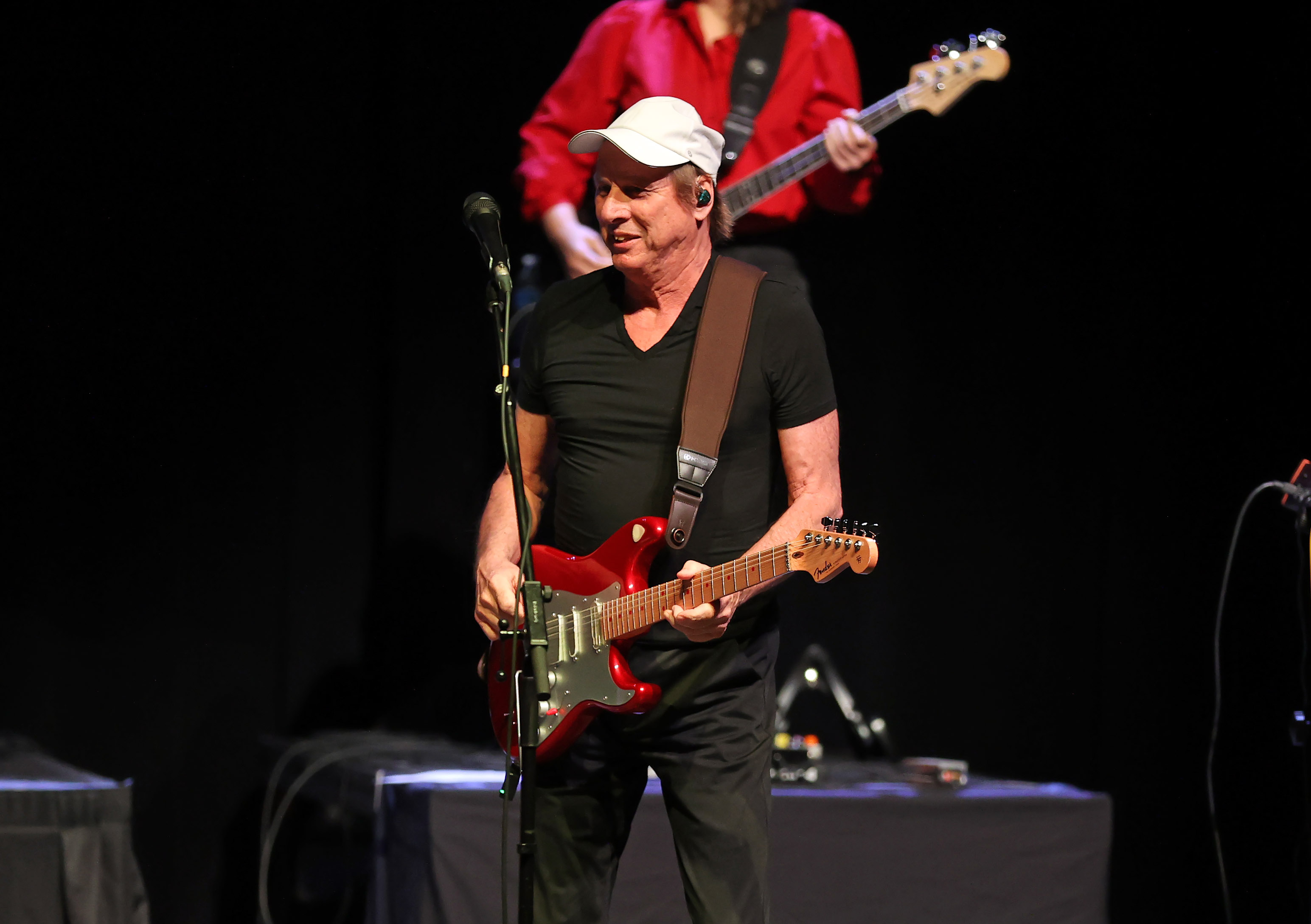
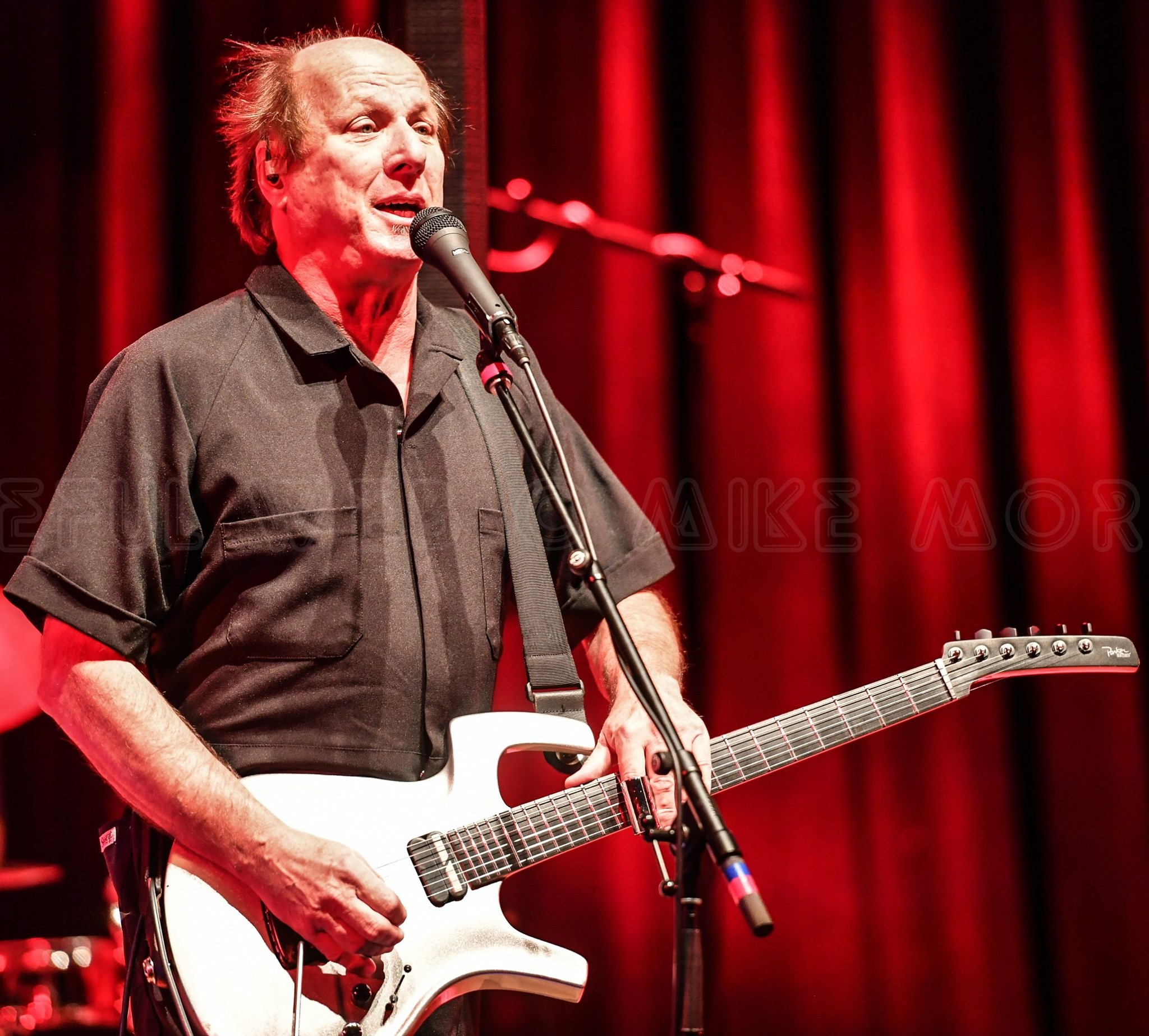
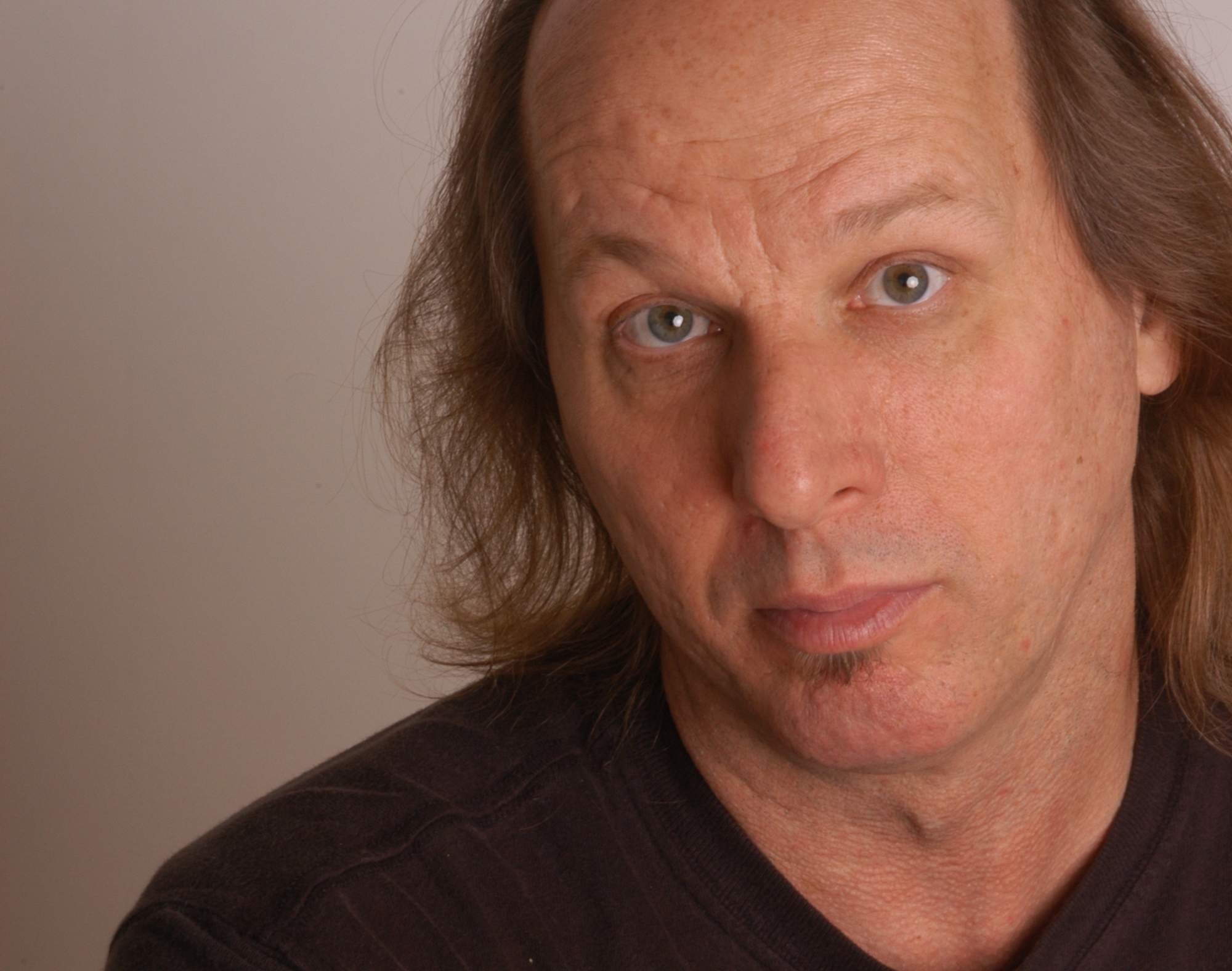
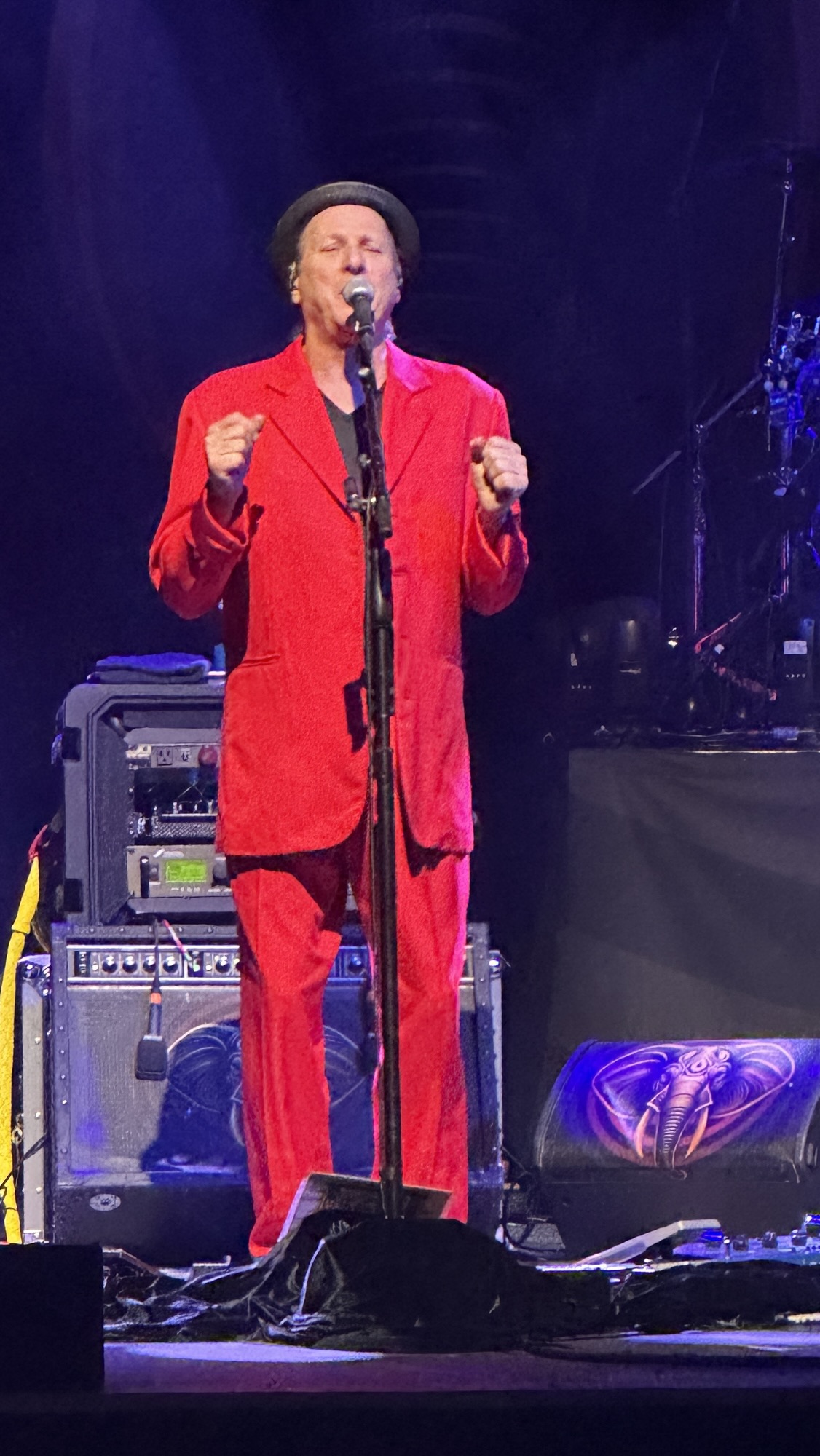
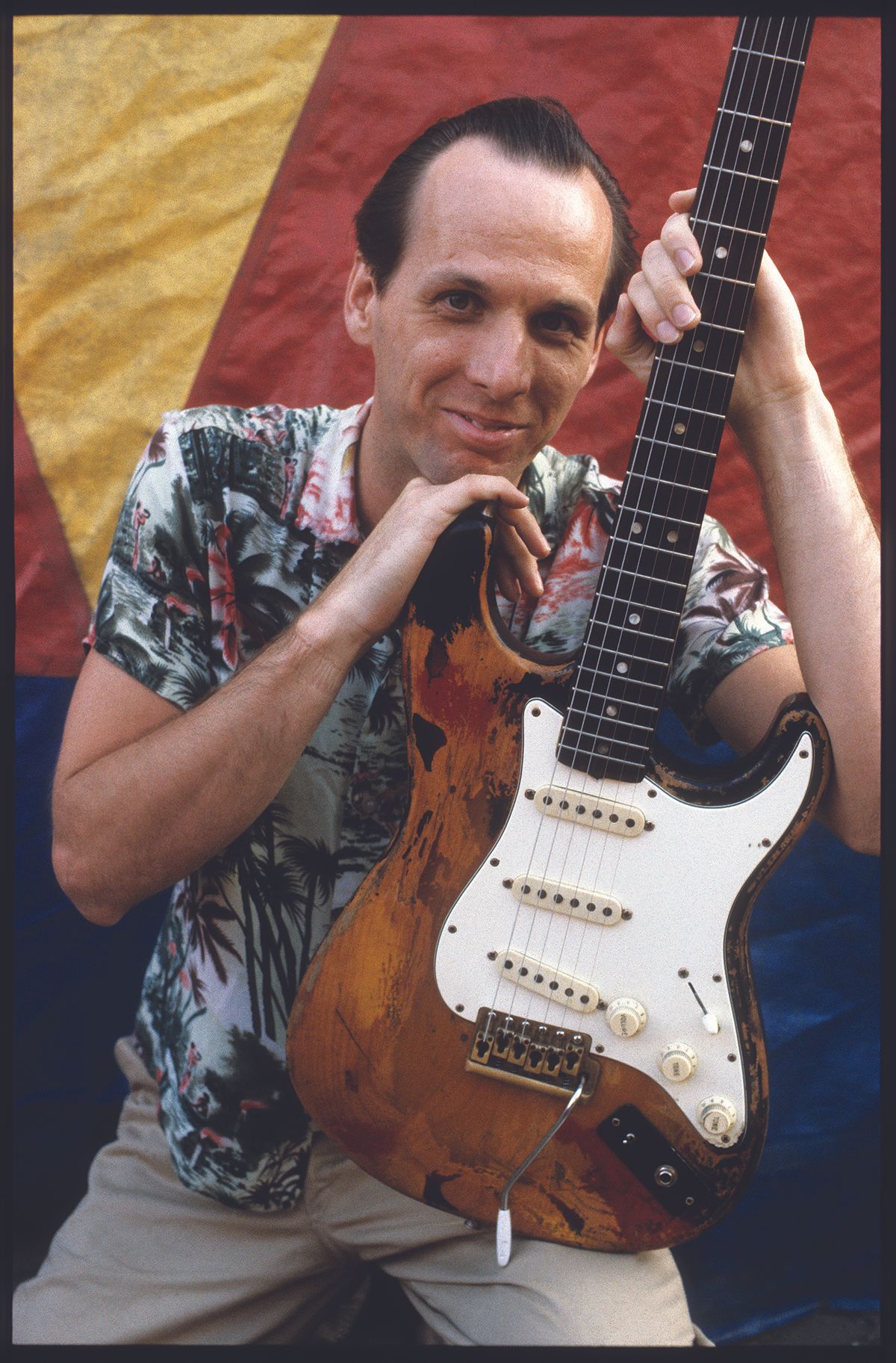
Adrian Belew is a world-renowned American guitarist, singer, songwriter, and producer recognized for his innovative "animal sounds" guitar technique and his roles in King Crimson, Talking Heads, and Frank Zappa’s band. This complete guide details his four-decade career, technical contributions to music technology, and his 2026 status as a progressive rock icon.
The Formative Years: Discovery by Zappa and Bowie
Born Robert Steven Belew in 1949, the musician later adopted the name "Adrian." His professional trajectory shifted dramatically in the late 1970s when Frank Zappa discovered him playing in a cover band called Sweetheart in Nashville. Zappa’s rigorous rehearsals and demanding compositions provided Belew with a "musical boot camp" that defined his professional discipline.
Belew’s work on Zappa's 1979 album Sheik Yerbouti, particularly on tracks like "City of Tiny Lites," showcased his ability to blend soulful vocals with unconventional guitar textures. However, his tenure with Zappa was relatively short. During a performance in Berlin, David Bowie witnessed Belew’s prowess and famously "poached" him for the "Isolar II" tour.
His collaboration with Bowie resulted in some of the most adventurous guitar work of the late 1970s. Belew contributed significantly to the Lodger album (1979), most notably on the track "Boys Keep Swinging." His style during this era was characterized by a lack of traditional blues-rock clichés, favoring instead a jagged, expressive, and often chaotic sonic palette that perfectly complemented Bowie’s Berlin Trilogy aesthetic.
The Talking Heads and the Expansion of Art Rock
In 1980, Belew joined Talking Heads as a touring member during the Remain in Light era. This period marked a transition toward a more polyrhythmic, Afrobeat-influenced sound. Belew’s role was to provide "controlled chaos" over the band's tight, rhythmic foundations. His solo on "The Great Curve" remains one of the most celebrated moments in experimental rock history, featuring a rapid-fire, feedback-drenched delivery that few guitarists could replicate.
During this time, Belew also contributed to the Tom Tom Club, a side project formed by Talking Heads members Tina Weymouth and Chris Frantz. His guitar work on their self-titled debut, particularly the hit "Genius of Love," demonstrated his versatility in fitting into dance-oriented and funk-adjacent genres without losing his avant-garde edge.
The King Crimson Era: 1981–2008
The most significant chapter in Belew’s career began in 1981 when Robert Fripp invited him to join a new incarnation of King Crimson. This lineup, which included bassist Tony Levin and drummer Bill Bruford, redefined progressive rock for the 1980s. Belew served as the primary lyricist, lead vocalist, and co-guitarist, bringing a pop-sensibility and "New Wave" energy to the band's complex mathematical structures.
The 1980s Trilogy
The trio of albums released in the early 80s—Discipline (1981), Beat (1982), and Three of a Perfect Pair (1984)—are cornerstones of the progressive genre. In these recordings, Belew and Fripp developed a "gamelan" style of interlocking guitar lines. Belew’s contributions, such as the "elephant" sounds on "Elephant Talk" and the frantic lead work on "Indiscipline," cemented his reputation as a sonic architect.
The Double Trio and Beyond
After a hiatus, King Crimson returned in 1994 as a "double trio," adding Pat Mastelotto and Trey Gunn. This era saw Belew navigating even denser arrangements on albums like THRAK (1995) and The Power to Believe (2003). Belew remained a focal point of the band until 2008. While he was not part of the later eight-man "Radical Action" lineups, his influence on the band's repertoire remains undeniable. In 2024 and 2025, Belew reclaimed this legacy by touring with the "BEAT" supergroup alongside Steve Vai, Tony Levin, and Danny Carey, performing 1980s Crimson material to critical acclaim.
Solo Career and The Bears
Parallel to his work with major bands, Belew has maintained a prolific solo career. His debut solo album, Lone Rhino (1982), featured "The Momur," a track that highlighted his quirky lyrical sense and signature guitar effects. Throughout the 80s and 90s, Belew balanced experimentalism with accessible pop-rock.
- Lone Rhino (1982): A blend of experimental rock and quirky pop.
- Twang Bar King (1983): Focused on his unique use of the tremolo arm.
- Mr. Music Head (1989): Contained the hit "Oh Daddy," featuring his daughter Audie.
- Young Lions (1990): Featured collaborations with David Bowie on "Pretty Pink Rose."
Belew also formed The Bears in the mid-1980s with members of the band The Raisins. The Bears allowed Belew to explore more traditional power-pop structures, emphasizing vocal harmonies and melodic songwriting, providing a contrast to the high-concept complexity of King Crimson.
Technical Innovations and the FLUX Project
Adrian Belew’s impact extends beyond performance into the realm of music technology. For decades, he was the primary ambassador for the Parker Fly guitar, a lightweight, carbon-fiber reinforced instrument that allowed for extreme tremolo use and integrated piezo pickups for acoustic sounds.
In the 2010s, Belew pivoted toward digital innovation with the FLUX by Belew app. FLUX was an "ever-changing" music experience designed for mobile devices. It used a randomized playback engine so that no two listening experiences were exactly the same, incorporating hundreds of snippets of music, art, and sound effects. This project reflected Belew’s lifelong dissatisfaction with the static nature of recorded albums and his desire to embrace the randomness of creativity.
Key Equipment and Signature Sounds
| Category | Primary Gear/Technique | Notable Use Case |
|---|---|---|
| Guitars | Parker Fly Signature, Stratocaster | King Crimson "Discipline" era |
| Effects | Roland GR-500/GR-700 Guitar Synth | "Elephant Talk" animal sounds |
| Technique | Extreme Tremolo ("Twang Bar") | "The Lone Rhino" |
| Software | FLUX by Belew App | Experimental digital composition |
| Modeling | Line 6 Variax / Axe-FX | Modern touring rigs (2020s) |
Collaborative Impact and Session Work
Belew’s "guitar-for-hire" resume is one of the most impressive in the industry. Beyond Zappa, Bowie, and Talking Heads, he has contributed to albums by:
- Nine Inch Nails: His textures can be heard on The Downward Spiral, The Fragile, and Hesitation Marks. Trent Reznor has frequently cited Belew’s ability to create sounds that do not resemble guitars as a primary reason for their collaboration.
- Paul Simon: Belew contributed to the landmark Graceland album, providing subtle but essential textures.
- Cyndi Lauper: Adding a rock edge to pop sensibilities.
- Tori Amos: Contributing to the atmospheric depth of her mid-career works.
His ability to adapt his "voice" to fit disparate genres—from industrial metal to world-beat pop—makes him a unique figure in session history. He doesn't just play guitar; he provides a "sonic environment."
Current Status and the BEAT Tour (2026 Perspective)
As of 2026, Adrian Belew remains a vital force in the progressive music scene. The momentum generated by the 2024-2025 BEAT tour has led to a resurgence of interest in his 1980s King Crimson catalog. This tour was significant not only for its high-caliber lineup but because it received the "blessing" of Robert Fripp, effectively bridging the gap between Belew’s past and his current creative endeavors.
In the current year, Belew continues to release music through digital platforms and remains active in the "Camp Belew" guitar clinics, where he mentors the next generation of experimental musicians. His focus has shifted toward high-definition audio and immersive sound experiences, continuing the trajectory he started with the FLUX project.
Frequently Asked Questions
Why is Adrian Belew often called an "animal sounds" guitarist?
Belew earned this nickname due to his uncanny ability to mimic the sounds of elephants, seagulls, rhinoceroses, and other wildlife using a guitar and effects. He achieved this through a combination of volume swells, harmonic feedback, and precise use of the tremolo (whammy) bar, most famously heard on King Crimson's "Elephant Talk."
Is Adrian Belew still a member of King Crimson?
While Belew was the frontman of King Crimson for nearly three decades (1981–2008), he is not a member of the most recent touring iterations led by Robert Fripp. However, the two musicians remain on good terms, and Belew’s 2024/2025 "BEAT" tour was specifically designed to celebrate his era of the band.
What is the FLUX by Belew project?
FLUX is a multi-platform app and musical concept where songs and sounds are presented in a non-linear fashion. Instead of a fixed tracklist, the software shuffles snippets of audio, ensuring that the listener never hears the same sequence twice. It represents Belew’s vision for the future of "liquid" music.
What guitars does Adrian Belew use in 2026?
Belew has moved between various instruments over the years but is most closely associated with the Parker Fly. In recent years, including 2026, he has utilized heavily modified Stratocasters equipped with Sustainiac pickups and digital modeling hardware like the Fractal Audio Axe-FX to recreate his complex studio tones on stage.
Did Adrian Belew play on Paul Simon's Graceland?
Yes, Adrian Belew contributed guitar synthesizers and textures to the Graceland album. While his role was more atmospheric than the prominent African guitarists on the record, his "musical painting" approach helped bridge the gap between Simon's folk-pop roots and the album's experimental world-music production.
Exploring the Belew Discography
For those looking to understand the breadth of Belew's work, a chronological approach is recommended. Start with Frank Zappa’s Sheik Yerbouti to hear his raw talent, then move to King Crimson’s Discipline to understand his peak collaborative years. Finally, explore solo works like Side One or e for a deeper look into his personal experimental philosophy. His career serves as a blueprint for how a technical virtuoso can remain commercially relevant while never sacrificing their avant-garde spirit.