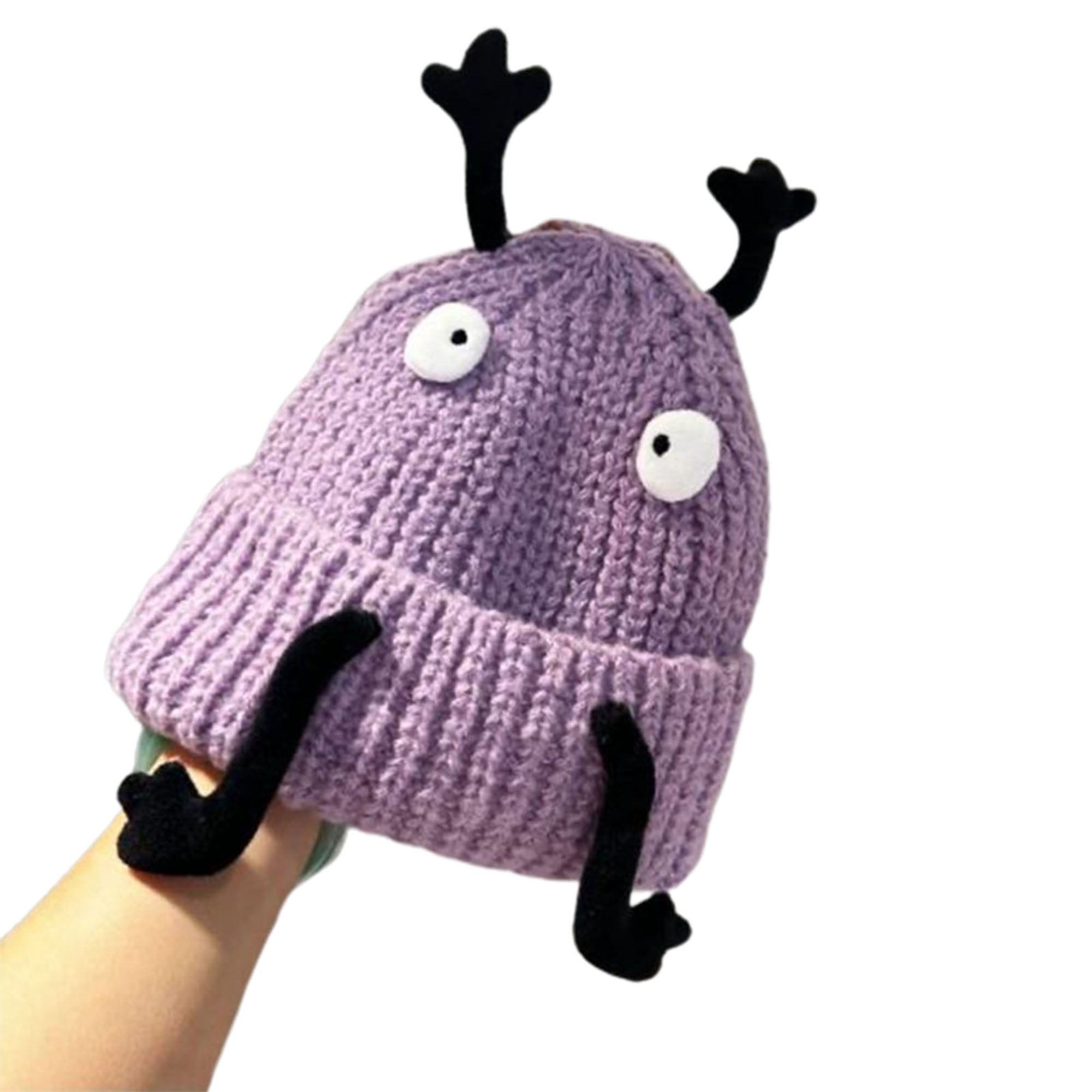
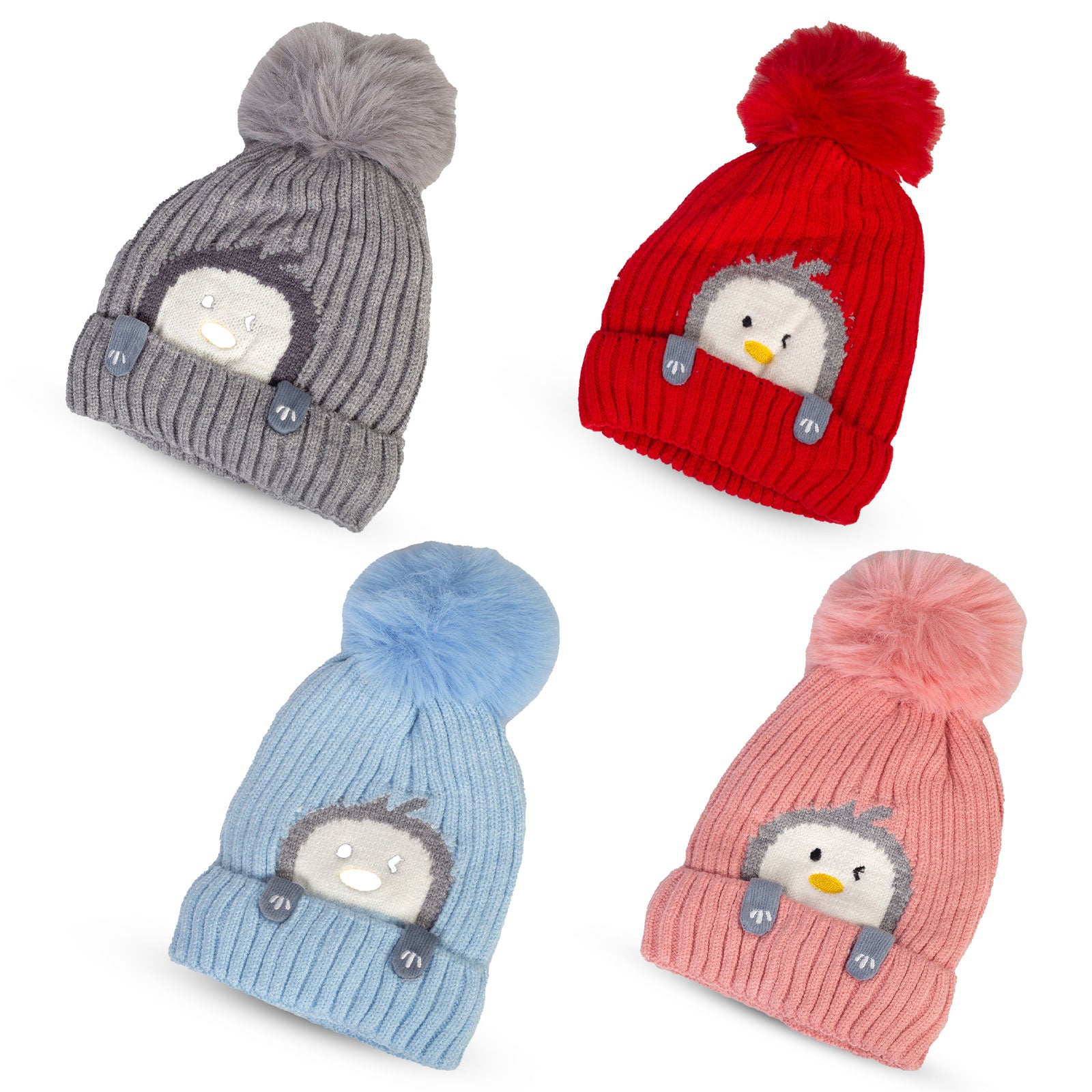
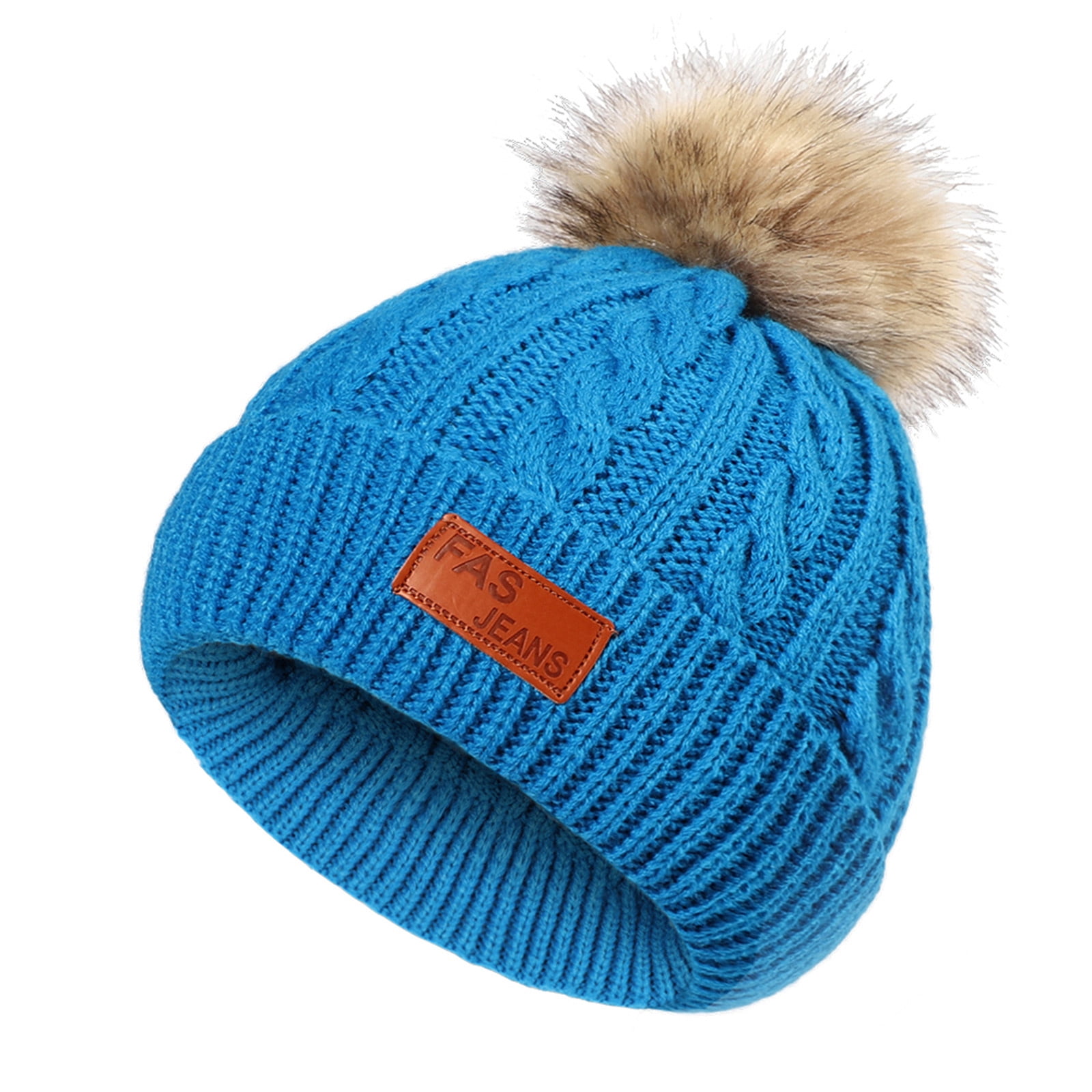
Selecting adorable cute little hats for styleable kids involves balancing aesthetic appeal with functional requirements like UV protection, thermal regulation, and hypoallergenic materials. In 2026, the trend focuses on sustainable textiles—such as bamboo linen and recycled cashmere—paired with vintage-inspired silhouettes like structured bonnets and soft-brimmed bucket hats. The ideal choice provides a secure yet gentle fit that complements a child's outfit while prioritizing their comfort and skin health.
The Evolution of Children’s Headwear in 2026
The landscape of children’s fashion has undergone a significant transformation. No longer are hats merely utilitarian items designed to shield eyes from the sun or ears from the frost. In 2026, the "styleable kid" movement emphasizes self-expression and curated aesthetics that mirror adult high-fashion trends while remaining age-appropriate.
Modern parents and stylists are moving away from disposable, fast-fashion accessories in favor of "heirloom-quality" headwear. This shift is driven by a heightened awareness of textile sustainability and the desire for pieces that can be passed down through siblings or preserved as keepsakes. The "cute" factor remains paramount, but it is now defined by sophisticated textures, muted "earth-tone" palettes, and intentional design details like hand-embroidered motifs or adjustable hidden toggles for prolonged use.
Essential Hat Styles for Every Age and Occasion
Understanding the variety of hat styles available is the first step in building a functional and fashionable wardrobe for a child. Each style serves a specific purpose and suits different developmental stages.
Heritage Bonnets for Infants and Toddlers
Bonnets have seen a massive resurgence in 2026. Unlike the stiff, lace-heavy versions of the past, modern bonnets are crafted from breathable organic cotton or silk blends. They are particularly favored for styleable infants because they provide full ear coverage and stay securely fastened under the chin, preventing the frequent "lost hat" syndrome common with beanies. For toddlers, the "pixie" style bonnet—featuring a pointed crown—adds a whimsical, photogenic element to everyday outfits.
Structured Mini-Fedoras and Boaters
For formal events or high-fashion street style, structured hats like fedoras and boaters offer a polished look. In 2026, these are often made from flexible paper-straw or cruelty-free wool felt. The key to these hats is the internal adjustable band, which allows the hat to sit comfortably on a growing head without slipping. These pieces are often the "statement" item in a child’s ensemble, paired best with minimalist linen rompers or tailored coats.
The Modern Bucket Hat
The bucket hat remains a staple for its versatility. In 2026, technical advancements in fabric have introduced "smart-cool" liners that pull heat away from the scalp. Style-wise, look for wide, sloping brims that offer 360-degree sun protection. For the styleable kid, reversible bucket hats featuring a bold print on one side and a solid neutral on the other provide two looks in one, making them a favorite for travel and outdoor play.
Material Matters: Safety and Sustainability in 2026
When choosing headwear for children, the material composition is as important as the design. A child's skin is significantly thinner and more sensitive than an adult's, making them more susceptible to contact dermatitis and heat rashes.
- Bamboo Linen: This fabric has become the gold standard for summer headwear in 2026. It is naturally antimicrobial, moisture-wicking, and provides a soft, silk-like texture that doesn't irritate the forehead.
- Organic Pima Cotton: Known for its long-staple fibers, Pima cotton is incredibly durable. It is ideal for daily-wear beanies and bonnets as it resists pilling and stays soft through dozens of machine washes.
- Recycled Merino Wool: For winter styling, recycled Merino is the preferred choice. It offers superior insulation even when damp and is much less "itchy" than traditional sheep's wool, which is critical for children with sensory sensitivities.
- UPF 50+ Certified Textiles: In 2026, most high-end children's hats include built-in Ultraviolet Protection Factor (UPF). This is a non-negotiable feature for sun hats, ensuring that the fabric itself blocks 98% of the sun's rays.
Technical Specifications and Sizing Verification
A common mistake when purchasing hats for kids is relying solely on age-based sizing (e.g., "2-4 years"). Children's head circumferences vary wildly. To ensure an adorable fit that isn't too tight or dangerously loose, always measure the head using a flexible tape measure, starting about 1 cm above the eyebrows and passing over the fullest part of the back of the head.
| Hat Type | Best Age Range | Primary Material | Key Benefit |
|---|---|---|---|
| Pixie Bonnet | 0–24 Months | Organic Cotton | Secure fit; protects ears from wind. |
| Wide-Brim Straw | 2–6 Years | Paper Straw/Raffia | Maximum UV protection; high breathability. |
| Slouchy Beanie | 1–10 Years | Bamboo/Spandex Blend | High comfort; sensory-friendly; versatile style. |
| Mini-Beret | 3–8 Years | Vegan Wool Felt | High fashion aesthetic; great for photography. |
| Technical Cap | 4–12 Years | Recycled Nylon | Durable for sports; quick-drying properties. |
Styling Tips for the Fashion-Forward Child
Creating a cohesive look with a hat requires an understanding of balance and color theory. For a "styleable" look, the hat should either harmonize with the outfit or serve as a deliberate contrast.
- Monochromatic Layering: Pair a cream-colored knit beanie with an oatmeal-toned sweater and tan trousers. This creates a high-end, editorial look that is popular in 2026.
- Textural Contrast: If the child is wearing a smooth cotton dress, add a textured straw hat or a chunky cable-knit bonnet to add visual interest to the silhouette.
- Proportion Control: For very young children with smaller frames, avoid overly large brims that can "swallow" their features. Opt for "cloche" styles or small-scale brims that frame the face without obscuring it.
Maintenance: Keeping "Adorable" Hats in Pristine Condition
Because children are naturally active, their hats are prone to stains, sweat, and crushing. Proper care ensures the longevity of these fashion investments.
Washing Protocols: Most 2026 high-end hats require gentle care. Hand-washing in cool water with a pH-neutral detergent is recommended for wool and straw. For cotton beanies, use a mesh laundry bag to prevent the hat from losing its shape in the machine.
Reshaping: If a structured hat (like a fedora or sun hat) becomes misshapen, use a handheld steamer to gently warm the fibers. Place the hat on a "hat form" or a stuffed towel to dry in its original shape. Avoid direct sunlight during the drying process, as this can fade the delicate dyes used in modern eco-friendly textiles.
Frequently Asked Questions
How do I get my toddler to keep a hat on?
The "hat-on" struggle is best managed by introducing headwear early and choosing styles with comfortable fasteners. In 2026, many brands use soft-stretch chin straps or "no-snag" Velcro that doesn't catch on hair. Consistency is key; if the hat is presented as a non-negotiable part of "going outside," most toddlers will eventually accept it as part of their routine.
Are vintage-style bonnets safe for sleeping?
No. While bonnets are adorable and functional for daytime wear, they should never be worn while a child is sleeping. The chin straps or ties pose a significant strangulation risk. Always remove all headwear, including headbands and beanies, before placing a child down for a nap or nighttime sleep, as per the American Academy of Pediatrics (AAP) safety guidelines.
What is the difference between SPF and UPF in hats?
SPF (Sun Protection Factor) measures the effectiveness of sunscreens on the skin, whereas UPF (Ultraviolet Protection Factor) measures the amount of UV radiation that can penetrate a fabric. A hat with a UPF 50+ rating is essential for styleable kids who spend time outdoors, as it provides a physical barrier that doesn't wear off like topical sunscreen.
How often should I replace my child’s hat?
A child’s head grows most rapidly in the first three years. On average, you may need to increase the hat size every 6 to 9 months for infants and toddlers. For older children, a well-made hat with an adjustable internal band may last 2 to 3 years. Always check for signs of tightness, such as red marks on the forehead, which indicate it is time to size up.
Can hats help kids with sensory processing issues?
Yes. Many styleable kids with sensory sensitivities benefit from specific types of headwear. In 2026, "compression beanies" made from weighted or extra-stretchy fabrics can provide a calming effect. Look for "seamless" construction and tagless designs to ensure the hat doesn't cause irritation or "itchiness."
Building a Versatile Capsule Hat Wardrobe
To ensure your child is prepared for any event while maintaining a high style profile, aim to build a "capsule" collection of three to four essential pieces. Start with a high-quality UPF-rated sun hat for daily outdoor protection, a soft organic cotton beanie for transitional weather, and one "statement" piece such as a beret or a heritage bonnet for special occasions. By focusing on quality over quantity and prioritizing sustainable materials, you can ensure your child looks adorable and stays protected throughout 2026 and beyond.