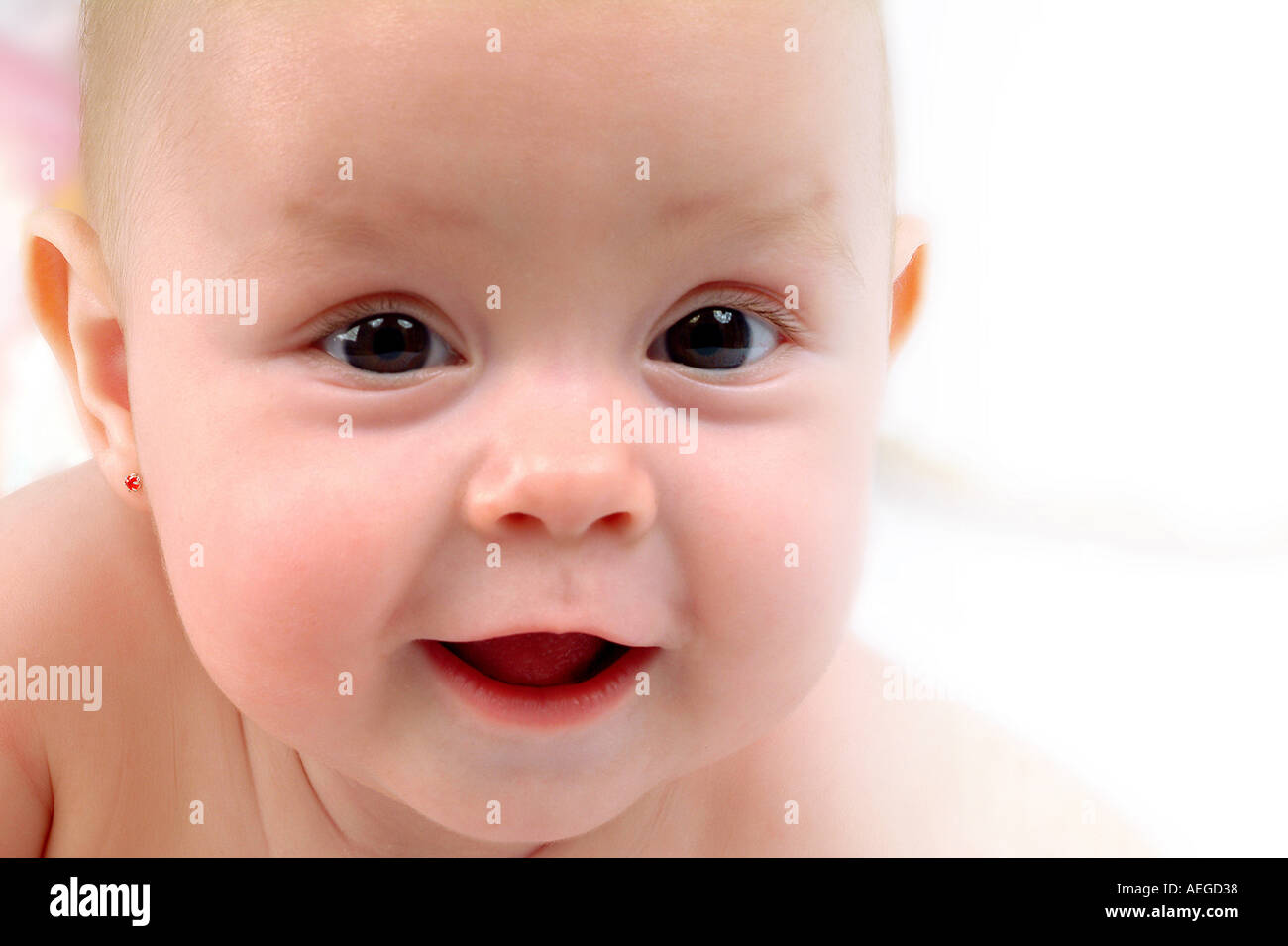
Adorable chubby baby videos featuring cute infants giggling and playing provide a unique blend of entertainment and emotional regulation. These videos are widely available on platforms like YouTube and TikTok, leveraging "baby schema" to trigger positive neurological responses in viewers while documenting essential developmental milestones like social smiling, vocalization, and motor skills.
The Science of "Cute": Why We Love Chubby Baby Videos
The universal appeal of chubby babies is not a coincidence; it is rooted in evolutionary biology. In the mid-20th century, ethologist Konrad Lorenz defined the concept of Kindchenschema (baby schema), a set of physical features—such as a large head, high forehead, big eyes, and chubby cheeks—that humans perceive as "cute." These features serve as an evolutionary mechanism to ensure that adults feel a strong urge to care for and protect helpless infants.
When you watch a video of a chubby infant giggling, your brain undergoes a rapid chemical reaction. The orbitofrontal cortex, the part of the brain involved in decision-making and reward, activates within milliseconds. This triggers a release of dopamine, the same neurotransmitter associated with pleasure and reward. For the viewer, this often results in a "cuteness aggression" response or an immediate uplift in mood. In 2026, researchers continue to study how digital consumption of such content can serve as a non-pharmacological tool for stress reduction in high-anxiety environments.
Chubbiness in infants, often referred to as "baby fat," is physiologically significant. Infants are born with a high percentage of brown adipose tissue, which helps regulate their body temperature. This extra layer of fat gives them their iconic rounded appearance, which, combined with the rhythmic sounds of giggling, creates a highly stimulating sensory experience for the viewer.
Developmental Milestones: Giggling and Interactive Play
While viewers watch these videos for entertainment, the content often captures critical stages of human development. Understanding these milestones adds a layer of depth to the viewing experience, as it allows parents and enthusiasts to recognize the sophisticated cognitive work occurring behind the laughter.
The Emergence of the Social Smile and Laughter
Babies typically begin to show a "social smile" between 6 and 8 weeks of age. However, the deep, belly-shaking giggles seen in viral videos usually emerge around the 3- to 4-month mark. Laughter is a complex cognitive task; it requires the baby to recognize an inconsistency or a "surprise" that is not threatening. For example, the classic game of peek-a-boo is a staple of cute baby videos because it plays on object permanence. When a parent disappears and then reappears, the baby is surprised, and the resolution of that surprise results in a giggle.
Physical Play and Motor Skill Development
Videos of "fat infants playing" often showcase the transition from sedentary observation to active exploration. By 6 to 9 months, babies are usually learning to sit up, crawl, and handle toys. Chubby babies may have a slightly different timeline for certain gross motor skills—such as rolling over—due to their higher body mass, but this is generally a normal variation in development. Watching a baby attempt to grasp a rattle or interact with a family pet demonstrates the development of fine motor skills and hand-eye coordination.
Where to Find Quality Cute Infant Content in 2026
In the current digital landscape of 2026, the way we consume baby videos has shifted toward short-form, high-definition content. While long-form "funny baby compilations" still exist, the majority of engagement happens on platforms optimized for mobile viewing and algorithmic discovery.
| Platform | Content Style | Primary Audience | Key Features for 2026 |
|---|---|---|---|
| TikTok | Short, 15-60 second clips | Gen Z and Millennials | Highly personalized "For You" page; trending audio overlays. |
| YouTube Shorts | High-energy compilations | General Global Audience | Integration with long-form family vlogs; high searchability. |
| Instagram Reels | Aesthetic, high-quality visuals | Parents and Lifestyle Brands | "Collab" posts; focus on high-fidelity video and filters. |
| Private Apps | Secure, family-only clips | Extended Family | End-to-end encryption; no public comments or resharing. |
The growth of AI-curated feeds in 2026 means that users interested in "chubby baby videos" will often see content categorized by specific sub-themes, such as "babies meeting siblings" or "infants trying lemons for the first time." This level of categorization makes it easier to find specific types of joy-inducing content.
Tips for Capturing Your Baby’s Giggles and Play
For parents looking to document their own child’s adorable moments, capturing the perfect "giggling and playing" video requires more than just a smartphone. It involves timing, lighting, and an understanding of the infant’s temperament.
- The "Happy Window": The best time to film is shortly after a nap and a feeding. A well-rested, full baby is significantly more likely to engage in social play and laughter. Avoid filming during the "witching hour" (late afternoon) when babies are often overstimulated.
- Natural Lighting: Avoid using the harsh camera flash, which can startle an infant and cause red-eye. Instead, position the baby near a large window with soft, indirect sunlight. This highlights the "chubby" features and clear skin tones that make these videos so visually appealing.
- Engage, Don't Just Observe: The most viral videos often feature a "straight man"—the parent or sibling who is triggering the laughter. Use repetitive sounds, gentle tickling, or funny faces to elicit a response. In 2026, smartphone cameras have advanced stabilization, but using a small tripod can help you stay in the frame with your baby.
- Audio Quality: The sound of a baby’s giggle is the most important element. Ensure the room is quiet (turn off the TV or dishwasher) so the high-pitched, melodic tones of the infant’s voice are captured clearly.
Ethics and Safety: Protecting Infants in the Digital Age
As we enjoy and share videos of cute infants, it is vital to address the ethical considerations of "sharenting"—the practice of parents highly documenting their children's lives online. In 2026, the conversation around digital consent and privacy has matured significantly.
Digital Footprints and Privacy Settings
Every video uploaded to a public platform contributes to a child's digital footprint. While a video of a chubby baby giggling is innocent, it is permanent. Parents should consider using "Friends Only" settings or specialized private sharing apps like Tinybeans or FamilyAlbum. These platforms allow you to share the joy of your child's growth with grandparents and friends without exposing the child to the broader internet.
The Risk of Data Scraping
One of the primary concerns in 2026 is the use of AI to scrape public images and videos. While platforms have improved their security protocols, any public content is technically vulnerable. Experts recommend avoiding the use of the child’s full name in captions and being mindful of revealing locations, such as nursery windows or street signs, in the background of play videos.
Content Monetization
Many popular baby videos are monetized by parents or media companies. While this can provide a college fund for the child, it also raises questions about labor and the child's future right to privacy. Some jurisdictions have begun implementing "Coogan-style" laws for social media, ensuring that children who are the stars of viral content receive a portion of the earnings.
Trends in Viral Baby Content for 2026
The landscape of "cute infant" media continues to evolve with new trends that emphasize different aspects of babyhood.
- ASMR Giggles: High-fidelity audio focused on the soft sounds of a baby’s breathing, bubbling, and laughing. These videos are often used by adults as a relaxation aid.
- Cultural Celebrations: A rise in videos showing chubby babies in traditional cultural attire, giggling during specific ceremonies or holiday celebrations. This adds a layer of educational value to the "cuteness."
- Multi-Generational Play: Videos featuring "Great-Grandparents and Babies" have seen a massive surge in popularity. The contrast between the elderly and the infant emphasizes the cycle of life and the universal nature of laughter.
- Pet Interactions: Always a staple, but with a focus on "gentle giants"—large dogs being extraordinarily patient with chubby infants who are learning to pet or crawl near them.
Creating a Sustainable Digital Archive
Instead of focusing solely on viral potential, parents should prioritize creating a sustainable digital archive for their children. This means moving beyond social media platforms, which may change or disappear over time.
For those who love watching these videos, the "Search and Save" method is recommended. Rather than following thousands of accounts, curate a small list of high-quality "joy creators" who prioritize the well-being of their children. This ensures your feed remains a source of genuine happiness rather than a repetitive cycle of over-edited content.
Frequently Asked Questions
Are chubby babies healthier than thinner babies?
Infant "chubbiness" is usually a normal part of development, as babies need fat stores for rapid brain growth and energy. While a rounded appearance is common, health is determined by a pediatrician tracking growth curves over time, rather than a single visual metric. A baby’s health is measured by their ability to reach milestones, their hydration, and their overall activity levels.
When do babies start laughing out loud?
Most infants begin to laugh between 3 and 4 months of age. Initial laughter is often a response to physical stimuli, like tickling or blowing "raspberries" on their tummy. As they develop cognitively, they begin to laugh at social cues, such as funny faces or the game of peek-a-boo.
Is it safe to watch baby videos on TikTok and YouTube?
Generally, yes, these platforms are safe for viewers. However, the algorithm may occasionally serve content that is overly commercialized. To see the best "giggling and playing" videos, interact with high-quality, verified parenting creators and use specific search terms to refine your feed toward wholesome content.
How can I make my baby laugh for a video?
The most effective way to elicit a giggle is through "expectancy violation." This involves creating a predictable pattern and then safely breaking it. For example, say "I'm gonna get you..." slowly and then quickly (and gently) touch their toes. Repetition is key, as babies find comfort and humor in knowing what might happen next.
What should I do if I want to stop sharing my baby’s videos?
You have the right to delete your content at any time. Most platforms allow you to download your archive before deleting your account. In 2026, many parents are opting for a "digital sunset," where they stop posting public images once a child reaches school age to protect their social identity.
Curating Your Joyful Viewing Experience
If you find that watching "adorable chubby baby videos" significantly improves your mood, consider creating a dedicated "Joy Folder" on your preferred video platform. By saving your favorite clips of infants giggling and playing, you create a personalized resource for stress relief that you can access during difficult workdays or moments of anxiety. As we navigate the complexities of 2026, these small windows into the pure, uninhibited joy of infancy remain a powerful reminder of our shared humanity and the simple beauty of a child’s laughter.