Choosing between adoption and surrogacy depends on a family's specific priorities regarding biological connection, budget, legal certainty, and the desired level of involvement in the pregnancy. While adoption focuses on providing a home for a child already born or expected, surrogacy is a medical and legal arrangement where a surrogate carries a child genetically related to one or both intended parents.
Understanding the Fundamentals of Adoption and Surrogacy
As we move through 2026, the landscape of family building has become increasingly sophisticated, yet the core distinction between adoption and surrogacy remains rooted in the origin of the parental bond. Adoption is the legal process through which a person or couple becomes the legal parent(s) of a child who is not their biological offspring. The process involves the permanent transfer of all parental rights and responsibilities from the biological parents (or the state) to the adoptive parents.
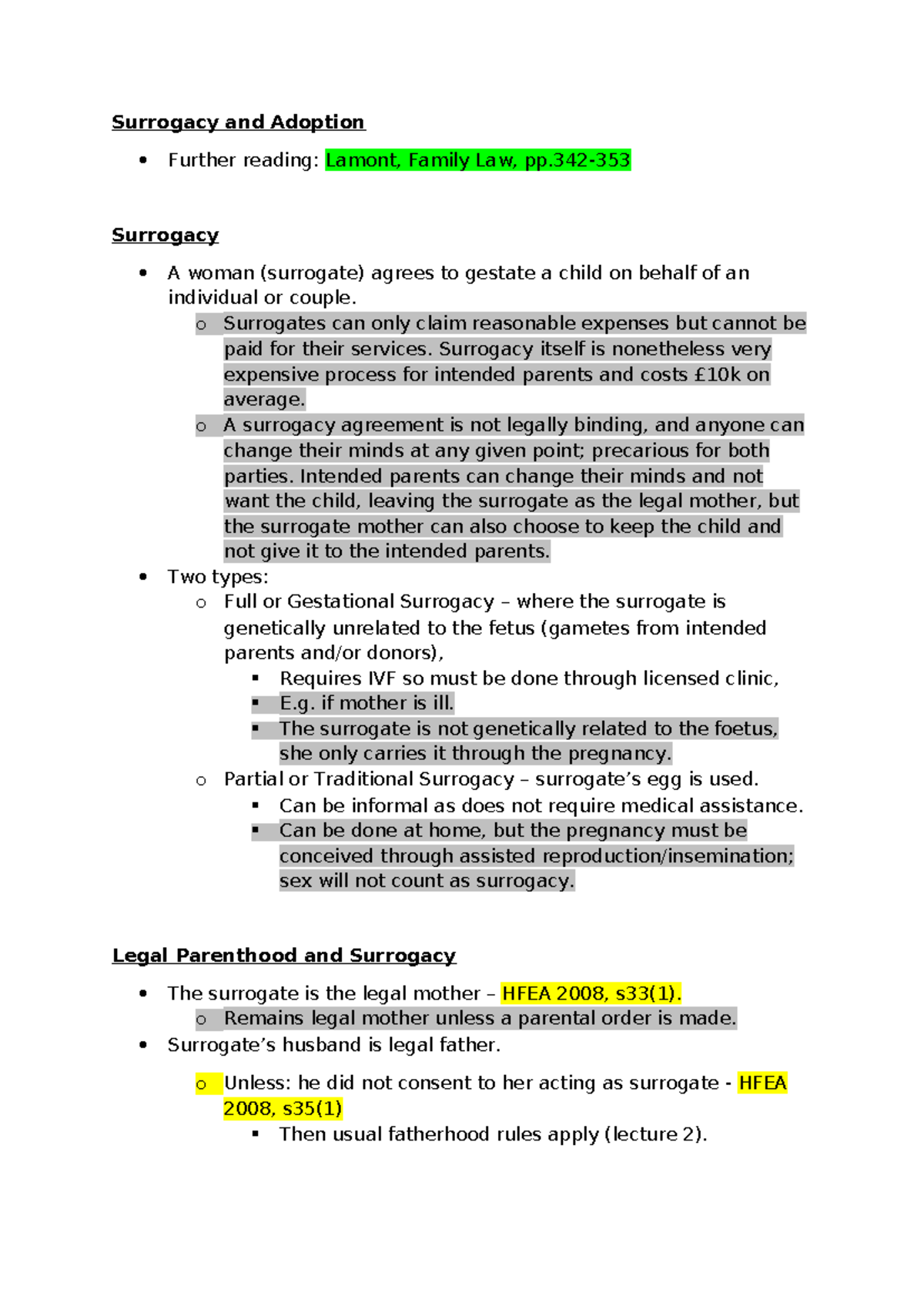
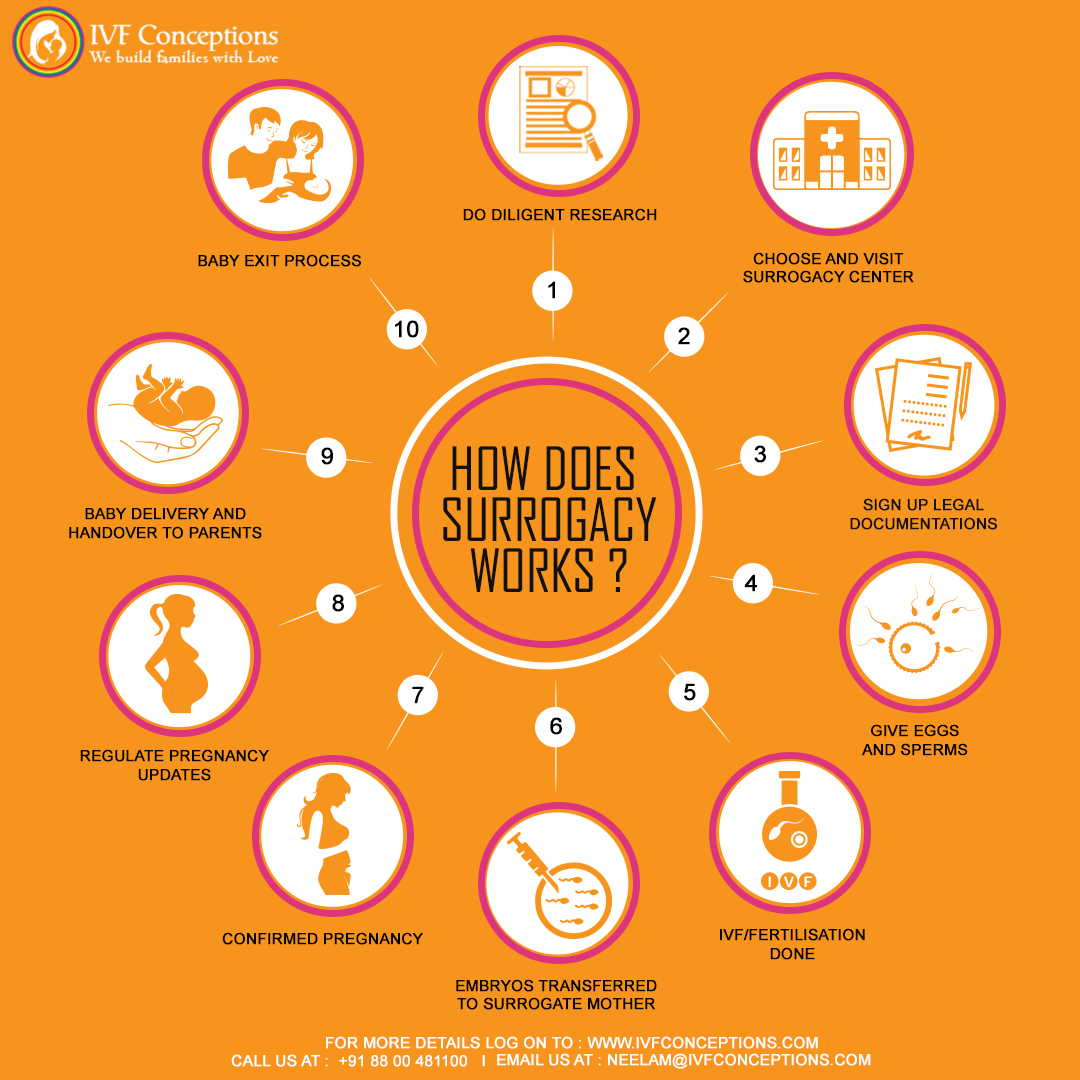
In contrast, surrogacy—specifically gestational surrogacy, which accounts for the vast majority of cases today—is a reproductive arrangement. In this path, a woman (the surrogate) carries a pregnancy for intended parents. Through In Vitro Fertilization (IVF), embryos are created using the eggs and sperm of the intended parents or donors and then transferred to the surrogate’s uterus. Crucially, in gestational surrogacy, the surrogate has no genetic link to the child.
Both paths require significant emotional resilience, but they cater to different needs. Adoption is often driven by a desire to provide a stable environment for a child in need, whereas surrogacy is frequently chosen by those who feel a strong pull toward maintaining a biological lineage or who wish to be involved in the developmental process from the moment of conception.
Navigating the Legal Framework and Parental Rights
The legal journey for both paths is rigorous, though the timing of legal finalization differs significantly. In 2026, legal protections for all parties involved have become more standardized in many jurisdictions, but "legal "remains the most critical word in the entire process.
The Adoption Legal Process
In adoption, the legal focus is on the Termination of Parental Rights (TPR). Before an adoption can be finalized, the biological parents must legally relinquish their rights. In domestic infant adoption, this cannot happen until after the child is born, and many states have a "revocation period" during which a birth parent can change their mind. This creates a period of legal risk for the adoptive parents. Once the revocation period passes and the court issues an adoption decree, the adoptive parents are the sole legal guardians, and a new birth certificate is issued.
The Surrogacy Legal Process
Surrogacy law is governed by contracts established before a pregnancy even begins. In "surrogacy-friendly" jurisdictions, intended parents can often obtain a Pre-Birth Order (PBO). This legal document instructs the hospital and the vital records office to place the intended parents' names on the birth certificate immediately upon delivery. Because the surrogate has already signed a contract waiving any claim to the child and the child is genetically related to the intended parents, the legal "transfer" of the child is usually more predictable than in adoption. However, it requires intensive upfront legal work to ensure the surrogate's rights are protected and the intended parents' status is secure.
Comparing the Financial Commitment and Costs
The financial disparity between adoption and surrogacy is often the deciding factor for many families. While both involve significant investments, the nature of these expenses varies.
Costs Associated with Adoption
The cost of adoption varies wildly depending on the type of adoption chosen. In 2026, the following averages generally apply:
- Foster Care Adoption: Often costs near zero. The state frequently provides subsidies to assist with the child's needs and covers legal fees.
- Domestic Infant Adoption: Typically ranges from $40,000 to $70,000. These fees cover agency services, home studies, birth mother expenses (where legal), and legal representation.
- International Adoption: Can range from $35,000 to $65,000, with additional costs for travel and foreign program fees.
Costs Associated with Surrogacy
Surrogacy is almost universally more expensive due to the medical technology and compensation involved. A typical journey in 2026 costs between $120,000 and $220,000. Key cost drivers include:
- IVF and Medical Fees: Creating embryos and the transfer process can cost $30,000 to $60,000.
- Surrogate Compensation: Base compensation for surrogates now often ranges from $50,000 to $80,000, depending on experience and location.
- Agency and Legal Fees: These ensure matching, screening, and contract management, typically totaling $30,000 to $50,000.
- Insurance: Specialized policies to cover the surrogate's pregnancy are a mandatory and significant expense.
Assessing Timelines and Success Predictors
When planning a family, the "when" is often as important as the "how." Both paths involve variables that can shorten or extend the timeline unexpectedly.
Adoption timelines are largely dictated by the "matching" process. In domestic adoption, a birth mother chooses the adoptive family. This can happen in weeks, or it can take several years. There is no way to "guarantee" a match within a specific timeframe because the choice rests entirely with the expectant parents. Furthermore, international adoption timelines are subject to the geopolitical stability and bureaucratic speed of the sending country, which has led to increased wait times in recent years.
Surrogacy timelines are more structured but still lengthy. The process typically takes 18 to 24 months from the initial consultation to the birth of the child. This includes:
- Screening and Matching (3–6 months): Finding a surrogate who meets medical and psychological criteria.
- Legal Contracting (1–2 months): Finalizing the surrogacy agreement.
- Medical Prep and Transfer (2–4 months): Synchronizing cycles and performing the embryo transfer.
- Pregnancy (9 months): The standard gestation period.
While surrogacy has more "controllable" steps, it is dependent on biological success. If an embryo transfer fails, the timeline resets for a second or third attempt.
Practical Comparison: Adoption vs. Surrogacy at a Glance
The following table provides a direct comparison of the key metrics intended parents must consider in 2026.
| Feature | Private Domestic Adoption | Foster Care Adoption | Gestational Surrogacy |
|---|---|---|---|
| Average Cost (2026) | $40,000 – $70,000 | $0 – $5,000 | $120,000 – $220,000 |
| Genetic Connection | None | None | At least one parent (usually) |
| Wait Time | Unpredictable (1–3+ years) | Varies (months to years) | 18–24 months |
| Medical Process | None for intended parents | None for intended parents | Intensive (IVF, hormone prep) |
| Legal Risk | Moderate (Revocation period) | High (Reunification goals) | Low (With proper contracts) |
| Control over Pregnancy | Minimal to None | None | High (Contractual agreements) |
Psychological and Emotional Considerations
The emotional weight of these two paths cannot be overstated. Intended parents must perform an honest self-assessment of their motivations and fears.
In adoption, the concept of "loss" is central. Every adoption begins with a child losing their biological family. Ethical adoption practices in 2026 emphasize "open adoption," where adoptive families maintain some level of contact with birth parents. This requires a high degree of emotional maturity and a willingness to navigate complex identity issues as the child grows. Adoptive parents must be prepared to support their child through questions of heritage and the "why" of their adoption.
In surrogacy, the emotional challenges often center on the clinical nature of the conception and the lack of physical control. Intended parents must trust another woman with the most precious aspect of their lives. While they may have a genetic connection, they miss the physical experience of pregnancy. Additionally, intended parents must be prepared for the ethical considerations surrounding surrogacy, ensuring that their surrogate is treated with dignity, fairly compensated, and provided with top-tier medical care.
Common Obstacles and Troubleshooting
Neither path is without potential hurdles. Identifying these early can help intended parents pivot when necessary.
- Failed Matches in Adoption: A birth mother may decide to parent after the child is born. To manage this, many agencies offer "risk sharing" programs or insurance that helps recover costs if a placement fails.
- Medical Complications in Surrogacy: Not every embryo transfer results in a live birth. Intended parents should ensure they have multiple viable embryos before starting the surrogacy process to avoid the high cost of repeated egg retrievals.
- Changing Regulations: Both adoption and surrogacy are subject to state and national laws that can change. In 2026, it is vital to work only with agencies that have dedicated legal departments to track legislative shifts in real-time.
Frequently Asked Questions
Can I choose the gender of my child in both processes?
In surrogacy, gender selection is possible through Preimplantation Genetic Testing (PGT) during the IVF process. In adoption, you can technically express a preference for a specific gender when being matched, but doing so significantly increases wait times and may be viewed as a restrictive criterion by some agencies.
Is surrogacy legal in all states in 2026?
While surrogacy is widely accepted in the United States, several states still have restrictive laws or do not recognize surrogacy contracts. It is essential to work in "surrogacy-friendly" states like California, Nevada, or Illinois, where the legal framework is well-established to protect intended parents and surrogates alike.
What is a "Home Study" and do I need one for both?
A home study is a mandatory screening process for all adoptive parents, involving background checks, home visits, and interviews by a social worker. In surrogacy, a full home study is generally not required by law, but many agencies perform a "home assessment" or background check to ensure the intended parents provide a safe environment for the child.
How do I know if I’m better suited for adoption or surrogacy?
If your primary goal is to provide a home for a child who needs one and you are comfortable with not having a genetic link, adoption is likely the right path. If having a biological connection to your child and being involved in the pregnancy from day one is a priority, and your budget allows for it, surrogacy may be the better option.
Can a surrogate keep the baby?
In gestational surrogacy, the surrogate has no genetic link to the baby, and the legal contracts signed before the pregnancy establish that she is not the legal mother. In 2026, in states with clear surrogacy laws, it is virtually impossible for a surrogate to legally "keep" the baby, provided the legal requirements were followed correctly.
Determining Your Next Actionable Step
The journey toward parenthood via adoption or surrogacy begins with education and self-reflection. To move forward, your first step should be to schedule a consultation with both a reputable adoption agency and a surrogacy agency. Many firms now offer dual-track information sessions that explain the nuances of each process without bias.
Concurrently, consult with a reproductive endocrinologist if you are considering surrogacy to assess the viability of your genetic material. If adoption is your focus, begin researching home study providers in your state, as this is the "gatekeeper" step for all forms of adoption. By gathering specific data on costs, timelines, and legal requirements in your specific jurisdiction, you can move from the theoretical phase into a concrete plan for building your family.