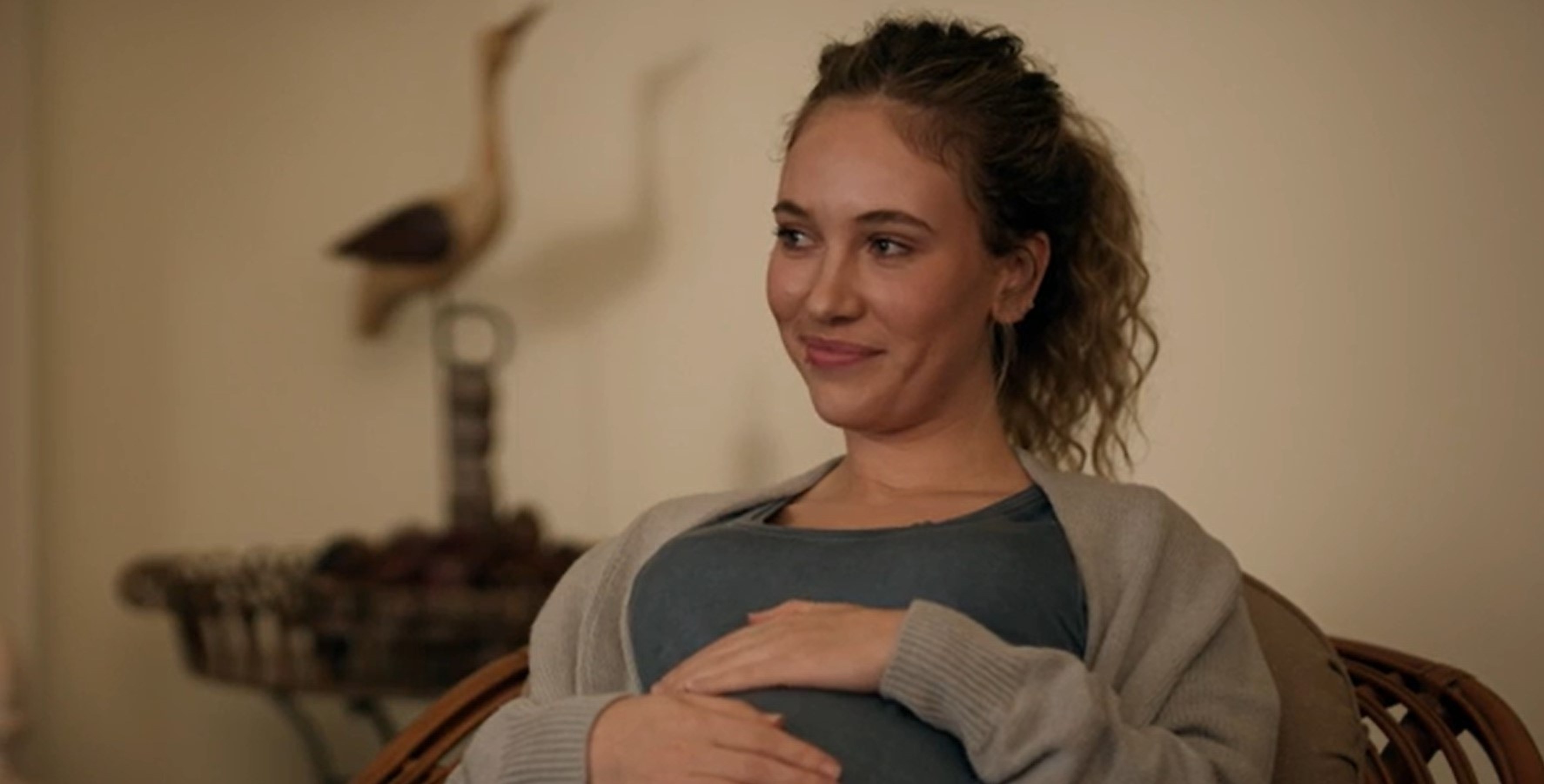
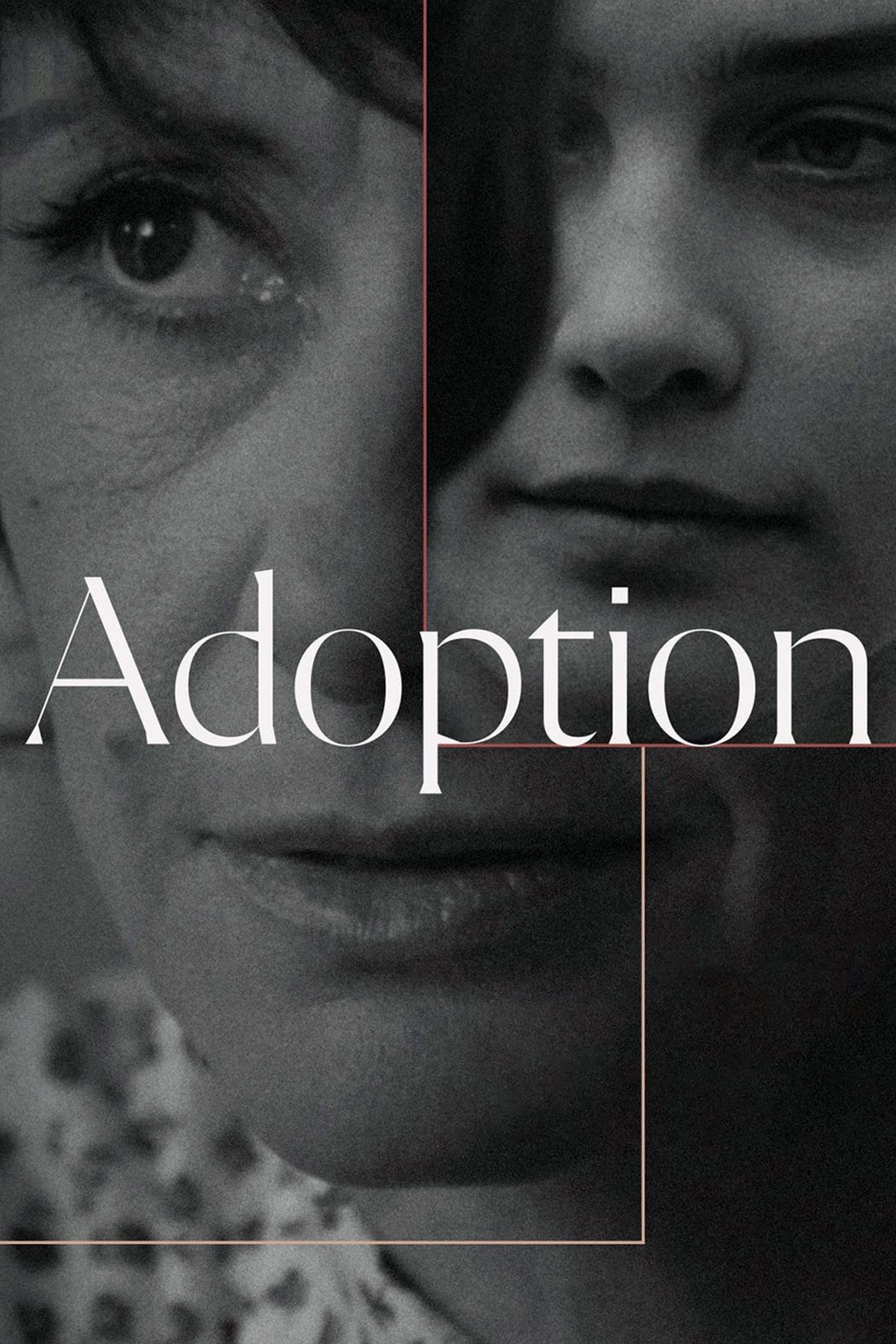
Adoption cinema refers to a distinct subgenre of film and documentary storytelling that centers on the experiences of adoptees, birth parents, and adoptive families. Rather than using adoption as a mere plot device, these films explore the complex psychological, ethical, and social dimensions of family separation and reconstruction, often highlighting themes of identity, trauma, and belonging.
In 2026, the landscape of adoption cinema has transitioned from Hollywood-centric "orphan" tropes to a more global, nuanced, and adoptee-led movement. For decades, cinema treated adoption as either a fairy-tale ending or a tragic beginning. Today, filmmakers prioritize the "own voices" perspective, ensuring that the narratives reflect the lived realities of the estimated 100 million people worldwide who are part of the adoption triad. This article examines the historical shifts, core themes, and essential films that define adoption cinema.
Defining Adoption Cinema and Its Artistic Purpose
Adoption cinema serves a dual purpose: it provides a mirror for those within the adoption community and a window for those outside of it. For adoptees, seeing their unique struggles with "genealogical bewilderment" or cultural displacement on screen can be a profound act of validation. For the general public, these films serve as educational tools that dismantle simplified myths about the "grateful adoptee" or the "heroic adoptive parent."
The genre is characterized by its focus on the "Primal Wound"—a term coined by Nancy Verrier to describe the trauma of separation from the biological mother—and the subsequent quest for self-actualization. Unlike traditional family dramas, adoption cinema must navigate the tension between two sets of parents and two often-conflicting histories. In recent years, the genre has expanded to include the specific challenges of transracial adoption (TRA) and the legal complexities of international adoption, reflecting a growing societal awareness of systemic issues within the industry.
Historical Context: From Tropes to Truth
To understand where adoption cinema stands in 2026, one must look at the trajectory of how displaced children have been portrayed since the early days of film.
The Era of the "Plucky Orphan"
Early cinema relied heavily on the "plucky orphan" archetype, popularized by films like Annie (1982) and various adaptations of Oliver Twist. In these narratives, adoption was frequently portrayed as a rescue mission. The child was a blank slate, and the act of adoption was the "happily ever after" that resolved all previous hardships. These films rarely explored the child's grief or the birth parent's circumstances, effectively silencing the most complex parts of the story in favor of sentimentalism.
The Shift Toward Nuance and Realism
The late 20th and early 21st centuries saw a pivot toward realism. Filmmakers began to acknowledge that adoption is born out of loss. Films like Secrets & Lies (1996) broke new ground by focusing on the adult adoptee’s search for their biological mother, highlighting the class and race tensions inherent in many adoption stories. This era marked the beginning of "Search and Reunion" narratives, which remains one of the most prolific sub-segments of the genre.
Categorizing Subgenres Within Adoption Narratives
Adoption cinema is not a monolith; it is categorized by the specific legal and cultural contexts of the stories being told.
- International Adoption Cinema: These films often focus on the "return trip," where an adoptee travels back to their country of birth. Key themes include language barriers, cultural dissonance, and the ethics of global wealth disparity.
- Transracial Adoption (TRA) Stories: These narratives explore the experience of children raised by parents of a different race. The focus is often on the loss of cultural heritage and the adoptive parents’ (sometimes failing) efforts to navigate racial identity.
- Foster Care and "Aging Out": A more gritty subset of the genre, these films deal with the instability of the foster system and the trauma of multiple placements, often emphasizing the bond between siblings.
- Birth Parent Perspectives: Historically the most neglected part of the triad, modern cinema has begun to explore the "why" behind relinquishment, moving away from the "villainous" or "invisible" birth mother trope.
Major Themes and Critical Lenses
As we analyze adoption cinema in 2026, several recurring themes emerge that challenge audiences to think critically about the nature of family.
Identity and Displacement
For many adoptees, identity is a jigsaw puzzle with missing pieces. Cinema often visualizes this through metaphors of water, mirrors, or travel. The "split-self" is a common motif, where the protagonist imagines the life they would have led had they not been adopted. This is particularly poignant in transracial narratives where the protagonist may feel "too white" for their birth culture and "not white enough" for their adoptive community.
The Search and Reunion Narrative
The "search" is a natural cinematic arc, providing inherent tension and a clear goal. However, modern adoption cinema has moved beyond the reunion itself to explore the "post-reunion" reality. These films examine the disappointment, the linguistic gaps, and the complex emotions that follow the initial embrace, acknowledging that a reunion is an ongoing process rather than a singular event.
Critiquing the System: Ethics and Advocacy
In the last decade, adoption cinema has taken a sharp turn toward social advocacy. Documentaries and scripted features now frequently expose the "adoption-to-deportation" pipeline, the corruption in international adoption agencies, and the coercive practices sometimes used against birth parents in vulnerable positions. By highlighting these systemic failures, cinema becomes a catalyst for legislative change.
Comparative Analysis of Landmark Adoption Films
The following table compares influential films that have shaped the discourse of adoption cinema leading into 2026.
| Film Title | Year | Primary Focus | Perspective | Key Theme |
|---|---|---|---|---|
| Lion | 2016 | International / Search | Adoptee | Technology (Google Earth) and memory as tools for reclamation. |
| Instant Family | 2018 | Domestic Foster-to-Adopt | Adoptive Parent | The balance of humor and trauma in older child adoption. |
| Blue Bayou | 2021 | International / Legal | Adoptee | The "illegal" status of adult adoptees and the threat of deportation. |
| Broker | 2022 | Domestic (South Korea) | Birth Mother/Broker | The ethics of "baby boxes" and the definition of a "chosen family." |
| Return to Seoul | 2022 | International / Identity | Adoptee | The rejection of the "grateful adoptee" trope; chaotic search for identity. |
| The Last Daughter | 2023 | Transracial / Indigenous | Adoptee | The "Stolen Generations" and the intersection of adoption and colonialism. |
Representation and the "Own Voices" Movement
One of the most significant developments in 2026 is the rise of the "Own Voices" movement within adoption cinema. For years, adoption stories were written and directed by non-adoptees, which often resulted in the romanticization of the adoptive parents' journey.
Current trends show a marked increase in adoptee directors (such as Justin Chon and Davy Chou) who bring a visceral, internal logic to the screen. This shift has led to more "uncomfortable" cinema—films that don't end with a neat resolution. These creators prioritize the adoptee's internal monologue and their right to anger, confusion, and ambivalence. This authenticity has resonated not just with the adoption community, but with general audiences seeking complex, character-driven storytelling.
The Role of Documentaries in Exposing Systemic Issues
While scripted features capture the emotional truth, documentaries in adoption cinema serve as the factual backbone. In 2026, the proliferation of streaming platforms has allowed investigative documentaries to reach global audiences.
Films like Found (2021) and Somewhere Between have paved the way for more recent investigative pieces that look into the "re-homing" of children and the lack of oversight in private domestic adoptions. These documentaries often use DNA testing and social media as central plot elements, reflecting how modern technology has fundamentally changed the adoption experience. They also serve as a vital archive for birth parents who were often silenced by the "closed adoption" era of the 20th century.
Frequently Asked Questions
What is the "White Savior" trope in adoption cinema?
The White Savior trope occurs when a film focuses primarily on the altruism and struggles of white adoptive parents who "save" a child of color from a "broken" background. This narrative often minimizes the child's trauma and the birth family's humanity. Modern adoption cinema actively works to deconstruct this by shifting the focus back to the child's perspective and the systemic reasons for their displacement.
Are there adoption films that are safe for young adoptees to watch?
Not all adoption cinema is suitable for children. Many films deal with heavy themes of abandonment and systemic failure. However, films like Instant Family or animated features like Kung Fu Panda 2 and 3 (which deal with biological heritage and "double identity") provide accessible entry points for families to discuss adoption in a supportive environment.
Why is the "return to birth country" such a common theme?
The return trip is a physical manifestation of an internal psychological journey. For international adoptees, the birth country represents the "original" self. Cinema uses these locations to highlight the contrast between the adoptee's upbringing and their heritage, often emphasizing the feeling of being a "foreigner in one's own land."
How has technology changed adoption cinema in recent years?
Technology has moved from a background element to a central character. Films now frequently feature DNA kits, social media sleuthing, and translation apps. This reflects the 2026 reality where the "mystery" of adoption is often solved through a digital footprint, creating new tensions regarding privacy and the speed of reunion.
What is the significance of the "Birth Mother" narrative?
Focusing on the birth mother (or biological parents) humanizes the reasons behind relinquishment—poverty, societal pressure, or lack of resources. By giving the birth parent a voice, cinema challenges the "discarded" status often attributed to them in traditional narratives and explores the lifelong impact of loss on the biological family.
Moving Forward: Engaging with Adoption Cinema
For those looking to engage with this genre, whether as a member of the adoption triad or a film enthusiast, the best approach is to seek out diverse perspectives.
- Prioritize Adoptee-Led Content: Seek out films where adoptees were involved in the writing, directing, or consulting process. This ensures a higher degree of emotional accuracy.
- Look Beyond the "Happily Ever After": Value films that explore the "fog" or the "primal wound." These stories may be more difficult to watch, but they offer a truer representation of the lifelong journey of adoption.
- Use Films as Conversation Starters: For adoptive parents, watching these films can be a way to open a dialogue with their children about their origins, fears, and identities.
- Support Independent and International Features: Many of the most profound adoption stories are currently being told in South Korea, China, and various African nations. These films provide a necessary counter-narrative to Western-centric views of family building.
Adoption cinema in 2026 is no longer just about the act of joining a family; it is about the lifelong process of understanding who one is in relation to the people they came from and the people who raised them.