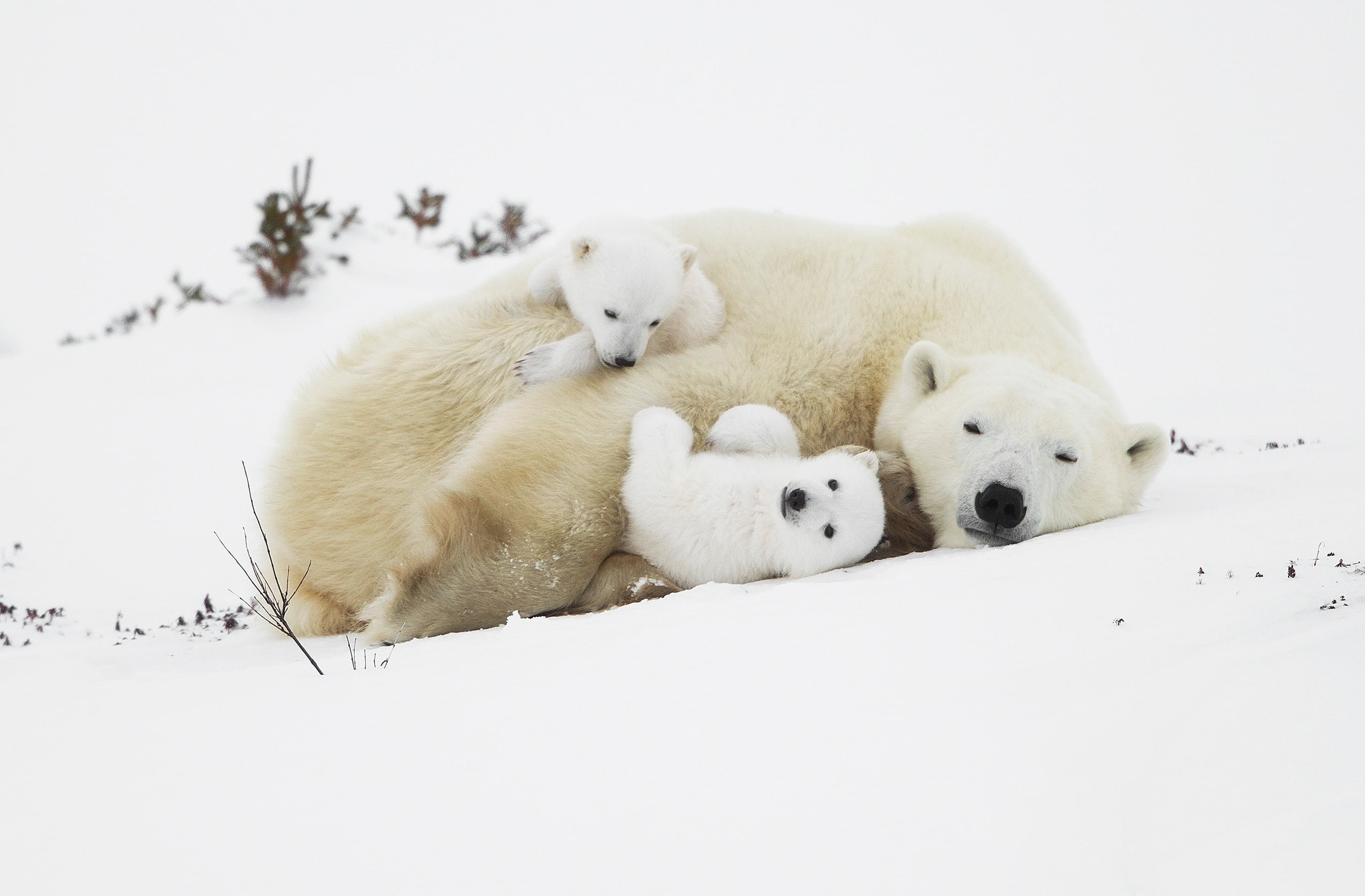
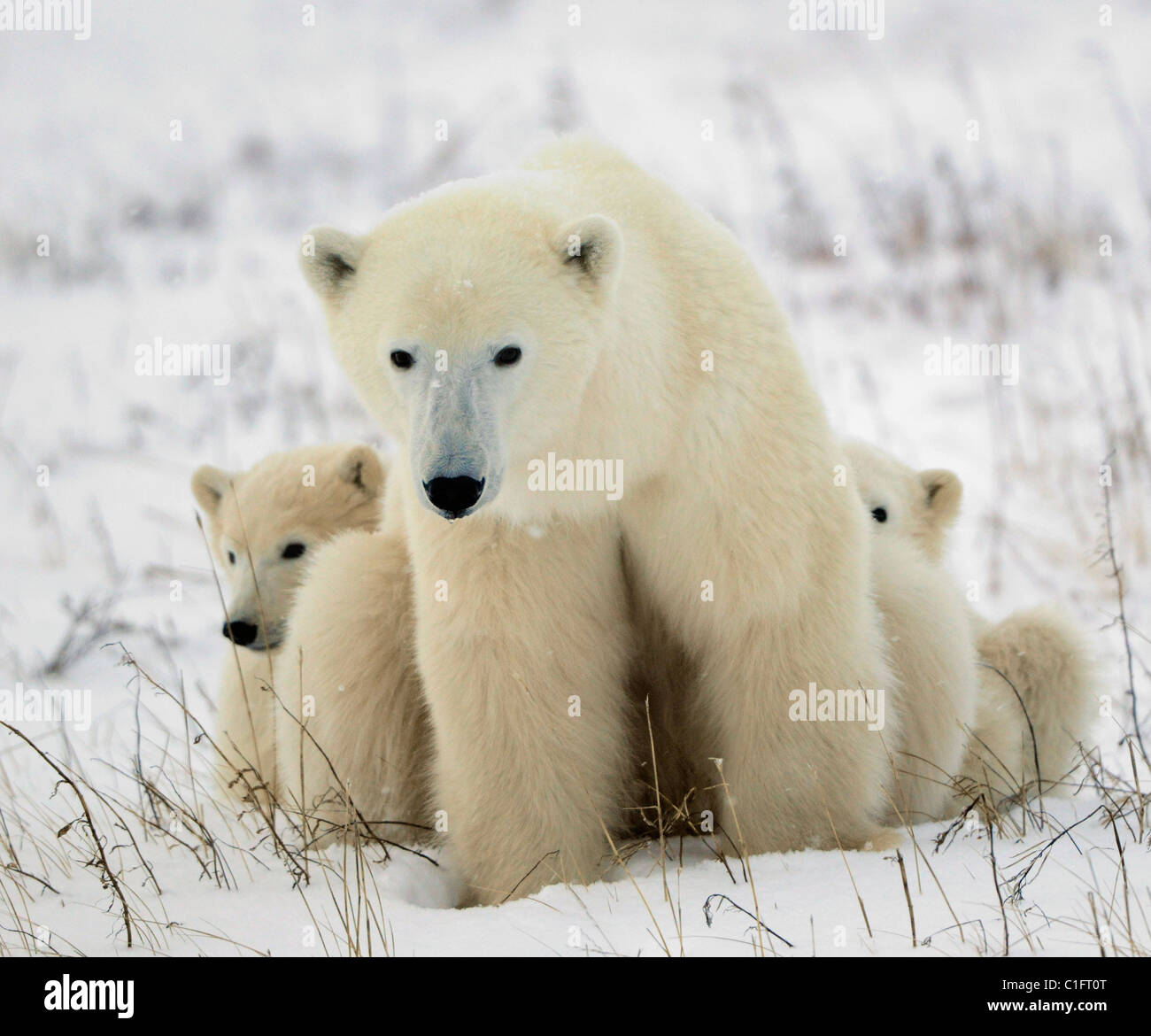
While you cannot legally buy a live polar bear cub for sale as a pet, you can "adopt" one symbolically through reputable conservation organizations. These programs provide funding for habitat protection and research while offering donors "adoption kits" that include plush toys, certificates, and educational materials to support Arctic wildlife preservation.
The Reality of Polar Bear Cubs for Sale: Legal and Ethical Barriers
The search for "cute arctic cubs for sale" often stems from a fascination with the beauty of polar bear cubs, but it is critical to distinguish between symbolic adoption and the physical ownership of an Arctic apex predator. In 2026, the legal framework surrounding the trade of marine mammals remains incredibly strict, making it impossible for a private citizen to purchase or keep a polar bear.
International and National Regulations
Polar bears (Ursus maritimus) are protected under several layers of international and domestic law. Primarily, they are listed under Appendix II of the Convention on International Trade in Endangered Species (CITES). This classification means that any international trade of the species—whether live animals or parts—is strictly controlled to prevent the extinction of the species. In the United States, the Marine Mammal Protection Act (MMPA) goes even further, prohibiting the "take" or import of marine mammals except under very specific permits for scientific research or public display by accredited institutions like zoos and aquariums.
Why Domestic Ownership is Impossible
Even if one could bypass the legal hurdles, the biological requirements of a polar bear cub make domestic ownership a physical impossibility. A cub that weighs 15 pounds at three months will quickly grow into a male weighing up to 1,500 pounds or a female weighing up to 700 pounds. They require specialized diets consisting primarily of marine mammal blubber, territory spanning thousands of square miles, and sub-zero temperatures that a home environment cannot provide. Attempting to keep such an animal would result in severe legal penalties, including heavy fines and imprisonment, as well as the inevitable death or suffering of the animal.
Understanding Symbolic Polar Bear Adoption
Because you cannot buy a cub, the global conservation community has developed "symbolic adoption" as the primary method for individuals to connect with and protect these animals. When you "adopt a polar bear cub" in 2026, you are not taking ownership of a specific bear; instead, you are providing a charitable donation that funds large-scale conservation efforts.
How the Process Works
Most symbolic adoption programs follow a tiered donation structure. Upon selecting a program, the donor contributes a set amount—ranging from $25 to several hundred dollars. In exchange, the organization sends a "gift pack" or "adoption kit." These kits are designed to be educational and are frequently used as gifts for children or wildlife enthusiasts.
Standard Adoption Kit Components
- The Plush Cub: A high-quality, "cute" stuffed animal that serves as the physical representation of the cub you are helping to protect.
- Adoption Certificate: A personalized document stating your name and the date of your contribution.
- Species Information: Maps of polar bear ranges, facts about Arctic ecology, and updates on the specific sub-population your donation is supporting.
- Digital Tracking (Selected Programs): Some premium programs allow donors to follow the movements of a tagged bear in the wild via a mobile app or online portal, providing a real-time connection to Arctic research.
Top Organizations for Symbolic Polar Bear Adoptions in 2026
Choosing where to "adopt" your cub is the most important step in ensuring your money actually reaches the Arctic. Below are the most reputable organizations currently facilitating these programs.
World Wildlife Fund (WWF)
The WWF offers one of the most recognizable adoption programs globally. Their kits are tiered by price, allowing supporters to choose between basic digital adoptions and comprehensive kits that include high-quality plush toys and gift bags. WWF uses these funds to advocate for climate policy, reduce human-bear conflict in Arctic villages, and monitor denning sites.
Polar Bears International (PBI)
PBI is the only non-profit organization dedicated solely to wild polar bears. Their adoption program is highly technical and research-focused. When you adopt through PBI, your funds go directly toward the "Bear Tracker" program and the development of "detect and protect" radar systems that alert communities when a bear is approaching, preventing the need for lethal force.
National Wildlife Federation (NWF)
The NWF focuses on the broader impact of climate change on North American wildlife. Their polar bear adoptions support advocacy work in Washington D.C. and educational outreach programs. Their kits are particularly popular in schools and for younger children due to their high-quality educational posters and magazines.
Comparison of 2026 Polar Bear Adoption Programs
| Organization | Entry Price (USD) | Primary Physical Gift | Key Impact Area | Tracking Included? |
|---|---|---|---|---|
| WWF | $25 - $250 | Plush toy & gift bag | Habitat & Climate Policy | No |
| Polar Bears International | $30 - $500 | Certificate & E-cards | Scientific Field Research | Yes (Select tiers) |
| National Wildlife Fed. | $35 - $150 | Plush toy & Poster | Conservation Education | No |
| Oceana | $40 - $100 | Cookie cutters or Plush | Marine Ecosystem Health | No |
The Cost of True Conservation vs. The "Price" of a Cub
When searching for "cute arctic cubs for sale," it is helpful to understand the actual financial scale of caring for these animals. While a symbolic adoption might cost $50, the real cost of maintaining a polar bear in an accredited facility or protecting one in the wild is astronomical.
Captive Care Costs
For accredited zoos, the cost of housing a single polar bear can exceed $50,000 to $100,000 annually. This includes specialized climate-controlled enclosures, thousands of pounds of fish and meat, and veterinary care from specialists trained in marine mammal medicine. This highlights why "private sales" are non-existent; the infrastructure required is beyond the reach of almost any individual.
Field Conservation Funding
In the wild, the costs are associated with logistics. Operating research vessels in the Arctic, deploying satellite collars (which can cost $3,000 to $5,000 each), and maintaining field camps for biologists require millions of dollars in annual funding. Symbolic adoptions are a vital "crowdfunding" mechanism that allows these organizations to maintain a constant presence in the Arctic.
Threats Facing Polar Bears in 2026
The reason symbolic adoption is so critical in 2026 is the precarious state of the Arctic ecosystem. The primary threat remains the loss of sea ice, which polar bears rely on as a platform for hunting seals.
Habitat Fragmentation
As sea ice melts earlier in the spring and freezes later in the autumn, polar bears are forced to spend more time on land. This leads to nutritional stress, as land-based food sources are insufficient for their caloric needs. Symbolic adoption funds often go toward "Arctic Home" initiatives that work to keep the "Last Ice Area"—a region in the high Arctic that is expected to retain ice the longest—protected from industrial development.
Human-Wildlife Conflict
With bears spending more time on land, they more frequently enter human settlements in search of food. This is dangerous for both the bears and the people living in Arctic communities. Organizations like Polar Bears International use adoption funds to provide "polar bear patrols" and bear-proof food storage containers to these communities, drastically reducing the number of bears shot in self-defense.
Pollution and Microplastics
Recent studies in 2025 and early 2026 have shown increasing levels of environmental toxins in the Arctic food chain. These chemicals can impact the reproductive health and immune systems of cubs. Conservation groups use donor funding to lobby for international treaties that reduce the runoff of these pollutants into northern waters.
Frequently Asked Questions
Can I get a permit to own a polar bear cub?
No, it is virtually impossible for a private individual to obtain a permit for a polar bear. In the United States and most other nations, permits are exclusively granted to scientific institutions or accredited zoos for the purposes of research, conservation, and public education. There is no "exotic pet" permit that allows for the domestic keeping of a marine mammal.
Is it legal to buy polar bear fur or parts?
The legality of buying polar bear parts depends heavily on your jurisdiction. In some regions, like Canada, indigenous peoples are permitted to harvest a strictly regulated number of bears for subsistence and cultural reasons, and parts of these bears may sometimes be sold legally under specific permits. However, importing these items into countries like the United States is generally prohibited under the Marine Mammal Protection Act.
How do I know if an adoption site is a scam?
Legitimate conservation organizations will be registered non-profits (such as 501(c)(3) status in the U.S.). Avoid any website that claims to be selling live animals or that does not provide a clear "Tax ID Number." Reputable sites will also have transparent reports on how their funds are spent, often verified by third-party evaluators like Charity Navigator.
Can I name my adopted polar bear?
Most symbolic adoption programs allow you to name the "cub" on your certificate for personal or gifting purposes. However, in programs that offer satellite tracking, the bears are usually given names by the researchers who tag them. Your symbolic adoption supports the general population rather than providing exclusive rights to a specific wild animal.
Does the money actually help the bears?
Yes, when you adopt through established NGOs. These organizations provide the majority of the funding for non-governmental Arctic research. They also play a key role in international climate negotiations, ensuring that the plight of the polar bear remains a central talking point in global environmental policy.
Selecting a Reputable Program for Your Adoption
If you are looking for a gift or a way to support the Arctic, the best next step is to visit the official website of a recognized conservation group. Avoid search results that use "for sale" in a literal sense, as these are often either scams or misleading advertisements.
Instead, look for programs that offer transparency. A good program will explain exactly what percentage of your donation goes directly to field programs versus administrative costs. In 2026, many organizations have also transitioned to "zero-waste" adoption kits, offering digital-only versions for those who want to maximize their conservation impact without the environmental footprint of shipping a physical plush toy. By choosing symbolic adoption, you are contributing to a future where these "cute arctic cubs" can continue to thrive in their natural habitat rather than in the impossible conditions of captivity.