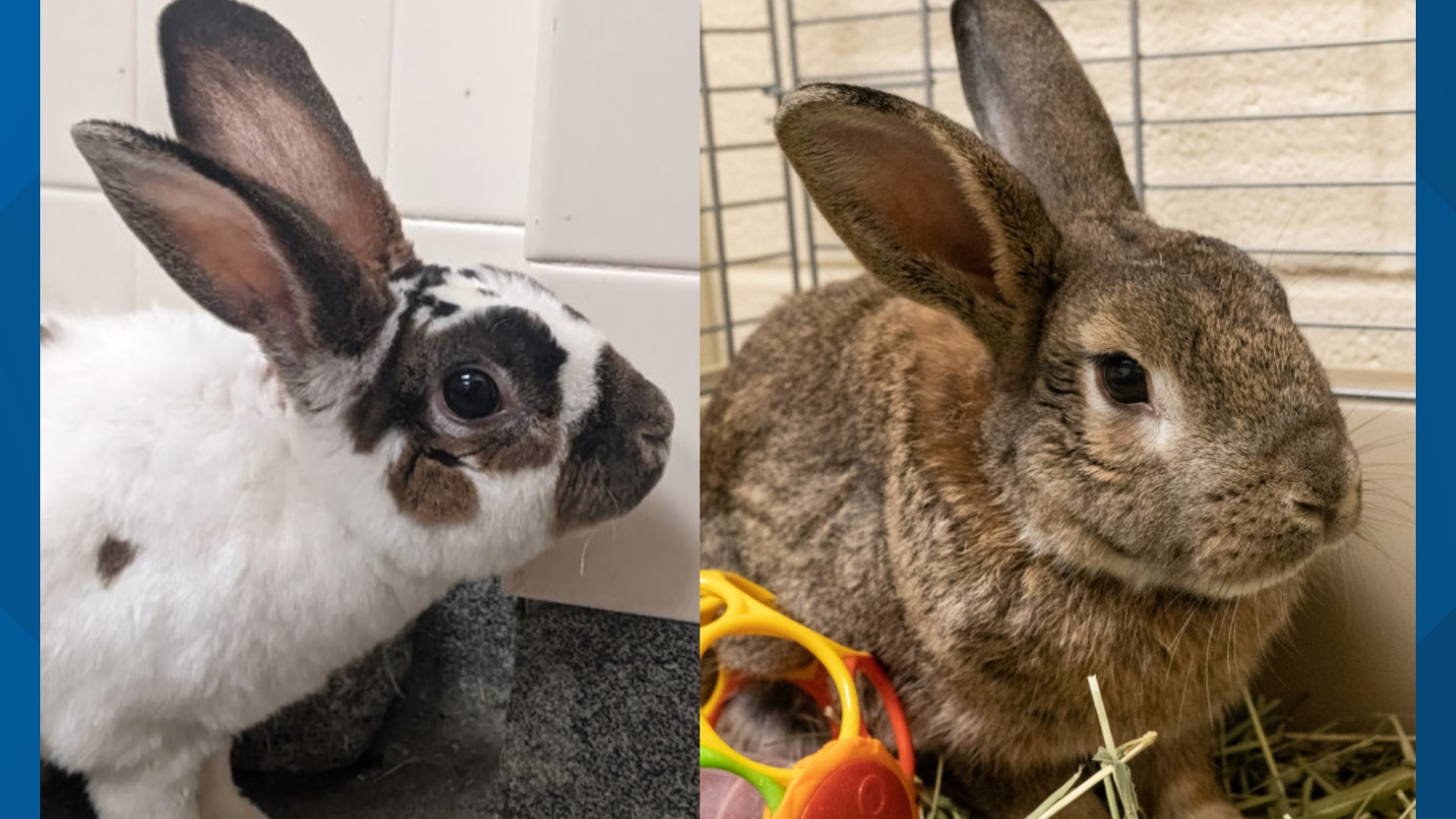
Adopting a giant rabbit involves locating specialized rescues or local shelters that house breeds such as the Flemish Giant or Continental Giant. Prospective owners must provide significant indoor floor space—as these breeds cannot be humanely caged—and budget for higher dietary and veterinary costs compared to smaller breeds. Successful adoption requires an application process, home verification, and a commitment to specialized lagomorph care.
Understanding the "Gentle Giants" of the Rabbit World
Giant rabbit breeds are often referred to as "gentle giants" due to their typically docile, laid-back temperaments. Unlike many smaller breeds that can be skittish or high-strung, giant rabbits often exhibit dog-like behaviors, such as seeking out human interaction, lounging in the middle of the room, and even following their owners from room to room. In 2026, these breeds have seen a surge in popularity as indoor companions, but their size necessitates a completely different approach to animal husbandry than what is traditionally expected for rabbits.
The most common breeds found in adoption circles include:
- Flemish Giant: The most recognizable giant breed, weighing between 14 and 22 pounds on average. They have a semi-arch mandoline shape and come in seven recognized colors.
- Continental Giant: Slightly larger than the Flemish, these rabbits can sometimes exceed 25 pounds. They are highly intelligent and require significant mental stimulation.
- French Lop: While categorized by their heavy build and floppy ears rather than just length, they are substantial rabbits that require giant-scale accommodations.
- Checkered Giant: A more active and lean giant breed, known for its distinctive spotting and energetic personality.
Before seeking "cute oversized bunnies for adoption," it is vital to understand that their size is not just a novelty; it is a fundamental requirement that dictates every aspect of their care, from the volume of hay they consume to the strength of the flooring they live on.
Prerequisite Requirements for Giant Rabbit Ownership
Adopting a giant rabbit is a decade-long commitment that begins with a thorough assessment of your living environment. Because of their weight and bone structure, giant rabbits are prone to pododermatitis (sore hocks) if they live on hard or wire floors. They require soft, grippy surfaces like area rugs or specialized foam mats.
Space and Housing
Traditional pet store cages are entirely unsuitable for giant breeds. A Flemish Giant cannot even turn around comfortably in a standard rabbit cage. In 2026, the standard for giant rabbit housing is either "free-roaming" (allowing the rabbit full access to bunny-proofed rooms) or a large, dedicated exercise pen (X-pen) that is at least 4 feet high. A giant rabbit needs enough horizontal space to take three to four consecutive hops, which, for a 20-pound rabbit, equates to a minimum of 10 to 12 feet of linear space.
Financial Commitment
The cost of maintaining a giant rabbit is significantly higher than that of a dwarf or standard breed. They consume vast quantities of Timothy hay and fresh leafy greens. Furthermore, veterinary care for rabbits is considered "exotic," and because many medications are dosed by weight, a 20-pound rabbit will have much higher prescription costs than a 3-pound rabbit.
The Adoption Process: Step-by-Step
Choosing to adopt rather than buy from a breeder is a responsible choice that helps alleviate the burden on animal shelters. Many giant rabbits are surrendered to rescues because owners underestimate the space and food they require.
- Locate a Rabbit-Specific Rescue: While general humane societies occasionally have giant breeds, specialized organizations like the House Rabbit Society or local lagomorph rescues are more likely to have a deep understanding of giant breed needs.
- Submit an Application: Expect to answer detailed questions about your home environment, other pets, and your experience with rabbits. Rescues often prioritize adopters who intend to keep the rabbit indoors.
- The Home Visit: Many rescues perform virtual or in-person home visits to ensure you have "bunny-proofed" your space. This involves covering electrical cords, removing toxic plants, and ensuring the rabbit cannot access dangerous heights.
- The Meet-and-Greet: Temperament is key. Meeting the rabbit allows you to see if their energy level matches your household. Some giants are "couch potatoes," while others are quite destructive "interior decorators."
- Finalizing the Adoption: Most rescues charge an adoption fee (ranging from $50 to $150), which typically covers the cost of spaying or neutering—a critical procedure that prevents reproductive cancers and reduces territorial aggression.
Comparative Overview of Giant Breed Needs
To help prospective adopters choose the right breed, the following table compares the typical requirements and characteristics of the most popular giant breeds available in 2026.
| Breed | Average Weight | Temperament | Space Needs | Grooming Requirement |
|---|---|---|---|---|
| Flemish Giant | 15–22 lbs | Docile, calm | Very High | Low (Weekly brushing) |
| Continental Giant | 16–25+ lbs | Intelligent, bold | Extreme | Moderate (Thick coat) |
| French Lop | 10–15 lbs | Affectionate | High | Moderate (Ear checks) |
| Checkered Giant | 11–16 lbs | Active, alert | High (Needs verticality) | Low |
Diet and Nutrition for Massive Rabbits
A giant rabbit’s digestive system is its most sensitive asset. In 2026, the dietary guidelines for these animals emphasize high-fiber intake to prevent Gastrointestinal (GI) Stasis, a potentially fatal condition.
The Foundation: Hay
At least 80% of a giant rabbit’s diet must be high-quality grass hay, such as Timothy, Orchard, or Meadow hay. Because of their size, you should buy hay in bulk (bales) rather than small pet store bags. A giant rabbit can easily consume several pounds of hay per week.
Fresh Greens and Pellets
Giant rabbits require about one to two cups of fresh, leafy greens per five pounds of body weight daily. Romaine lettuce, kale, cilantro, and parsley are staples. Pellets should be limited to prevent obesity; a giant rabbit should receive no more than 1/2 cup of high-quality, hay-based pellets per day, unless otherwise directed by a veterinarian. Avoid "muesli" style feeds containing seeds or colorful pieces, as these lead to selective eating and dental disease.
Health and Veterinary Considerations
Giant rabbits have a shorter lifespan than their smaller counterparts, typically living between 5 and 8 years, though some reach 10 with exceptional care.
Specialized Veterinary Care
You must find an "exotic" veterinarian who specializes in lagomorphs. Regular check-ups are essential for monitoring heart health and joint condition. As rabbits age, giant breeds are particularly prone to arthritis in their hind legs and hips due to the sheer weight they carry.
Vaccinations (RHDV2)
In 2026, the RHDV2 vaccine is a standard requirement for rabbits in many regions. Rabbit Hemorrhagic Disease Virus is highly contagious and fatal. Ensure any rabbit you adopt is up to date on their boosters, or schedule them immediately upon adoption.
Spaying and Neutering
Most rescues will have already performed this surgery. If not, it is a priority. Beyond preventing unwanted litters, it significantly reduces the risk of uterine cancer in females (which has a high incidence rate in older rabbits) and curbs spraying/aggressive behaviors in males.
Behavioral Traits and Socialization
Giant rabbits are social creatures. While they enjoy human interaction, they often thrive best in bonded pairs. If you are looking to adopt, consider a "pre-bonded" pair of giants. This ensures the rabbits have constant companionship and reduces the likelihood of destructive behaviors born from boredom.
Training and Enrichment
Giant rabbits can be litter trained much like cats. Because of their size, they require large, low-entry litter boxes (often marketed for large cats or small dogs). For enrichment, provide heavy-duty toys. Small plastic toys designed for standard rabbits are often destroyed or ignored; instead, use large cardboard boxes, untreated willow baskets, and hard plastic "baby keys" or logic puzzles.
Common Pitfalls for New Adopters
The most frequent mistake is underestimating the "destructive potential" of a bored 20-pound rabbit. They can chew through baseboards, carpet, and furniture in a fraction of the time it takes a smaller rabbit. "Bunny-proofing" must be more robust for giants. Using hardware cloth or heavy plastic guards on corners is often necessary.
Additionally, many adopters fail to realize that giant rabbits are difficult to transport. They do not fit in standard cat carriers; you will likely need a medium-to-large dog crate for car trips to the veterinarian. Lifting a giant rabbit also requires specific technique—always support their heavy hindquarters to prevent spinal injuries, which can occur if the rabbit kicks out while being held.
Preparing Your Home for a Giant Arrival
Before bringing your new companion home, perform a final sweep of your living space. Ensure that all electrical cables are housed in protective tubing and that no toxic houseplants (like lilies or ivy) are within reach. Establish a "home base" where the rabbit’s food, water, and litter box are located. Use heavy ceramic bowls for water rather than drip bottles, as giant rabbits need to hydrate frequently and bottles do not provide an adequate flow rate for their size.
FAQs
Can giant rabbits live outdoors in a hutch?
No. Giant rabbits are highly susceptible to heatstroke due to their size and cannot regulate their body temperature well in extreme weather. Furthermore, their large size makes them targets for predators. In 2026, most reputable rescues will only approve adoptions for indoor-only homes.
Are giant rabbits good with children?
While they are generally more docile than smaller breeds, their size makes them heavy and difficult for children to handle. A startled giant rabbit can accidentally scratch or kick with enough force to cause injury. Interaction should always be supervised, and children should be taught to interact with the rabbit on the floor rather than trying to pick it up.
How much does it cost to feed a Flemish Giant monthly?
On average, expect to spend between $80 and $120 per month on hay, fresh vegetables, and pellets. This does not include the cost of litter or occasional treats. Buying hay by the bale from local farms can significantly reduce this cost.
Do giant rabbits get along with dogs and cats?
Many giant rabbits live successfully with calm dogs and cats. However, because of the "prey drive" in dogs, introductions must be slow and supervised. A giant rabbit is often large enough to stand its ground, but safety should always be the priority.
How often do giant rabbits need to see a vet?
An annual wellness exam is recommended for young rabbits, moving to bi-annual exams once they reach the age of five. This allows the vet to check for dental spurs, heart murmurs, and early signs of arthritis.
Finding Your Local Giant Rabbit Rescue
The best way to start your journey is to visit the World Rabbit Resources or search for breed-specific rescues in your geographic area. By choosing to adopt, you are giving a second chance to an animal that is often misunderstood due to its size. Once you have prepared your home and secured a specialized veterinarian, you will find that a giant rabbit is one of the most rewarding and affectionate companions an animal lover can have.