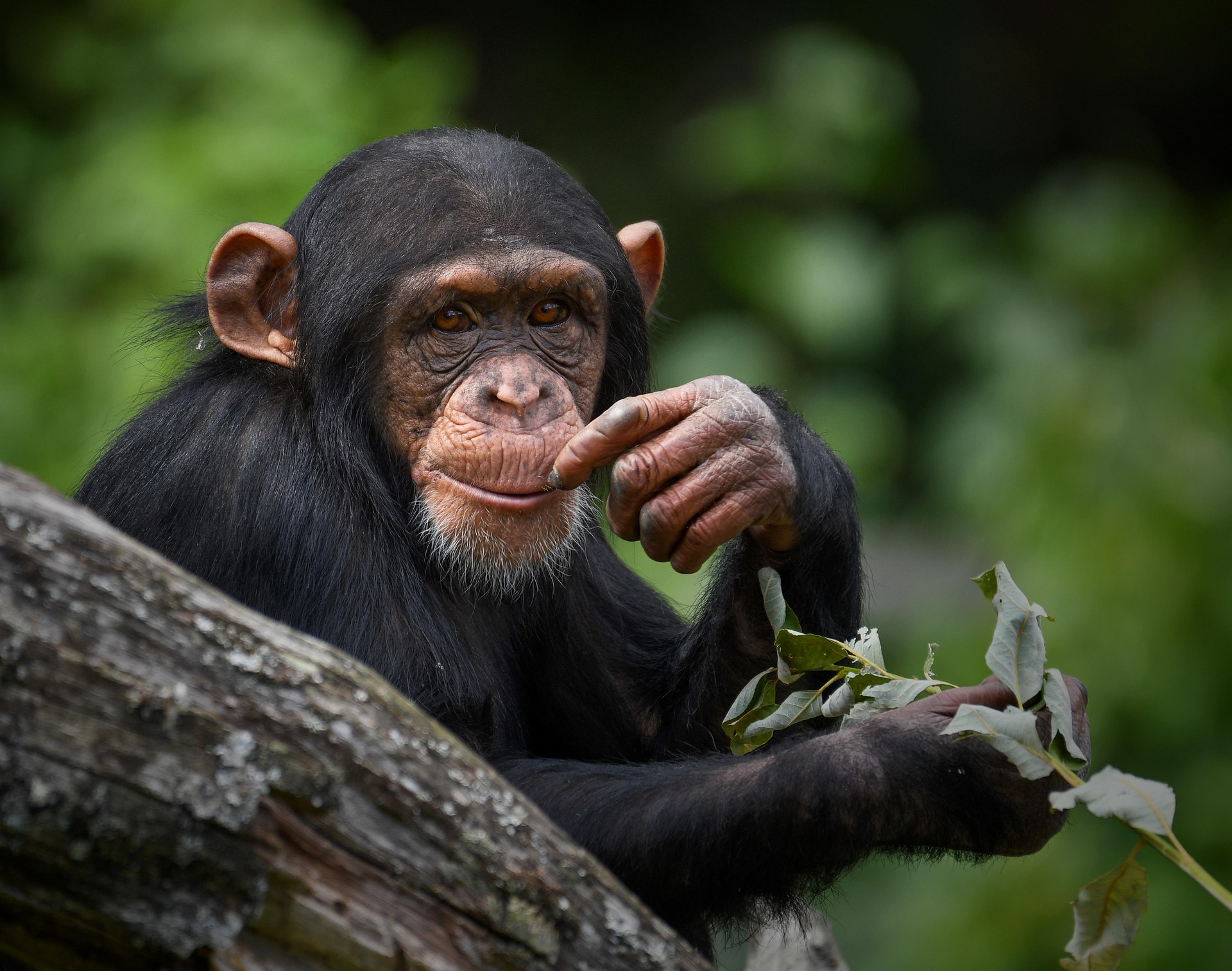
To adopt a chimpanzee through a conservation sanctuary, you provide a symbolic sponsorship that funds the animal's lifelong care, including specialized nutrition, medical treatment, and habitat maintenance. These programs do not allow you to take a chimpanzee home; instead, they offer a way to support endangered primates and retired laboratory animals.
Understanding Symbolic Chimpanzee Adoption
When you search for how to adopt a chimpanzee in 2026, it is vital to distinguish between domestic pet ownership and symbolic sanctuary adoption. Chimpanzees are highly intelligent, social, and physically powerful primates that share approximately 98% of their DNA with humans. Because of their complex emotional needs and potential for aggression upon reaching maturity, they are entirely unsuitable as household pets. Legal frameworks globally have tightened, and in most jurisdictions, private ownership of great apes is either strictly prohibited or requires permits that the average citizen cannot obtain.
Symbolic adoption is a philanthropic model used by accredited sanctuaries and conservation organizations. When you "adopt" an individual chimpanzee, you are essentially becoming a financial guardian. Your contribution helps cover the significant costs associated with providing a naturalistic environment for chimpanzees that have been rescued from the illegal pet trade, the entertainment industry, or retired from biomedical research facilities.
In exchange for your support, most organizations provide an adoption kit. In 2026, these kits typically include digital or physical certificates, high-resolution photographs of the specific chimpanzee, a detailed biography of their life story, and regular updates on their social progress within their troop. This connection allows donors to see the tangible impact of their generosity while ensuring the chimpanzee remains in a professional, safe, and species-appropriate environment.
Why Conservation Sanctuaries Require Financial Support
Running a high-quality chimpanzee sanctuary is an immense financial undertaking. Unlike traditional zoos, sanctuaries often prioritize the privacy and well-being of the animals over public display, meaning they cannot rely solely on gate receipts for revenue. Most are non-profit entities that depend almost entirely on individual donations and symbolic adoptions to survive.
The operational costs for a single chimpanzee can exceed $20,000 to $30,000 per year. One of the primary expenses is specialized nutrition. Chimpanzees require a diverse diet of fresh fruits, vegetables, leafy greens, and protein supplements to mirror their wild foraging habits. In a sanctuary setting, where individuals may live into their 50s or 60s, senior care also becomes a significant factor. Older chimpanzees frequently require medication for age-related conditions such as heart disease and arthritis.
Furthermore, the infrastructure required to house great apes is specialized. Enclosures must be constructed from heavy-duty materials capable of withstanding the strength of an adult male chimpanzee, which can be five to seven times stronger than a human. These habitats also require "enrichment"—a technical term for puzzles, climbing structures, and sensory activities that keep these intelligent primates mentally stimulated. Your adoption fees directly fund these critical components of daily life.
How to Choose a Reputable Sanctuary
Not all facilities that house chimpanzees are created equal. As a donor, you must ensure your money is going to a facility that prioritizes animal welfare over profit. The most reliable way to verify a sanctuary's legitimacy is through third-party accreditation.
The Global Federation of Animal Sanctuaries (GFAS) is the gold standard for accreditation. To receive GFAS certification, a sanctuary must adhere to strict standards regarding animal housing, veterinary care, financial transparency, and ethical management. Another reputable body is the American Sanctuary Association (ASA).
Avoid any "sanctuary" that allows public handling, photo opportunities with infant chimps, or uses animals for commercial entertainment. Legitimate sanctuaries operate under a "no-breeding" policy to ensure they do not contribute to the population of captive primates that will require lifelong care. In 2026, transparency is higher than ever; reputable organizations will clearly list their 990 tax forms or annual financial audits on their websites, showing exactly what percentage of your adoption fee goes directly to animal care versus administrative overhead.
Comparison of Leading Chimpanzee Adoption Programs (2026)
| Organization | Primary Focus | Location | Typical Starting Cost | Key Adoption Benefit |
|---|---|---|---|---|
| Jane Goodall Institute | Wild Habitat Protection & Rescued Orphans | Global / Congo Basin | $50+ / Year | Digital updates from Dr. Goodall's team |
| Chimp Haven | Retired Biomedical Research Chimps | Louisiana, USA | $25+ / Month | Video updates of chimps in large social groups |
| Save the Chimps | Rescued from Labs, Pet Trade, & Film | Florida, USA | $60 / Year | Personalized photo and biography of your chimp |
| Project Chimps | Former Research Primates | Georgia, USA | $35+ / Year | Annual "Chimp Life" magazine and digital decals |
| Center for Great Apes | Entertainment and Pet Industry Rescue | Florida, USA | $50+ / Year | Detailed health and social relationship updates |
The Step-by-Step Adoption Process
If you have decided to proceed with a symbolic adoption, the process is designed to be straightforward and impactful. Most organizations have streamlined their digital platforms as of 2026 to ensure donors feel connected to the cause.
- Select Your Chimpanzee: Visit the sanctuary's website and browse the profiles of individual residents. Many people choose a chimpanzee whose personality or history resonates with them—perhaps a resilient survivor of the laboratory system or a playful youngster rescued from the illegal pet trade.
- Choose an Adoption Level: Most programs offer tiered levels of support. A basic level might provide a digital certificate, while higher "guardian" levels might include physical merchandise, invitations to exclusive virtual "town halls" with caregivers, or even the opportunity to name a specific area of an enrichment garden.
- Establish Payment Terms: You can usually choose between a one-time gift or a recurring monthly donation. Recurring donations are highly valued by sanctuaries because they provide a predictable revenue stream for long-term planning.
- Receive Your Package: Within minutes of a digital adoption, you should receive a welcome email with your certificates. If you selected a physical kit, expect it to arrive within 7 to 14 business days.
- Stay Engaged: Follow the sanctuary's social media and read their newsletters. Your adoption is the beginning of a relationship; seeing your sponsored chimpanzee enjoying a birthday cake or interacting with a new friend makes the contribution feel much more personal.
Ethical Considerations and the "Pet" Myth
It is crucial to address why the "adoption" of a chimpanzee as a pet is inherently harmful. Throughout the 20th century, the media often depicted chimpanzees as "cute" companions in sweaters. This imagery caused irreparable damage to conservation efforts. In reality, infant chimps used in entertainment are often taken from their mothers prematurely, leading to severe psychological trauma.
By the time a chimpanzee reaches the age of six or seven, they become too strong and unpredictable for human handling. In the past, this often led to owners abandoning them or, worse, having them euthanized. By choosing the sanctuary adoption model, you are actively fighting against the exotic pet trade. You are supporting the philosophy that chimpanzees are autonomous beings who deserve to live in a social community of their own kind, not as human substitutes.
Furthermore, contributing to a sanctuary that focuses on wild conservation—like the Jane Goodall Institute—helps address the root causes of chimpanzee endangerment: habitat loss and the bushmeat trade. Your adoption fee can help pay for forest rangers, community education programs in Africa, and the reforestation of vital corridors.
Alternatives to Symbolic Adoption
If a financial commitment isn't feasible, or if you want to do more than just sponsor an individual, there are several other ways to support chimpanzee conservation in 2026.
- Amazon Wishlists: Many sanctuaries maintain public wishlists for specific items like heavy-duty toys, medical supplies, and non-perishable food. This allows you to see exactly what your money is buying.
- Legacy Giving: You can name a sanctuary as a beneficiary in your will. Given that chimpanzees can live for decades, ensuring their care beyond your lifetime is a powerful commitment.
- Corporate Matching: Check if your employer has a donation matching program. Many companies will double the impact of your sanctuary adoption.
- Educational Advocacy: One of the most effective free tools is education. Share information about why chimpanzees do not make good pets and the importance of GFAS accreditation with your social circle.
Frequently Asked Questions
Is my chimpanzee adoption tax-deductible?
Yes, in the United States and many other countries, symbolic adoptions are considered charitable donations. If the sanctuary is a registered 501(c)(3) non-profit, your contribution is generally tax-deductible. You should receive a receipt for your records following the transaction.
Can I visit the chimpanzee I adopt?
Most legitimate sanctuaries are not open to the general public to protect the privacy and health of the residents. Chimpanzees are susceptible to human respiratory illnesses. However, some sanctuaries offer "Member Days" or exclusive tours for high-level donors, but these are strictly non-contact and supervised by professional staff.
Can I choose a baby chimpanzee to adopt?
While some sanctuaries have younger residents rescued from the pet trade, they do not purposely breed chimpanzees. You may be able to sponsor a younger individual if one has recently been rescued, but the goal of the sanctuary is to allow them to grow up in a stable social troop, not to remain "babies."
How long does a symbolic adoption last?
Typically, a symbolic adoption is for one year. Most organizations will send a renewal reminder as the year concludes. If you set up a monthly recurring donation, the adoption remains active as long as the payments continue.
Where does the money from my adoption go?
Reputable sanctuaries use these funds for "direct animal care." This includes the cost of food, veterinary salaries, medication, enclosure maintenance, and enrichment materials. A small percentage also covers the administrative costs of managing the adoption program and fundraising.
Are there any "real" ways to adopt a chimpanzee at home?
No. There is no ethical, legal, or safe way for a private individual to adopt a chimpanzee as a household pet. Any website claiming to sell "tame" or "home-raised" chimpanzees is likely a scam or part of an illegal trafficking ring.
Practical Recommendation for New Supporters
If you are looking for the most impactful way to start, we recommend beginning with a sanctuary that is GFAS-accredited. This ensures that your funds are handled with the highest level of accountability. For those interested in the social rehabilitation of research primates, Chimp Haven or Save the Chimps offer excellent programs with deep transparency. If your primary interest is the survival of the species in the wild, the Jane Goodall Institute remains the leading voice in combining community development with primate protection. Start with a monthly donation tier that fits your budget; even $10 or $20 a month provides the consistent support these facilities need to maintain the high standard of care these extraordinary animals deserve.