Adopting a chimpanzee through a reputable conservation program is a symbolic process that provides essential funding for the lifelong care of rescued primates in accredited sanctuaries. Unlike traditional pet adoption, this method involves financial sponsorship rather than physical ownership, ensuring that these highly social and complex animals live in environments that prioritize their biological and psychological needs.
Understanding the Symbolic Adoption Model in 2026
When discussing the process to "adopt a chimp," it is critical to distinguish between the illegal or unethical trade of exotic pets and the professional symbolic adoption programs managed by non-profit sanctuaries. In 2026, the consensus among primatologists and ethical conservationists is absolute: chimpanzees are entirely unsuitable as domestic pets. They are aggressive, powerful, and require specialized social structures that a human household cannot provide.
Symbolic adoption serves as a bridge between the public’s desire to help and the staggering costs associated with sanctuary operations. Organizations such as the Jane Goodall Institute, Save the Chimps, and Chimpanzee Sanctuary Northwest utilize these programs to cover the expenses of food, specialized veterinary medicine, and enclosure maintenance. By "adopting," a donor essentially becomes a guardian of a specific individual’s well-being, receiving updates and photos while the chimpanzee remains in a professional facility.
This model is a response to the "exotic pet crisis" that peaked in previous decades. Many chimpanzees currently in sanctuaries were rescued from the entertainment industry, biomedical research laboratories, or private homes where they became unmanageable after reaching puberty. Symbolic adoption provides these individuals with a "retirement" that mimics their natural habitat as closely as possible.
The Step-by-Step Process of Chimp Adoption
The process for engaging in a symbolic adoption is streamlined but requires careful selection to ensure that your contribution is reaching a legitimate facility. As of 2026, most accredited sanctuaries have moved toward digital-first platforms to reduce administrative overhead and direct more funds toward animal care.
1. Verification of Sanctuary Accreditation
Before selecting a chimpanzee, verify that the organization is accredited by the Global Federation of Animal Sanctuaries (GFAS). Accreditation ensures that the facility meets rigorous standards for animal care, enclosure safety, and financial transparency. Avoid any "adoption" program that offers physical contact with the animals, as this is a major red flag for unethical practices.
2. Selecting a Resident to Sponsor
Sanctuaries often provide biographies of their residents. These profiles include the chimpanzee’s history—whether they were a former "actor," a lab subject, or a confiscated pet—and their current personality traits within their social group. Choosing a specific resident allows sponsors to develop a deeper connection with the conservation mission.
3. Choosing a Support Tier
Most programs offer various levels of sponsorship. These typically range from modest monthly contributions to "alpha" levels that cover a significant portion of an individual’s annual care.
- Basic Tier: Usually covers supplemental enrichment and daily produce.
- Mid Tier: Often contributes to routine veterinary check-ups and staff support.
- Legacy Tier: Helps fund large-scale infrastructure projects, such as new climbing structures or habitat expansions.
4. Receiving the Adoption Package
Upon completing the process, sponsors typically receive a digital or physical "adoption kit." In 2026, these often include high-resolution portraits, a detailed biography, a certificate of adoption, and access to exclusive video updates or "chimp cams" that allow sponsors to see the residents in their social groups without disturbing them.
Financial and Advocacy Responsibilities of a Sponsor
While symbolic adoption does not carry the burden of physical care, it does involve significant ethical and financial responsibilities. The primary responsibility is sustained support. Chimpanzees can live for over 50 years in captivity, meaning a sanctuary’s commitment to a rescued individual is a multi-decadal financial obligation.
The True Cost of Care
Providing for a chimpanzee is exceptionally expensive. A single adult chimpanzee requires thousands of dollars per month for a balanced diet of fresh vegetables, fruits, and specialized primate chow. Beyond nutrition, the "hidden" costs include:
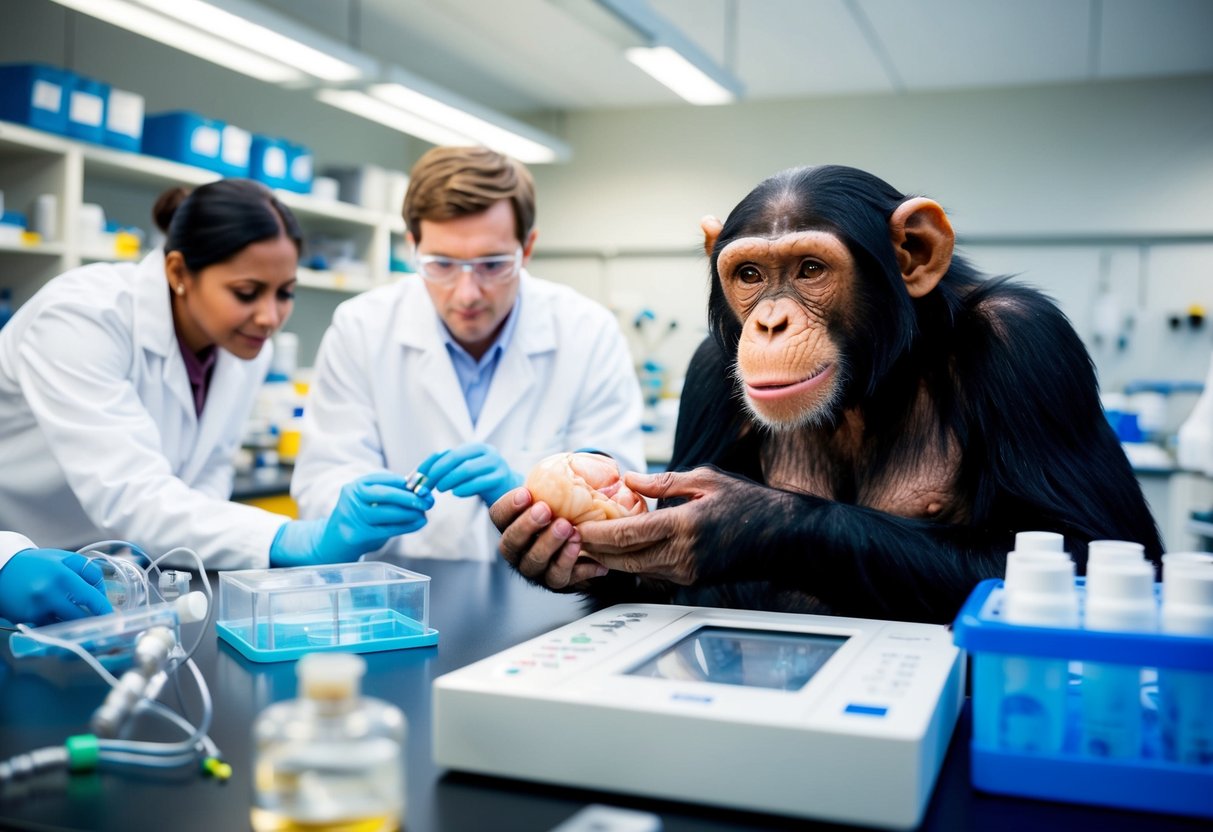
- Veterinary Care: Older chimpanzees, especially those from research backgrounds, often suffer from cardiovascular issues or diabetes, requiring daily medication and regular cardiac ultrasounds.
- Enclosure Maintenance: Chimpanzees are incredibly strong. Their habitats must be constructed from heavy-duty steel and reinforced glass, which require constant inspection and repair.
- Social Enrichment: Sanctuaries must employ behavioral specialists to design enrichment activities that prevent boredom and promote natural foraging behaviors.
The Responsibility of Advocacy
A sponsor’s role extends beyond the checkbook. By adopting a chimp, you become an ambassador for the species. This involves educating others about why chimpanzees should not be used in entertainment or kept as pets. It also means supporting legislation like the Captive Primate Safety Act, which aims to further restrict the interstate trade of primates. Responsible sponsors also look at their own consumption habits, such as avoiding products containing unsustainable palm oil, the production of which is a leading cause of wild chimpanzee habitat loss.
Ethical Considerations and Welfare Standards
The ethics of primate "adoption" are centered on the principle of non-interference. In the past, the humanization of chimpanzees—dressing them in clothes or teaching them to perform human tasks—was common. In 2026, ethical sanctuaries strictly forbid these practices.
The "Smile" Misconception
One of the most important ethical lessons for sponsors is understanding chimpanzee expressions. The "fear grimace," which looks like a human smile, is actually a sign of intense stress or submission. Ethical adoption programs work to deconstruct these myths, ensuring that sponsors do not inadvertently promote content that shows chimps in distress.
Sanctuary vs. Zoo: The No-Breeding Policy
A defining ethical standard for legitimate sanctuaries is a strict no-breeding policy. While zoos may breed animals for conservation or display, sanctuaries exist solely to provide a home for existing animals in need. Bringing more chimpanzees into a captive environment, even a sanctuary, is viewed as unethical because it diverts resources away from rescues and perpetuates a cycle of captivity.
Comparison of Care Models
The following table illustrates the differences between ethical symbolic adoption and the problematic private ownership model.
| Feature | Symbolic Adoption (Sanctuary) | Private Ownership (Exotic Pet) |
|---|---|---|
| Physical Contact | Strictly prohibited for safety/welfare. | Common, but leads to injury as chimp matures. |
| Social Structure | Integrated into large, multi-age groups. | Socially isolated or only around humans. |
| Legal Status | Regulated, non-profit status (501c3). | Often illegal or restricted by state law. |
| Breeding | Prohibited (vasectomies/contraception). | Often used for profit, fueling the pet trade. |
| Primary Goal | Animal welfare and lifelong "retirement." | Human entertainment or personal status. |
| Diet & Health | Expert-designed nutritional/medical plans. | Frequently malnutritioned or lacks specialized care. |
Technical Requirements for Chimpanzee Habitats
To understand why your adoption funds are so vital, one must look at the technical complexity of modern sanctuary habitats. In 2026, these facilities are more than just cages; they are engineered ecosystems.
Chimpanzees are fission-fusion socialites, meaning they naturally break into small groups and reform into larger ones throughout the day. An ethical sanctuary must provide enough space and multiple interconnected rooms or "chutes" to allow the chimps to choose their social companions. If a sanctuary lacks the infrastructure to manage these social dynamics, it can lead to lethal aggression among the residents.
Furthermore, the environmental controls required for indoor housing—especially in temperate climates—must include high-grade HEPA filtration systems to prevent the transmission of human respiratory diseases, to which chimpanzees are highly susceptible. Your adoption fees contribute directly to these utility and infrastructure costs, which are often the largest line items in a sanctuary's budget.
Frequently Asked Questions
Can I visit the chimpanzee I adopted?
In most cases, no. Accredited sanctuaries are not "open to the public" like zoos. They are private homes for the animals. Some sanctuaries offer limited, high-donor tours or "member days" where sponsors can view the habitats from a distance, but direct interaction is never allowed. This policy minimizes the stress on the animals and prevents the spread of zoonotic diseases.
How much of my donation goes directly to the chimp?
Reputable organizations typically maintain an administrative overhead of less than 15-20%. This means 80% or more of your adoption fee goes directly toward food, medicine, and the salaries of the caregivers who provide 24/7 monitoring. You can verify these figures by checking the organization's annual Form 990 or their rating on Charity Navigator.
Is my symbolic adoption tax-deductible?
Yes, as long as the sanctuary is a registered 501(c)(3) non-profit organization in the United States (or the equivalent in your jurisdiction). Because you are not receiving a "product" of significant value in return for your donation, the full amount of the adoption fee is generally deductible. Always keep your digital receipt for tax purposes.
What happens if the chimp I adopted passes away?
Chimpanzees in sanctuaries are often seniors with complex medical histories. If a sponsored resident passes away, the sanctuary will typically notify all sponsors and offer to transfer the sponsorship to another individual in need of care. This ensures that the funding remains available to the community of survivors at the facility.
Can I adopt a chimp for someone else as a gift?
Yes, symbolic adoption is a popular gift. Most programs allow you to enter a recipient's name and email address, and they will receive the adoption kit and updates. This is considered an ethical alternative to purchasing physical gifts, as it contributes to global conservation and welfare efforts.
Recommended Next Actions for Prospective Guardians
If you are ready to proceed with a symbolic adoption, your first action should be to visit the Global Federation of Animal Sanctuaries (GFAS) website to look up accredited primate facilities. This step is the most effective way to ensure your money supports actual welfare rather than exploitative practices.
Once you have identified an accredited sanctuary, review the "Individual Stories" or "Resident" pages on their website. Choosing a chimpanzee whose story resonates with you—perhaps a former lab chimp who is now discovering the outdoors for the first time—creates a more meaningful connection to the cause. Finally, consider setting up a recurring monthly donation. Consistent, predictable funding is the lifeblood of sanctuary operations, allowing managers to plan for long-term medical treatments and habitat improvements that ensure these incredible primates live out their lives in dignity and peace.