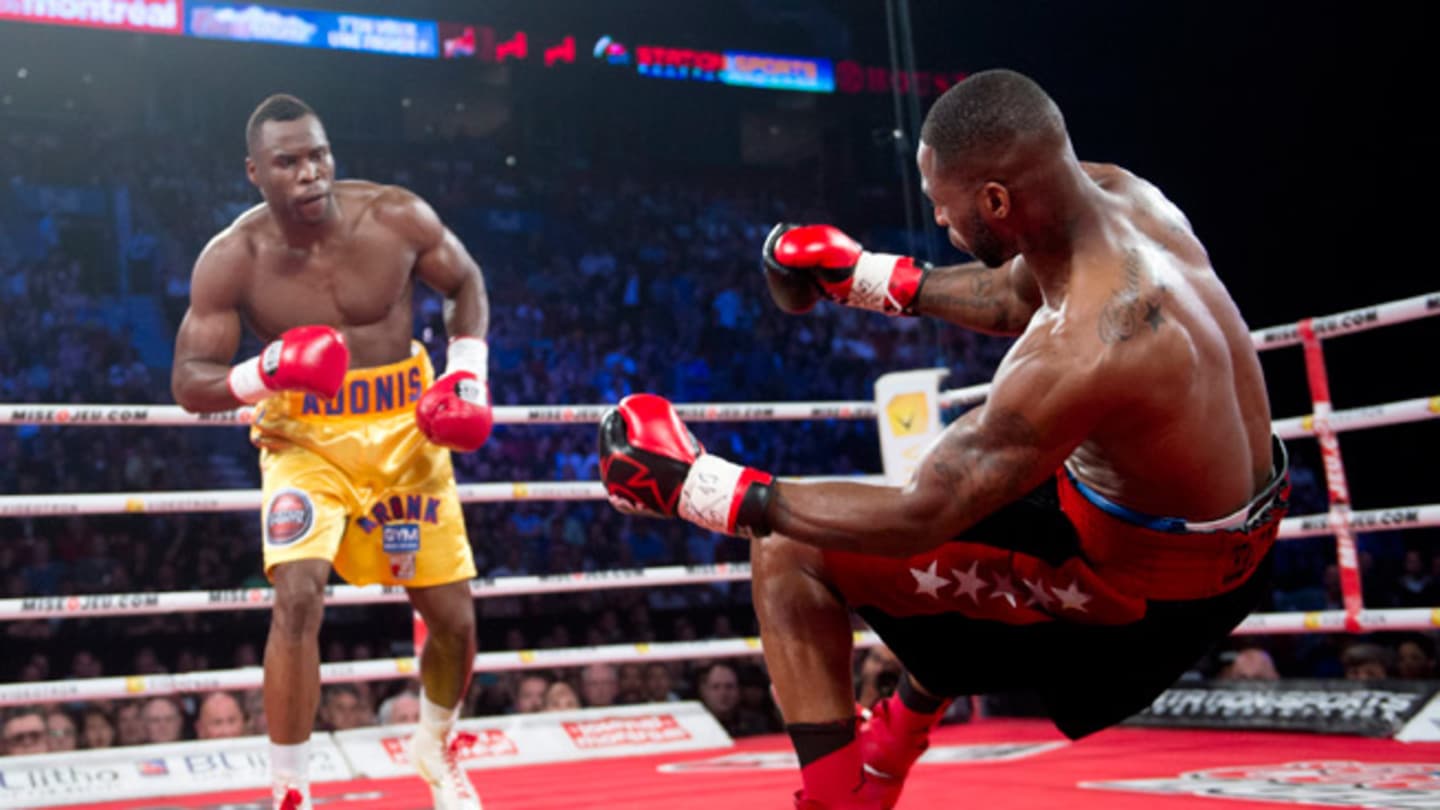
As of 2026, the estimated net worth of Adonis Stevenson is approximately $5 million to $7 million. While his career gross earnings exceeded $15 million during his reign as the WBC Light Heavyweight Champion, his financial legacy is defined by a complex narrative of high-stakes purses, a life-altering medical emergency, and a publicized legal struggle over the management of his remaining assets.
Adonis Stevenson, known to the boxing world as "Superman," was one of the most dominant and feared punchers in the light heavyweight division for over half a decade. However, the story of his wealth is not a simple tale of athletic success; it is a cautionary and inspiring account of how a catastrophic injury can transform a multi-million dollar estate into a battleground for survival and legal guardianship. To understand the "shocking" nature of his financial legacy, one must examine the intersection of his peak earning years and the high cost of his recovery.
The Rise of "Superman": From Hardship to Multi-Million Dollar Purses
The financial journey of Adonis Stevenson began under circumstances that rarely lead to multi-millionaire status. Born in Port-au-Prince, Haiti, and raised in Montreal, Quebec, Stevenson’s early life was marked by legal troubles that saw him serve time in prison. This background is critical to his financial legacy because it meant he started his professional career late, at age 29, creating an urgent need to maximize earnings in a compressed timeframe.
His financial breakthrough occurred in 2013. Before this, Stevenson was a respected but relatively low-earning contender. Everything changed on June 8, 2013, when he knocked out Chad Dawson in just 76 seconds to claim the WBC Light Heavyweight title. This victory transitioned him from five-figure paydays to the elite tier of "Premier Boxing Champions" (PBC) athletes. Under the management of Al Haymon, Stevenson became a staple of premium cable networks like HBO and later Showtime, where his "gate" (ticket sales) in Quebec became a significant revenue driver.
Throughout his title reign, which lasted from 2013 to 2018, Stevenson defended his belt nine times. During this period, he wasn't just a fighter; he was a regional economic powerhouse in the Canadian boxing market. His ability to draw massive crowds to the Centre Vidéotron and the Bell Centre allowed him to command purses that frequently crossed the $1 million mark, a rarity for fighters outside the heavyweight or welterweight divisions.
Breakdown of Major Career Earnings (2013–2018)
To understand how Stevenson accumulated his wealth, we must look at the specific bouts that defined his peak earning years. In boxing, "net worth" is often confused with "total purses." It is important to note that a fighter’s take-home pay is significantly reduced by taxes (which are particularly high in Quebec), trainer fees (historically to the late Emanuel Steward and later Javan "Sugar" Hill), management cuts, and promotional expenses.
| Opponent | Year | Estimated Purse (USD) | Significance |
|---|---|---|---|
| Chad Dawson | 2013 | $300,000 - $500,000 | Championship breakthrough and bonus structure. |
| Tony Bellew | 2013 | $800,000 | First major defense against a high-profile UK opponent. |
| Andrzej Fonfara I | 2014 | $1,200,000 | Established Stevenson as a consistent million-dollar earner. |
| Thomas Williams Jr. | 2016 | $1,500,000 | Peak of his televised dominance on Spike TV/PBC. |
| Badou Jack | 2018 | $2,500,000 | One of his largest career paydays for a high-profile draw. |
| Oleksandr Gvozdyk | 2018 | $1,500,000 | The final fight of his career; earnings were redirected to care. |
By the time he faced Oleksandr Gvozdyk in December 2018, Stevenson had grossed an estimated $12 million to $15 million in fight purses alone. His wealth was further supplemented by local sponsorships in Canada and investments in real estate. However, the overhead of a world champion—maintaining a luxury lifestyle, high-end vehicles, and a large entourage—meant that his liquid net worth was a fraction of his gross career earnings.
The Turning Point: The Financial Impact of the Gvozdyk Fight
The financial trajectory of Adonis Stevenson was permanently altered on December 1, 2018. After a brutal knockout loss to Oleksandr Gvozdyk, Stevenson suffered a traumatic brain injury (TBI) that resulted in a medically induced coma and several months of intensive care.
From a financial perspective, this event was a "black swan." Overnight, Stevenson went from a primary earner to a patient requiring 24-hour medical supervision. The costs associated with traumatic brain injury recovery are astronomical. In the initial years following the injury, medical bills, specialized rehabilitation equipment, and private nursing care likely cost hundreds of thousands of dollars annually.
Furthermore, the injury triggered a cessation of all active income. In professional boxing, there are no guaranteed pension plans or long-term disability structures comparable to the NFL or NBA. While the WBC (World Boxing Council) provides some support through its "Jose Sulaiman Boxers Fund," the bulk of the financial burden fell on Stevenson’s personal estate. The "shocking" aspect of his legacy isn't just that he survived, but that his estate was substantial enough to provide the world-class care necessary for his miraculous recovery.
The Legal Battle Over the "Superman" Estate
The most controversial chapter of Stevenson's financial legacy involves the legal dispute over his assets while he was incapacitated. In 2019, while Stevenson was still in the early stages of recovery, a legal rift formed between his family (led by his mother and siblings) and his then-partner, Simone "Sisi" God.
At the heart of the dispute were allegations regarding the management of Stevenson’s bank accounts. Legal filings in the Quebec Superior Court suggested that hundreds of thousands of dollars had been moved or were being contested. Simone God, who had been the face of Stevenson’s support system during his coma, faced scrutiny over how his funds were being utilized for his care versus personal expenditures.
This period highlighted a major risk for high-net-worth athletes: the lack of a clear power of attorney or a living trust. Because Stevenson was in his early 40s and seemingly invincible, the legal infrastructure to protect his wealth in the event of cognitive impairment was reportedly not fully robust. The resolution of these legal battles eventually led to a more structured management of his remaining millions, ensuring that his basic needs and long-term care were prioritized over discretionary spending.
Asset Liquidation and Wealth Preservation in 2026
As of 2026, Stevenson’s financial profile has shifted from "accumulation" to "preservation." To maintain his quality of life, there has been a documented downsizing of the "Superman" lifestyle.
- Real Estate: Stevenson’s primary residence in the Montreal area, once a symbol of his championship status, serves as a functional space for his ongoing physical therapy. Some secondary properties or speculative land investments made during his peak years have likely been liquidated to bolster his cash reserves.
- Luxury Assets: The fleet of high-end vehicles—including brands like Lamborghini and Mercedes-Benz that were frequently featured on his social media—has largely been sold. For a retired fighter with limited mobility in the years immediately following his injury, these assets represented unnecessary depreciation.
- Insurance and Payouts: It is widely understood that Stevenson had some level of insurance coverage, though the specifics of his disability payouts remain private. These funds have been critical in offsetting the loss of future earnings from potential "super-fights" that never happened.
The fact that Stevenson maintains a multi-million dollar net worth in 2026 is a testament to the sheer volume of wealth he generated between 2013 and 2018. Despite the legal fees and medical costs, the "shocking" truth is that he was one of the few boxers who managed to save enough to survive a literal worst-case scenario.
Managing Wealth in High-Risk Sports: Lessons from Stevenson
The financial legacy of Adonis Stevenson serves as a primary case study for modern sports wealth management. His situation underscores the necessity of several financial instruments that many young fighters overlook:
- Permanent Disability Insurance: Unlike standard life insurance, this protects an athlete's earning potential in the event of a career-ending injury.
- Irrevocable Trusts: To prevent the kind of public legal battles Stevenson’s family endured, a trust can dictate exactly how funds are used if the athlete becomes incapacitated.
- Geographic Tax Planning: Stevenson’s earnings were subject to some of the highest income tax brackets in North America. Fighters who do not account for the "tax bite" often find their net worth is 40% lower than their advertised purses.
Stevenson’s recovery—walking, talking, and making public appearances at boxing events—has been described as a miracle. Financially, his story is equally miraculous because he avoided the "broke fighter" trope despite facing the most expensive medical crisis a human can endure.
FAQ: Adonis Stevenson’s Financial Status
How much did Adonis Stevenson make for his fight against Badou Jack?
Adonis Stevenson earned a guaranteed purse of approximately $2.5 million for his 2018 draw against Badou Jack. When factoring in television rights and sponsorships, his total take-home from that single night was one of the highest of his career, contributing significantly to the cushion that funded his later medical recovery.
Did Simone God take Adonis Stevenson’s money?
There were significant legal allegations and court proceedings in Quebec regarding the management of Stevenson's funds by Simone God during his recovery. While the details of the final settlement remain largely private, the court eventually intervened to ensure Stevenson's assets were managed by a designated legal guardian to protect his long-term interests.
What is Adonis Stevenson's current source of income?
In 2026, Stevenson does not have an "active" income from fighting or major endorsements. His wealth is sustained by the investment of his career earnings, disability insurance settlements, and potentially modest royalties or appearances. His financial focus is entirely on the management of his existing estate.
Who manages Adonis Stevenson’s net worth today?
Following the legal disputes of 2019 and 2020, Stevenson’s finances are managed under a structured legal guardianship. This often involves a combination of family members and professional financial fiduciaries who must report to the court to ensure that his $5 million to $7 million estate is used exclusively for his well-being and care.
Protecting Your Legacy Through Proper Financial Guardrails
For athletes, entertainers, and high-net-worth individuals, the Adonis Stevenson story is a powerful reminder that "net worth" is a fragile metric. To protect a financial legacy, one must look beyond the current balance sheet and prepare for the "unthinkable."
If you are managing significant assets, the first step is to establish a Comprehensive Estate Plan. This should include a durable power of attorney and a healthcare proxy. These documents ensure that if you are unable to make decisions—as Stevenson was during his coma—someone you trust is legally empowered to protect your assets from exploitation. Furthermore, diversifying wealth into low-risk, income-generating vehicles can provide the "burn rate" necessary to cover unexpected medical costs without exhausting the principal of your fortune.