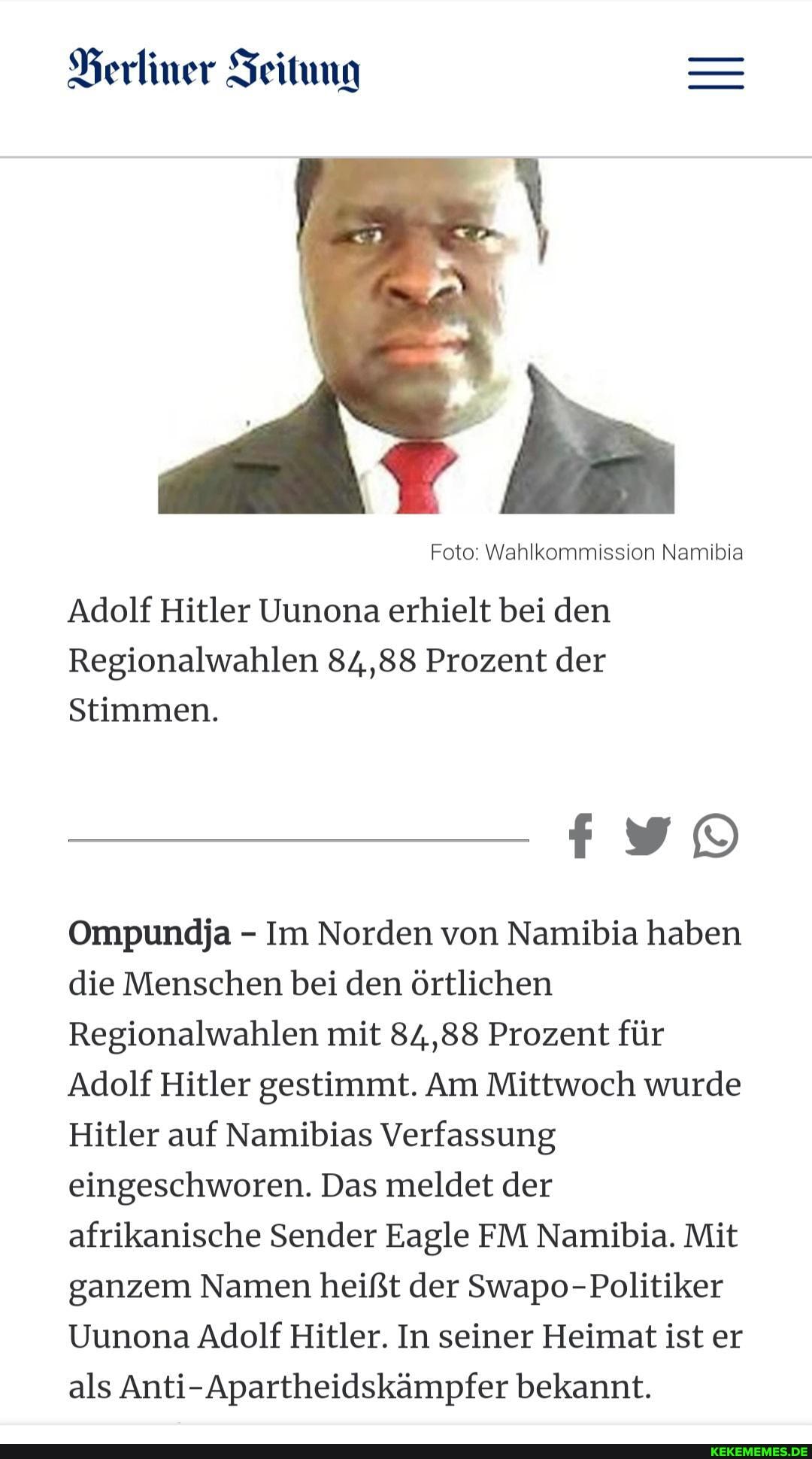
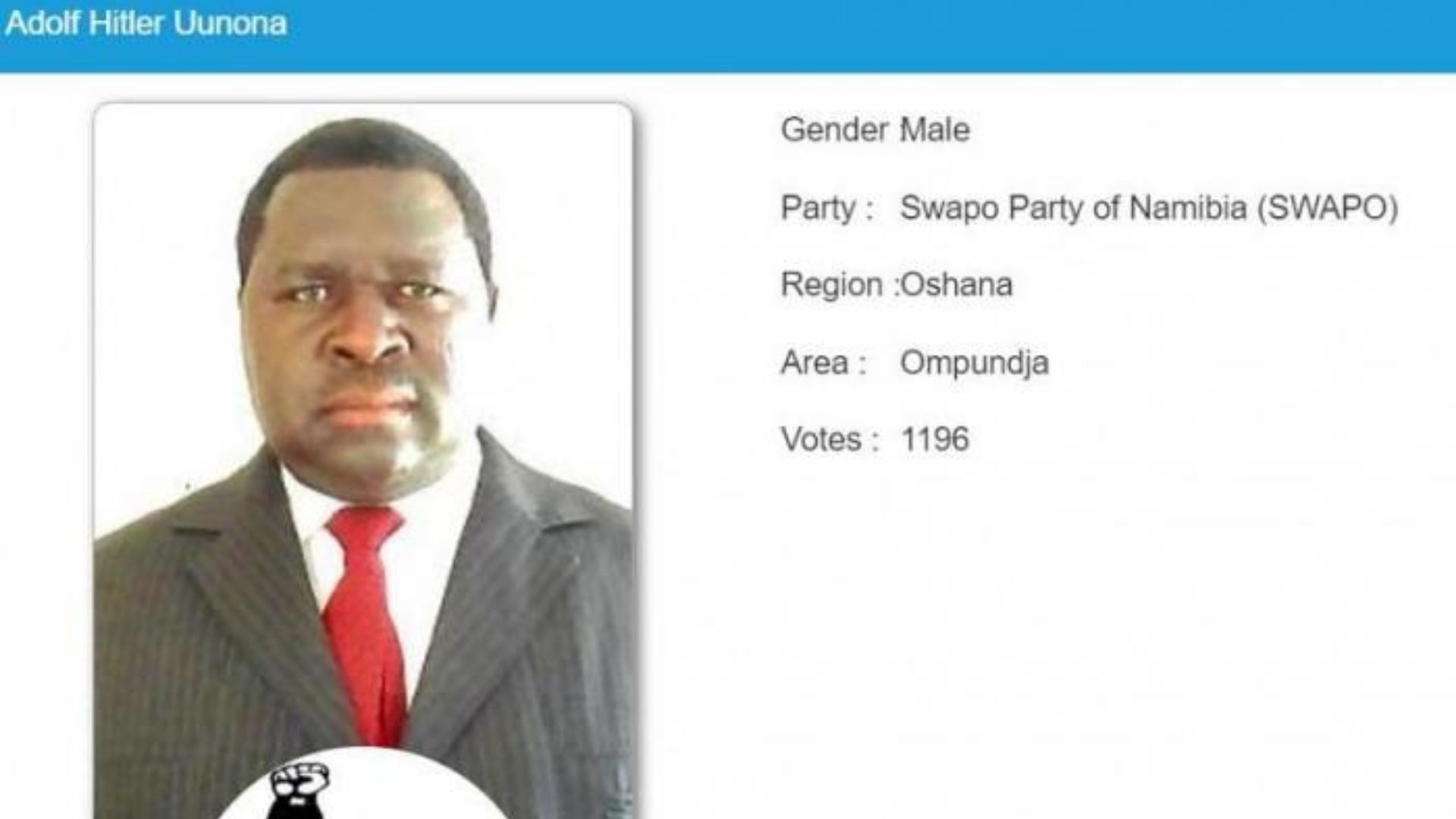
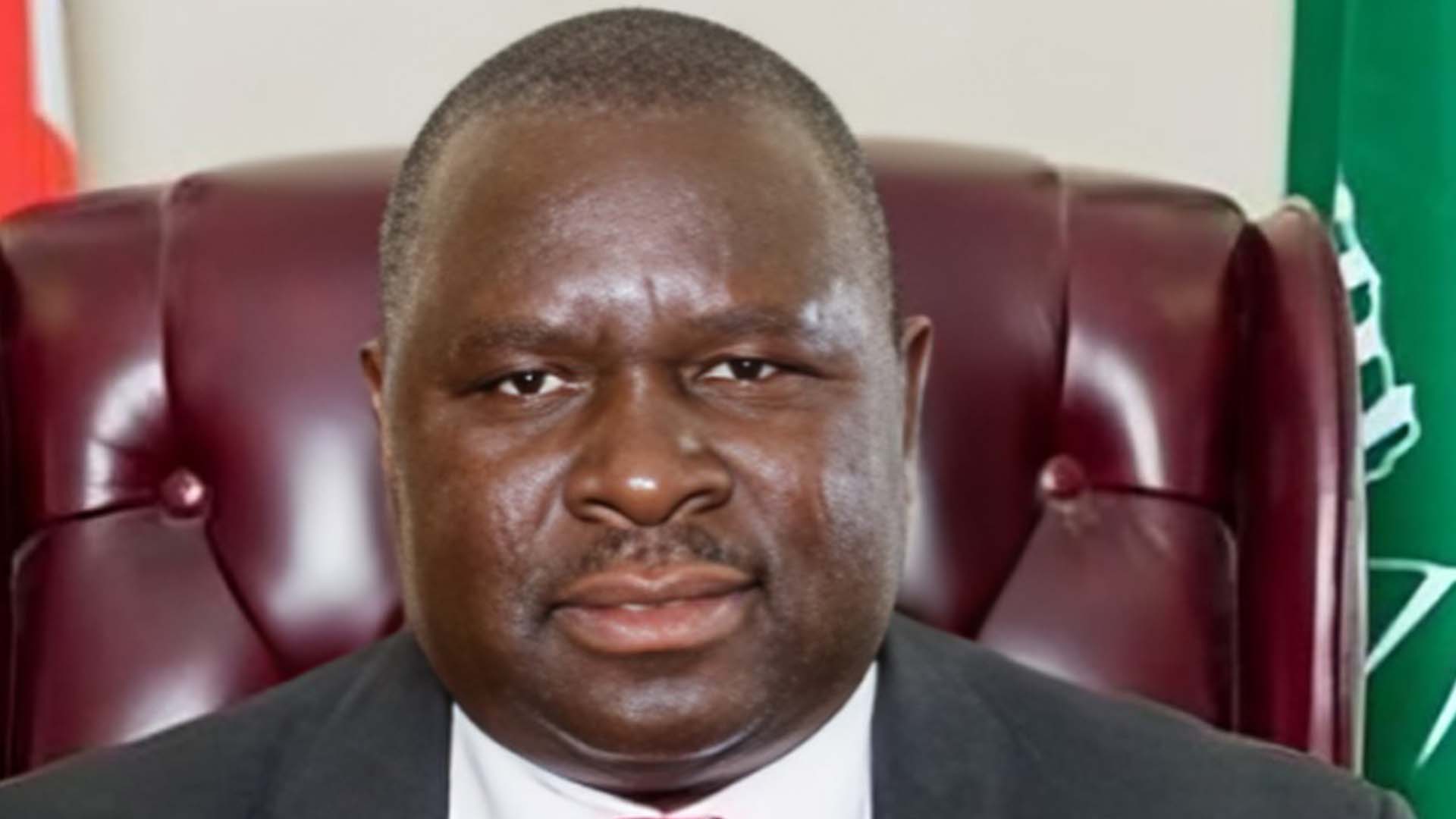
The "shocking true story" of Adolf Hitler in Namibia refers not to the secret survival of the German dictator, but to the 2020 election of a local politician named Adolf Hitler Uunona. He won a landslide victory as a councilor for the Ompundja constituency, drawing international headlines due to his name’s historical weight.
While the name Adolf Hitler is synonymous with the horrors of the Third Reich, its appearance in Namibia is a complex byproduct of the nation’s colonial history. Namibia, formerly known as German South West Africa, retains significant linguistic and cultural influences from its time as a German protectorate. To understand the "shocking" nature of this story, one must look beyond the clickbait headlines and examine the intersection of post-colonial identity, political reality in 2026, and the lingering shadows of the 20th century.
The Election of Adolf Hitler Uunona
In November 2020, the world’s media descended upon the Oshana region of northern Namibia. The catalyst was a regional council election where a candidate for the ruling SWAPO (South West Africa People's Organization) party secured 1,196 votes—roughly 85% of the total—to win a seat on the regional council. That candidate was Adolf Hitler Uunona.
Uunona, a veteran anti-apartheid activist, became an overnight internet sensation. However, for the people of Ompundja, he was simply a long-standing community leader whose name was a secondary concern to his political platform. By 2026, Uunona has continued his career in local governance, largely stepping out of the international spotlight that briefly shone on him during the early 2020s.
His name was not a political statement or an endorsement of Nazi ideology. In interviews following his election victory, Uunona clarified that his father likely named him after the German leader without fully grasping the global implications of the dictator’s actions. He noted that as a child, he saw it as a "normal" name, only realizing the gravity of the association as he reached adulthood. Despite the notoriety, he chose not to change it legally, as it was already integrated into all his official documentation and public identity.
The German Colonial Legacy in Namibia
The reason a name like "Adolf" persists in Namibia is rooted in the country’s history as German South West Africa (Deutsch-Südwestafrika) from 1884 to 1915. During this period, German settlers and colonial administrators established a presence that fundamentally altered the social and linguistic landscape of the region.
The colonial era was marked by extreme brutality, most notably the Herero and Namaqua genocide (1904–1908), which many historians consider the first genocide of the 20th century and a precursor to the Holocaust. Despite these atrocities, the German influence remained deeply embedded. Even after South Africa took control of the territory following World War I, German remained an official language until 1990 and continues to be spoken by a minority today.
Commonality of German Names
In many parts of Namibia, German first names such as Hans, Klaus, Wolfgang, and Adolf are not uncommon. For many families during the early-to-mid 20th century, these names were viewed through a lens of prestige or simply as a remnant of the "official" naming conventions established under colonial rule. While the name "Adolf" became taboo in Europe after 1945, in some African contexts, the specific historical crimes associated with the name were not always the primary association for parents choosing names for their children.
Debunking the "Hitler Escaped to Africa" Conspiracy
The search for "Adolf Hitler in Namibia" often pulls in readers who are interested in fringe conspiracy theories. These theories suggest that the Nazi dictator did not die in his bunker in Berlin in April 1945 but instead fled to a secret base in South America or Africa.
There is zero credible evidence to support the claim that the historical Adolf Hitler ever visited or lived in Namibia.
- Historical Consensus: Forensic evidence and eyewitness accounts confirm that Hitler committed suicide in Berlin.
- Logistical Impossibility: By 1945, Namibia was under the administration of the Union of South Africa, a member of the Allied forces. It would have been an extremely hostile environment for a high-ranking Nazi fugitive.
- The "Grey Wolf" Myth: While some mid-level Nazi officials did utilize "ratlines" to escape to South America, there is no verified record of high-ranking officials establishing a life in Namibia under their own names or otherwise.
The "shocking" element of the Namibian story is the factual existence of a modern politician with the name, rather than a hidden historical secret. The confusion between the two illustrates how modern digital algorithms can conflate political news with historical sensationalism.
Comparative Overview: The Two Adolf Hitlers
To clarify the distinction between the historical figure and the Namibian politician, the following table outlines the fundamental differences in their lives and roles.
| Feature | Adolf Hitler (German Dictator) | Adolf Hitler Uunona (Namibian Politician) |
|---|---|---|
| Lifespan | 1889–1945 | Born c. 1966; Active in 2026 |
| Political Party | National Socialist (NSDAP) | SWAPO (South West Africa People's Org) |
| Ideology | Fascism, Antisemitism, Totalitarianism | Social Democracy, Anti-apartheid |
| Role | Chancellor/Führer of Germany | Regional Councilor in Namibia |
| Public Stance | Perpetrator of the Holocaust | Advocate for local development and land reform |
| Origin of Name | Family name / Standard Austrian naming | Named by father during colonial/post-colonial era |
The Role of SWAPO and Post-Independence Politics
Adolf Hitler Uunona’s political affiliation with SWAPO is significant. SWAPO was the primary movement that fought for Namibia’s independence from South African apartheid rule. It is an organization rooted in the struggle for liberation and racial equality.
For a man named Adolf Hitler to be a member of a liberation movement is an irony that was not lost on the international press. However, in the context of Namibian politics, Uunona’s work centered on:
- Land Reform: Addressing the unequal distribution of land that remains a legacy of German and South African rule.
- Infrastructure: Improving roads and water access in the Ompundja constituency.
- Governance: Serving as a bridge between the regional government and local traditional authorities.
By 2026, the political landscape in Namibia has shifted toward more diverse representation, but the legacy of the independence struggle remains the dominant narrative. Uunona’s name, while a curiosity, has not hindered his ability to serve his constituents, who judge him on his performance rather than his nomenclature.
International Perception vs. Local Reality
The "shocking true story" highlights a significant gap between Western perception and African local reality. In the West, the name Adolf Hitler is a "moral radioactive" term that cannot be separated from the Holocaust. In Namibia, while the history is known, the name is sometimes viewed as a quirk of history or a linguistic relic.
Uunona himself has stated that he has no "world domination" plans and simply wishes to serve his local community. The viral nature of his story in 2020 served as a reminder of how quickly a single name can trigger global trauma, even when the person bearing it has no connection to the original bearer’s crimes.
Why the Story Persists in 2026
Even in 2026, this story remains a frequent topic of online discussion because it challenges our assumptions about global history. It forces a dialogue on:
- How names carry power across borders.
- The lasting impact of German colonialism in Africa.
- The way the internet handles "weird news" versus nuanced historical context.
Frequently Asked Questions
Did Adolf Hitler Uunona change his name after the 2020 controversy?
No, Adolf Hitler Uunona did not change his name. He stated that the name is on all his official government documents and that he is too well known by that name in his constituency to change it. He goes by "Adolf Uunona" in most informal and local professional settings to minimize the shock factor.
Is there any Nazi movement in Namibia today?
While there is a small German-speaking community in Namibia that maintains cultural traditions, there is no significant or mainstream Nazi movement. Namibia is a multi-racial democracy with a constitution that explicitly forbids discrimination. The government has also been involved in long-standing negotiations with Germany regarding reparations for the 1904–1908 genocide.
Why did his parents give him that name?
According to Uunona, his father likely named him after the German leader because Germany was the former colonial power, and the name "Adolf" was associated with strength or authority in a general sense. Many parents in colonial or recently decolonized regions chose names of famous figures without necessarily endorsing their specific political ideologies.
What is the current status of German-Namibian relations?
As of 2026, relations are focused on the "Joint Declaration" regarding the Herero and Namaqua genocide. Germany has officially recognized the atrocities as genocide and has committed to funding developmental projects in Namibia as a form of restorative justice, though debates over the adequacy of the "reparations" continue.
Are there other people in Namibia named after controversial figures?
Yes, it is not uncommon in Namibia or other post-colonial African nations to find individuals named after historical figures such as Lenin, Stalin, or various European monarchs. These names are often chosen for their perceived prestige or historical significance during the era the parents lived through.
Understanding Names in Post-Colonial Contexts
When encountering the story of Adolf Hitler in Namibia, the most important next action is to distinguish between the historical entity and the modern individual. For researchers and students of history, this story serves as a gateway to learning about the broader, and often overlooked, history of the German empire in Africa.
To gain a deeper understanding of this topic, one should move away from sensationalist headlines and focus on the following areas:
- Study the 1904–1908 Genocide: Understanding the atrocities committed by the German Empire in South West Africa provides the necessary context for why German influence remains a sensitive and complex issue.
- Explore Namibian Independence: Learn about the SWAPO movement and how Namibia transitioned from South African "mandate" to a sovereign nation in 1990.
- Analyze Naming Traditions: Research how colonial languages (German, English, Portuguese) influenced naming conventions across the African continent.
By focusing on these factual pillars, the "shocking" nature of the story transforms into a meaningful lesson on how history lingers in the most unexpected ways.