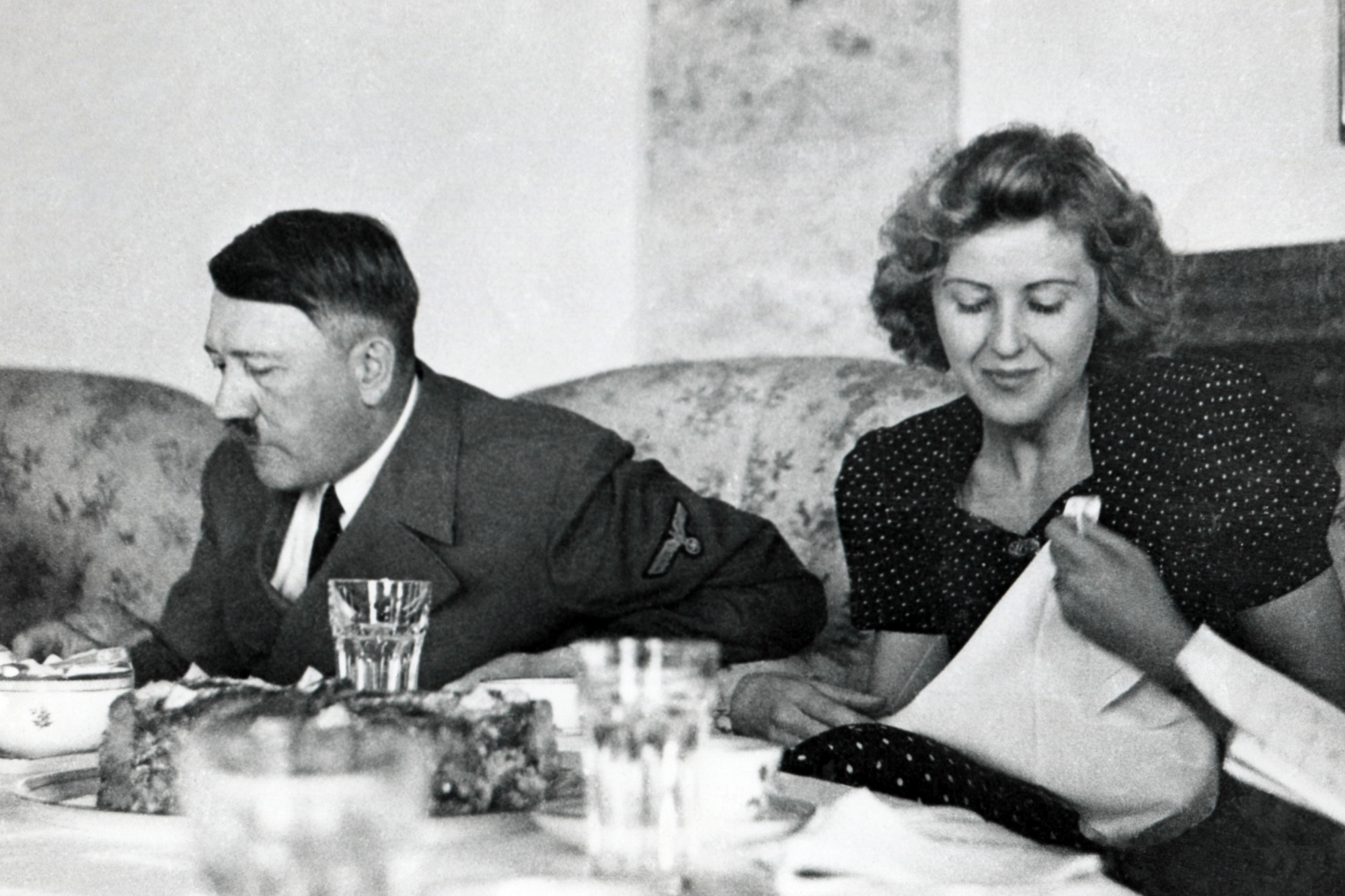
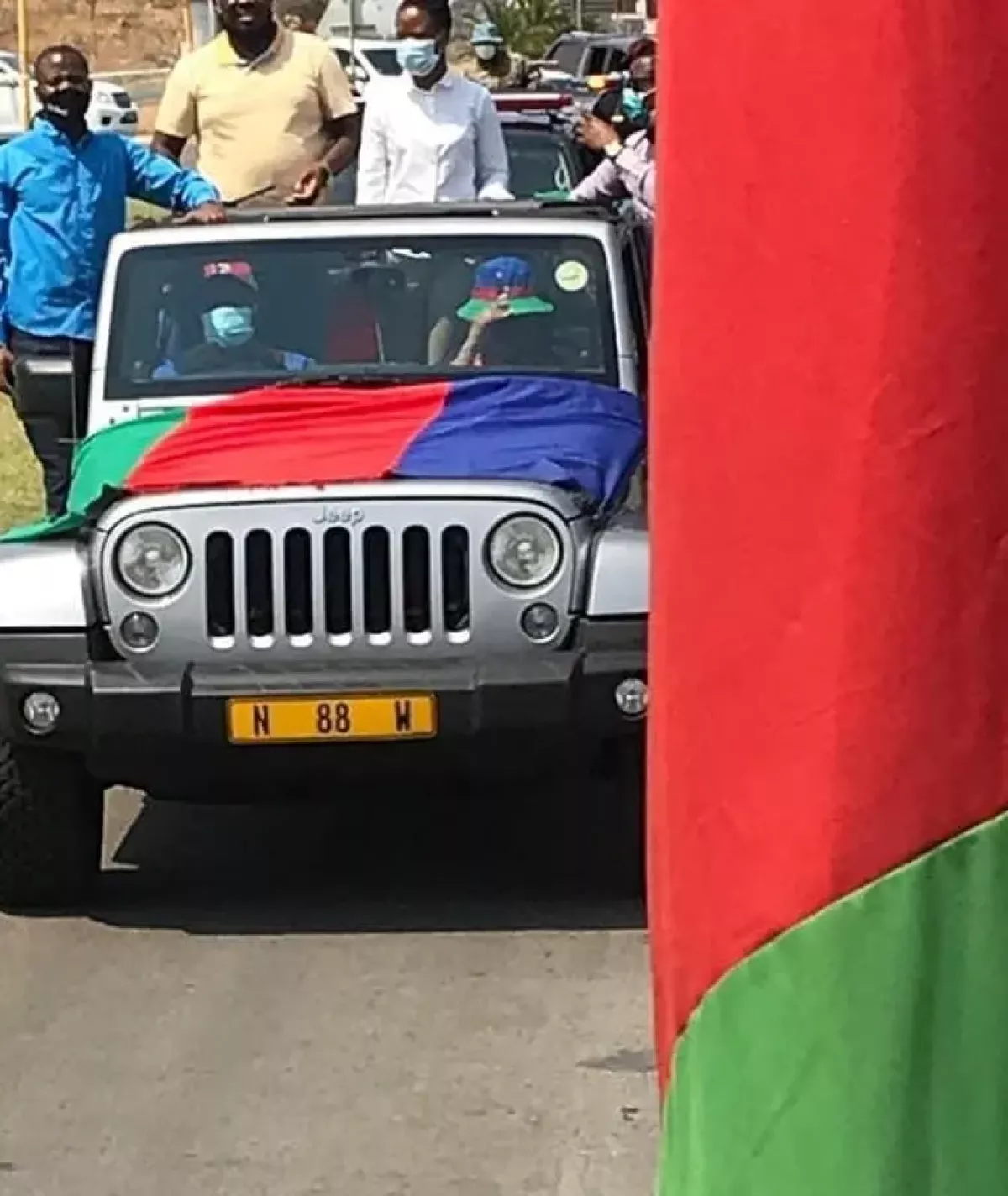
Adolf Hitler, the German dictator, never physically entered Namibia; however, the country’s history as a German colony (1884–1915) established a dark ideological and administrative precursor to the Third Reich. In contemporary times, the name "Adolf Hitler" gained global attention through the 2020 election of a local politician, Adolf Hitler Uunona, highlighting the complex, lingering influence of German colonial nomenclature in Southern Africa.
The German Colonial Foundation (1884–1915)
The "historical presence" of the Germanic influence that eventually birthed Hitler’s ideology began decades before his rise to power. Namibia, then known as German South West Africa (Deutsch-Südwestafrika), was the only German colony where a significant number of Germans settled. This period was characterized by the "Scramble for Africa" following the Berlin Conference of 1884, where Chancellor Otto von Bismarck reluctantly entered the colonial race to secure economic and political prestige.
Under German rule, the administration implemented policies of land dispossession and racial segregation that many historians view as a "laboratory" for later Nazi practices. The concept of Lebensraum (living space), which became a cornerstone of Hitler’s expansionist ideology, was actually coined by Friedrich Ratzel in 1901 specifically in relation to the colonization of territories like South West Africa. The administrative structures established in Windhoek and Swakopmund were designed to maintain absolute white supremacy, creating a legal and social framework that prioritized German "blood" over the indigenous population.
The Herero and Nama Genocide: A Precursor to the Holocaust
The most profound historical link between Namibia and the later crimes of the Nazi regime is the genocide of 1904–1908. When the Herero and Nama people rose in rebellion against colonial land seizures and mistreatment, General Lothar von Trotha issued a "Vernichtungsbefehl" (extermination order). This event is widely recognized by historians and the United Nations as the first genocide of the 20th century.
The methods used in this conflict provided a blueprint for the subsequent atrocities in Europe:
- Concentration Camps: The Germans established Konzentrationslager in Namibia, most notoriously at Shark Island (Lüderitz), where prisoners were worked to death or died of disease and malnutrition.
- Racial Science: Eugen Fischer, a German doctor, conducted "racial studies" on the survivors and the offspring of mixed-race unions in Namibia. Fischer later became the director of the Kaiser Wilhelm Institute of Anthropology, Human Heredity, and Eugenics, and his writings heavily influenced Hitler’s Mein Kampf.
- Bureaucratic Mass Murder: The systematic tracking of ethnic groups and the use of transport to move populations into lethal environments (the Omaheke Desert) mirrored the logistical approach of the Final Solution.
While Adolf Hitler himself was a soldier in World War I during the final years of German colonial rule in Africa, the veterans of the Schutztruppe (colonial protection force) became early, influential members of the Nazi Party, bringing their "colonial experience" of racial dominance back to Germany.
Adolf Hitler Uunona: The 2020 Election and Disambiguation
In late 2020, the name "Adolf Hitler" reappeared in international headlines, not in a historical context, but in a contemporary political one. Adolf Hitler Uunona, a politician representing the ruling SWAPO (South West Africa People's Organisation) party, was elected as a councilor for the Ompundja constituency in the Oshana region. He won with 85% of the vote, a landslide victory that triggered a media frenzy in Europe and North America.
To resolve the primary ambiguity regarding this subject: Adolf Hitler Uunona is not a Nazi, nor does he subscribe to the ideologies of the German dictator. In interviews following his election, Uunona explained that his father had named him after the historical figure without fully grasping the global implications of the name at the time. In the northern regions of Namibia, it is not uncommon for children to be given German names—including Adolf, Hans, or Klaus—as a result of the linguistic legacy left by colonial-era missionaries and administrators.
Uunona has stated publicly that by the time he realized the weight of his name, it was already embedded in his legal documents and public persona. He uses "Adolf Uunona" in most contexts and has no plans to change it legally, noting that his constituents view him for his decades of anti-apartheid activism and local service rather than his controversial namesake.
The Persistence of German Names and Culture in Namibia
The "Adolf Hitler" phenomenon in Namibia is a symptom of a broader cultural persistence. Unlike many other former colonies that aggressively renamed cities and purged colonial languages, Namibia retains a visible German character in its infrastructure and social fabric.
- Linguistic Presence: German remains one of the national languages of Namibia. It is spoken by the German-Namibian minority and used as a commercial language in many parts of the country.
- Onomastics (Naming Patterns): For many Namibians in the mid-20th century, German names were seen as "prestigious" or simply standard due to the influence of German Lutheran missions. Many parents chose names from history books or local administrators without necessarily endorsing the specific politics of those individuals.
- Townscapes: Cities like Swakopmund look strikingly like early 20th-century German towns, complete with timber-framed architecture and German street names (though many have been renamed since independence in 1990).
This environment creates a surreal juxtaposition where symbols of a colonial past—which laid the groundwork for the Third Reich—exist alongside a modern, democratic African state. The presence of the name Adolf is, for many locals, a vestigial colonial trait rather than a political statement.
Contemporary Relevance: The 2021 Joint Declaration and Reparations
As of 2026, the legacy of Germany’s actions in Namibia remains a central pillar of bilateral diplomacy. The historical "presence" of the colonial mindset reached a critical turning point in May 2021, when the German government officially recognized the massacres of the Herero and Nama as a genocide "from today’s perspective."
| Aspect of Legacy | Colonial Period (1884–1915) | Contemporary Status (2026) |
|---|---|---|
| Official Governance | German South West Africa (Imperial Colony) | Sovereign Republic of Namibia |
| Ideological Framework | Racial Hierarchy / Lebensraum | Constitutional Democracy / Human Rights |
| Legal Recognition | Extermination Orders (von Trotha) | Official Recognition of Genocide (2021) |
| Financial Redress | Land Seizure / Forced Labor | €1.1 Billion "Reconstruction & Reconstruction" fund |
| Public Representation | Colonial Statues / German Names | Adolf Hitler Uunona (SWAPO Politician) |
The 2021 agreement involved a pledge of €1.1 billion in development aid to be paid over 30 years. However, this has remained a point of intense contemporary relevance and controversy. Many Herero and Nama traditional leaders have rejected the deal, arguing that the term "healing" was used instead of "reparations" to avoid legal precedents, and that the sum is insufficient given the generational loss of land and life. This ongoing legal and social struggle ensures that the history of the early 1900s—and the ideologies that Hitler later amplified—remains a "living" issue in Namibian politics.
Identifying the Distinctions: Fact vs. Myth
It is crucial for researchers to distinguish between three distinct threads when discussing this topic:
- The Dictator's Footprint: Factually, Adolf Hitler had no personal interaction with Namibia. His "presence" is strictly ideological, rooted in the colonial precedents set by his predecessors.
- The Structural Legacy: The concentration camps and racial laws of German South West Africa were direct precursors to the Nazi state. This is the most historically significant "presence."
- The Modern Namesake: Adolf Hitler Uunona is a local political figure whose name is an accident of colonial history, not an endorsement of fascism.
By 2026, the focus has shifted from the shock of Uunona's name to the more substantive issues of land reform and the execution of the genocide compensation agreement. The international community continues to look to Namibia as a case study in how a nation navigates the scars of a colonial past that contributed to the world’s most infamous totalitarian regime.
Frequently Asked Questions
Did Adolf Hitler ever visit Namibia?
No, Adolf Hitler never visited Namibia or any other part of Africa. His knowledge of the territory was purely academic and political, focusing on the return of Germany’s lost colonies following the Treaty of Versailles.
Why is there a politician named Adolf Hitler in Namibia today?
Adolf Hitler Uunona was named by his father during a time when Namibia was under significant German cultural influence. In many parts of Namibia, German names are common, and his father likely did not realize the international infamy of the name at the time of the naming.
Is Namibia still a German colony?
No, Namibia ceased to be a German colony in 1915 during World War I, when it was occupied by South African forces. It was later governed by South Africa under a League of Nations mandate until it gained full independence in 1990.
What was the link between Namibia and the Holocaust?
Historians point to the 1904–1908 genocide of the Herero and Nama people as a precursor to the Holocaust. The use of concentration camps, racial science (Eugen Fischer), and the concept of "Lebensraum" were all developed or tested in Namibia before being implemented by the Nazi regime in Europe.
Does the Namibian politician Adolf Hitler Uunona support Nazi views?
No, Adolf Hitler Uunona is a member of the SWAPO party, which was the primary liberation movement against the apartheid regime. He has stated that he has no interest in Nazi ideology and is focused on local governance and community development.
Strategic Guidance for Understanding Namibian History
For those looking to explore this subject further, it is recommended to move beyond the sensationalist headlines regarding the 2020 election and focus on the academic works regarding transnational history. Understanding the "Windhoek to Auschwitz" thesis provides a more profound look at how colonial violence in Africa shaped European history.
- Consult Primary Sources: Examine the 1917 "Blue Book" (an official report on the natives of South-West Africa and their treatment by Germany) for a direct look at the atrocities that preceded Hitler.
- Visit Memorials: If in Namibia, visiting the Independence Memorial Museum in Windhoek offers a perspective on how the country views its colonial struggles compared to its modern identity.
- Track Reparations Progress: Monitor the updates from the Namibian and German governments regarding the 2021 Joint Declaration, as this remains the primary vehicle for resolving the historical legacy today.