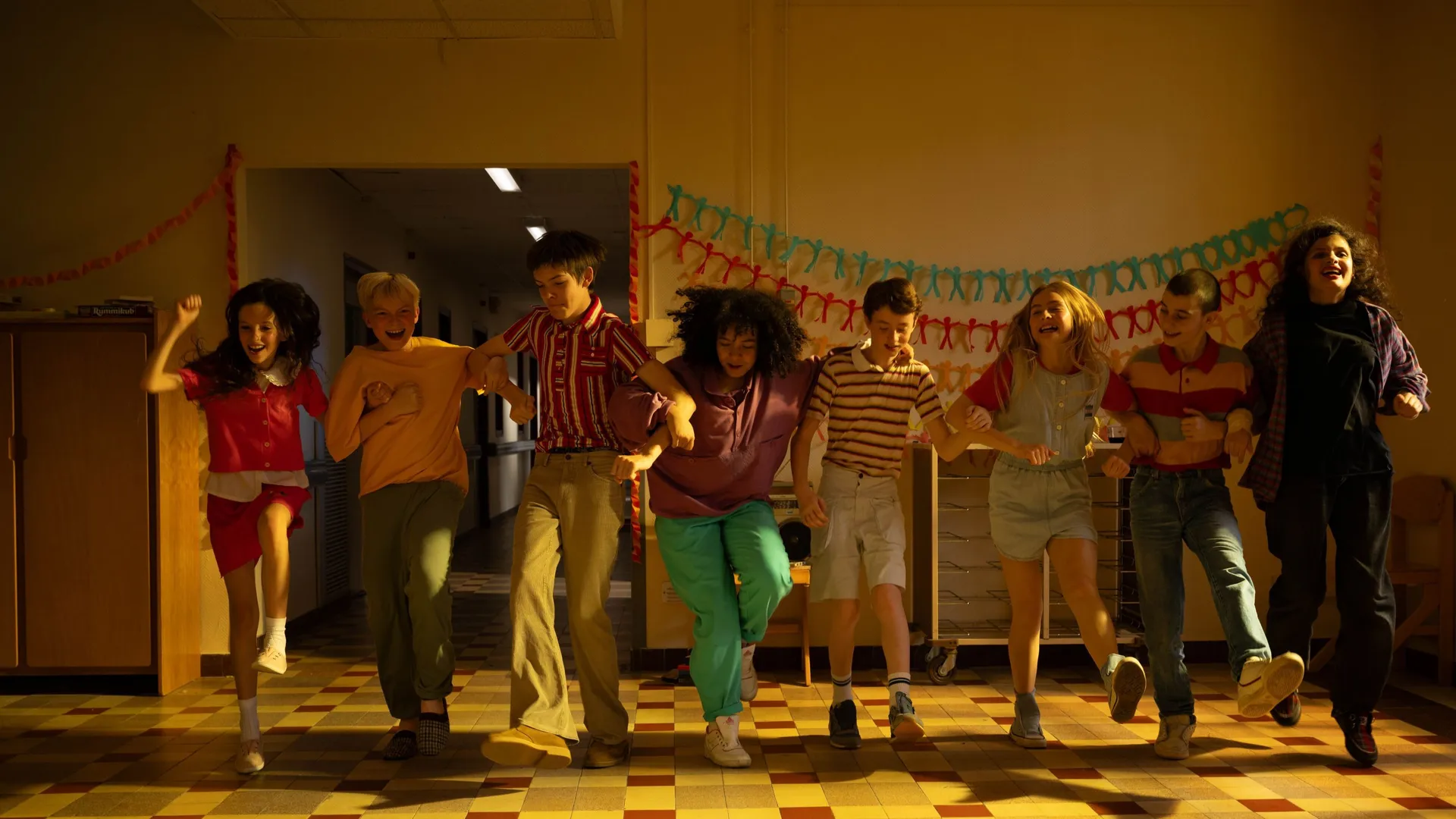
Adolescent film, often categorized as the "coming-of-age" genre, focuses on the tumultuous transition from childhood to adulthood. These films explore the search for identity, social hierarchy, and the emotional complexity of the teenage years, serving as a critical cultural touchstone for young audiences navigating their own developmental milestones.
The Historical Trajectory: From Rebels to Digital Natives
The history of adolescent film is not merely a chronicle of entertainment but a reflection of how society views its youth. While children appeared in films since the silent era, the specific "teenager" as a marketing demographic and cultural entity did not solidify until the post-World War II era. In the 1950s, films like Rebel Without a Cause (1955) introduced the concept of teenage angst and generational disconnect to a wide audience. These early entries established the "misunderstood youth" trope that remains a pillar of the genre today.
By the 1980s, the genre underwent a revolutionary shift led by filmmakers like John Hughes. Works such as The Breakfast Club (1985) and Sixteen Candles (1984) moved away from the extreme "juvenile delinquent" narratives of the past toward a more empathetic, character-driven exploration of social cliques and domestic pressures. These films utilized a "high school as a microcosm" approach, where the cafeteria served as a map of the world’s social and political structures.
As we move into 2026, the adolescent film has evolved into a hyper-realistic and often fragmented medium. The linear narratives of the 80s and 90s have been replaced by stories that mirror the digital experience—non-linear, visually dense, and deeply concerned with the "curated self." Modern teen cinema now grapples with the intersection of physical reality and digital personas, reflecting a world where an adolescent's reputation is managed both in the hallways and on global social platforms.
Psychological Frameworks in Adolescent Storytelling
To understand why adolescent film resonates so deeply, one must look at the psychological underpinnings of the teenage brain. Adolescence is characterized by what developmental psychologist Erik Erikson termed "Identity vs. Role Confusion." Films in this genre act as a safe "third space" where viewers can observe different versions of themselves and the consequences of various life choices.
The "coming-of-age" arc usually follows a specific psychological trajectory:
- The Call to Autonomy: The protagonist encounters a situation (first love, a family crisis, or a social challenge) that requires them to act independently of their parents.
- The Liminal State: This is the middle of the film where the character is no longer a child but not yet an adult. It is marked by experimentation, risk-taking, and high emotional volatility.
- The Integration: The character reaches a new understanding of themselves. Importantly, in modern 2026 cinema, this doesn't always mean a "happy ending," but rather a state of increased self-awareness and resilience.
Directors often use cinematic techniques to mirror these internal states. For example, the use of shallow depth-of-field can isolate a protagonist in a crowded room, visually representing the "imaginary audience" phenomenon—the common adolescent belief that everyone is constantly watching and judging them. By grounding narratives in these universal psychological experiences, adolescent films transcend their specific time periods.
Visual Language and the "Vibe" Aesthetic
In the current 2026 landscape, the visual language of adolescent films has shifted toward what critics call the "Vibe Aesthetic." Influenced by short-form video content and high-fashion editorial styles, these films prioritize atmosphere and emotional texture over rigid plot structures. This is a departure from the "gritty realism" of the early 2000s, favoring instead a heightened, neon-saturated, or dreamlike visual palette.
Key elements of modern adolescent cinematography include:
- Subjective Lighting: Using color to represent mood rather than reality. For instance, a character feeling isolated might be bathed in cool blues, even in a warm setting.
- The "Needle Drop": The integration of contemporary music is more than just a soundtrack; it is a narrative tool. In 2026, film scores often blend seamlessly with licensed tracks to create a continuous emotional soundscape that mimics a teenager’s own curated playlists.
- Tactile Textures: There is a renewed focus on the physical—the texture of clothing, the glow of a smartphone screen against a face, or the messy reality of a teenage bedroom. This "tactile" cinema provides a grounding counterpoint to the often abstract nature of digital life.
This focus on aesthetics allows the audience to "feel" the protagonist's experience rather than just observing it. It recognizes that for an adolescent, emotions are often too large for words, and visual symbolism must do the heavy lifting of the narrative.
Comparative Overview of Adolescent Film Eras
The following table compares the defining characteristics of adolescent cinema across three major eras, highlighting how the genre has adapted to changing societal norms.
| Feature | The Archetypal Era (1980s) | The Gritty Realism Era (2000s-2015) | The Meta-Digital Era (2026) |
|---|---|---|---|
| Primary Conflict | Social cliques and parental authority | Mental health, trauma, and realism | Digital identity and global connectivity |
| Setting | Suburbs and high school hallways | Urban environments and realistic homes | Hybrid spaces (Online and Offline) |
| Visual Style | High-key lighting, bright colors | Handheld cameras, muted tones | Hyper-stylized, "Vibe-centric," neon |
| Music Usage | Pop-rock anthems | Indie rock and "alternative" sounds | Lo-fi, hyperpop, and immersive soundscapes |
| Diversity | Mostly homogeneous/stereotypical | Increasing but often tokenized | Intersectional and globally integrated |
| Ending Tone | Resolution and optimism | Ambiguous or tragic | Pragmatic self-acceptance |
The Global Shift: Beyond the American High School
While Hollywood dominated the adolescent film market for decades, the 2020s have seen a massive surge in international contributions that have redefined the genre. European and Asian cinema, in particular, have moved away from the "prom and football" tropes often associated with American teen movies.
French adolescent cinema, for example, often leans into "naturalism," focusing on the raw, unpolished aspects of puberty and sexual awakening. South Korean teen films frequently explore the intense pressure of academic achievement and the hierarchy of social status within highly structured environments. These global perspectives have forced the genre to mature, proving that the experience of growing up is universal, even if the cultural barriers differ.
In 2026, streaming platforms have made these international stories accessible to a global youth audience. This has led to a "cross-pollination" of styles. We now see American films adopting the slow-burn pacing of European dramas, while international films utilize the high-concept visual hooks of Western blockbusters. This globalization has enriched the "adolescents film" category, providing a more comprehensive view of what it means to be young in a modern, interconnected world.
Technological Influence: Streaming and the 2026 Landscape
As of 2026, the way adolescent films are produced and consumed has fundamentally changed. The traditional theatrical release is no longer the primary goal for many "teen" projects. Instead, films are often designed for "multi-screen engagement." This means a film might be released alongside interactive digital content that allows viewers to explore the protagonist's "phone" or interact with their social media profiles in real-time.
Furthermore, the pacing of adolescent films has adapted to the "attention economy." Directors are experimenting with faster editing styles and non-linear timelines that feel more natural to a generation raised on rapid-fire content. However, there is also a counter-trend: the "Slow Cinema" movement for teens, which offers long, meditative takes that provide a much-needed respite from the digital noise.
Artificial Intelligence (AI) has also begun to play a role in 2026 cinema, particularly in post-production. AI is used to de-age actors realistically or to create "personalized" background environments that resonate with specific regional audiences. While controversial, these tools are being used to push the visual boundaries of the genre, making the internal fantasies of adolescent characters more vivid than ever before.
Frequently Asked Questions
What was the first major adolescent film?
While many early films featured teenagers, Rebel Without a Cause (1955) is widely considered the first major film to treat adolescence as a distinct and serious psychological state. It moved away from seeing teens as "miniature adults" or "naughty children" and instead focused on the specific emotional turmoil of the age group.
Why do adolescent films often use "coming-of-age" tropes?
Coming-of-age tropes—such as the "first heartbreak" or "rebelling against parents"—are used because they represent universal developmental milestones. These tropes provide a familiar structure that allows filmmakers to explore complex themes of identity and growth in a way that is easily understood by audiences across different cultures.
Are adolescent films only for teenagers?
No. While the primary audience is adolescents, these films often have high "nostalgia value" for adults. Psychologically, adults often return to these stories to process their own past experiences or to better understand the younger generation. The best adolescent films offer layers of meaning that remain relevant regardless of the viewer's age.
How has the depiction of mental health changed in these films?
In earlier decades, mental health was often ignored or treated as a "plot device" or a sign of being an "outcast." In 2026, adolescent films treat mental health with much greater nuance and accuracy. Topics like anxiety, neurodivergence, and the impact of social media on self-esteem are now central themes rather than side notes.
What defines a "successful" adolescent film today?
In the current market, success is measured by "authenticity" rather than just box office numbers. A successful adolescent film is one that captures the "zeitgeist"—the specific feeling of the current moment. This often involves accurate slang, realistic portrayals of technology, and a deep, empathetic understanding of the specific challenges facing today's youth.
Strategic Guidance for Media Literacy
For educators, parents, and young viewers, engaging with adolescent film requires a level of critical media literacy. Because these films are so effective at mirroring emotional states, it is easy to mistake a "stylized" version of youth for reality. When watching these films in 2026, it is helpful to:
- Deconstruct the "Main Character" Narrative: Recognize that films often simplify complex social dynamics to serve a single protagonist's arc.
- Analyze Visual Cues: Look at how color and lighting are used to influence your emotional response to a character.
- Compare Global Perspectives: Watch adolescent films from different countries to see how cultural values shape the experience of growing up.
Ultimately, adolescent films are a vital part of our cultural landscape. They provide a space for empathy, a mirror for identity, and a record of how each generation attempts to answer the oldest question in the world: "Who am I?"